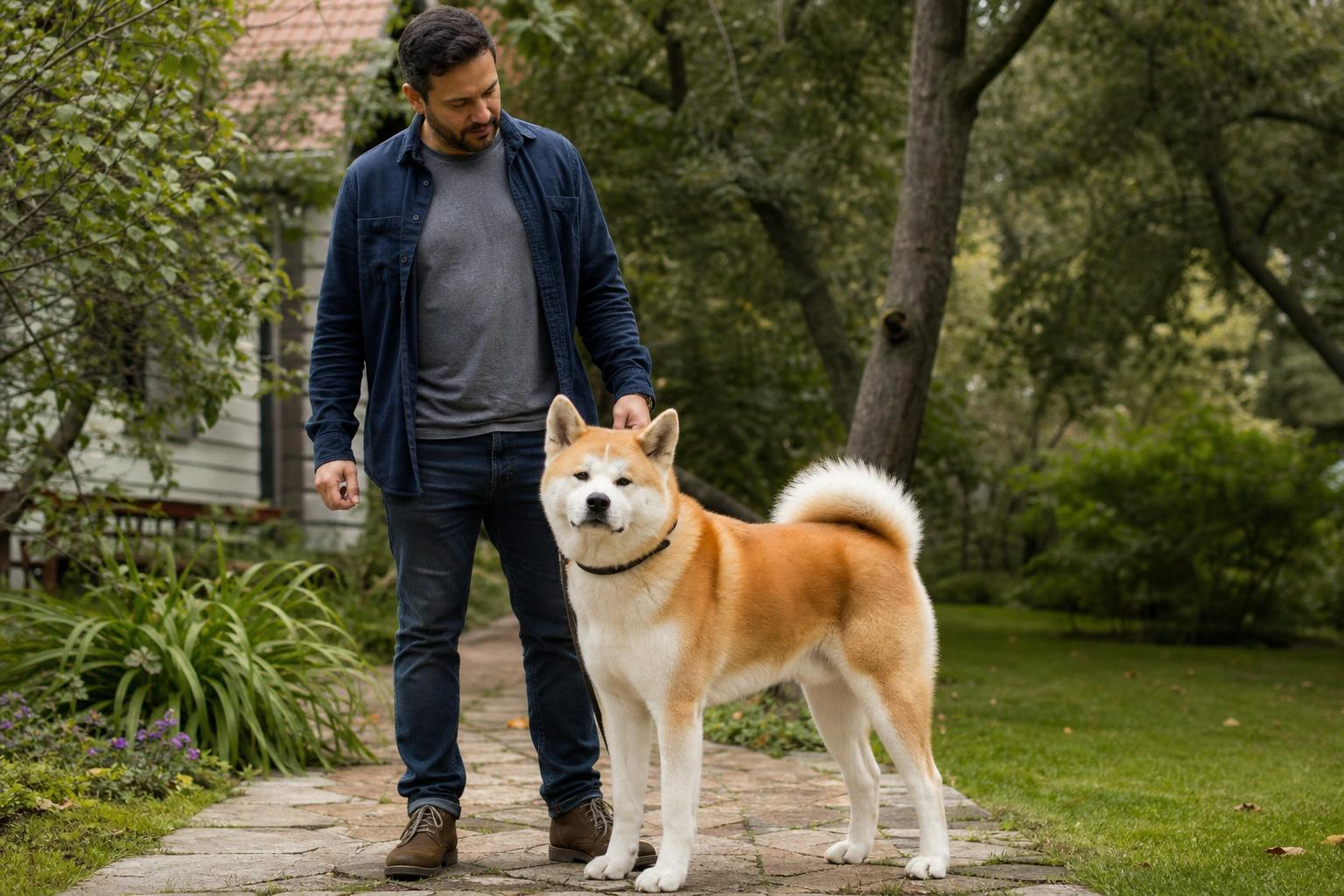
The Akita is a large, dignified spitz-type dog from northern Japan, known for loyalty, courage, and a calm but watchful presence. For buyers researching the Akita, the most important point is fit. This is not a casual, go-anywhere social butterfly breed for every household. A well-raised Akita can be deeply devoted and steady with its family, but the breed’s size, independence, protective instincts, and prey drive require thoughtful ownership from the beginning.
Historically, the Akita was used in rugged country for hunting large game such as bear, boar, and deer, and it later became strongly associated with loyalty and guardianship in Japanese culture. Today, most Akitas are family companions and home guardians rather than active hunting dogs. That history still matters, however, because it helps explain the breed’s confidence, strength, and tendency to think for itself. Buyers should approach the Akita as a serious working heritage breed, not just a beautiful heavy-coated companion.
Akita History and Working Background
The Akita originated in Japan’s Akita Prefecture on Honshu. Breed history describes a powerful mountain dog valued for courage, endurance, and the ability to work around large game. In Japan, the breed also carried cultural prestige and was associated with nobility, protection, and devotion. The famous story of Hachikō, the loyal Akita who waited for his owner at a Tokyo train station, remains one of the reasons the breed is so closely linked with faithfulness.
Modern Akitas are often discussed in two broad types: the Japanese Akita Inu and the American Akita. Standards and appearances may vary by registry and country, so buyers should verify which type a breeder is producing and what standard is being used. Do not assume that every Akita advertised online is the same in structure, temperament, or registration background. A reputable breeder or rescue should be able to explain the dog’s lineage and how it affects appearance and expectations.
Akita Size, Build, and Appearance
The Akita is a substantial, well-muscled dog with a broad head, erect triangular ears, and a curled tail carried over the back. The breed has a thick double coat, with a harsher outer coat and a soft, dense undercoat. Coat colors may include white, brindle, red fawn, sesame, and other solid or patterned colors depending on the standard being referenced. Some standards describe urajiro, or lighter markings on parts of the face and underside, especially in non-white dogs.
Because the Akita is large and strong, buyers should think practically about handling. A cute puppy can mature into a powerful adult that needs good leash manners, reliable household rules, and careful management around visitors, other animals, and public spaces. Sturdy equipment, secure fencing, and early training are not optional extras; they are part of responsible ownership.
Akita Temperament and Household Fit
Akitas are often composed, loyal, and deeply attached to their household. Many are reserved with strangers and selective about new people. This reserve should not be confused with shyness, and it should not be encouraged into suspicion. The ideal Akita is steady, confident, and controllable, with an owner who understands how to guide a guardian-leaning breed calmly and consistently.
Families considering an Akita should be honest about their lifestyle. This breed often does best in a stable home with predictable routines, clear boundaries, and people who enjoy training as part of everyday life. Akitas may be affectionate with children in their own household, but any large dog should be supervised around young children. The breed may not be suitable for homes that want frequent dog-park play, constant off-leash socializing, or a dog that welcomes every stranger with enthusiasm.
Akitas and Other Pets
The breed description commonly notes strong prey drive and possible territorial or same-sex dog issues. Individual dogs vary, but buyers should not assume an Akita will automatically live peacefully with small pets or unfamiliar dogs. If a home already has animals, ask the breeder or rescue direct questions about the specific dog’s history, social exposure, and management needs. Slow introductions and supervision matter.
Training an Akita
Training should begin early and focus on useful manners rather than tricks alone. Priorities include leash walking, impulse control, calm greetings, crate comfort, cooperative handling, recall foundations, and the ability to settle when guests arrive. Akitas are intelligent, but they can be independent and may not respond well to harsh or repetitive training. Clear expectations, positive reinforcement, and fair consistency are usually more productive than forceful confrontation.
Many owners benefit from a trainer familiar with spitz, guardian, or strong working breeds. Puppy classes can help, but only if they are well managed and do not turn into chaotic free-for-all play. Socialization should mean controlled, positive exposure to normal life: people, surfaces, noises, vehicles, veterinary handling, grooming, and calm public manners. The goal is a dog that can make good choices, not a dog pushed into every interaction.
Exercise, Enrichment, and Daily Care
Akitas need regular exercise, but many are not frantic dogs when their needs are met. Daily walks, structured play, basic training sessions, and scent-based enrichment can help keep them settled. Because they are powerful and can be determined, secure fencing and reliable leash handling are important. Off-leash freedom should be considered only in safe, legal, enclosed areas unless the individual dog has proven reliability and the environment is appropriate.
- Plan for daily walks and calm mental work.
- Use training games to reinforce attention and impulse control.
- Brush more often during seasonal coat blowing.
- Keep nails, ears, teeth, and weight management on a routine schedule.
- Provide a quiet resting place where the dog can settle away from household traffic.
Akita Coat and Grooming
The Akita’s double coat is one of the breed’s defining features. It protects the dog in cold weather and contributes to the breed’s impressive outline, but it also sheds. Owners should expect year-round shedding with heavier seasonal coat changes. During those periods, brushing may be needed several times a week or even daily to keep loose undercoat under control.
Routine grooming also creates an opportunity to check the dog’s skin, feet, ears, and body condition. Because Akitas can be independent about handling, start cooperative grooming when the dog is young. Teach the dog to accept brushing, nail trims, mouth checks, and veterinary-style handling without a struggle. This is a quality-of-life issue for both dog and owner.
Akita Health Considerations
Akitas are generally described as hardy, but buyers should still treat health research seriously. Large breeds can have orthopedic concerns, and some Akita lines may have immune, skin, thyroid, or other breed-associated issues reported by owners and veterinarians. This guide should not replace veterinary advice. Instead, use it as a reminder to ask better questions before buying or adopting.
If purchasing from a breeder, ask what health screening is performed on breeding dogs, what conditions have occurred in relatives, and whether results can be verified through appropriate registries or veterinary documentation. If adopting through rescue, ask for known medical history, current veterinary findings, and any behavioral notes. Do not accept vague promises in place of records.
Buying an Akita Puppy or Adult Dog
A good Akita source should be candid about temperament, socialization, and household fit. Buyers should be cautious of anyone who sells the breed as easy, universally dog-friendly, or suitable for every first-time owner. Responsible breeders and rescues often ask as many questions as they answer because placement matters with this breed.
- Ask how puppies are socialized before going home.
- Meet the dam when possible and observe temperament.
- Request health testing information relevant to the breeding program.
- Clarify registration details instead of assuming a particular registry applies.
- Review contracts carefully, including return policies and spay/neuter or breeding terms.
- Avoid sellers who pressure quick deposits, hide parent information, or cannot discuss the breed’s challenges.
Registration and Performance Claims
Verify reported working titles and test results with the issuing organisation. Confirm that the programme applies to the breed and ask what the result demonstrates about the individual dog.
Is an Akita a Good Choice for You?
The Akita can be a remarkable companion for the right person: loyal, dignified, watchful, and deeply bonded. The same traits can become difficult in the wrong home. If you want a powerful, independent dog and you are prepared for early socialization, consistent training, heavy shedding, secure management, and honest evaluation around other animals, the Akita may deserve a serious look.
For buyers, the best decision is not simply finding an available Akita. It is finding the right Akita from a responsible source, with a temperament and background that match your household. Take your time, verify claims, ask practical questions, and choose the dog whose needs you are ready to meet for life.


