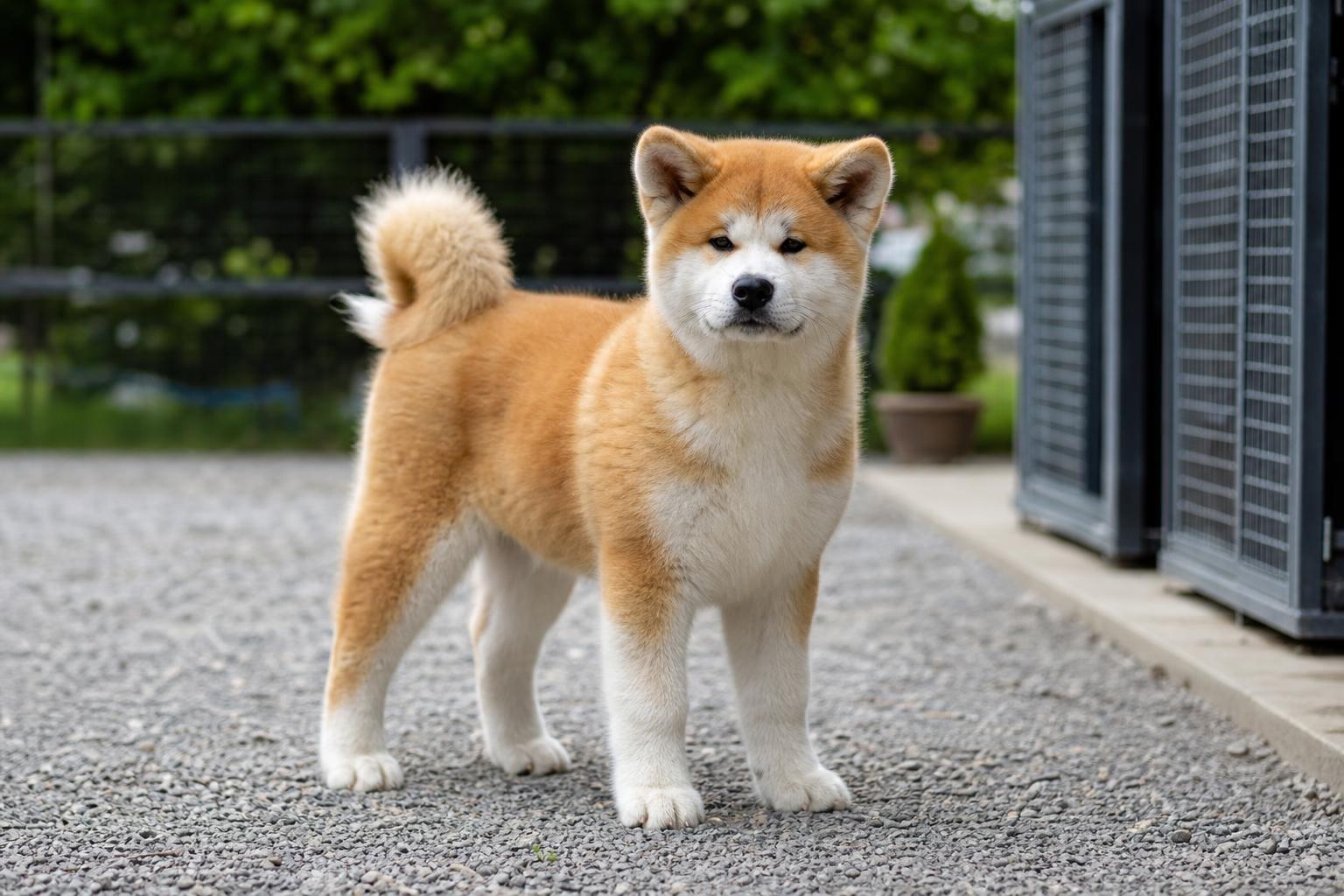
Searching for Akita puppies for sale is exciting, but this is a breed where careful buying decisions matter. The Akita is a large, powerful spitz-type dog with roots in northern Japan, where the breed was valued as a hunter of large game and as a loyal guardian. Modern Akitas are often calm and devoted with their own household, yet they can also be independent, reserved with strangers, and strong enough that early habits become important very quickly.
A good Akita puppy should not be purchased on impulse. The right breeder, rescue contact, or placement source should be able to talk honestly about temperament, socialization, coat care, health history, and the kind of home that fits the breed. If a seller focuses only on size, color, rarity, or urgency, slow down. A well-bred Akita puppy is not just a handsome dog with a curled tail and thick coat. It is a future adult guardian that needs structure, social exposure, fair training, and an owner prepared for a confident companion.
Choosing a breeder
When evaluating Akita puppies for sale, start with the person raising the litter. A responsible breeder should understand the breed beyond appearance. They should be comfortable discussing the Akita’s strengths and challenges: loyalty, dignity, protective instincts, possible same-sex dog issues, prey drive, heavy seasonal shedding, and the need for steady training. Look for someone who asks you questions too. A breeder who wants to know about your household, fencing, prior dog experience, children, other pets, and training plans is usually trying to place puppies carefully rather than simply move inventory.
Ask where the puppies are raised and what they experience before leaving. Akita puppies benefit from calm, positive exposure to normal household sounds, safe handling, gentle grooming, nail trims, car rides when appropriate, and visitors who behave respectfully around puppies. Early socialization does not mean overwhelming a litter; it means thoughtful introductions that help a puppy become resilient. Because Akitas can become reserved or suspicious as adults, early confidence building is especially valuable.
Questions to ask before you commit
- What are the sire and dam like with family, strangers, and other dogs?
- What health issues have appeared in related dogs, and what screening has been completed?
- How are puppies matched with homes?
- What socialization and handling have the puppies received?
- What support is available after the puppy goes home?
- What does the contract require if the buyer can no longer keep the dog?
Be cautious with sellers who will not answer direct questions, will not share records, always have puppies immediately available, or pressure you to send a deposit before you can review basic information. Photos and online listings are useful starting points, but they do not replace a real conversation and documentation.
AKC registration
Akitas may be represented through different registries or breed communities depending on the country, line, and type. In the United States, buyers commonly ask about AKC registration, but registration alone does not prove quality, health, or temperament. If a seller advertises AKC Akita puppies, ask to see the registered names or numbers of the parents and confirm what type of registration the puppy will receive. Limited registration is common for companion puppies and may restrict breeding rights, while full registration is usually reserved for specific show or breeding prospects under breeder terms.
It is also important to understand what registration does and does not say. A registration certificate identifies lineage within a registry system; it does not guarantee that the puppy is healthy, well socialized, or suitable for your home. Buyers should verify claims directly with the registry when needed and should read every contract before paying. If the seller makes claims about champion bloodlines, imported lines, rare colors, or special breeding rights, ask for documentation and take time to evaluate whether those claims matter for your goals.
Vaccinations
Akita puppies should leave with clear veterinary records, not vague verbal promises. Ask for the date of the puppy’s veterinary exam, any vaccines administered, deworming history, and the name of the clinic or veterinarian. Puppies are typically on a schedule rather than fully protected after one visit, so your own veterinarian should review the record and advise what comes next. Do not rely on a seller’s medical opinions in place of veterinary care.
Good records should be specific. They should list vaccine type, date given, and any parasite prevention or deworming performed. If a breeder says the litter is vaccinated, ask who administered the vaccine and whether the puppies have had a wellness exam. Some breeders administer certain vaccines themselves, while others use a veterinary clinic. Either way, your first appointment after bringing the puppy home is an important step for confirming condition, planning future care, and discussing diet, growth, joint health, and safe exercise for a large breed puppy.
Bringing puppy home
Bringing an Akita puppy home should be planned before pickup day. This breed grows into a substantial adult, so early routines matter. Prepare a secure crate or sleeping area, sturdy leash and collar or harness, stainless bowls, grooming tools for a double coat, safe chew items, and a plan for house training. Secure fencing is important, and supervision around open doors, small pets, and unfamiliar dogs should be taken seriously from the beginning.
The first weeks should be calm and structured. Let the puppy learn the household gradually instead of inviting everyone over at once. Focus on name recognition, house training, crate comfort, gentle handling, and short positive training sessions. Akitas are intelligent, but they are not usually a breed that thrives on harsh correction or chaotic repetition. Clear rules, consistency, and rewards for good choices build better long-term manners.
Socialization for an Akita puppy
Socialization should be steady and thoughtful. Introduce the puppy to different surfaces, normal neighborhood sights, car rides, grooming routines, and polite people. Avoid dog parks and uncontrolled puppy interactions, especially before your veterinarian says public exposure is appropriate. Because some Akitas may become selective with other dogs as they mature, the goal is not to force them to love every dog. The goal is to teach calm behavior, handler focus, and confidence in ordinary situations.
Typical puppy prices
Typical Akita puppy prices vary widely by region, pedigree, breeder reputation, registration, health screening, and what is included with the placement. A higher price does not automatically mean a better puppy, and a low price can become expensive if the seller has skipped veterinary care, socialization, or responsible planning. Treat any price you see online as a starting point for research rather than a promise of value.
Instead of shopping by price alone, compare what each seller provides. Does the puppy come with a written contract, veterinary record, registration information when applicable, feeding guidance, and ongoing support? Has the breeder discussed temperament honestly? Are the parents stable examples of the breed? Is there a return or rehoming clause if your circumstances change? These details often matter more than a small difference in purchase price.
Budget beyond the purchase price
- Veterinary exams, vaccine boosters, parasite prevention, and routine wellness care.
- Quality food appropriate for a large breed puppy.
- Training classes or private coaching with a trainer familiar with strong, independent breeds.
- Grooming tools for a thick double coat and heavy seasonal shedding.
- Secure fencing, strong equipment, crates, gates, and safe travel gear.
Ask your veterinarian about growth, body condition, and safe activity. Large breed puppies should be raised thoughtfully, with exercise that builds confidence without encouraging excessive jumping or forced endurance. Your breeder and veterinarian can help you balance activity, rest, and nutrition.
Red flags when shopping Akita puppies for sale
Walk away from sellers who cannot identify the parents, refuse to provide records, avoid questions about temperament, or promise that every puppy will be a perfect guard dog, family dog, and social butterfly. The Akita is loyal and impressive, but it is not a one-size-fits-all breed. Be especially cautious with claims that exaggerate aggression, size, rarity, or guaranteed behavior. A trustworthy source will explain both the appeal and the responsibility of owning an Akita.
Online scams also exist. Avoid sending nonrefundable deposits through risky payment methods to people who cannot verify a real litter. Look for consistent communication, realistic photos, references when available, and documentation that matches the names and dates being discussed.
Conclusion: buying an Akita puppy with confidence
The best Akita puppies for sale are backed by honest information, thoughtful breeding or placement, and support that continues after pickup day. Choose a puppy source that respects the breed’s history, power, loyalty, and independence. Verify registration claims, review vaccination records with your veterinarian, prepare your home before arrival, and budget for training and care beyond the purchase price. With patience and careful selection, an Akita puppy can grow into a devoted, dignified companion for an owner ready to provide structure, respect, and steady leadership.


