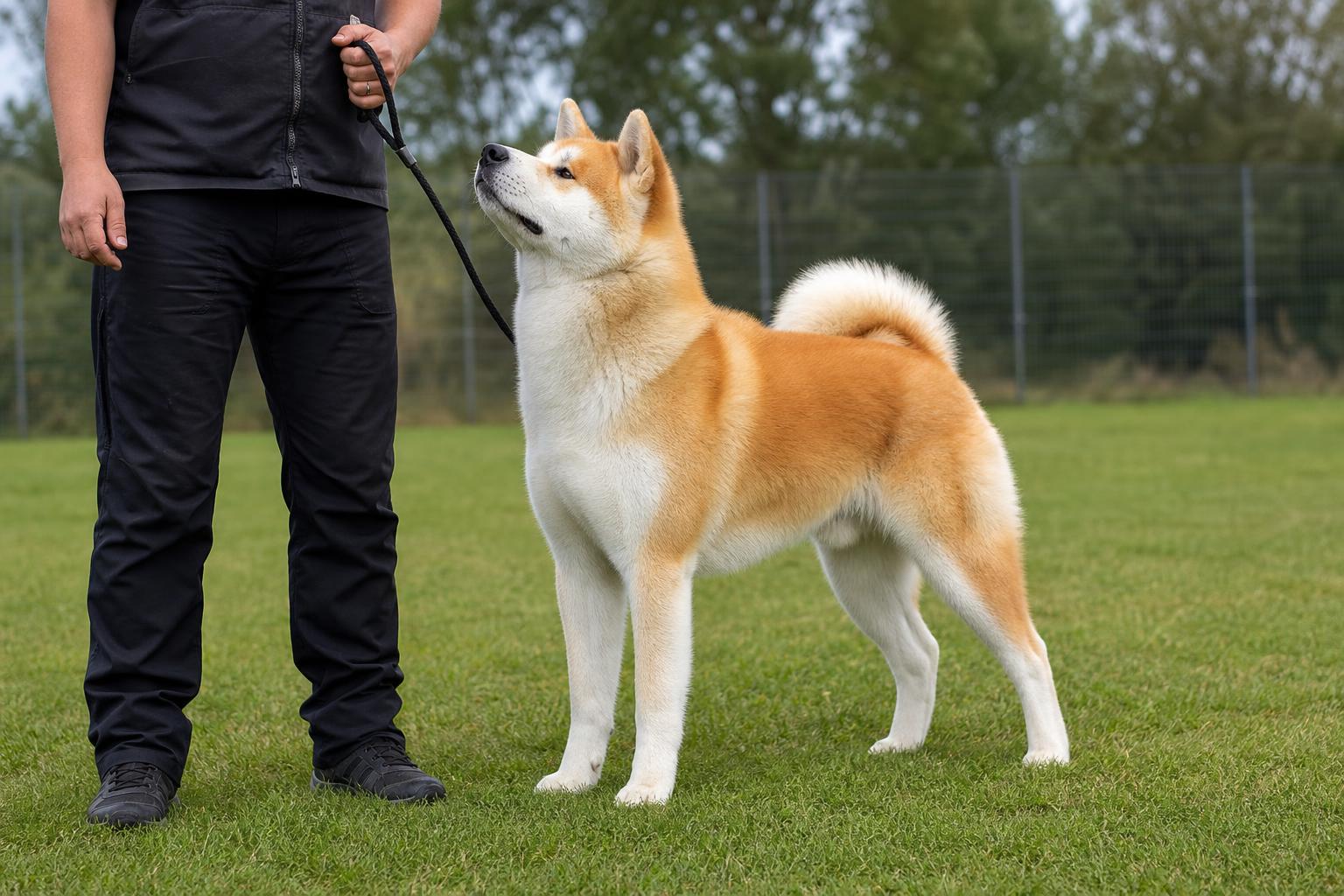
An Akita started dog can be appealing for buyers who want to skip the earliest puppy stage and bring home a young adult with some foundation already in place. The Akita is a large, powerful spitz-type breed from Japan, historically associated with hunting large game such as bear, boar, and deer, and modern Akitas are often valued as loyal companions and family guardians. Because the breed is independent, strong, and naturally watchful, the word started should be evaluated carefully. It should describe real training progress, not simply a dog that is older than a puppy.
For an Akita, the most useful started work usually centers on manners, social stability, leash control, handling, crate comfort, and calm exposure to normal life. Some Akitas may also have breed-appropriate field or working exposure, but buyers should verify the relevance of any hunting or gun-dog claims rather than assuming every Akita has been trained like a pointing, flushing, or retrieving breed. A good started Akita should show steadiness, confidence, and biddability for its age, while still fitting the breed’s dignified and sometimes reserved temperament.
What qualifies as “started”
There is no single universal definition of a started Akita. One seller may use the term for a dog that has basic obedience and socialization; another may mean a dog that has begun more formal working, hunting, protection, or companion training. Before discussing price, ask the seller to define the term in plain language. A useful answer should include the dog’s age, daily living skills, commands known, public exposure, handling experience, and any training goals already introduced.
For this breed, a started dog should normally be past the tiny puppy phase and able to demonstrate some repeatable behaviors in a familiar setting. That may include walking on leash without dragging the handler, entering a crate, accepting grooming and veterinary-style handling, responding to its name, settling indoors, and showing reasonable impulse control around doors, food, and people. Because Akitas mature into powerful adults, those practical manners matter more than flashy tricks.
- Ask for a live demonstration, not just a verbal description.
- Watch how the dog responds when the handler gives a command once, calmly.
- Look for confidence without frantic energy or avoidance.
- Confirm whether the dog has lived in a kennel, home, or mixed environment.
- Ask what the dog still needs work on; honest sellers should have an answer.
Birds introduced or breed-appropriate game exposure
Akitas are not primarily marketed today as mainstream upland bird dogs, so bird introduction should not be assumed. If a seller advertises an Akita as a started hunting dog, ask exactly what kind of game exposure has occurred and why it is appropriate for that individual dog. The breed’s history is tied more to large-game hunting and guardian work than to the specialized bird work seen in many modern sporting breeds. That does not mean an Akita cannot have useful outdoor exposure, but it does mean buyers should be precise about expectations.
Breed-appropriate exposure might include calm travel, woods walks, scent-rich environments, controlled exposure to wildlife areas, stock or farm settings where appropriate, and reliable handling around distractions. If birds have been used, ask whether the dog was merely shown birds once, allowed to chase, or trained toward a specific task. A started label should reflect a structured introduction rather than a single exciting afternoon.
Good questions include: What game or animals has the dog encountered? Was the exposure controlled? Did the dog remain manageable on leash or line? Was any prey drive balanced with obedience? How does the dog behave around smaller dogs, cats, poultry, or livestock? The breed can have strong prey drive and may be territorial, so management history is important for both hunting buyers and family homes.
Gun introduction when relevant
Gun introduction is only relevant if the Akita is being sold for hunting or field work where gunfire may be part of the dog’s future. Buyers should not assume that every started Akita has been introduced to firearms, and sellers should not make vague claims such as gun broke without explaining the process. If gun exposure is advertised, ask how it was done, at what distance, with what firearm or blank pistol, and how the dog reacted.
A careful gun introduction is gradual and paired with positive, controlled experiences. The dog should not be startled at close range to test toughness. With an Akita, steadiness and trust matter; a poor introduction can create avoidable stress or avoidance. If the seller cannot describe the method, treat the claim as unverified. For a companion or guardian-focused Akita, gun work may be unnecessary, and buyers should focus instead on household manners, public stability, and safe handling.
- Ask for video of prior exposure if the dog is marketed for hunting use.
- Verify whether the dog remained engaged and relaxed after the sound.
- Do not pay a premium for gun training that cannot be demonstrated or documented.
- Consider a professional evaluation if field work is a major reason for buying.
Obedience level
The obedience level of an Akita started dog should be judged by reliability, context, and handler relationship. A dog that performs in a quiet yard may not behave the same way at a parking lot, training field, veterinary office, or busy home. Because Akitas are intelligent and independent, they often need consistent expectations and fair, calm reinforcement. Heavy-handed handling is not a good substitute for training and can damage trust.
At minimum, look for practical basics: name recognition, sit, down or place, come on leash or long line, loose-leash walking, crate entry, waiting at thresholds, and acceptance of collar, harness, feet, ears, mouth, and coat handling. A reliable recall off leash should not be assumed, especially with distractions or prey opportunities. Ask whether the dog has trained around other dogs, strangers, children, vehicles, livestock, or indoor household noise.
Temperament is part of obedience evaluation. Many Akitas are loyal and composed with family but reserved with strangers. Reserved is not the same as fearful or unsafe. Watch whether the dog can recover from new sights and whether the handler can redirect attention. Same-sex dog issues, prey drive, and territorial behavior should be discussed candidly. A started dog should come with a realistic description of where it is steady and where management remains necessary.
Evaluating training
Evaluate an Akita started dog by watching the dog work, reviewing records, and asking practical questions. A good seller should be willing to demonstrate skills, explain the training approach, and describe the dog’s daily routine. Short polished clips can be useful, but they should not replace an in-person or live video session where you can ask to see specific behaviors. If the dog is already mature enough to be marketed as started, the seller should know its strengths, weak spots, social preferences, and handling needs.
Ask about health and veterinary history without expecting guarantees that are not offered in writing. For Akitas, buyers commonly discuss orthopedic concerns, immune or skin issues, thyroid-related problems, and general preventive care with a veterinarian or knowledgeable breeder. If a seller references OFA, DNA testing, registration, or other records, verify the documents directly and confirm that they apply to this dog and this breed. Do not rely on acronyms alone.
Also evaluate fit. An Akita may not be ideal for every first-time owner, busy dog-park lifestyle, or multi-pet household. Secure fencing, structured routines, and consistent handling are often important. If the dog has been raised mostly in a kennel, ask how it handles stairs, slick floors, household appliances, visitors, and quiet time indoors. If it has been raised in a home, ask how it handles confinement, grooming, travel, and being left alone.
Questions to ask before buying
- What exactly has the dog been started on, and for how long?
- Which commands are reliable with the seller, and which are still developing?
- Has the dog been exposed to children, strangers, other dogs, or small animals?
- How does the dog respond to grooming, nail trims, bathing, and veterinary handling?
- What equipment has been used: flat collar, harness, crate, long line, place cot?
- Are any registration, health, or training records available for review?
- What support, if any, does the seller offer after placement?
Conclusion: buying an Akita started dog with clear expectations
The right Akita started dog can be a rewarding choice for a buyer who wants a mature foundation and understands the breed’s size, independence, loyalty, and protective instincts. Focus on verified training, stable temperament, and honest disclosure rather than labels. If the dog is advertised with hunting, game, gun, registration, health, or performance claims, ask for proof and make sure those claims are relevant to the Akita in front of you. A careful evaluation now helps you choose a started Akita that fits your home, handling ability, and long-term goals.


