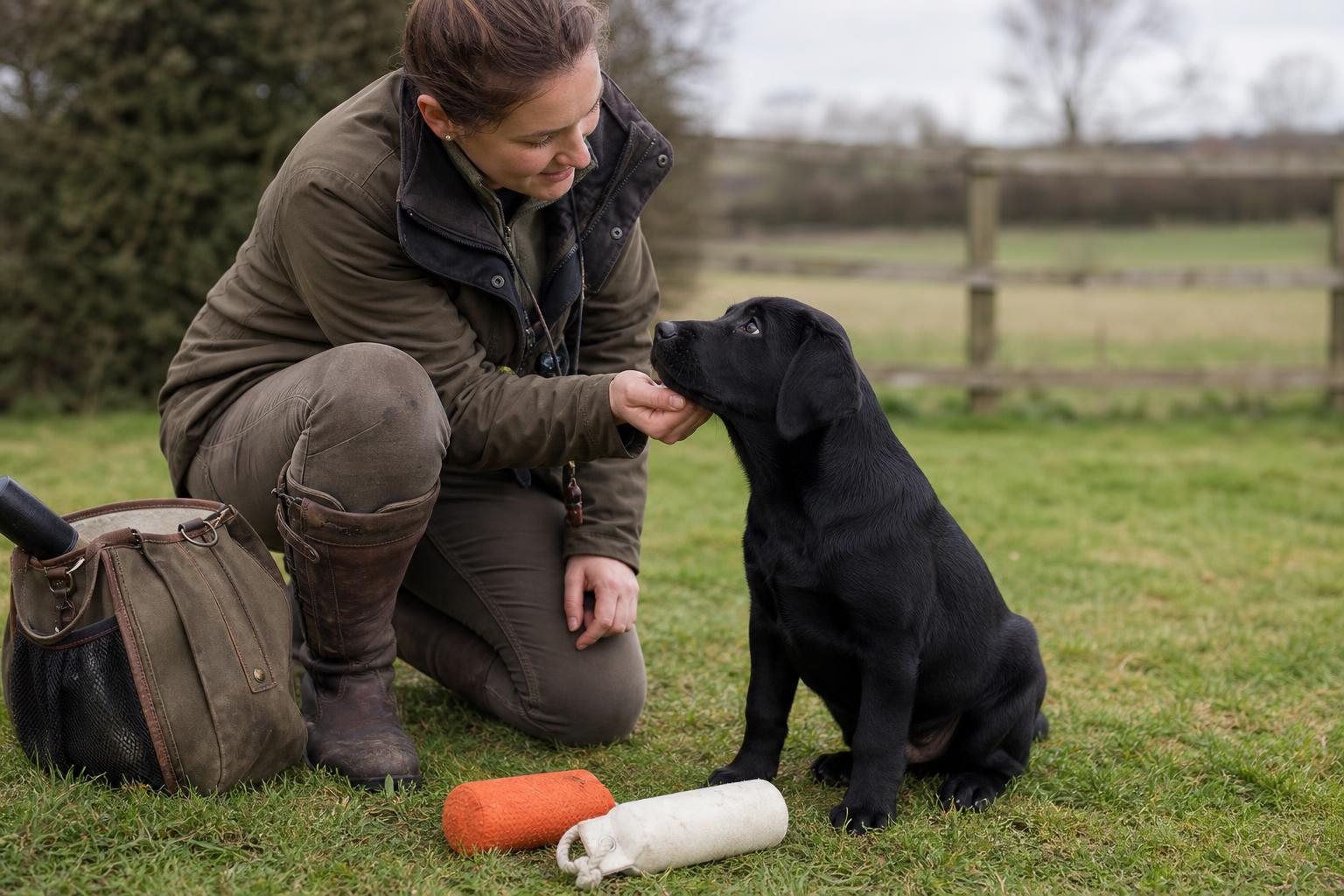
Searching for British Labrador Retriever puppies for sale is exciting, but the best decision usually comes from slowing down and studying the litter, the breeder, and the parents before you commit. The British Labrador Retriever is valued for a calm, people-oriented temperament, strong retrieving instinct, trainability, and a compact, substantial build often associated with UK-style Labrador lines. Those traits can make the breed an excellent match for hunters, active families, trainers, and first-time sporting dog owners, but only when the puppy is bred and raised with care.
Because British Labrador Retriever is commonly used as a style or bloodline description rather than a separate breed in many registries, buyers should focus on verifiable facts. Look for documented parentage, health testing, stable temperament, appropriate socialization, and honest conversation about what the breeder is producing. A good puppy is not just a color, a head shape, or a fashionable label. It is the result of thoughtful breeding, sound early care, and a realistic match between the dog and the home.
Choosing a breeder
A responsible British Labrador Retriever breeder should be willing to explain the goals behind the litter. Some breeders emphasize field ability, waterfowl retrieving, upland work, hunt test prospects, or family companionship. Others may produce dogs from show-oriented or dual-purpose lines. None of those goals is automatically better for every buyer; the right choice depends on your lifestyle, training plans, and expectations for energy level.
Start by asking about the sire and dam. You want to know their temperaments, daily work or activity level, retrieving desire, manners in the house, and any hunting, training, service, or performance background that is relevant. If a breeder says the parents are calm, ask what that looks like in real life. Are they steady around children? Do they settle indoors after exercise? Do they retrieve naturally? Are they comfortable in water? Clear answers are more useful than broad claims.
Ask how the puppies are raised during their first eight weeks. A thoughtful program usually includes clean housing, careful handling, gradual exposure to household sounds, age-appropriate surfaces, supervised visitors when safe, and early introduction to crates or car rides if the breeder uses those methods. For a gun dog prospect, early curiosity, confidence, and recovery from new experiences matter. For a family companion, the same qualities help create a puppy that can adapt to normal life.
- Ask to see documentation for health testing rather than accepting verbal assurances.
- Discuss the breeder’s return policy and whether they will support you after the sale.
- Look for honest discussion of both strengths and challenges in the litter.
- Avoid breeders who pressure you to send money before answering basic questions.
- Be cautious if every puppy is described as perfect for every purpose.
Deposits should be handled clearly. Before sending one, understand whether it is refundable, how puppy selection works, when pickup happens, and what is included in the sale. A written agreement protects both sides and should not feel vague or rushed.
AKC registration
Many Labrador Retrievers in the United States are registered through the American Kennel Club, but buyers should verify what applies to the specific British Labrador Retriever litter they are considering. Since the term British Labrador Retriever usually refers to Labrador Retriever bloodlines or type rather than a separate AKC breed, registration paperwork should identify the dogs accurately. Ask the breeder what registry is used, whether the litter is eligible for registration, and whether the puppy is sold with limited or full registration.
Limited registration is common for companion puppies and generally means the dog can be registered but offspring are not eligible for registration through that arrangement. Full registration may be reserved for approved breeding prospects. Neither option is inherently good or bad; the important point is that the breeder explains it plainly before purchase.
Registration is not the same as quality, health, or suitability. It documents lineage through a registry, but it does not replace health clearances, temperament evaluation, or responsible breeding decisions. If the litter is advertised with imported, British, English, field, show, or champion bloodlines, ask for names, registration numbers, and pedigrees you can review. If hunt tests, field trials, or working titles are mentioned, verify those records through the relevant organization rather than assuming they apply to every dog in the pedigree.
Vaccinations
Vaccination planning is part of buying any British Labrador Retriever puppy, but exact medical schedules should be directed by your veterinarian. A breeder should provide a written record showing what vaccinations, deworming, parasite prevention, or veterinary checks have already been completed. The record should include dates, product names when available, and the veterinarian or clinic involved if the puppies have been examined.
Most puppies need a series of core puppy vaccinations over several visits, because one shot at pickup does not complete immunity. Your vet will help you plan the remaining schedule based on age, local risk, lifestyle, and travel. Until your veterinarian says it is safe, be careful with high-traffic dog areas, pet store floors, dog parks, and places where unknown dogs may have been.
British Labrador Retriever puppies are often curious, mouthy, and eager to investigate the world. Socialization still matters during the vaccination window, so work with your veterinarian on safe exposure. Car rides, meeting healthy vaccinated dogs owned by trusted friends, hearing household noises, being handled gently, and seeing new people from a safe distance can all help build confidence without unnecessary risk.
Bringing puppy home
Before your British Labrador Retriever puppy comes home, prepare for an energetic, social, fast-growing retriever. Labs often love to carry things, chew, play in water, and follow people from room to room. Puppy-proof the house by removing electrical cords, shoes, children’s toys, trash, medications, and anything small enough to swallow. A crate, exercise pen, washable bedding, stainless bowls, safe chew toys, a flat collar, a leash, grooming tools, and cleaning supplies will make the first week easier.
Ask the breeder what food the puppy is eating and how often. Sudden diet changes can upset a young puppy’s stomach, so transition gradually if your veterinarian recommends a different food. Keep meals measured. Labrador Retrievers are known for hearty appetites, and maintaining a lean body condition is one of the best long-term habits you can build.
The first days should be calm and structured. Set up a potty routine, use short training sessions, and reward the behaviors you want. Teach the puppy to come when called, trade objects willingly, settle in a crate, and walk politely on leash. Because many Labs mature slowly, patience is important. What feels cute at ten weeks can become difficult when the dog is strong and adolescent, so start house manners early.
Early training for a British Labrador Retriever puppy
For hunting homes, puppyhood is not the time for pressure. Build confidence, recall, delivery foundations, and a love of retrieving through short, upbeat sessions. Water introduction should be safe, warm, and voluntary. Gunfire should never be rushed; if gun introduction is part of your plan, work with an experienced trainer who understands gradual conditioning. For companion homes, the same basic structure helps prevent jumping, counter surfing, and overexcitement around guests.
Typical puppy prices
Typical puppy prices for British Labrador Retriever puppies vary widely by region, pedigree, health testing, breeder reputation, training foundation, and demand. A well-bred puppy from documented health-tested parents often costs more than a casual litter, but a higher price alone does not prove quality. Buyers should compare what is actually included: veterinary care, registration eligibility, microchip, written contract, breeder support, health documentation, and the thought that went into the mating.
Avoid treating the cheapest puppy as the best deal or the most expensive puppy as automatically superior. Instead, ask why the price is what it is. Strong answers usually point to documented clearances, careful puppy raising, proven temperament, transparent pedigree information, and ongoing support. Weak answers rely on vague phrases such as rare, premium, imported, or champion without proof.
Be prepared for costs beyond the purchase price. Veterinary visits, vaccines, parasite prevention, quality food, training classes, crates, fencing, travel, grooming supplies, and safe toys all add up. If you plan to hunt, test, or train seriously, budget for birds, equipment, professional lessons, travel, and entry fees. The purchase price is only the beginning of responsible ownership.
Health testing and buyer verification
Labrador Retrievers can be affected by orthopedic and inherited conditions, so health documentation matters. Commonly discussed clearances in the breed include hips, elbows, eye exams, and breed-relevant DNA testing such as exercise-induced collapse where appropriate. Buyers should not assume every clearance applies automatically or that every claim is current. Ask for copies or links to results and verify them through the appropriate registry or testing organization when possible.
Verify reported working titles and test results with the issuing organisation. Confirm that the programme applies to the breed and ask what the result demonstrates about the individual dog.
Red flags when shopping online
Online listings can be useful, but they also reward quick decisions. Be careful with sellers who refuse phone calls, avoid video, use copied photos, cannot identify the parents, offer immediate shipping with little screening, or make broad health guarantees without documentation. A good breeder wants the puppy placed well and will usually ask you questions too.
- Do not send a deposit through an unsafe payment method to someone you cannot verify.
- Search images and kennel names if something feels off.
- Confirm the puppy’s age and pickup timing; very early placement is a concern.
- Ask for a written contract before money changes hands.
- Trust careful transparency more than polished advertising.
Conclusion: finding the right British Labrador Retriever puppy
The best British Labrador Retriever puppies for sale are not simply the first available puppies. They come from breeders who know their dogs, document their claims, raise litters carefully, and help buyers choose a puppy that fits. Take time to verify registration details, health testing, vaccination records, temperament, and contract terms. When you pair a well-bred puppy with steady training, daily exercise, and realistic expectations, a British Labrador Retriever can become exactly what the breed is loved for: a dependable retriever, a willing partner, and a loyal family companion.
Explore British Labrador Retriever on Working Dog Central
View the British Labrador Retriever breed profile or browse British Labrador Retriever listings.


