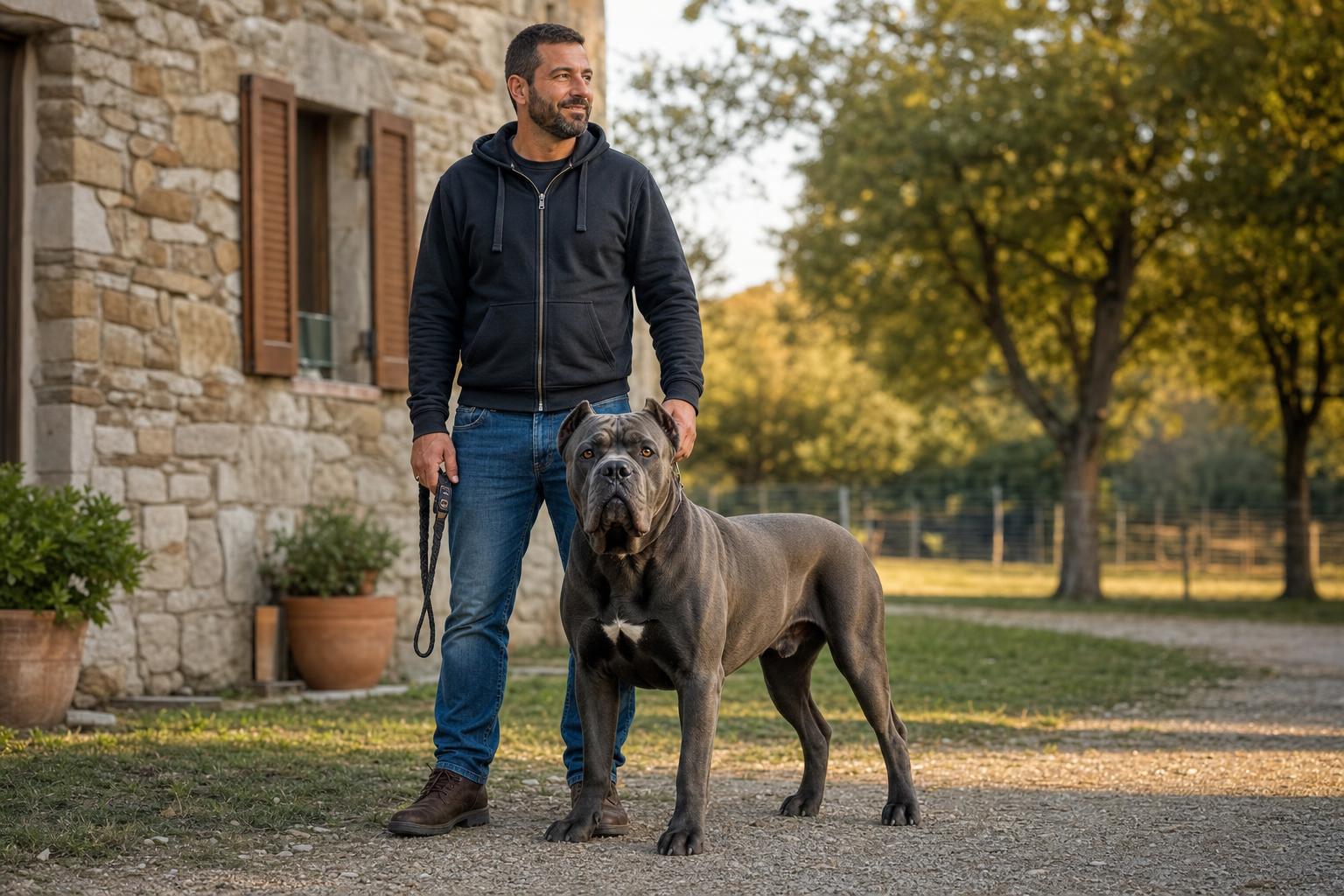
The Cane Corso is a large Italian mastiff-type dog known for strength, intelligence, loyalty, and a serious guardian instinct. For the right owner, a well-bred and well-raised Cane Corso can be a steady family companion and a capable home protector. For the wrong owner, the same traits can become difficult to manage. This breed is not simply a big short-coated dog; it is a powerful working guardian that needs structure, training, socialization, and thoughtful handling from the beginning.
People researching the Cane Corso should start with an honest question: do you want the responsibility that comes with a confident, protective, physically strong dog? The breed’s best qualities are closely tied to that responsibility. A good Corso is watchful without being frantic, affectionate with its people without being foolishly social with everyone, and trainable when the handler is consistent. The goal is not to make the dog suspicious or sharp. The goal is to raise a stable, neutral, obedient companion that understands its place in the household.
Cane Corso History and Working Background
The Cane Corso traces its roots to Italy and to ancient Molosser-type dogs associated with the Roman world. Breed history connects its ancestors with guarding, war dog work, and later rural jobs such as protecting property, managing livestock, and helping hunt large game such as wild boar. The name is often linked to the Latin idea of a guardian or protector, which fits the breed’s traditional role on farms and estates.
After the Roman era, the Cane Corso remained useful in rural southern Italy. It was valued as a practical farm dog rather than an ornamental breed. These dogs guarded livestock and property, helped with cattle, and served as deterrents against predators or intruders. Like many old working breeds, the Cane Corso declined as agriculture changed and mechanized. By the mid-20th century, the breed had become rare. Dedicated Italian enthusiasts helped revive it in the late 20th century, preserving the breed’s power, intelligence, and guardian character while moving toward modern breed standards.
Today, the Cane Corso is recognized internationally and is best known as a companion guardian. Some individuals may still be used in working roles, but buyers should verify any specific claim about hunting, protection sport, registration, titles, or work history with documentation. A Corso’s historical background matters, but modern ownership depends on the individual dog, its breeding, its training, and the owner’s ability to manage it responsibly.
Cane Corso Temperament
A well-bred Cane Corso is typically loyal, observant, and deeply attached to its family. Many are calm in the home when their exercise and mental needs are met. They tend to be naturally watchful with strangers and may not enjoy casual attention from unfamiliar people. That does not mean a Corso should be unstable, reactive, or uncontrollable. Sound temperament should look like confidence, discernment, and self-control.
Because the breed is naturally protective, early socialization is essential. Socialization does not mean forcing the dog to greet every person or dog it sees. With a Cane Corso, the better goal is neutrality. The dog should learn that visitors, traffic, delivery drivers, livestock, other dogs, and public environments are normal parts of life and not automatic threats. Owners should reward calm behavior, teach clear boundaries, and prevent rehearsal of pushy or over-protective habits.
Family Fit and Household Management
Many Cane Corsos are affectionate and gentle with their own families, but their size and strength require supervision and rules. Children should be taught how to behave around a large dog, and the dog should be taught polite manners around children. No breed should be expected to tolerate rough handling, crowding, or teasing. A Corso also needs a clear visitor plan. Door manners, crate training, place training, and controlled introductions can make daily life much safer and calmer.
- Best suited to owners who enjoy structure and consistent training.
- Usually not ideal for people wanting a casual, highly social dog that welcomes everyone.
- Requires secure fencing, leash control, and thoughtful management around visitors.
- Benefits from calm leadership rather than harshness or inconsistency.
Size, Build, and Appearance of the Cane Corso
The Cane Corso is a large, athletic mastiff built to move with power. The breed should appear muscular and substantial without being sloppy or overly bulky. The head is broad, the muzzle strong, and the expression often serious and alert. The short, dense coat is relatively easy to maintain and commonly appears in black, gray tones, fawn or red shades, and brindle patterns.
Although grooming is straightforward, physical management matters. A large dog with a heavy frame needs safe footing, controlled exercise during growth, good nail care, and a lean body condition. Extra weight can make any large breed harder to handle and may increase strain on joints. Owners should discuss growth, feeding, exercise, and body condition with a veterinarian, especially during puppy and adolescent stages.
Training a Cane Corso
Training should begin the day a Cane Corso comes home. Waiting until the dog is large and strong makes ordinary manners much harder to install. Early priorities include name recognition, crate comfort, house manners, leash skills, recall foundation, impulse control, and calm behavior around doors and guests. A Corso often learns quickly, but intelligence is not the same as automatic obedience. The handler must be consistent enough that the dog understands what behavior is expected every day.
Harsh training can create conflict, avoidance, or defensive behavior, while permissive handling can create a dog that makes its own decisions. The best approach is calm, clear, fair, and consistent. Reward the behavior you want, interrupt and redirect unwanted behavior early, and avoid letting the dog practice habits that will be dangerous at adult size. For many owners, professional help from a trainer experienced with guardian breeds is a wise investment.
Core Skills for Cane Corso Owners
- Leash manners: A powerful adult Corso must be controllable in public.
- Place training: Teaching the dog to settle on command helps with guests and household routines.
- Recall: A reliable recall is valuable, though owners should still use secure containment where needed.
- Impulse control: Waiting at doors, taking food politely, and ignoring distractions all matter.
- Neutrality: The dog should learn to observe without escalating.
Exercise, Care, and Daily Life
The Cane Corso needs daily movement and mental work. A fenced yard is useful, but it is not a complete exercise plan. Structured walks, obedience sessions, controlled play, scent games, and household jobs can help satisfy the dog’s mind. A bored Corso may become pushy, destructive, noisy, or overly focused on guarding the property.
Grooming needs are modest. Weekly brushing, nail trims, dental care, ear checks, and occasional bathing are usually enough for the short coat. The breed does shed, even if it is not as coat-heavy as many double-coated breeds. Owners should also pay attention to heat, slippery floors, stairs, and rough play, especially with young dogs. Responsible conditioning is better than random overexertion.
Health Considerations for the Cane Corso
Cane Corsos are generally robust dogs, but like other large and deep-chested breeds, they can face orthopedic and general health concerns. Buyers should not rely on vague promises. Ask breeders what health testing they perform, which results are available, and how they evaluate temperament. Documentation matters. If a breeder mentions OFA, PennHIP, cardiac screening, eye evaluations, DNA testing, or other health programs, ask to see records and verify what is relevant to the breed and the specific breeding pair.
Do not assume every Cane Corso breeder uses the same testing, registry, guarantee, or contract terms. AKC recognition may be relevant for some buyers, but registration alone does not prove quality, health, or temperament. A registered puppy from careless breeding is still a risk. A responsible breeder should be willing to discuss why they paired the sire and dam, what traits they are trying to preserve, what health information is available, and what support they provide after the sale.
Buying a Cane Corso Puppy or Adult Dog
Because the Cane Corso is a serious guardian breed, choosing the right source is especially important. Look for breeders who prioritize stable temperament, health, correct structure, and appropriate placement. A good breeder should ask questions about your experience, household, fencing, training plans, and expectations. That screening is not an inconvenience; it is a sign that the breeder understands the breed.
Questions to Ask a Cane Corso Breeder
- What health testing has been completed on the sire and dam, and can results be verified?
- What are the temperaments of the parents like with family, strangers, and other dogs?
- How are puppies socialized before placement?
- What registration, contract, and return policies apply?
- What support does the breeder offer for training and ownership questions?
- How does the breeder decide which puppy fits which home?
Be cautious of sellers who emphasize size, intimidation, rare colors, or protection ability while saying little about temperament and health. Also be careful with anyone who guarantees extreme traits or encourages suspicion as a selling point. A Cane Corso should be confident and capable, not unstable or needlessly aggressive.
Is the Cane Corso Right for You?
The Cane Corso can be an outstanding dog for experienced, steady owners who want a loyal guardian and are prepared to train and manage one. It is usually a poor match for people who want an easygoing social butterfly, have little time for training, lack secure containment, or are uncomfortable setting boundaries. The breed asks a lot, but it can give a lot in return.
Before buying, spend time around well-raised adult Corsos, talk with reputable breeders and trainers, and be honest about your lifestyle. The puppy stage passes quickly; the adult dog is the real commitment. A careful decision now can prevent problems later and give the right Cane Corso the stable, capable home it deserves.
Buyer-Focused Conclusion
If you are considering a Cane Corso, focus less on impressive photos and more on temperament, health documentation, breeder support, and your own ability to provide structure. This is a powerful Italian guardian with a long working history and a deep bond with its people. In the right home, the Cane Corso is loyal, intelligent, and steady. In the wrong home, its strength and instincts can become overwhelming. Choose carefully, verify claims, and plan for a lifetime of training, management, and responsible ownership.
Explore Cane Corso on Working Dog Central
View the Cane Corso breed profile or browse Cane Corso listings.


