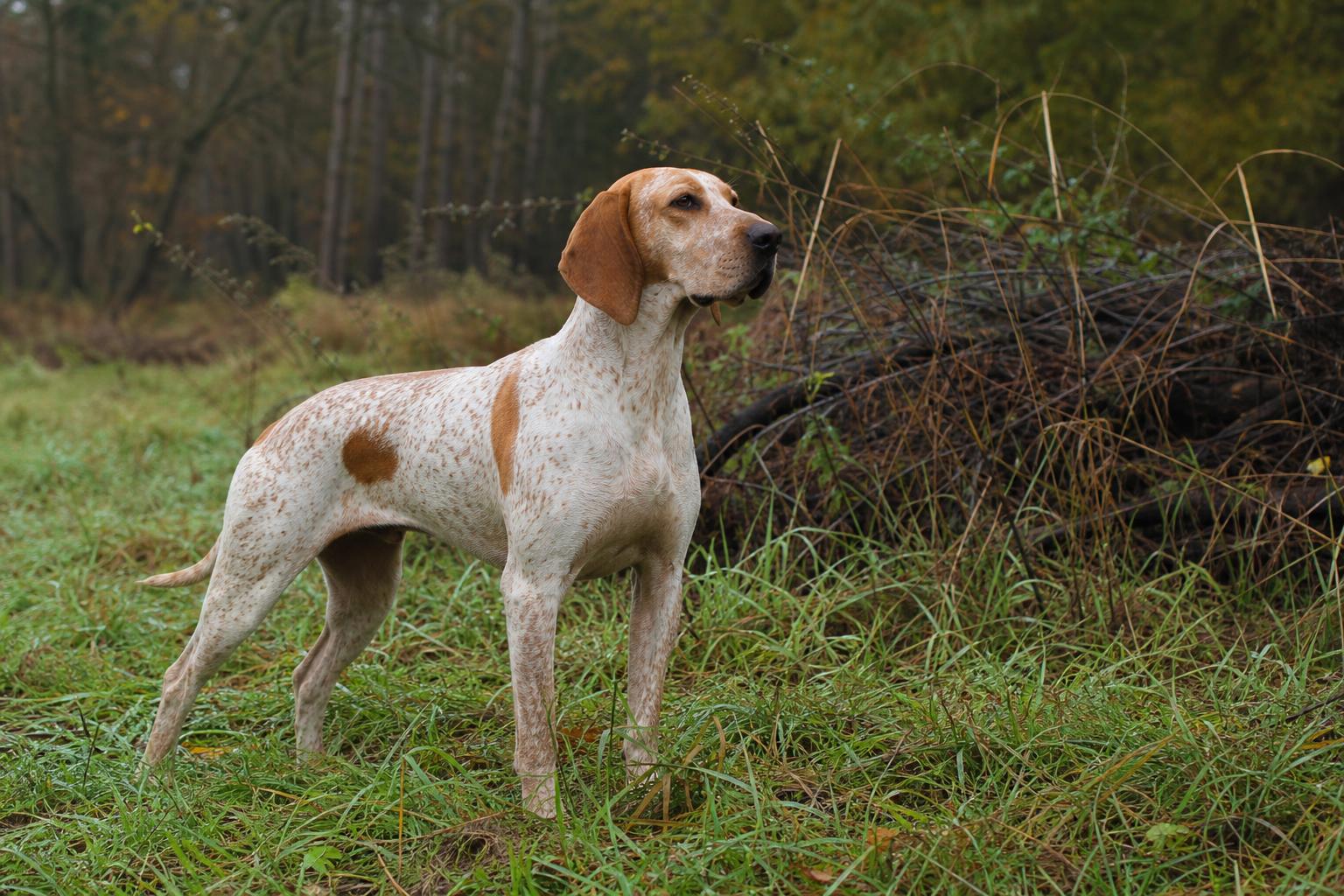
The English Coonhound is a medium-to-large American scent hound known for speed, stamina, voice, and determination on a track. Often called an English dog by hunters and listed by the AKC as the American English Coonhound, this breed was developed from foxhound-type ancestors and shaped by the demands of raccoon hunting, rough country, and long nights in the woods. For the right owner, an English Coonhound can be a loyal hunting partner and a friendly family companion. For the wrong home, the same traits that make the breed useful in the field can become noise, roaming, and frustration.
This guide is written for buyers who want a practical look at the English Coonhound before contacting breeders, rescues, or owners with available dogs. The goal is not to make the breed sound perfect. It is to help you understand what this hound is bred to do, how it usually lives, and what questions are worth asking before you bring one home.
English Coonhound History and Purpose
The English Coonhound traces back to foxhounds brought to the American colonies by English settlers. Those dogs were adapted over generations for American terrain and American game, especially raccoons. Hunters needed hounds that could move fast, follow scent across changing ground, work after dark, locate game, and stay at the tree while calling loudly enough for a handler to find them.
That working history still matters. The English Coonhound is not simply a hound-shaped companion dog. It is a purpose-bred tracker with an independent mind, a strong nose, and a voice designed to carry. UKC recognized the breed in 1905 as the English Fox and Coonhound. The AKC accepted it into the Hound Group in 2011 under the name American English Coonhound. Buyers may see either name used, so it is wise to confirm which registry, pedigree, or working records a breeder is referring to rather than assuming every dog is registered the same way.
English Coonhound Size, Build, and Appearance
The English Coonhound should look athletic rather than bulky. The breed is built to cover ground efficiently for hours, with a deep chest, muscular hindquarters, a balanced outline, and enough leg to move through brush and uneven terrain. Many adults stand roughly 22 to 27 inches for males and 21 to 25 inches for females, with weight commonly kept proportional to height and condition. A fit hound should feel hard-muscled and capable, not soft or overweight.
The head is classic hound: broad between the ears, long in muzzle, and expressive through the eyes. The ears are low-set and long, which gives the breed its familiar coonhound look but also means owners should pay attention to ear cleanliness. The coat is short to medium, hard, and protective. Colors vary and may include redtick, bluetick, tri-color ticking, red and white, black and tan, or other hound patterns. If color matters to you, discuss the specific line with the breeder, but soundness, temperament, and working suitability should matter more than a favorite pattern.
English Coonhound Temperament
A well-socialized English Coonhound is usually friendly, loyal, and sociable with its people. Many are good-natured family dogs that enjoy being included in daily life. They are often affectionate without being fragile, and their sturdy build can fit active households with children when supervision and manners are in place.
In the field, the English Coonhound becomes a different kind of partner: nose-first, determined, and confident enough to work away from the handler. That independence is useful in hunting but can surprise owners who expect automatic obedience. This breed may hear you, understand you, and still decide that a fresh scent is more interesting. Buyers should also be realistic about voice. Coonhounds bay, bawl, and talk because sound is part of the job. Some individuals are quieter than others, but a silent English Coonhound should never be assumed.
Living With Prey Drive and Independence
Because the breed was developed for trailing game, prey drive can be strong. Small pets, neighborhood cats, and wildlife may be tempting. Some English Coonhounds live peacefully with other household animals when raised carefully and managed well, but buyers should not treat that as automatic. Ask about the specific dog, its parents, its exposure, and its behavior around livestock, poultry, cats, and smaller dogs if those are part of your home.
Hunting and Working Style
The English Coonhound is best known as a raccoon hound, but the breed's broader talent is scent work. These dogs are valued for tracking, treeing, endurance, and the ability to communicate on trail and at the tree. In practical terms, that means a good English Coonhound wants to use its nose. Owners who do not hunt can still provide appropriate outlets through scent games, tracking practice, long structured walks, and other activities that let the dog solve problems with scent.
If you are buying for hunting, do not rely on breed name alone. Ask about the actual parents, the type of game they hunt, how they handle terrain, how accurate they are at the tree, and whether the line is known more for speed, nose, tree power, or handle. Records from hunts or field events can be useful, but relevance varies by registry and owner goals. Verify what each title, score, or claim means before treating it as proof of suitability.
Training an English Coonhound
Training an English Coonhound works best when it respects the breed's motivation. Harsh repetition and long drilling usually make hounds tune out. Short, upbeat sessions with clear rewards tend to be more productive. Begin with name recognition, leash manners, crate comfort, handling, recall foundations, and calm house behavior. Build reliable habits before the dog is old enough and strong enough to drag you toward every scent.
- Recall: Practice early on a long line and in fenced spaces. Many owners should assume off-leash freedom is only safe in secure areas.
- Leash work: Teach the dog to follow scent without pulling you down the road. A hound can be powerful when the nose switches on.
- Quiet cue: You may not remove the coonhound voice, but you can reinforce calm and teach a cue that helps manage barking or baying.
- Scent outlets: Tracking games, hide-and-seek treats, and structured field work reduce boredom and help the dog use its instincts appropriately.
For hunting homes, training should include careful exposure to the woods, game scent, other dogs, hauling, nighttime routines, and handler expectations. Gun introduction should be done thoughtfully when relevant, with gradual, positive steps rather than sudden noise pressure. If you are not experienced, work with a knowledgeable hound trainer or mentor.
Exercise, Care, and Daily Management
The English Coonhound is an active breed. A quick walk around the block is rarely enough for a young or working-bred dog. Plan for daily movement, mental enrichment, and safe space to stretch out. A securely fenced yard is valuable, but fencing must be taken seriously. A scent hound that finds a weak gate or low fence may follow its nose far from home.
Grooming is straightforward. Weekly brushing, occasional baths, nail trimming, and routine body checks are usually enough for the coat. The drop ears deserve extra attention, especially after rain, swimming, or time in brush. Check ears for odor, redness, debris, or irritation and ask your veterinarian about a safe cleaning routine. After long hunts or hikes, inspect feet, pads, nails, skin, and the areas under the collar for cuts, burrs, ticks, or soreness.
Health Considerations for English Coonhound Buyers
English Coonhounds are generally built for hard work, but buyers should still ask careful health questions. Do not assume that a working breed is automatically free of inherited or structural issues. Ask breeders what health problems they track in their lines, what veterinary records are available, and whether any orthopedic, eye, or other screenings have been done. OFA, DNA testing, or other health documentation may be relevant for some breeding programs, but availability and usefulness can vary. Verify what has actually been tested, what the results mean, and whether the documentation matches the dog being discussed.
Routine wellness also matters. Active hounds need parasite prevention, tick checks, dental care, vaccinations recommended by a veterinarian, and body-condition management. A lean, conditioned English Coonhound is more likely to stay comfortable and useful than one allowed to become overweight. If you plan to hunt, discuss conditioning, heat safety, foot care, and injury prevention with your veterinarian and experienced handlers.
Is the English Coonhound a Good Fit?
The best homes for an English Coonhound are active, patient, and honest about hound behavior. This breed fits people who like outdoor time, can manage a vocal dog, and understand that independence is not stubbornness so much as working design. Hunters, scent-work enthusiasts, and rural or suburban families with secure fencing may find the breed deeply rewarding.
The breed may be a poor fit for owners who need a quiet apartment dog, want reliable off-leash obedience without intensive training and management, or dislike a dog that follows its nose. It can also be challenging for homes with small pets unless the individual dog has been carefully evaluated. Before buying, meet adult English Coonhounds if possible. Puppies are charming, but adults show you the voice, energy, size, and temperament you will actually live with.
Buying an English Coonhound
When evaluating an English Coonhound breeder or seller, start with purpose. Are you looking for a hunting prospect, a family companion, a started hound, or a finished dog? The right source depends on that answer. A strong breeder should be able to explain the parents' temperaments, hunting style, health background, and how the litter is being raised. A rescue or adult-dog seller should be willing to discuss noise level, prey drive, containment, house manners, and any known training.
- Ask to see registration or pedigree documents if they are advertised, and verify the registry and names match the dog.
- Ask what health information is available instead of accepting vague claims such as vet checked or healthy lines.
- Discuss return policies, trial periods, or written agreements before money changes hands.
- For hunting dogs, ask for specific field details: game exposure, independence, accuracy, mouth, tree style, and how the dog handles.
- Avoid sellers who cannot answer basic questions, rush deposits, or promise that every puppy will become exactly the dog you want.
Conclusion: Choosing the Right English Coonhound
The English Coonhound is a capable, historic American hunting hound with real charm and real demands. Its best qualities are the same traits buyers must be prepared to manage: nose, voice, energy, independence, and drive. If you want a practical companion for hunting, tracking, and an active life, the English Coonhound deserves serious consideration. Take your time, verify claims, meet relatives or adult examples when possible, and choose the dog whose temperament and purpose match your home rather than buying on looks or promises alone.
Explore English Coonhound on Working Dog Central
View the English Coonhound breed profile or browse English Coonhound listings.


