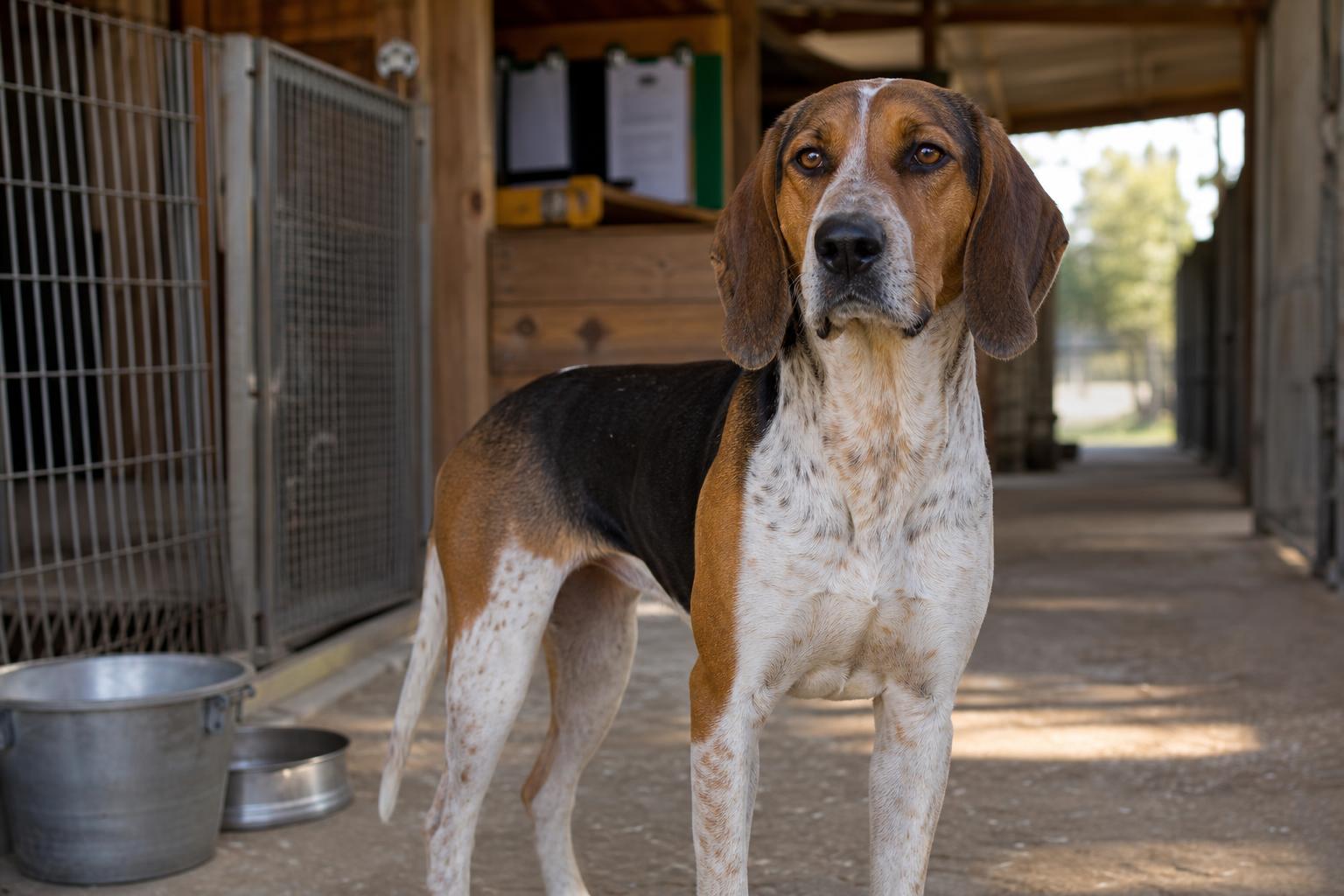
An English Coonhound proven female can be a valuable purchase for the right buyer, but she deserves careful evaluation. This breed is known for speed, endurance, scenting ability, a strong treeing instinct, and the classic coonhound voice. A female that has already raised a healthy litter may offer insight that a puppy or unbred young adult cannot: how she handles motherhood, what kind of pups she produces, and whether her temperament and working traits seem consistent enough to build around.
At the same time, “proven” should not be treated as a magic word. It does not automatically mean the female is a bargain, a future foundation dog, or a guaranteed producer. The buyer should verify what she has actually done, how her previous litters turned out, why she is being sold, and whether her age, health, and breeding history support the plans being discussed. With an English Coonhound, that means looking at both home temperament and practical hunting traits such as nose, track style, stamina, tree sense, handle, and voice.
What “Proven Female” Means for an English Coonhound
In common breeding language, a proven female is a female that has successfully produced at least one litter. For an English Coonhound, the most useful proof goes beyond the fact that puppies were born. Stronger evidence includes a healthy whelping, appropriate maternal care, pups that grew well, and follow-up information showing how those pups developed as companions, hunters, or breeding prospects.
Ask the seller to separate facts from opinion. A factual record might include dates bred, whelping date, litter size, number of live puppies, any veterinary support needed, puppy placement notes, and updates from owners. Opinion can still matter, especially from experienced houndsmen, but it should be supported by details you can check.
Production Record and Previous Litters
The production record is the center of the conversation. A useful English Coonhound proven female file should tell you how many litters she has had, how many puppies were born and raised, who the sires were, and what is known about the offspring. For a working hound, pay close attention to consistency. Did multiple pups show good noses, desire to hunt, natural treeing behavior, and enough independence to work a track? Did they also show the kind of handle and social temperament that makes them livable?
- Ask for litter dates, litter sizes, and puppy survival numbers.
- Request contact information for prior puppy buyers when appropriate.
- Look for patterns in the pups, not just one standout youngster.
- Compare each sire used so you do not credit the female for traits that may have come mainly from one male.
If the seller claims the female produces hard-going competition dogs, family-safe hunting companions, or unusually early starters, ask for examples. Photos at a tree, hunt records, owner updates, and trainer notes can help, but remember that not every English Coonhound buyer competes. The goal is to understand what she reliably contributes.
Maternal Ability
Maternal ability matters because a female that raises pups calmly and consistently can reduce stress for the breeder and give puppies a better start. Ask whether she settled well during pregnancy, whelped naturally or required veterinary assistance, cleaned and nursed her pups, accepted normal handling around the litter, and maintained condition while nursing. None of these details guarantee the next litter will be trouble-free, but they help build a realistic picture.
For a breed as energetic and vocal as the English Coonhound, also ask how she behaves in the kennel and home around pups. A good dam is not merely fertile; she is stable, attentive, and manageable. If you are buying her for future breeding, her temperament under pressure may matter as much as her pedigree.
Age and Breeding History
Age is one of the most important practical factors in evaluating an English Coonhound proven female. A younger adult with one well-documented litter may offer more future flexibility than an older female with several litters behind her. On the other hand, an older female may have a clearer production record. The right choice depends on your goals, veterinary advice, and the individual dog.
Ask for her date of birth, heat cycle history, dates of prior breedings, number of litters, recovery after each litter, and whether any reproductive issues were noted. Avoid vague answers such as “she has always done fine” when a seller should be able to provide dates and specifics. If future breeding is part of the purchase value, arrange a veterinary reproductive exam before closing the deal or make the sale contingent on acceptable findings.
Health Clearances and Veterinary Records
Do not assume every registry, test, or clearance applies equally to every English Coonhound line or every breeding program. Instead, ask what the breeder tracks, what the veterinarian has documented, and what records are available. At minimum, you should review vaccination history, deworming and parasite prevention, reproductive records, any prior whelping notes, and general wellness exams.
Some buyers may also ask about OFA evaluations, DNA testing, or other screening when relevant to the line or registry goals. If those items are advertised, verify them directly through certificates, databases, or the issuing organization rather than relying on casual statements. If they are not available, ask why and decide whether the absence fits your risk tolerance and intended use.
Temperament and Everyday Management
An English Coonhound female should be evaluated in the kennel, on lead, around people, and, when safe, in a hunting or exercise setting. This breed is typically friendly and social, but it is also scent-driven, independent, and vocal. A proven female with a pleasant off-switch, steady nerves, and good human tolerance is easier to live with and often easier to manage around future litters.
- Watch how she greets strangers and recovers from excitement.
- Ask about her noise level, kennel manners, and behavior during heat cycles.
- Discuss prey drive and safety around small pets or livestock.
- Confirm how she handles transport, tie-outs, crates, and routine care.
Pedigree Strength and Working Proof
Pedigree matters, but it should not be the only reason to buy. The English Coonhound has deep hunting roots, and many buyers care about track speed, accuracy, tree style, endurance, and voice. Study the pedigree for dogs you recognize, but also ask what those dogs actually produced. A famous name several generations back is less useful than a clear explanation of what traits appear repeatedly in close relatives.
Working proof can take many forms. Some English Coonhounds have competition or hunt records; others are valued by hunters who do not campaign their dogs publicly. If hunt tests, trial records, or registry titles are mentioned, verify them through the proper organization. If no formal record exists, ask for references from people who have hunted with the female or her offspring. For this breed, honest field descriptions are often more valuable than polished sales language.
Fertility Considerations
Fertility is part of value, but it is never something to overpromise. Ask whether she settled by natural breeding, live cover, artificial insemination, or another method, and whether progesterone timing or veterinary assistance was used. If the seller mentions frozen semen or AI as part of a future plan, confirm that the necessary veterinary support and documentation are realistic for your location and registry needs.
A female that has missed a breeding, needed a C-section, had small litters, or required intensive support is not automatically a poor purchase. Those facts simply change the evaluation. Price, contract terms, and future expectations should reflect the actual history rather than an idealized version of her production potential.
Fair Purchase Evaluation
Fair value for an English Coonhound proven female depends on age, health, production record, pedigree, working ability, temperament, and what rights are included. Avoid exact price assumptions without current market research. A female with documented healthy litters, good offspring reports, strong working proof, and stable temperament may command more than a female sold mainly on pedigree. A female nearing the end of her breeding career may still be valuable as a hunting dog or companion, but her reproductive value should be viewed cautiously.
- Clarify whether registration papers, breeding rights, and health records transfer.
- Ask why she is being sold and whether there are known limitations.
- Use a written agreement that covers payment, possession date, guarantees if any, and return terms.
- Have your veterinarian review records before assigning breeding value.
Red Flags When Buying an English Coonhound Proven Female
Be cautious if a seller cannot provide prior litter details, refuses reasonable veterinary review, exaggerates future earnings, or claims every pup will hunt a certain way. Also be wary of pressure to buy immediately, unclear ownership of registration papers, unexplained gaps in breeding history, or a female presented as proven with no documentation beyond verbal claims.
Buyer-Focused Conclusion
The best English Coonhound proven female purchase is built on verification, not hope. Look for a female whose record matches your goals: sound health, clear breeding history, stable temperament, honest working proof, and offspring that show useful traits. Take the time to study her prior litters, speak with references, review veterinary information, and use a written agreement. When the facts line up, a proven female can be more than a brood prospect; she can be a meaningful part of a thoughtful English Coonhound program.
Explore English Coonhound on Working Dog Central
View the English Coonhound breed profile or browse English Coonhound listings.


