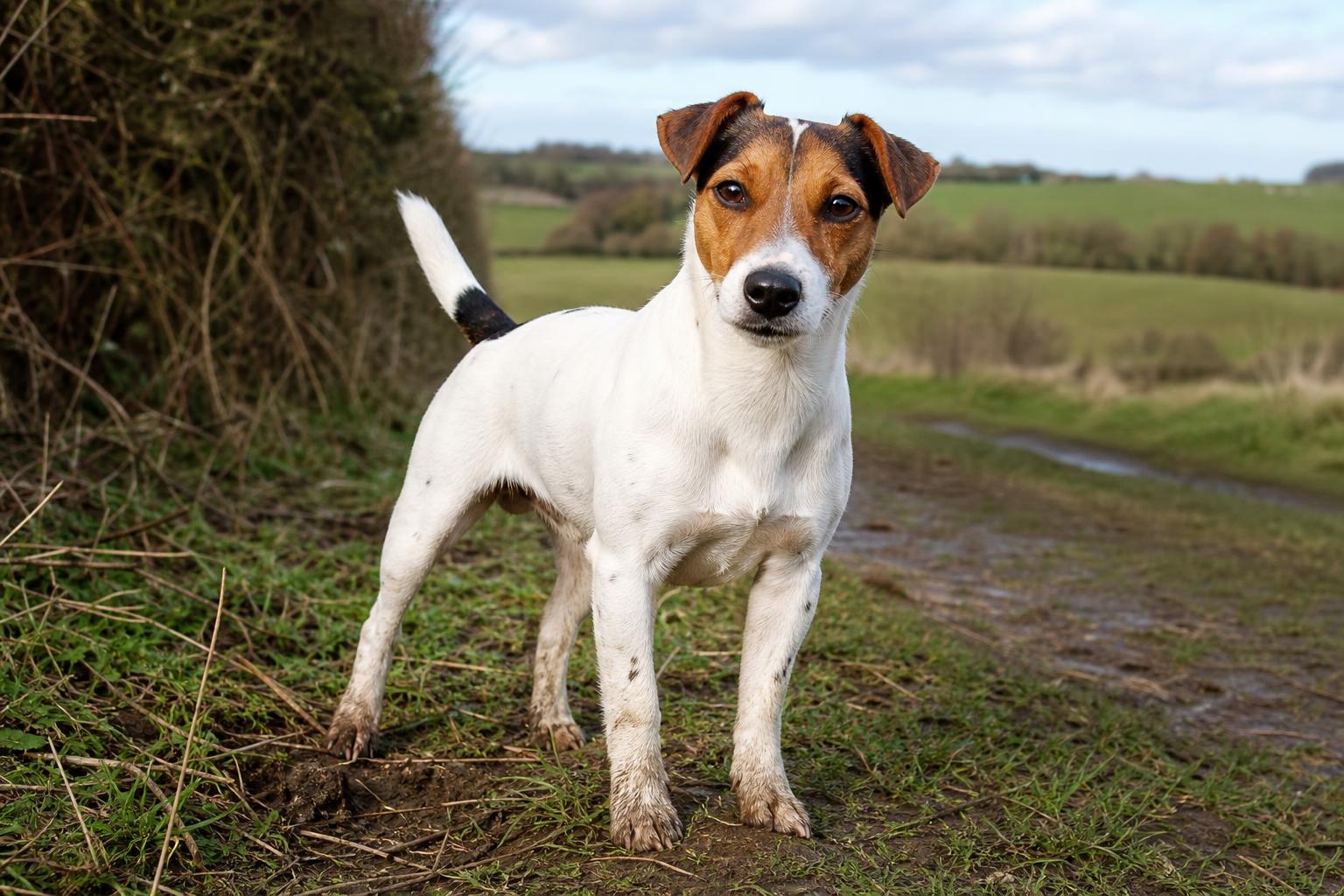
The Jack Russell is a small terrier with a very large working-dog attitude. Developed from fox hunting terriers associated with Reverend John Russell in 19th-century England, this breed was built to be quick, brave, vocal, and agile enough to follow quarry into tight spaces. That history still matters today. Even when a Jack Russell is kept primarily as a companion, many of the traits buyers notice first—high energy, curiosity, digging, chasing, problem solving, and confidence—come directly from its working background.
For the right owner, the Jack Russell is funny, affectionate, durable, and endlessly entertaining. For the wrong home, it can feel like too much dog in too small a package. This breed guide is written for buyers who want a realistic picture before they fall for the bright eyes and compact size. A good Jack Russell is not a couch ornament. It is an active, intelligent terrier that needs training, exercise, supervision, and a household that enjoys a dog with opinions.
Breed History and Original Purpose
The Jack Russell Terrier traces its roots to England and to Reverend John, or Jack, Russell, a fox hunter who wanted a terrier that could work with hounds and enter dens when needed. The goal was not simply a small pet dog. The early terriers needed stamina, courage, enough voice to be useful underground, and a build that allowed them to maneuver in confined spaces. Predominantly white coats helped hunters distinguish the dog from quarry in the field.
Over time, related Russell-type terriers developed into somewhat different registry categories. Some kennel clubs distinguish the Jack Russell Terrier from the Parson Russell Terrier and the Russell Terrier based on proportions and breed standards. Buyers should verify the registry, standard, and pedigree terms used by each breeder rather than assuming every Russell-type terrier is registered or classified the same way.
Size, Build, and Appearance
The Jack Russell is compact, muscular, and athletic. Selector breed facts describe a dog generally around 10 to 15 inches at the shoulder, with a strong, functional outline rather than a fragile toy-dog frame. Many examples are slightly longer than tall, with straight forelegs, a moderate chest, and the flexibility needed for traditional go-to-ground work.
Coats may be smooth, rough, or broken. All three should be dense and practical rather than decorative. Color is typically white or predominantly white with black, tan, or brown markings. Grooming needs are usually manageable, but rough and broken coats may need more regular attention, including brushing and occasional hand-stripping or trimming depending on the individual coat and owner preference.
Temperament: Bold, Busy, and People-Oriented
Jack Russells are known for being alert, curious, and fearless. Many are affectionate with their families and enjoy being involved in daily life. They can be wonderful companions for active people because they are quick learners, playful, and often eager to join hikes, training games, sports, and outdoor chores.
The same confidence that makes the breed appealing can also create challenges. Jack Russells may be single-minded when prey drive is triggered. They may chase, dig, bark, or investigate anything that moves. Some are social with other dogs, especially when well raised and well managed, but buyers should not assume automatic compatibility with unfamiliar dogs, cats, poultry, rabbits, or other small animals. Careful introductions and supervision matter.
Exercise and Lifestyle Fit
Exercise is not optional for this breed. A Jack Russell usually needs brisk daily activity plus mental work. Walks help, but many dogs also need training sessions, scent games, puzzle feeders, tug, fetch, agility-style play, barn hunt or earthdog-style outlets, or other structured jobs. Without those outlets, a bored Jack Russell may create its own entertainment by digging, barking, escaping, chewing, or policing the household.
This breed can live in different housing situations, including apartments, but only when the owner is serious about activity and noise management. A fenced yard is useful but not a substitute for training. Secure containment is especially important because many Jack Russells are talented climbers, diggers, and gap-finders. Outdoor time should be supervised, and fences should be checked for weak spots.
Training Priorities
Training should begin early and stay consistent. Jack Russells learn quickly, but they also learn loopholes quickly. Short, upbeat sessions usually work better than long, repetitive drills. Food, toys, tug, and chase games can all be useful rewards depending on the dog. Harsh corrections are generally counterproductive with a terrier that is both intelligent and determined.
Skills every owner should build
- Reliable recall: Practice on leash and long line before trusting the dog in open areas.
- Impulse control: Teach waiting at doors, settling on a mat, and disengaging from distractions.
- Leash manners: A small dog can still be difficult if it lunges, barks, or hunts constantly on walks.
- Handling comfort: Grooming, nail trims, ear checks, dental care, and veterinary handling are easier when taught early.
- Appropriate outlets: Channel digging, chasing, scenting, and problem solving into safe games instead of fighting the breed's instincts all day.
Health and Care Considerations
Many Jack Russells are sturdy, long-lived dogs, but responsible buyers should still ask informed health questions. Breed facts identify eye concerns as an important area, including breeder attention to inherited risks such as primary lens luxation and some ataxias in certain lines. Rather than assuming a specific dog is clear, buyers should ask the breeder or seller what testing has been done, which laboratory or registry recorded it, and how results are used in breeding decisions.
OFA evaluations, DNA testing, and formal eye screening may or may not be available for a particular dog or breeding program, so the safest approach is verification. Ask for documentation, not verbal reassurance. A responsible breeder should be comfortable explaining health risks in the breed, sharing relevant records, and discussing why a particular pairing was made.
Daily care is straightforward but important. Keep the dog lean, because extra weight is hard on an active terrier's joints and stamina. Maintain dental care, trim nails regularly, and check ears and skin. Owners should also manage high-impact play thoughtfully, especially with puppies and young dogs that are still developing.
Buying a Jack Russell Puppy or Adult
Buyers should prioritize temperament, health practices, and realistic breeder guidance over markings, coat type, or the smallest size. Ask how the puppies are raised, what the parents are like, how the breeder evaluates drive and sociability, and what support is offered after the sale. If registry status matters to you, verify exactly which registry applies and whether the dog is registered as a Jack Russell Terrier, Russell Terrier, Parson Russell Terrier, or another related classification.
For adult dogs, ask why the dog is available, how it behaves around other dogs and small animals, whether it has escape habits, and what training has already been established. A well-started adult Jack Russell can be a terrific choice for the right home, but buyers should evaluate the dog in practical situations instead of relying only on a short description.
Best Homes for the Breed
The best Jack Russell homes are active, structured, and good-humored. This breed fits owners who enjoy training and who can laugh at terrier cleverness while still maintaining rules. It is often a poor fit for people who want a quiet, low-maintenance dog or who expect a small breed to require little exercise. Families with children can do well when adults supervise interactions, teach respectful handling, and ensure the dog has safe rest space.
Buyer-Focused Conclusion
The Jack Russell is a vibrant, tough, intelligent terrier with a working heritage that still shapes everyday behavior. If you want an active companion for training, sports, outdoor life, and constant entertainment, this breed can be deeply rewarding. If you want a dog that mostly blends into the background, look carefully before committing. The smartest Jack Russell purchase is not based on color, coat, or impulse. It is based on verified health information, stable temperament, honest breeder or seller communication, and a realistic plan for exercise, training, and secure management.
Explore Jack Russell on Working Dog Central
View the Jack Russell breed profile or browse Jack Russell listings.


