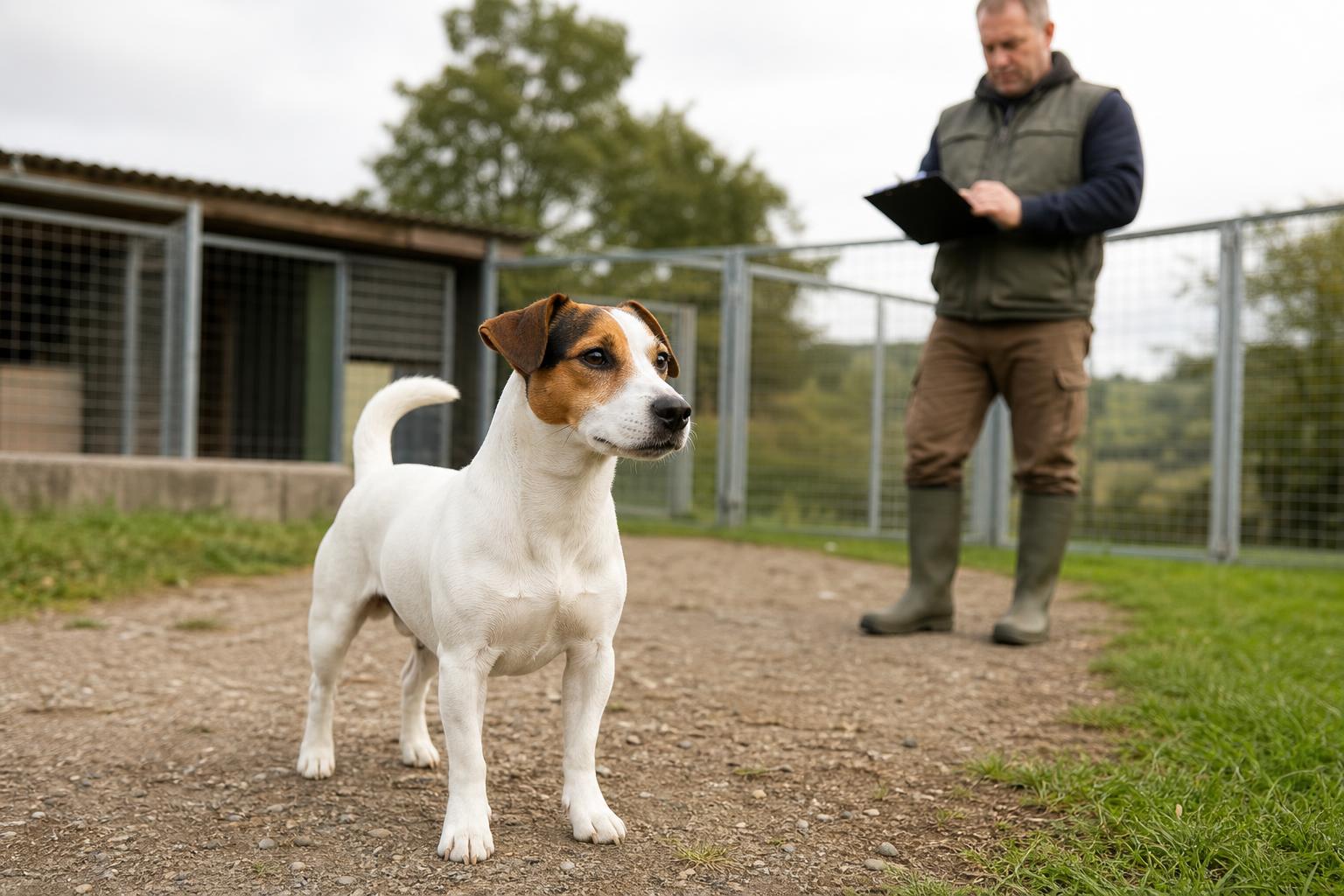
The Jack Russell is a small, athletic terrier with a big working history. Developed from hunting terriers associated with Reverend John Russell, the breed was built to be bold, agile, and persistent enough to work around fox hunting and farm vermin control. For anyone researching Jack Russell stud dogs, that background matters. A good stud choice is not just about a handsome dog or a familiar name in a pedigree. It is about finding a male whose health, temperament, structure, drive, and genetic background make sense for the female and for the kind of puppies the breeder hopes to produce.
Because the Jack Russell can vary by registry type and working tradition, buyers should begin with verification. Some organizations distinguish the Jack Russell Terrier from the Parson Russell Terrier or Russell Terrier, and standards may differ in proportion, height, and working emphasis. Before discussing a breeding, confirm how the stud is registered, what type he represents, and whether that matches the goals for the litter. If registration, show records, hunt records, or sport titles are important to the breeding plan, ask to see documentation rather than relying on advertising language.
Health Clearances to Discuss Before Breeding
Responsible Jack Russell breeding starts with health transparency. Many Jack Russells are sturdy and long-lived, but the breed has known inherited risks, especially involving eyes and some neurologic conditions. Stud owners should be willing to discuss what testing has been completed, what the results mean, and how the dog’s family history has been considered. A buyer should not expect vague promises such as “healthy lines” to replace actual records.
- Ask for copies of veterinary and genetic testing records where available.
- Confirm that the stud is physically mature and in breeding condition.
- Discuss any known eye, neurologic, orthopedic, dental, or reproductive concerns in the dog or close relatives.
- Ask how the stud owner evaluates temperament, especially prey drive, dog sociability, confidence, and trainability.
Health clearances do not guarantee perfect puppies, and no ethical breeder should present them that way. They are tools for reducing risk and making informed decisions. The best stud owners are usually comfortable explaining both the strengths and limitations of their dogs.
OFA and Other Record Verification
OFA records can be useful when evaluating a Jack Russell stud dog, particularly when results are publicly listed or when the stud owner can provide official documentation. Depending on the program used, records may include orthopedic, eye, cardiac, patella, or DNA-related information. Not every legitimate working terrier will have the same set of records, and not every registry requires the same tests. The key is to verify what exists and understand how it applies to the breeding.
When a listing mentions OFA, ask for the dog’s registered name, registration number, or a direct record link if available. Compare the details to the stud contract and to any pedigree information supplied. If a result is preliminary, private, pending, or unavailable, ask the stud owner to clarify. A careful breeder will not be offended by documentation requests; they are a normal part of responsible breeding due diligence.
DNA Testing for Jack Russell Stud Dogs
DNA testing can be especially relevant in this breed because some lines are screened for conditions such as primary lens luxation and inherited ataxias. The exact testing panel should be chosen with veterinary guidance and breed knowledge, not simply by using the cheapest mail-in kit. A stud advertised for breeding should have results that are understandable, traceable to the dog, and matched against the female’s results when planning the litter.
For buyers, the most important question is not just whether a dog has been DNA tested, but how the results affect breeding decisions. Clear, carrier, and affected statuses have different implications depending on the condition and the female’s genetic status. A carrier dog is not automatically unsuitable, but he must be paired responsibly. If the stud owner cannot explain the results or refuses to share them, consider that a warning sign.
Temperament, Drive, and Working Suitability
A Jack Russell stud should represent more than a pedigree on paper. This breed is known for confidence, curiosity, energy, and a strong prey drive. Those traits can be assets in active homes, terrier work, agility, barn hunt, scent games, and other structured activities. They can also become difficult for owners who are unprepared. When choosing a stud, consider what kind of temperament he is likely to pass along.
- Does he recover quickly from pressure or new situations?
- Is he social and manageable around people?
- How does he behave around other dogs?
- Does he show useful drive without being frantic or unstable?
- Can he settle when nothing is happening?
If the intended puppies are for active family homes, sport homes, working terrier homes, or a mix of those, the stud’s temperament should match that reality. A flashy, intense dog may not be the right choice for every breeding. Likewise, a mild companion-type dog may not suit a breeder trying to preserve strong working traits.
Pedigree Analysis: More Than Famous Names
Pedigree analysis is one of the most important parts of selecting Jack Russell stud dogs. A strong pedigree is not just a list of recognizable dogs. It should help the breeder understand consistency, type, health patterns, temperament tendencies, working ability, and how closely related the proposed pair may be. Ask the stud owner what they know about the dog’s parents, grandparents, siblings, and previous offspring if he has already been used.
Useful pedigree questions include whether close relatives share the same strengths, whether any health problems have appeared repeatedly, and whether the stud has produced puppies similar to himself. If linebreeding is involved, ask why that choice is being made and what risks have been considered. If the cross is an outcross, ask what traits the breeder hopes to bring in and what uncertainty may come with it. Good pedigree analysis balances ambition with caution.
Frozen Semen, Live Cover, and Artificial Insemination
Breeding logistics should be discussed early. Some Jack Russell stud dogs may be available for live cover, some may have chilled or frozen semen available, and some may not be available outside a limited program. Do not assume availability based on a listing. Confirm options directly with the stud owner and consult a reproductive veterinarian before making plans.
Live Cover
Live cover may be practical when the dogs are nearby and both owners are comfortable with the arrangement. It still requires planning. The female should be healthy, current on appropriate veterinary care, and timed carefully. Both parties should agree on handling, boarding, liability, repeat breeding terms, and what happens if the breeding does not take.
Artificial Insemination and Semen Shipping
Artificial insemination can expand access to a stud but adds cost, timing pressure, and veterinary coordination. Chilled semen requires precise scheduling, while frozen semen depends on collection quality, storage, shipping arrangements, and an experienced veterinarian. Before committing, verify that semen actually exists, that ownership and release rights are clear, and that the contract explains who pays for collection, shipping, storage, insemination, and related veterinary work.
Stud Contracts and Fair Terms
A written stud contract protects both sides. It should identify the stud dog and female, list the agreed fee or puppy-back arrangement, define what counts as a completed breeding, and explain any repeat service terms if pregnancy does not occur. It should also cover registration paperwork, health documentation, timing, veterinary costs, semen handling, and responsibilities for each party.
Be cautious of handshake-only deals, pressure to decide immediately, or contracts that avoid important details. A fair contract is specific without being confusing. It should also make clear that the breeder of the litter remains responsible for puppy placement, care, and buyer support. Using a quality stud does not transfer that responsibility to the stud owner.
Evaluating Value and Avoiding Red Flags
The best Jack Russell stud dog is not necessarily the most expensive, the closest, or the most heavily advertised. Value comes from suitability. A buyer should weigh health testing, temperament, structure, working or sport aptitude, pedigree fit, fertility history, and the professionalism of the stud owner. If the dog has produced litters before, ask what is known about the puppies as they matured.
- Avoid listings that make health guarantees without documentation.
- Be cautious if the stud owner cannot explain registry status or pedigree details.
- Do not accept exact claims about fertility, puppy quality, or future performance as guarantees.
- Walk away from pressure tactics or refusal to provide a written agreement.
- Verify AKC, UKC, breed club, hunt, sport, OFA, DNA, and reproductive records when those claims are made.
Conclusion: Choose the Stud That Fits the Breeding Goal
Choosing among Jack Russell stud dogs requires patience and honest evaluation. This breed’s charm comes from its courage, intelligence, athleticism, and terrier intensity, but those same traits must be bred with care. Start with the female’s strengths and weaknesses, define the purpose of the litter, and then look for a stud who complements that plan. Verify health clearances, review OFA or other records where applicable, understand DNA results, study the pedigree, and put breeding terms in writing.
A thoughtful stud choice will not guarantee a perfect litter, but it can greatly improve the odds of producing Jack Russells with sound bodies, stable temperaments, and the lively working character that makes the breed special. For buyers and breeders, the right question is not “Is this a good dog?” but “Is this the right dog for this breeding?”
Explore Jack Russell on Working Dog Central
View the Jack Russell breed profile or browse Jack Russell listings.


