The Best Protection Dog Breeds
A good protection dog is not just a hard dog. That is the first thing worth saying, especially for folks who are new to working breeds and think protection starts and ends with size, bark, and muscle. In the real world, the best protection dog breeds are the ones that can read a situation, stay clear-headed under pressure, and remain trustworthy with their own people. A truly valuable protection dog has nerve, loyalty, sound training potential, and the kind of stability that cannot be faked.
Some looked the part but lacked the judgment to be dependable. Others were not flashy at first glance, yet had that rare mix of confidence and composure that makes a serious guardian. If you are looking for the best protection dog breeds, the goal is not simply finding a dog that scares strangers. The goal is finding a dog that can live closely with people, respond to training, and step forward only when needed.
That distinction matters. Protection is not random aggression. It is controlled, purposeful behavior built on genetics, temperament, and handling. For dog owners interested in working dogs, that should be the standard.
What Makes a Good Protection Dog?
Before talking breeds, it helps to understand what separates a protection dog from a watchdog or a naturally territorial pet. A watchdog raises the alarm. A protection dog has the nerve and physical ability to intervene if a threat becomes real. That does not mean every owner needs a dog trained for personal protection work, but it does mean the dog should have courage, biddability, and a stable temperament.
The best protection dog breeds tend to share a few traits. They bond deeply with their people. They are alert without being frantic. They are trainable enough to work under direction and serious enough to hold ground when things turn tense. They also need an owner who understands structure. A protection breed without leadership can become a liability in a hurry.
Give them a job, daily engagement, and fair training, and they often become extraordinary companions. Leave them idle, under-socialized, or confused, and even a good breed can go wrong.
German Shepherd
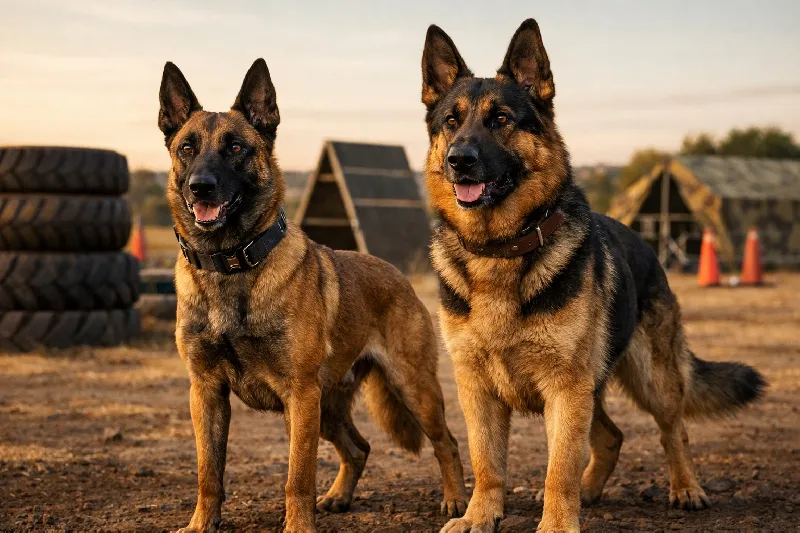
If there is one breed that continues to define practical protection work for the average owner, it is the German Shepherd. This dog has earned its reputation honestly. A well-bred German Shepherd combines intelligence, athleticism, loyalty, and enough defensive instinct to make a real impression. They are one of the most versatile working breeds on earth for a reason.
What makes the German Shepherd stand out is balance. Many are naturally protective without being impossible to live with. They can learn patrol-style obedience, household manners, and advanced control work while still fitting into an active family life. On a property line, they carry themselves in a way that tends to discourage trouble before trouble starts.
That said, breeding matters tremendously. Weak nerves, poor hips, and unstable temperaments have found their way into far too many lines. If you want a true protection prospect, look for proven working stock and a breeder who values health and temperament as much as appearance.
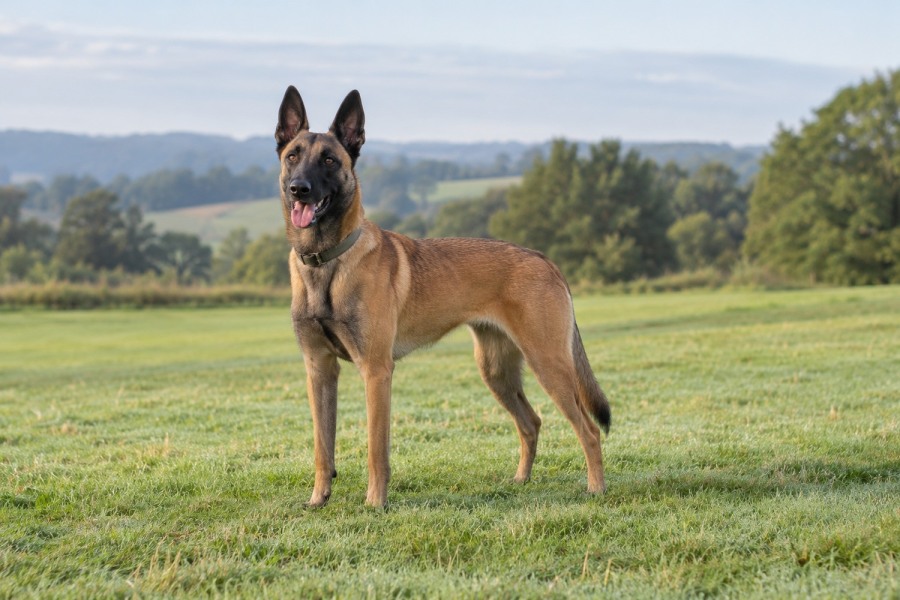
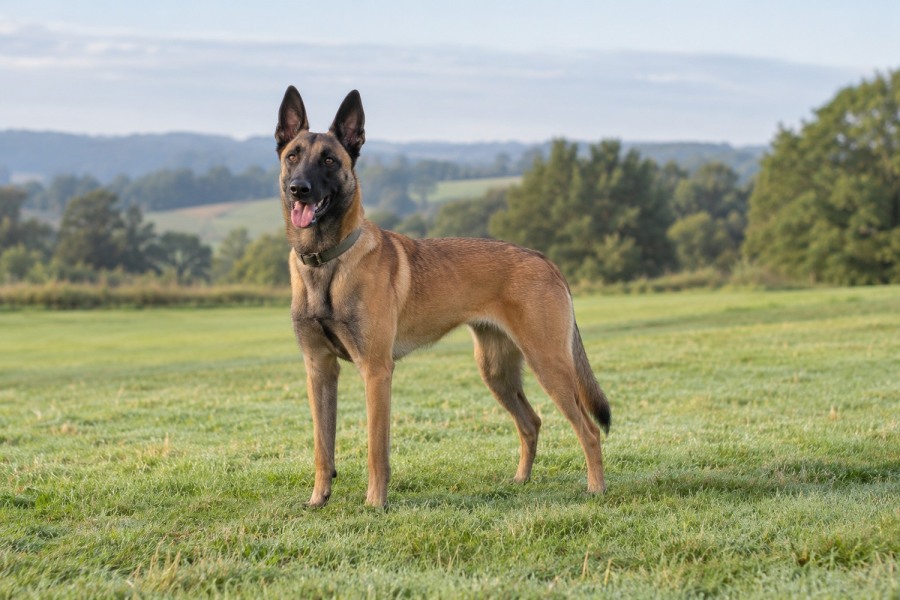
Belgian Malinois
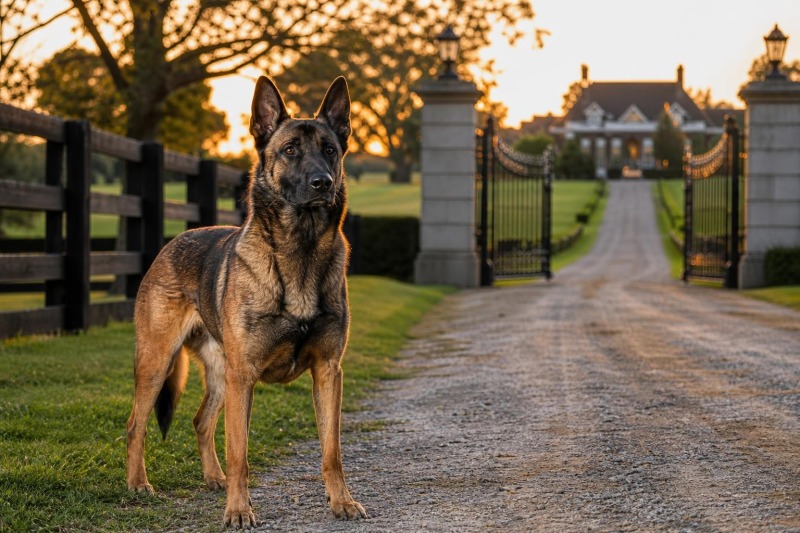
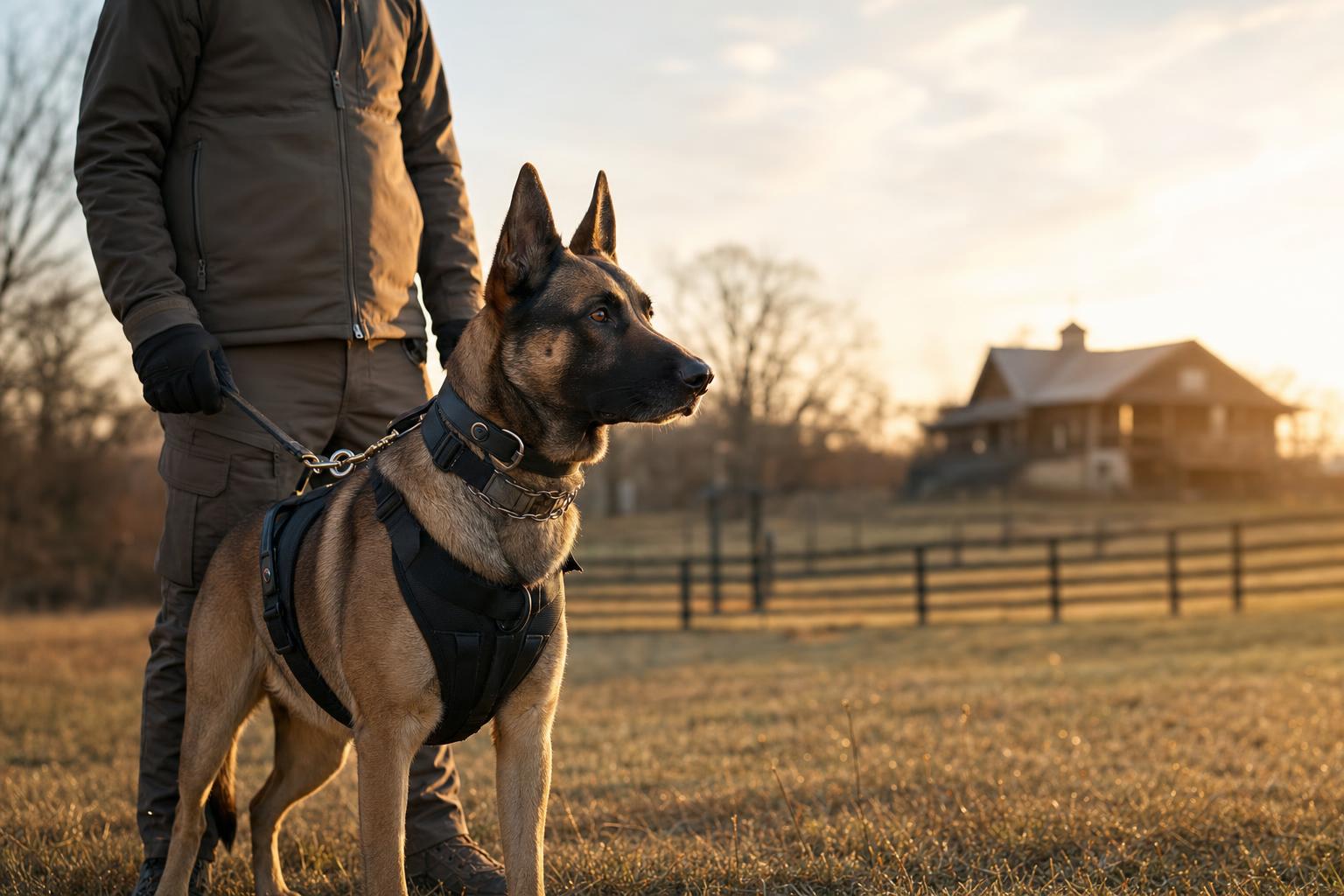
The Belgian Malinois has become a modern favorite in military, police, and serious sport circles, and with good reason. These dogs are fast, intense, highly trainable, and absolutely committed when they are switched on. A strong Malinois can be one of the most capable protection dogs a person will ever own.
This is a breed that thrives on work, structure, and daily mental challenge. They are sharp, energetic, and often far more dog than a casual owner expects. In the right hands, they are brilliant. In the wrong home, they can be restless, destructive, and difficult to manage.
For experienced handlers who want a serious protection breed with speed and responsiveness, the Malinois is hard to top. For first-time owners, it is often wiser to admire them from a distance unless the household is prepared for the commitment.
Rottweiler
The Rottweiler brings a different style of protection, one built on power, confidence, and steadiness. A good Rottweiler does not need to be frantic or flashy to command respect. They often carry a calm authority that makes people think twice before crossing a line.
They are typically deeply loyal to family and can be excellent property guardians when bred and raised properly. They also tend to be physically imposing without relying on constant motion or nervous energy. There is substance to them, both mentally and physically.
Still, this is a breed that requires careful socialization and consistent leadership. A poorly managed Rottweiler can become stubborn, overly suspicious, or difficult to control. A well-trained one, on the other hand, can be among the best protection dogs for owners who want a dependable guardian with strong nerves and a level head.
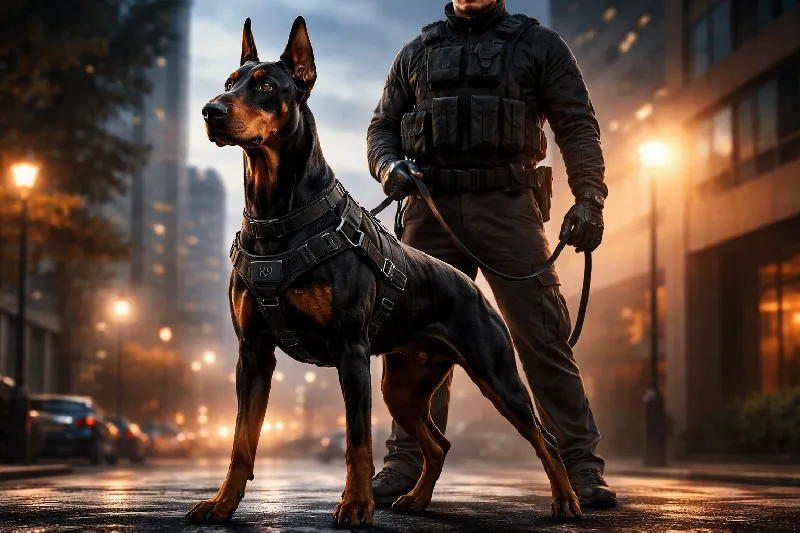
Doberman Pinscher
The Doberman Pinscher remains one of the classic personal protection breeds, and for good reason. They are elegant, athletic, and intensely people-oriented. Unlike some guardian breeds that prefer watching from a distance, the Doberman often wants to be right there with its owner, reading the room and staying connected.
That closeness can make the breed especially effective in personal protection roles. Dobermans are quick, responsive, and naturally alert. When properly trained, they combine speed and precision with a strong desire to work with their handler. They are often easier to manage in the home than some heavier guardian breeds, provided they get enough exercise and engagement.
The key again is breeding. A solid Doberman should be confident, not nervy. They should be discerning, not unstable. If you want one for protection, avoid lines that have sacrificed working character in favor of looks alone.
Giant Schnauzer
The Giant Schnauzer is a breed more people should consider when they want a serious guardian with brains and grit. These dogs are powerful, territorial, intelligent, and often intensely devoted to their household. They are not as common as German Shepherds or Rottweilers, but they bring a great deal to the table for the right owner.
They can be assertive, and they need real handling, but they are also deeply capable working dogs with a history rooted in guarding and utility work.
They are not the easiest breed for a novice. They mature with a strong will, and if you get lazy with obedience, they tend to notice. Still, in experienced hands, a Giant Schnauzer can be one of the best protection dog breeds for a home that values both companionship and serious deterrence.
Cane Corso
The Cane Corso has gained tremendous popularity as a family guardian, and the best examples of the breed are impressive animals. This is a large, athletic mastiff with natural protective instinct and a strong sense of territory. A good Corso is watchful, loyal, and physically capable in a way that leaves no doubt about its purpose.
What owners need to understand is that the Cane Corso matures into a powerful dog that cannot be managed casually. Socialization must start early. Obedience has to be non-negotiable. Their instinct to guard can be an asset, but only when paired with control and clear leadership.
For rural homes, larger properties, and owners who appreciate a guardian that is both imposing and attached to family, the Cane Corso can be an excellent choice. It is not a breed for sloppy handling, but in a structured home it can be deeply reliable.
Other Breeds Worth Mentioning
There are other dogs that deserve a place in the conversation. The Bullmastiff, Beauceron, and Dutch Shepherd all have qualities that can suit protection-minded owners. Some livestock guardian breeds also offer powerful territorial instincts, though they are often a different type of guardian than the owner-focused protection breeds discussed above. The right choice depends on whether you want household protection, property defense, or a trainable dog for advanced protection work.
Choosing the Right Protection Breed for Your Home
The best protection dog breed for one owner may be the wrong dog entirely for another. That is where honesty matters. A high-drive Malinois may excel with a seasoned trainer and become a disaster in a suburban home with little structure. A Rottweiler or Cane Corso may be perfect for a confident, hands-on owner but too much dog for someone who wants a laid-back pet. A German Shepherd often offers the broadest middle ground, but even that breed demands time, training, and clear direction.
Think hard about your daily routine, your experience level, your property, and your goals. Do you want a visible deterrent? A family guardian? A trainable working partner? Those answers shape the breed decision more than hype ever should.
It also pays to remember that no breed can replace training. Genetics load the gun, but handling decides where the shot lands. Socialization, obedience, environmental confidence, and controlled exposure to the world are what turn instinct into useful behavior.
The best protection dog breeds are not simply the toughest or the biggest. They are the breeds that combine loyalty, courage, judgment, and trainability in a way that serves the home instead of disrupting it. The German Shepherd, Belgian Malinois, Rottweiler, Doberman Pinscher, Giant Schnauzer, and Cane Corso all belong near the top of the list, each with strengths that suit different kinds of owners.
A protection dog should give you peace of mind, not constant uncertainty. That comes from choosing the right breed, buying from the right breeder, and putting in the work after the dog comes home. When all three line up, there are few partners more dependable. A good protection dog watches quietly, learns its people, knows its ground, and when the moment comes, stands where lesser dogs back away.
That kind of dog is not built by reputation alone. It is built by blood, training, and the steady hand of an owner who respects what a real working dog is meant to be.