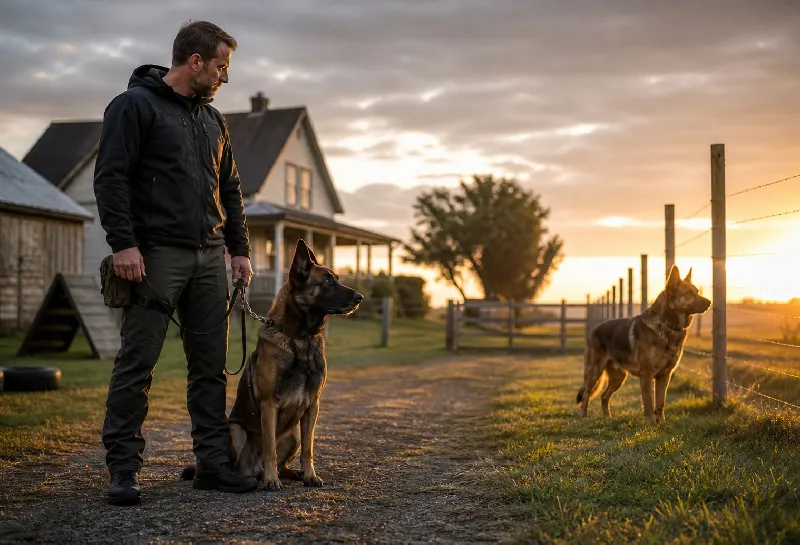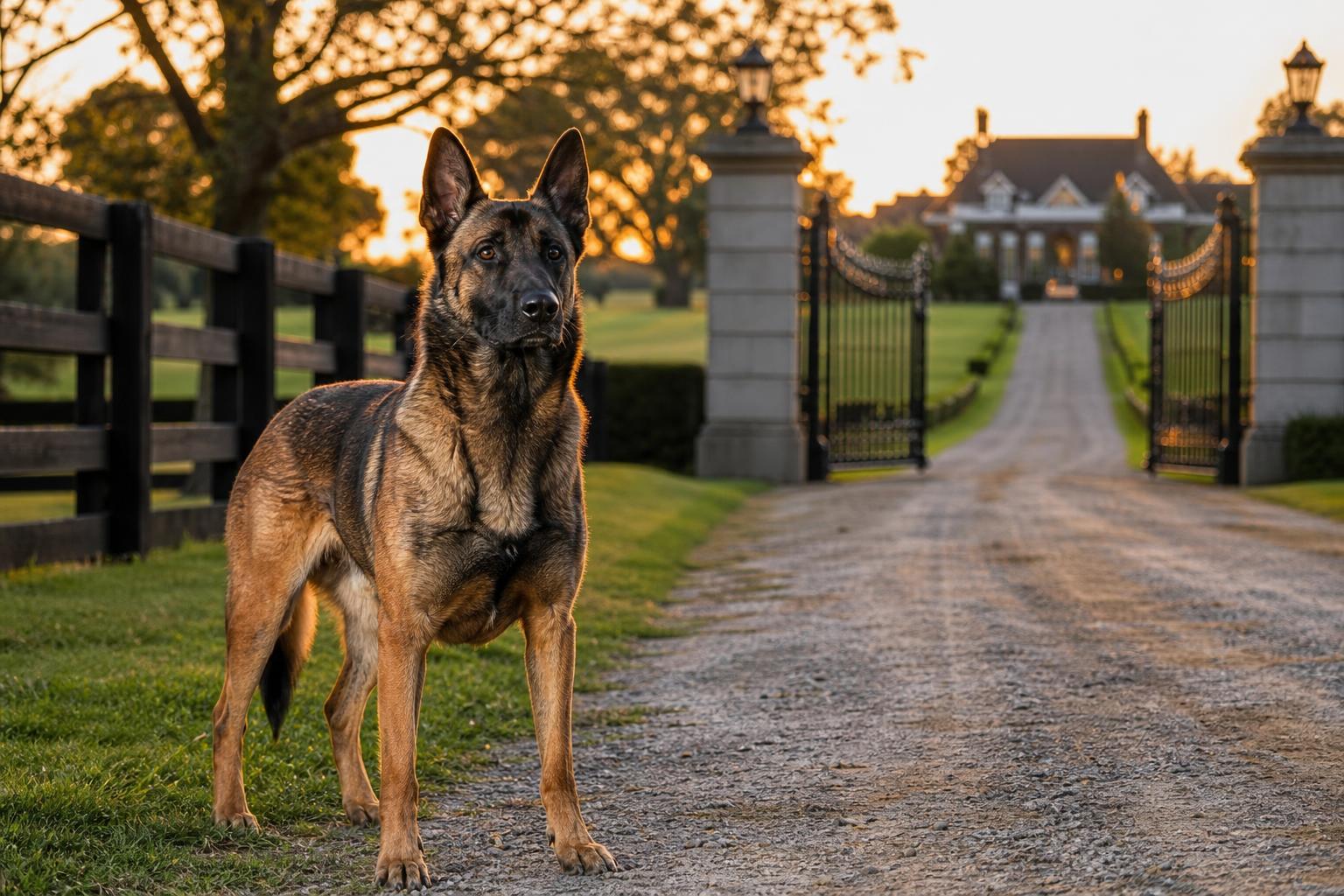
Property security starts with understanding the site, the people using it, and the risks involved. A guard dog adds daily responsibilities as well as a deterrent. Secure management, suitable temperament, and reliable handling need to be considered before choosing a dog.
That kind of ground creates opportunity for trespassers, thieves, and troublemakers. A serious estate guard dog closes some of those gaps. He patrols naturally, listens when the wind shifts, and notices when something is out of place long before most people would. That kind of awareness is not hype. It is one of the oldest and most dependable security tools a landowner can have.
Still, there is a big difference between a dog that looks impressive and a dog that truly contributes to property security. Size alone is not enough. Noise alone is not enough. A true estate guard dog needs the right mind first, then the right body, and finally the right handling. When those pieces come together, you get a dog that is both a deterrent and a dependable working partner.
What an Estate Guard Dog Actually Does
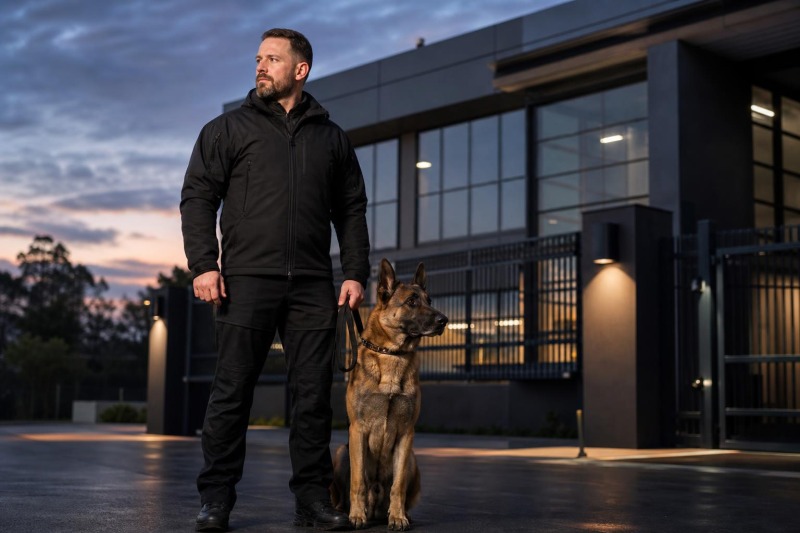
People often use the term guard dog loosely, but on an estate the role is more specific. This dog is not just there to bark at everything that crosses the road. He is there to monitor territory, alert with purpose, remain stable around family and approved guests, and, when properly trained, stand his ground under pressure. A reliable guard dog understands the difference between ordinary activity and a genuine threat.
That distinction matters. An unstable dog can create just as many problems as he solves. A good estate dog does not waste himself in constant chaos. He settles when the situation is normal and switches on when it is not. That calm control is what separates a serious working dog from a nervous backyard alarm.
On larger properties, these dogs also serve an important psychological function. Criminals look for easy opportunities. A visible, confident dog patrolling near gates, driveways, barns, and homes makes a property feel occupied, watched, and defended. In many cases, that alone is enough to prevent a break-in or trespass. The best protection is often the incident that never happens.
Deterrence, Detection, and Response
Those three words sum up the estate guard dog’s value. Deterrence comes from presence. Detection comes from the dog’s senses. Response comes from training and temperament. A camera may record a problem. A dog may prevent it entirely. That does not mean you should replace modern security tools with a dog, but it does mean the dog can become the center of a layered security plan.
For owners with kennels, livestock, equipment, or a home tucked back beyond the road, that layered approach makes all the difference. Dogs can monitor transitions between open ground and cover, between gate and porch, between barn lot and woods. They are especially useful in those dead spaces where a person can move unseen by the house but not unnoticed by a dog.
Choosing the Right Breed for Estate Security
Not every large dog is suited to estate protection. Some breeds are better watch dogs than guard dogs. Some are steady family companions but lack the nerve for real pressure. Others have plenty of intensity but too little judgment for a household setting. The right breed depends on your property, your experience, and what kind of protection you actually need.
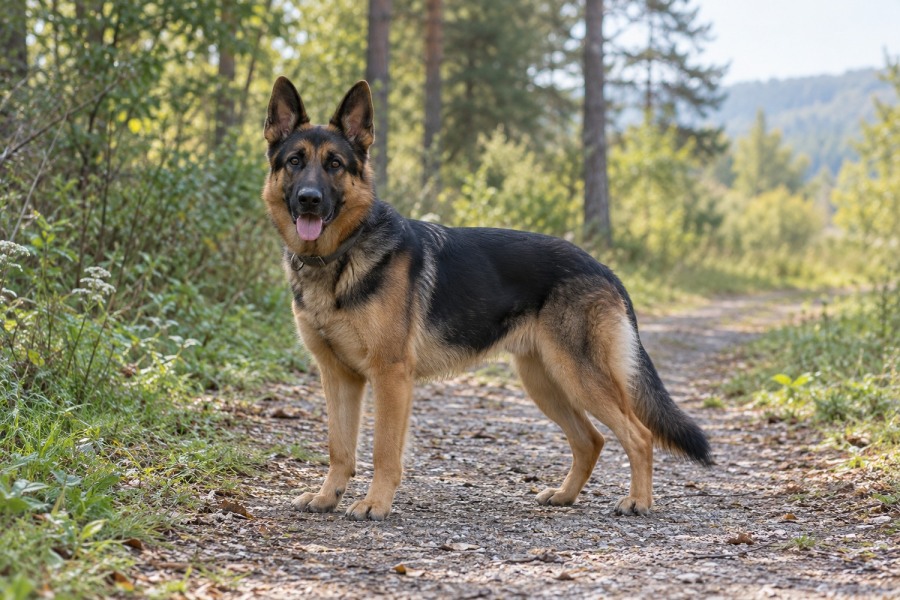
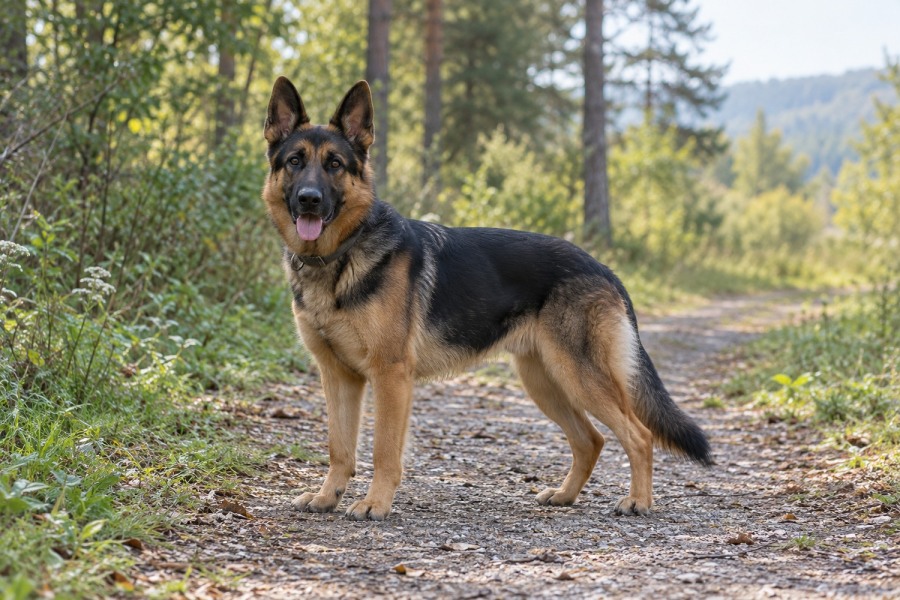
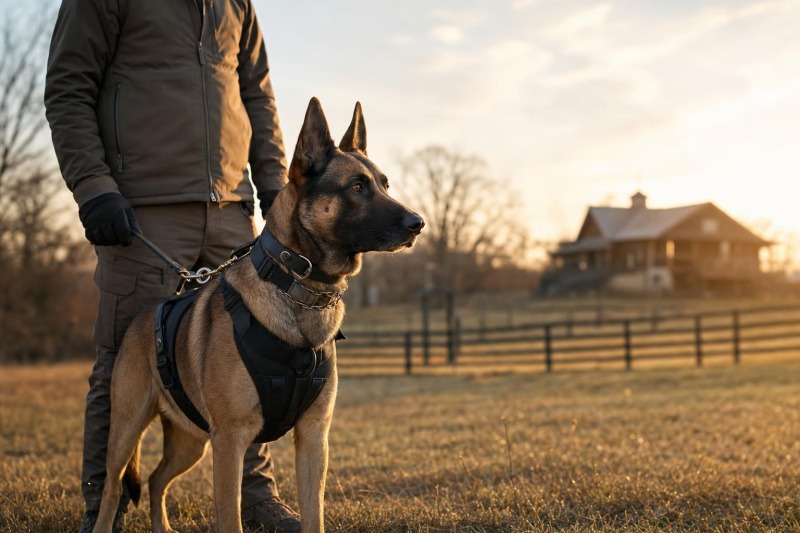
German Shepherds remain one of the most versatile choices for estate owners. A well-bred Shepherd combines intelligence, trainability, athleticism, and strong territorial instinct. They can cover ground, learn fast, and live closely with a family while still taking their responsibilities seriously. Belgian Malinois are another proven option, though they are often too much dog for casual owners. They are intense, quick, and highly capable, but they need proper work and structure every day.
For larger estates where visible deterrence matters, breeds like the Rottweiler, Giant Schnauzer, Doberman Pinscher, and Cane Corso often come into the conversation. Each brings a different style. Rottweilers tend to be powerful and grounded. Dobermans are alert, fast, and sharp in presentation. Cane Corsos project natural seriousness and territorial confidence. Giant Schnauzers, when well bred, offer drive, athleticism, and a hard-working nature that suits owners willing to stay engaged in training.
Then there are livestock guardian types, which can make sense for certain rural properties but should not be confused with traditional personal protection dogs. Great Pyrenees, Anatolian Shepherds, and similar breeds are excellent at guarding territory and stock, but they work in a different manner. They are often more independent, more perimeter-minded, and less handler-focused than classic estate protection breeds. In the right setting, they can be invaluable. In the wrong setting, they can be difficult to manage.
Temperament Matters More Than Reputation
Good breeders produce dogs with stable nerves, clear heads, and predictable drives. That is what you want. A flashy dog with weak nerves can become noisy, reactive, or dangerous for the wrong reasons. Estate security depends on confidence, not panic. The dog should be suspicious when appropriate, but never brittle or chaotic.
If children, guests, service workers, or kennel clients regularly come onto the property, stability becomes even more important. A true estate guard dog must be safe under control. He should be able to discriminate, settle, and take direction from his handler without confusion.
Training Turns Instinct Into Reliable Security
Natural guarding instinct is only the starting point. Without training, instinct can be sloppy, overblown, or misdirected. A dog that barks at every leaf is not helping you. A dog that cannot be called off is a liability. Proper estate protection work teaches boundaries, obedience, neutrality around normal activity, and controlled defensive behavior when necessary.
That process should begin with foundational obedience and environmental confidence. The dog needs to move across gravel, slick floors, open fields, dark barns, porches, gates, and vehicles without stress. He should be comfortable around livestock if the property includes them, and he should learn the difference between everyday motion and unusual pressure. Once that base is in place, protection training can be shaped with a qualified professional who understands working dogs, liability, and real-world application.
Mean is easy to create and hard to live with. What you want is confidence under authority. The best estate dogs are not wild-eyed animals looking for a fight. They are composed, observant, and decisive when the handler or circumstance calls for action. They know their job, and they know where the lines are.
The Value of Daily Management
Training sessions matter, but daily living matters just as much. A dog that guards an estate needs routine, clear rules, exercise, and regular exposure to the property he is expected to monitor. He should know the vehicle sounds that belong there, the people who belong there, and the patterns that are normal. The more familiarity he has with the property, the more quickly he can identify something unusual.
That is one reason estate dogs often thrive with owners who work their ground every day. The dog learns alongside the owner. He rides the fence line, checks the outbuildings, watches deliveries, and accompanies chores. Over time, that shared routine sharpens his understanding of place. He does not just guard a patch of land. He learns the rhythm of the property itself.
How Guard Dogs Fit Into a Broader Security Plan
No honest dog man should tell you a guard dog replaces locks, gates, lighting, and cameras. The smartest approach is to combine them. Good fencing channels movement. Cameras document activity. Motion lights expose it. A dog adds judgment and immediate presence. Put together, those layers make your property far more secure than any single measure alone.
On a well-run estate, the dog works best where human attention naturally drops off. Maybe that is the far equipment shed. Maybe it is the kennel block behind the main house. Maybe it is the side lane screened by timber, where a truck could pull in unseen from the porch. Those are the places where a dog earns his keep. He gives you time, warning, and often prevention.
Owners should also think about visibility. Sometimes the best dog is one that can be seen patrolling at the right times. Sometimes the best position is near a gate or courtyard where his presence alone sends a message. Estate security is not just about stopping a threat after it starts. It is about shaping behavior before someone commits to a bad decision.
Is an Estate Guard Dog Right for You?
That depends on your property and your willingness to handle the responsibility. A true estate guard dog is not yard art and not a casual pet with a scary bark. He requires training, structure, time, and a serious understanding of what ownership means. If you want a low-maintenance solution, a guard dog is probably not it. But if you value working ability, live on ground that benefits from an active canine presence, and are willing to invest in the right dog and the right training, few tools are more effective.
They were part of the daily life of the place. They knew the family, the land, the stock, the vehicles, and the routines. They rested with one eye open and moved with purpose when something changed. That kind of dog does more than protect buildings. He protects peace of mind.
For dog owners interested in working dogs, estate security is one of the clearest examples of function meeting partnership. A good guard dog is not driven by theatrics. He is driven by responsibility, breeding, training, and trust. On the right property, in the right hands, that is a powerful thing.