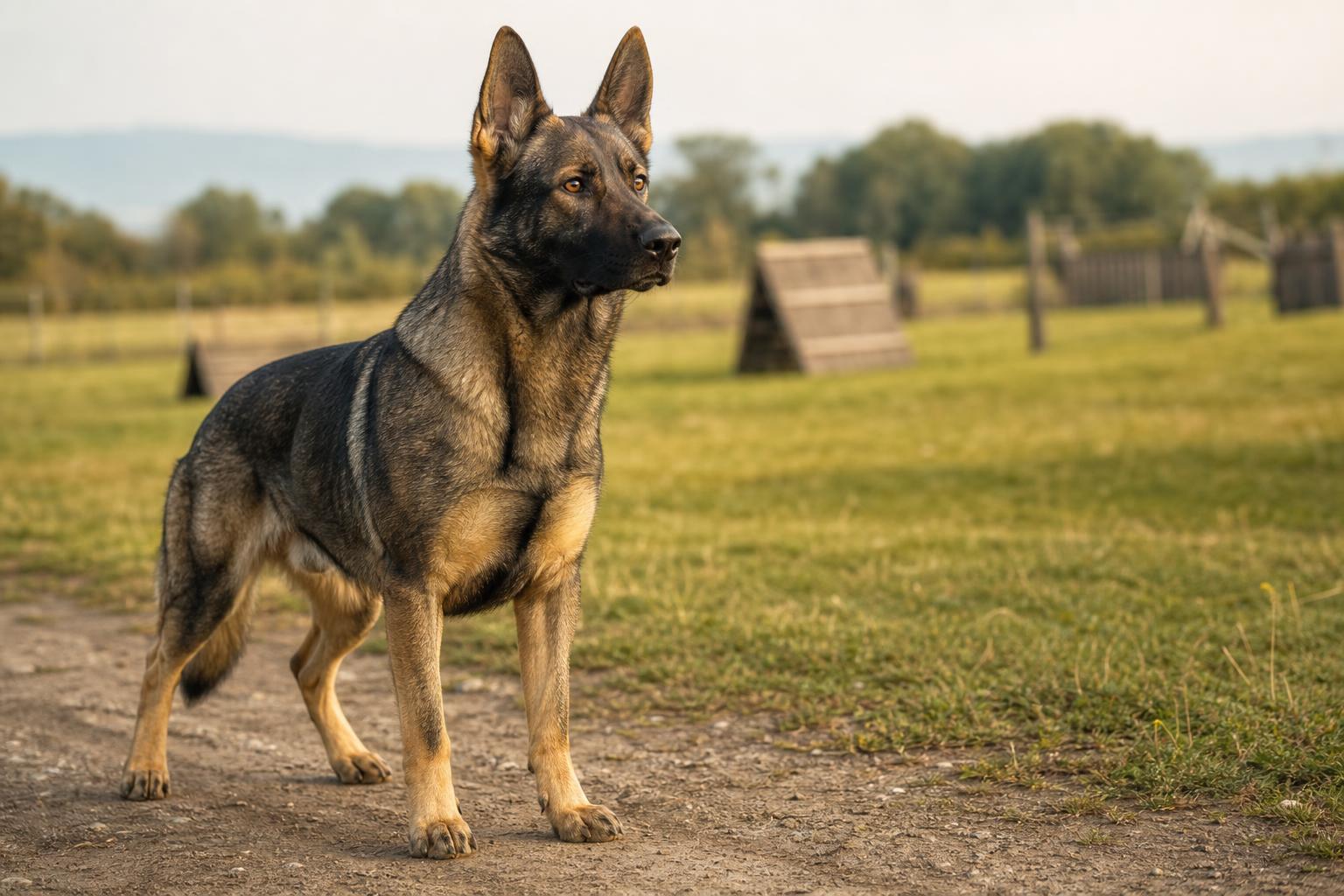
German Shepherd Working Lines: Built for Purpose
German Shepherd working lines reflect breeding choices made around particular performance goals. The label alone does not describe a dog’s temperament or suitability. Look at the family’s documented work, health information, and the individual dog in front of you.
A true working-line German Shepherd is not just a handsome dog with a dark saddle and a proud outline. He is usually a dog with stronger drive, tougher nerves, and a deeper need for meaningful activity than the average pet owner expects. The good ones carry themselves with intent. They notice everything, and if they are bred and raised right, they meet stress with clarity instead of panic.
What Defines German Shepherd Working Lines?
At the simplest level, German Shepherd working lines are bred for performance over appearance. That does not mean looks are ignored, but structure is valued because it supports endurance, athletic movement, and long-term soundness. Breeders who focus on working lines pay close attention to traits like hunt drive, food motivation, defensive instinct, trainability, environmental stability, and recovery after pressure.
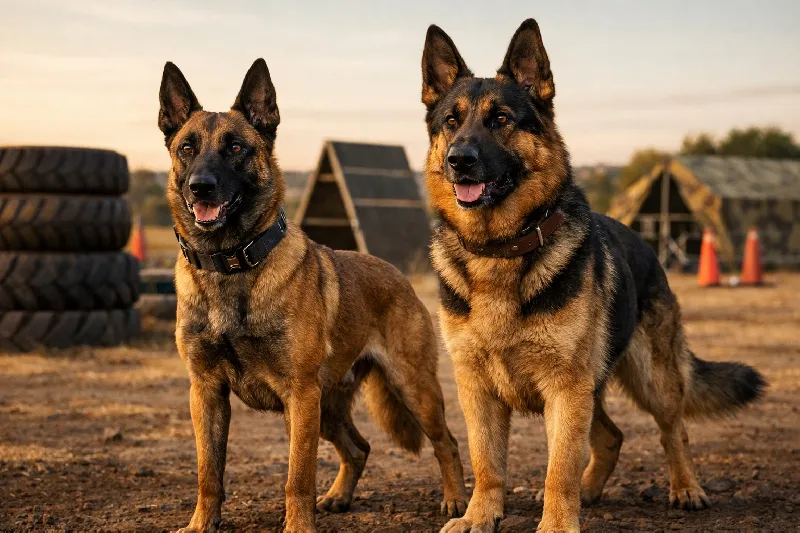
These dogs often come from bloodlines proven in protection sports, police work, military service, tracking, detection, search and rescue, or demanding farm and property work. In those circles, a dog cannot hide behind pedigree alone. He has to show that he can function. He has to grip with commitment, track with concentration, and settle when the job is done.
That is where many new owners get surprised. They hear “working line” and think it simply means energetic. It usually means far more than that. A working-line German Shepherd often wants a job in the same way a retriever wants a bird to hand or a hound wants a track. It is not a passing preference. It is built into the dog.
Working Lines vs Show Lines
The comparison between German Shepherd working lines and show lines comes up often, and for good reason. Show-line dogs are commonly bred with conformation goals taking center stage. Some are excellent dogs with steady temperaments, but the priorities can differ. Working-line breeders, at their best, are looking for dogs that can perform under stress and still remain manageable, biddable, and sound in the head.
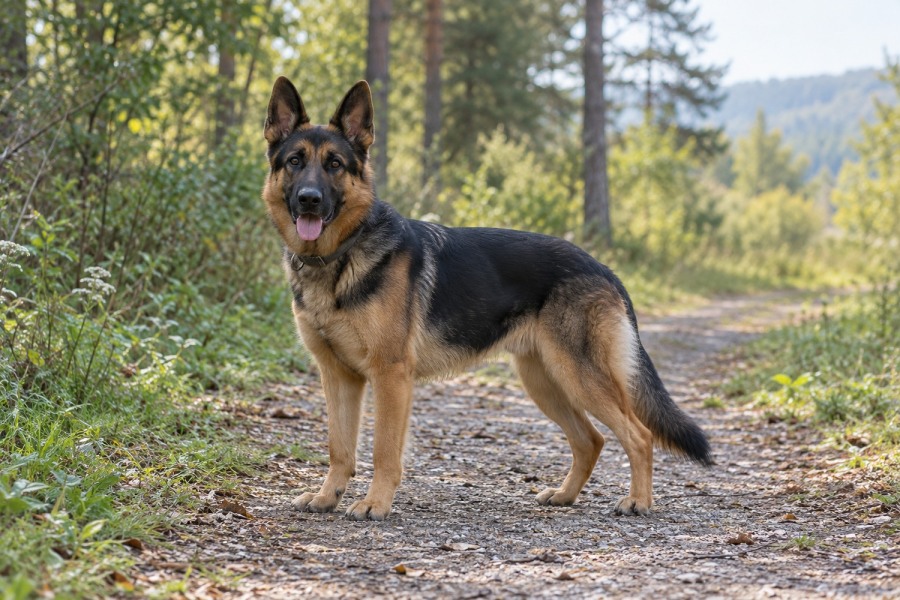
You may notice physical differences too. Working-line German Shepherds often have a more functional, athletic build and less exaggerated angulation. Their movement tends to look efficient rather than flashy. Their expression can seem more intense, and their overall presence often tells you they are switched on and ready. That does not make one type automatically better than the other. It means the intended purpose behind the breeding is different.
Temperament and Drive in a Working-Line German Shepherd
Drive is the word people throw around most, but it helps to explain it plainly. In a good working-line Shepherd, drive is the engine that powers engagement. It might show up as a strong desire to chase a ball, hunt for a hidden article, pursue a scent trail, or push into a problem instead of avoiding it. Properly directed, that drive is a gift. Left unmanaged, it can become frustration, noise, destructive behavior, and conflict in the home.
Temperament is every bit as important as drive. A hard dog with poor nerves is trouble. A sharp dog with weak recovery is trouble. What experienced handlers want is balance: confidence without chaos, assertiveness without instability, energy without foolishness. The best German Shepherd working lines produce dogs that can turn on with conviction and turn off with guidance. They are serious when needed, but they are not supposed to live in a constant state of agitation.
For families considering one, this is where honesty matters. These dogs often bond deeply, learn fast, and thrive on structure. They can be exceptional companions. But they usually do not do well as backyard ornaments. They need leadership, engagement, and a routine that gives their minds somewhere to go.
Training Needs and Daily Life
Owning a working-line German Shepherd means committing to training as a way of life, not a weekend hobby you dust off once a month. Basic obedience is only the beginning. These dogs benefit from regular sessions that challenge impulse control, problem-solving, and clear communication. Marker training, structured play, tracking games, scent work, advanced obedience, protection sport foundations, and controlled social exposure all give the dog productive outlets.
Folks try to tire them out with random exercise alone, and that rarely solves the issue. A two-mile run may burn energy, but a focused tracking session or a disciplined obedience routine often satisfies the dog in a deeper way. Working-line dogs generally want purpose along with motion.
That does not mean every owner has to compete in a dog sport. It does mean the dog needs a job, even if that job is built at home. Searching for hidden objects, carrying equipment on hikes, learning directional commands, holding a place command around distractions, and practicing controlled retrieves can all become meaningful work when done consistently.
Early Socialization Matters
With German Shepherd working lines, socialization should never mean letting the pup run wild and meet every dog in the county. Good socialization is about exposure with guidance. The dog learns to move through new places, surfaces, sounds, vehicles, people, and situations without losing composure. Confidence grows when the pup learns that the world can be strange without being threatening.
A well-started young Shepherd should learn neutrality as much as friendliness. That is especially important for a breed prized for alertness and natural suspicion. You want a dog that can assess, not overreact. That takes steady handling from the beginning.
Are German Shepherd Working Lines Good for Families?
They can be excellent family dogs in the right home. In fact, a stable working-line Shepherd often brings loyalty, awareness, and trainability that many owners admire for life. But the phrase “right home” is doing a lot of work there. These dogs usually do best with owners who enjoy structure, understand boundaries, and genuinely want to train. If the household is inconsistent, overly passive, or too busy to engage the dog, problems tend to show up sooner rather than later.
Children are not automatically an issue, but management and supervision are essential. A high-drive dog should be taught how to live in the home just as carefully as he is taught how to work. Place training, crate training, leash manners, threshold control, and calm exits from arousal are not optional extras with this kind of dog. They are the framework that makes daily life smoother and safer.
Health, Soundness, and Choosing the Right Breeder
One hard truth in the dog world is that labels get borrowed fast. Plenty of sellers market pups as “working line” because the term sounds rugged and desirable. A serious breeder should be able to explain the pedigree, the purpose behind the pairing, the health testing completed, and the strengths and weaknesses of the parents in plain language. They should also ask as many questions about you as you ask about the litter.
Sound hips and elbows matter. Stable temperament matters. Clear-headed working ability matters. If a breeder can talk all day about titles but gets vague when you ask how their dogs live in the house, recover from stress, or handle environmental pressure, pay attention. Good breeding is not just about intensity. It is about producing dogs that can function in real life.
Watch the parents if possible. See how they carry themselves. Notice whether they are frantic or composed, pushy or clear, suspicious or stable. Pedigrees tell part of the story, but the dog standing in front of you tells the truth.
Is a Working-Line German Shepherd Right for You?
If you want a dog that will share the couch, stroll casually around the block, and ask little of you beyond affection, a working-line German Shepherd may be more dog than you need. If, on the other hand, you appreciate discipline, enjoy training, and want a capable partner with heart, brains, and grit, these dogs can be deeply rewarding.
There is something special about a Shepherd from solid working stock. You see it when the dog locks onto a task, sorts through pressure, and then comes back to your side ready for the next command. That kind of dog is not an accident. It is the product of thoughtful breeding, careful raising, and daily investment from the owner holding the lead.
German Shepherd working lines are not for everybody, and they should not be sold as if they are. But in the right hands, they remain one of the finest examples of purpose-bred utility the dog world has to offer. For owners who respect what these dogs were made to do, that heritage is not just interesting history. It is the whole point.