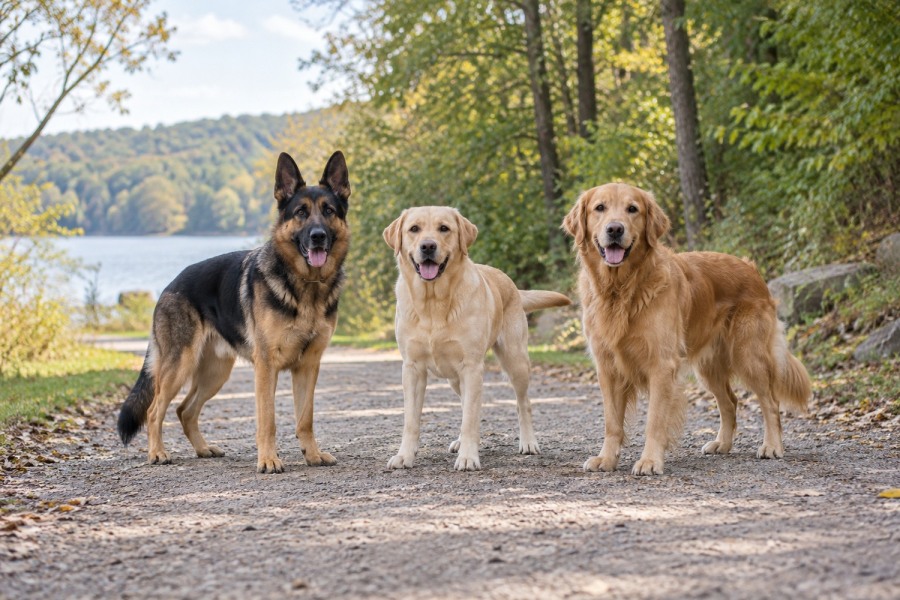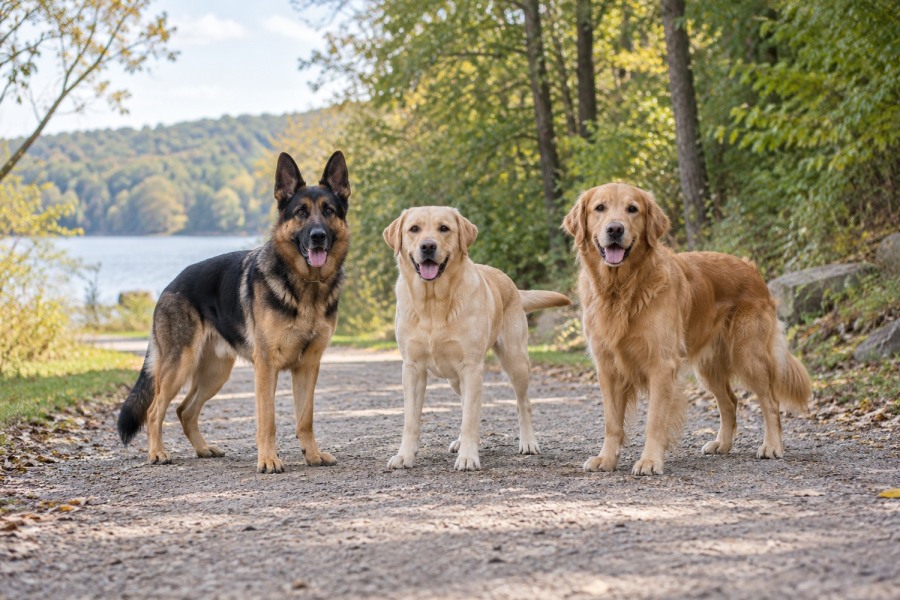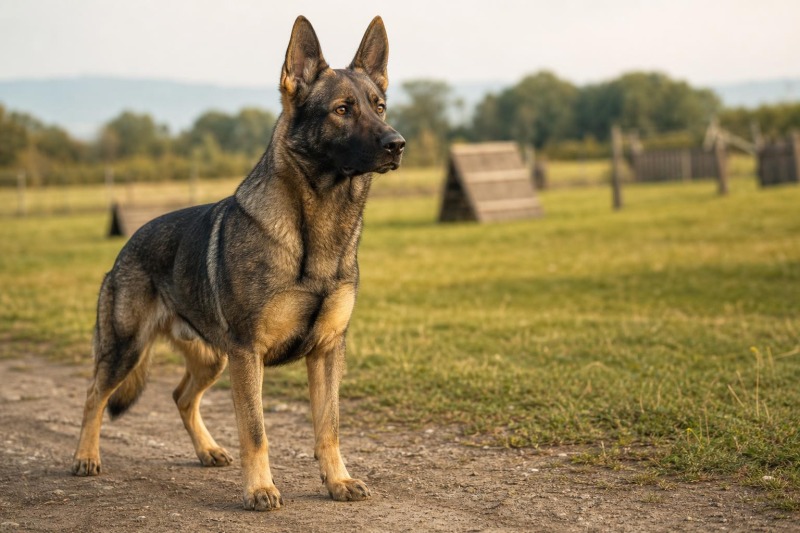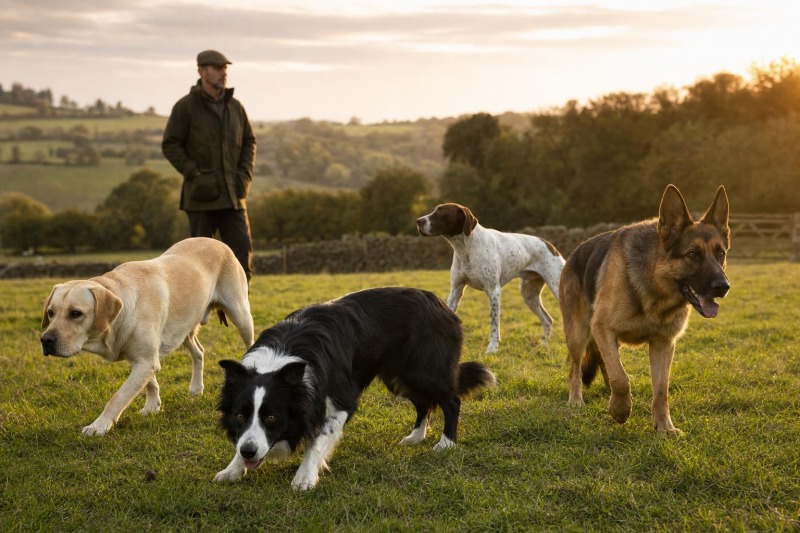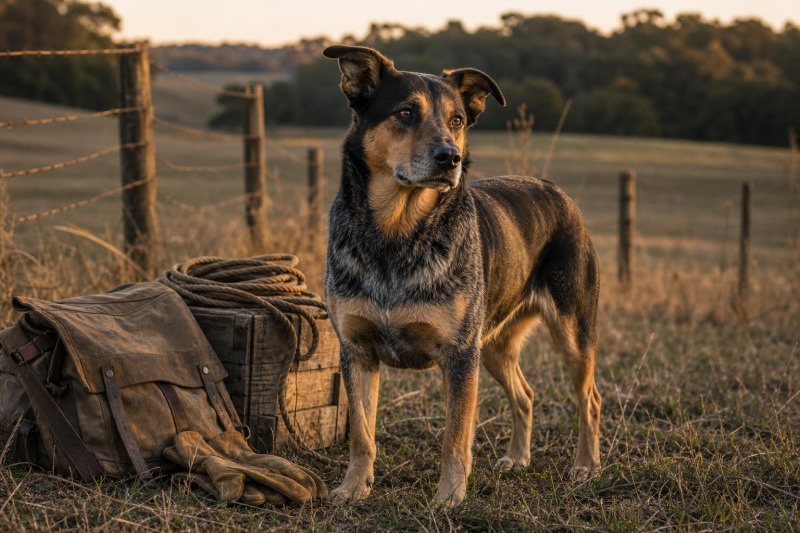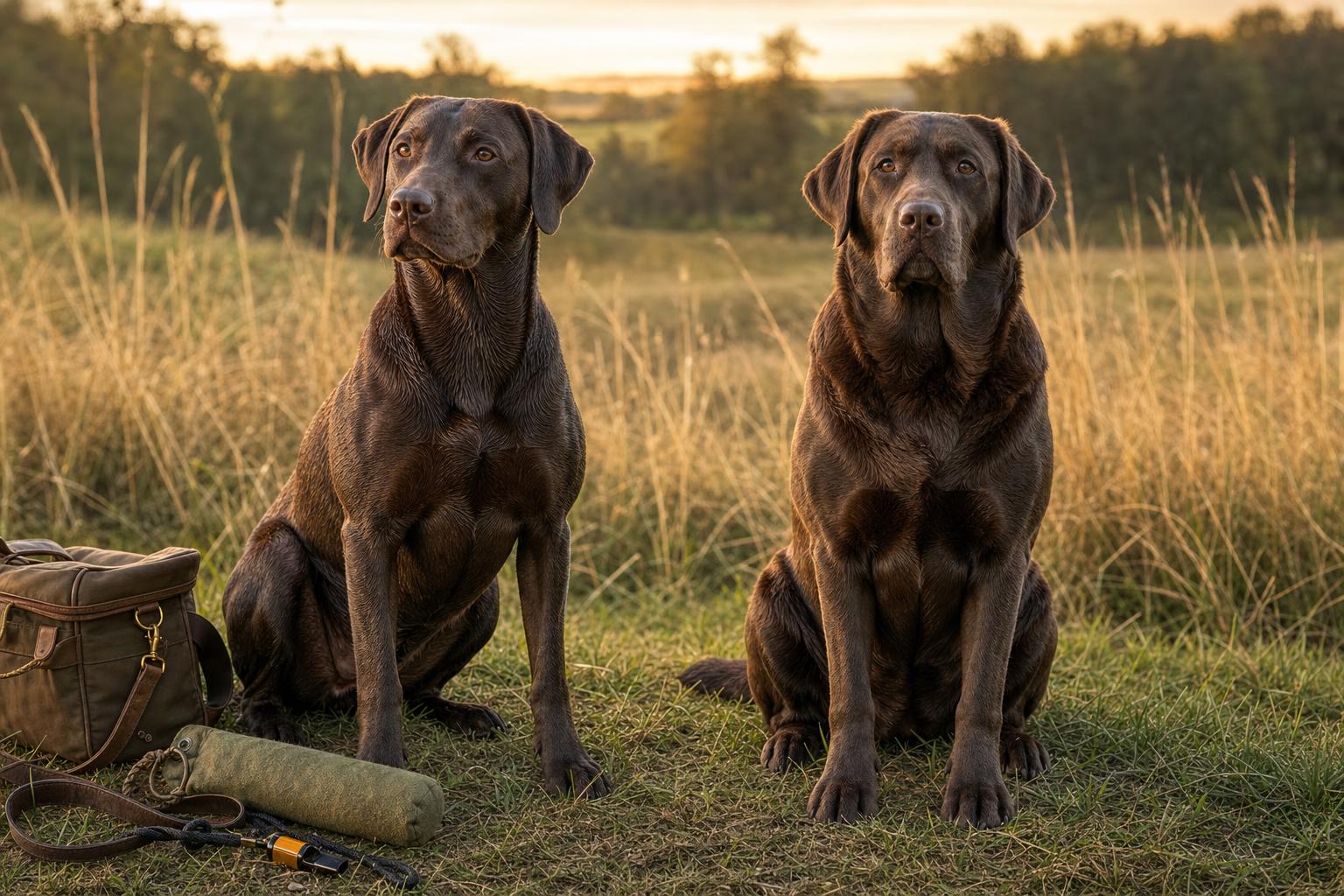
Working-line and show-line labels describe breeding priorities, with considerable variation inside either group. They can help frame questions about drive, structure, and daily needs. They cannot replace a look at the specific family, health records, and individual dog.
Two dogs can carry the same breed name and still feel like they were made for separate worlds. One may be bred to hunt hard all morning, recover quickly, and ask for more by noon. The other may be bred to match a written standard, move beautifully in the ring, and carry a steadier, more moderate temperament for everyday companionship. Neither is automatically better. The trouble starts when buyers assume the label on the breed tells the whole story.
A man buys a dog because he admired the breed at a dog show, then finds himself living with a motor that never turns off. Another family buys a handsome pup from pretty lines, hoping for a serious hunting partner, then wonders why the dog lacks the intensity, stamina, or natural field instincts they expected. The breed was right on paper. The line was wrong for the job.
What “Working Line” Really Means
A working line dog comes from generations selected primarily for performance. That performance may mean herding, retrieving, pointing, protection work, sledding, tracking, police service, or another demanding task. In practical terms, breeders of working line dogs tend to keep and pair dogs that prove themselves through real ability. They watch for nerve, endurance, trainability, prey drive, resilience, and the kind of structure that holds up under strain.
In the field, these dogs usually tell on themselves quickly. They move with purpose. They notice everything. They recover fast from pressure. They often show a stronger desire to engage with a task than the average pet owner is prepared for. A true working line dog does not just enjoy activity. It often needs meaningful work, clear handling, and regular structure to stay mentally balanced.
That is where many people get tripped up. They hear “working line” and think it means smarter, tougher, or somehow more authentic. Sometimes it does mean more drive and more natural utility. It also often means more dog than the average household bargained for.
Drive Is the First Big Difference
Drive is one of those words that gets tossed around loosely, but anyone who has trained dogs in honest conditions knows it matters. A working line dog generally carries more desire to chase, search, retrieve, bite, track, or problem-solve depending on the breed’s purpose. That desire is a gift when you need a dog that will push through cattails, heavy cover, cold water, or long training sessions. It can be a headache when the dog lives in a suburban home with nothing to do but circle the furniture and invent bad habits.
Drive is not the same as chaos, and good working dogs are not simply wild. The best ones have intensity paired with nerve and a clear head. But high-drive dogs need outlets. If they do not get them, they tend to make their own entertainment.
What “Show Line” Means
Show line dogs are bred with conformation in mind, meaning they are selected to match the breed standard in appearance, movement, coat, proportions, and overall type. Good show breeders are not just chasing ribbons. The best of them care deeply about health, temperament, and preserving the look and character of a breed. That should be said plainly, because too many conversations paint show dogs as decorative and nothing more. That is not fair, and it is not always true.
Still, when breeding decisions focus heavily on ring success, priorities can drift away from practical working performance. Over generations, that can show up in softer drives, less endurance, less intensity, or physical traits that look impressive but are not ideal for all-day labor. Depending on the breed, show lines may carry heavier bone, more coat, more angulation, or a calmer overall disposition than their working counterparts.
For many homes, that moderation is not a flaw. It is exactly what makes a show line dog easier to live with. The dog may still be trainable, athletic, and capable of sports or casual hunting, but usually with a lower ceiling for extreme work and often a lower requirement for constant mental engagement.
Temperament at Home Can Be Very Different
This is where the decision becomes personal. Many show line dogs are easier for average owners to manage day to day. They may settle better in the house, tolerate missed exercise a little more gracefully, and present fewer sharp edges for novice handlers. That does not mean they are lazy, and it certainly does not mean every working line dog is difficult. It means selective breeding leaves fingerprints on behavior.
If your idea of a good dog is one that can hike on Saturday, train at a decent level, then lie quiet by your chair that evening, a moderate line may suit you better than a hard-core working pedigree. If you want a dog that thrives under pressure, attacks training with hunger, and can perform demanding tasks repeatedly, working lines deserve a serious look.
Structure, Health, and Long-Term Soundness
One of the more important parts of the working line vs show line conversation is structure. A dog built for labor needs more than enthusiasm. It needs a body that can hold up. Good working breeders pay close attention to durability because weak structure gets exposed quickly when a dog is asked to jump, climb, retrieve, turn sharply, absorb impact, and keep going in rough country.
Show breeders also care about structure, but their interpretation is filtered through the breed standard and ring preferences. Sometimes those goals overlap beautifully. Sometimes they do not. In some breeds, show dogs have drifted toward exaggeration, whether in coat, rear angulation, mass, or other traits that can make sustained work harder. In others, show lines remain very functional.
Health testing matters on both sides, and no buyer should assume one camp owns the moral high ground. There are careless breeders producing dogs under both labels. Ask about hips, elbows, eyes, cardiac health, genetic screening, and longevity in the line. Ask what the parents actually do. Ask how older dogs are holding up at eight, ten, and twelve years old. Paper claims are cheap. Sound dogs are not.
Trainability and Handler Expectations
Most working line dogs are bred to respond to training with speed and commitment, but that does not mean they are easier for everyone. A dog with intense drive and quick reactions can punish sloppy handling. Timing matters more. Consistency matters more. The dog may learn fast, but it may also learn bad habits fast, especially if the owner confuses stimulation with progress.
Show line dogs can be very trainable too, often with a little more forgiveness for beginner mistakes. For many dog owners, that is not a compromise. It is a blessing. The right dog is not the one with the most horsepower. It is the one whose temperament and needs match the handler’s skill, schedule, and goals.
The line matters, but so does the human on the other end of the leash.
Which One Is Better for Hunting and Real Work?
If your main goal is serious work, whether that means upland birds, waterfowl, herding, detection, or protection, working lines usually offer the better odds. The instincts are often stronger, the motor runs hotter, and the breeding has been aimed at useful output rather than appearance alone. That does not guarantee excellence, but it stacks the deck in your favor.
For a hunter, this matters in the moments you cannot fake. It shows in the dog that hits cold water without hesitation, hunts dead with real intent, carries itself strongly through a long season, and still wants another retrieve when the weather turns mean. It shows in the dog that handles repetition in training without wilting and comes back eager after correction rather than shrinking from pressure.
But there is another truth worth saying. Plenty of owners do not need that level of dog. They need a dog that can share the home, train willingly, and maybe work in moderation. In that case, a well-bred show line or more balanced line may be the smarter choice.
How to Choose the Right Line for Your Life
Start with honesty. Not fantasy, not internet bragging, and not the version of yourself that exists only in your head after watching field trial clips. Ask what the dog will actually do five days a week. Ask how much time you can invest in training, conditioning, and mental work. Ask how experienced you are handling intensity. Then ask what you want this dog to be at six months, two years, and ten years old.
If you want a true performance partner, buy from proven working stock and make sure you are ready to meet that dog halfway. If you want a stable companion from a working breed without the constant pressure to provide a job, a sound show line may fit better. There is no shame in choosing the dog that matches your life. The shame is buying with ego and then blaming the dog for being exactly what generations of breeding made it.
They were chosen with clear eyes. Their owners understood the difference between appearance and ability, between energy and purpose, between admiration and suitability. That is what this conversation comes down to. Working line vs show line dogs is not about declaring a winner. It is about choosing the right tool, the right partner, and the right temperament for the road ahead.