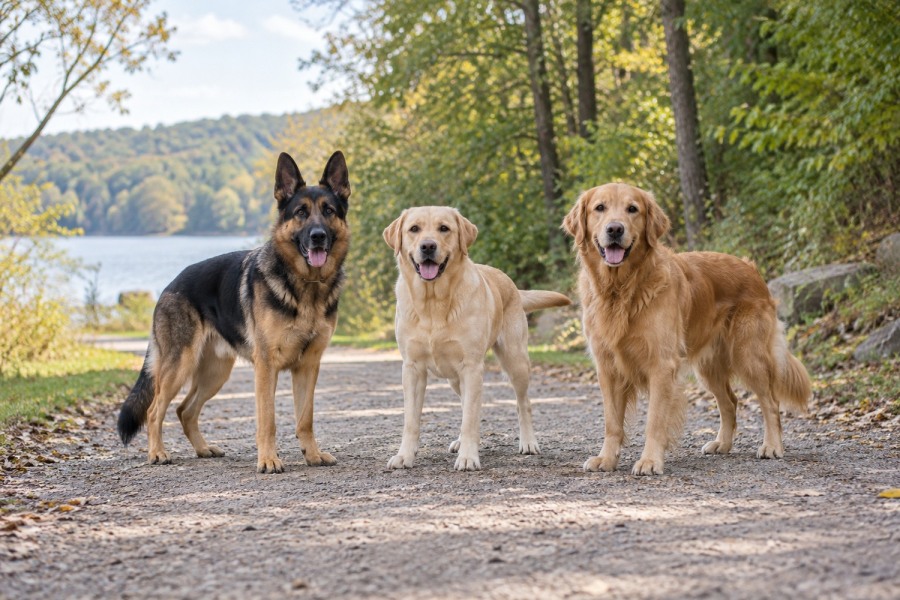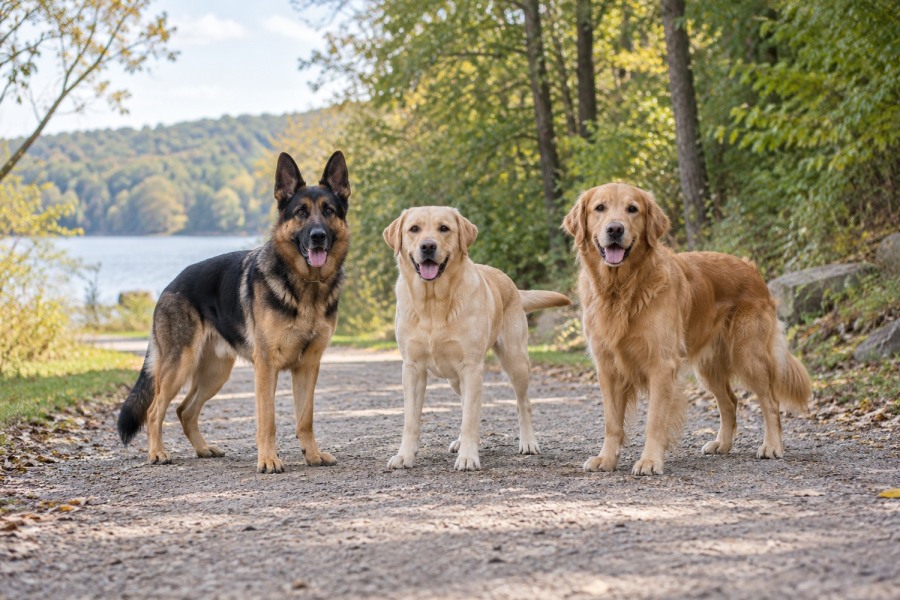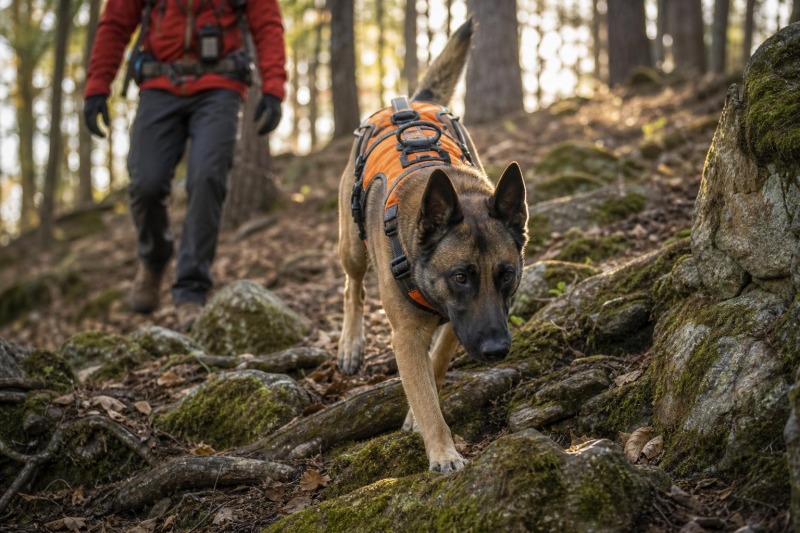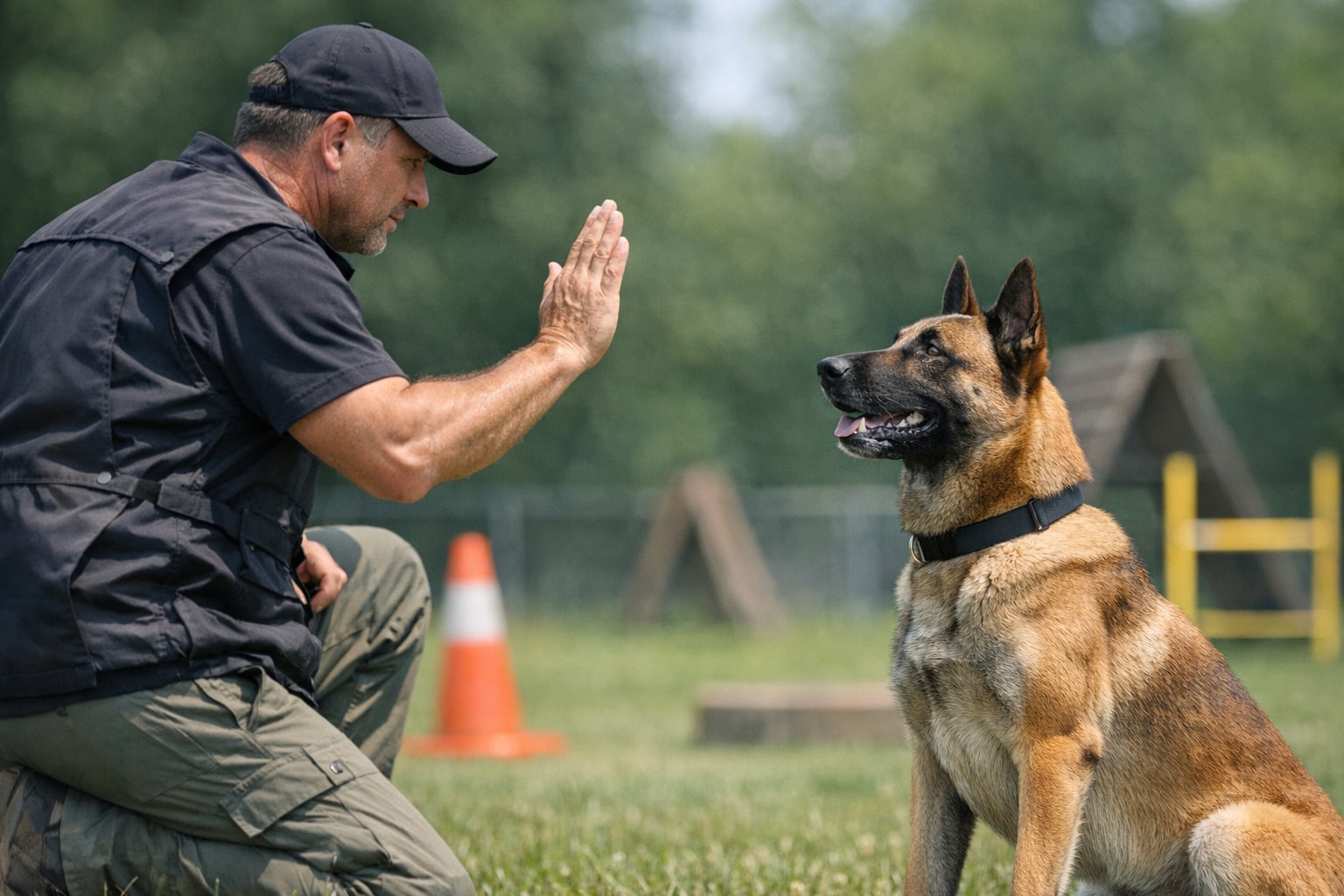
There is a world of difference between a dog that knows a few commands and a dog that can go to work. A true working dog has to think clearly under pressure, respond on cue, handle distraction, and keep doing the job when conditions turn rough. Whether you are raising a retriever, a stock dog, a protection prospect, a tracking dog, or an all-around farm hand, the training process follows the same broad truth: instinct matters, but instinct alone is never enough.
Training working dogs is not about forcing performance. It is about shaping what is already there, then putting structure around it until the dog understands how to use its gifts on command. That takes time, judgment, and a willingness to meet the dog where it is.
Understanding What Makes a Working Dog
Before you ever start formal training, you need to understand the dog in front of you. Working breeds are not all built the same, and even within a breed, one pup may be bold and busy while another is thoughtful and deliberate. A strong working dog usually shows some mix of prey drive, hunt drive, food motivation, resilience, focus, and nerve. Those traits do not need to be identical in every dog, but they do need to be recognized early so your training matches the animal.
That is where many owners get sideways. They try to train every dog from the same script. A hard-charging young dog may need help learning patience and control. A softer dog may need confidence before pressure means anything useful. Good trainers do not simply teach commands. They read dogs. They pay attention to how the dog responds to praise, correction, repetition, and challenge. If you miss that part, the rest becomes guesswork.
Start with Structure Before Skill
That does not mean harshness. It means clarity. Feeding times are consistent. Kennel manners matter. Loading in a crate, walking through gates, waiting at doors, staying calm during handling, and learning how to settle are all part of training. A dog that cannot live under order will struggle to work under order.
Meals can become short training sessions. Play becomes a chance to reward recall, eye contact, and cooperation. Even a walk around the property can reinforce that staying connected is worthwhile. This kind of groundwork often looks simple, but it pays off later when the stakes rise.
Why Early Obedience Matters
Basic obedience is not the end goal for a working dog, but it is the language you will use for everything that follows. Sit, down, place, heel, recall, and a reliable release command create the framework for control. The key is not just teaching the behavior. It is teaching the dog to perform it cleanly under distraction and without endless repetition from the handler.
Too many folks rush obedience or make it mechanical. The better path is to build understanding first, then layer in expectation. Keep sessions short. End on success. Use rewards the dog values, whether that is food, a bumper, a tug, or praise. Once the dog knows the command, then you can begin asking for steadiness and polish. Timing matters here. Correct too soon, and you can dull initiative. Correct too late, and confusion creeps in.
Building Drive Without Losing Control
Drive is what makes a working dog willing to hunt, chase, search, retrieve, guard, or gather when the job gets difficult. But raw drive without control is just noise. The art of training lies in channeling intensity instead of crushing it. You want the dog eager to work, yet responsive enough to handle direction.
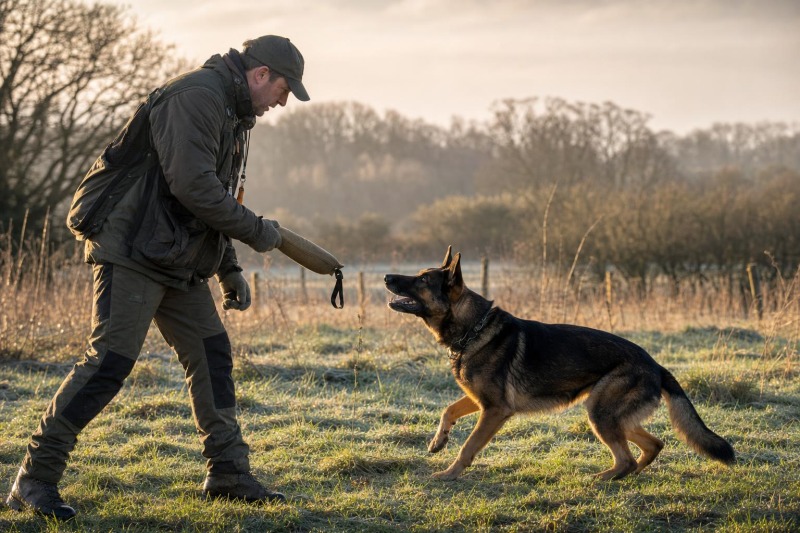
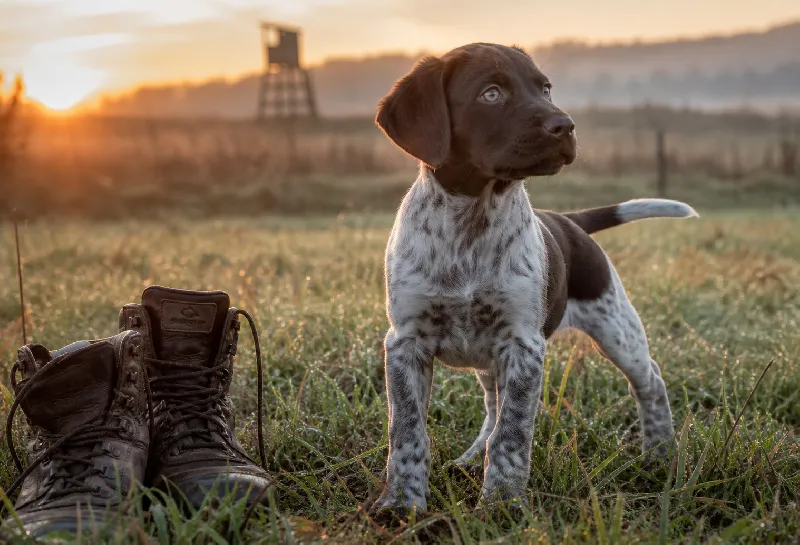
A retriever pup carrying a wing with bright eyes and a high tail is telling you something. A shepherd that bites a tug with commitment and pushes into the work is telling you something too. Encourage that energy. Build value in the task. Then teach the dog that self-control opens the door to the reward. A dog that sits steady before the send, holds position until released, or outs cleanly during bite work is not losing drive. It is learning discipline.
The Role of Repetition and Timing
Working dogs thrive on consistent repetition, but repetition only helps when the standard is clear. Every cue should mean the same thing every time. Every reward should support the lesson. Every correction should be fair and understandable. Sloppy repetition teaches sloppy behavior. Clean repetition builds confidence.
Timing is what separates productive sessions from frustrating ones. Reward the moment the dog gets it right. Interrupt the mistake before it turns into a habit. If the dog breaks a stay after five good seconds, the issue is not the whole command. The issue is that exact point where understanding gave way to impulse. Good timing lets you train that moment instead of punishing the entire effort.
Introducing Real Work Step by Step
One of the biggest mistakes in working dog training is moving from the yard to the field too fast. A dog may look sharp at home and still fall apart when birds flush, livestock move, strange dogs bark, or scent gets hot. That is normal. Generalization takes training. Dogs do not automatically understand that a command in the driveway means the same thing in a marsh, a barn, a trial field, or a busy training ground.
Real work should be introduced in layers. Start in low-distraction environments, then gradually add distance, duration, and environmental pressure. If you are training a gun dog, that may mean moving from bumpers in short grass to blind retrieves in cover, then to water, decoys, gunfire, and live birds. If you are training a herding dog, you may begin with stock exposure in a controlled pen before expecting thoughtful movement in open ground. The steps may differ, but the principle stays the same: do not skip the middle.
Every working dog benefits from setup training. Put the dog in situations where you can control the outcome. Create simple wins. Then make the picture more complicated once the foundation holds. Dogs advance faster when they understand what success looks like. Constant failure does not make them tougher. It usually makes them uncertain.
Conditioning the Mind and Body
A working dog is an athlete, and no athlete performs well without conditioning. Physical fitness affects everything from stamina and recovery to confidence and injury prevention. Roadwork, free running, swimming, climbing, and terrain variation all have their place depending on the dog and the job. Conditioning should match the work. A retriever needs endurance and core strength. A decoy dog may need explosive power and grip endurance. A stock dog needs agility, balance, and staying power over long hours.
Mental conditioning matters just as much. Dogs need to learn how to work through frustration without melting down. They need enough exposure to novelty that new places and new pressure do not shake them. They need rest too. Burnout is real, especially in high-drive dogs that are constantly wound tight. Sometimes the best thing you can do for progress is shorten the session, simplify the task, and let the dog leave wanting more.
Reading Pressure the Right Way
Pressure is part of training, but it has to fit the dog and the lesson. Some dogs can take firm correction and bounce right back into the work. Others need a quieter hand or they lose initiative. There is no prize for being the toughest trainer on the field. The goal is communication, not domination.
They are conflict, uncertainty, or poor timing from the handler. Before increasing pressure, ask whether the dog truly understands the command, whether the environment is too advanced, and whether your expectations are fair for that stage of training. Honest answers save a lot of dogs from unnecessary setbacks.
Consistency Is What Makes a Finished Dog
The finished working dogs people admire did not get that way through occasional bursts of effort. They were built through consistency. Day after day, command by command, season by season, somebody held a standard. That standard was not always flashy. Sometimes it was as plain as a clean kennel exit, a steady heel to the line, or a calm hold before release. But those little pieces stack up until the dog becomes dependable.
That reliability is what every owner should be after. Not tricks. Not social media moments. A dog that can do its work when tired, excited, cold, wet, distracted, or tested is a dog that has been trained properly. If you stay patient, keep your standards clear, and let the dog mature into the job, you will often end up with more than a worker. You will have a partner that understands its purpose and trusts your guidance when the pressure is on.
Training working dogs is deeply practical, but it is personal too. You spend enough mornings in the field, enough evenings in the kennel, and enough hours correcting the same small issue until it finally clicks, and you come to appreciate the process for what it is. You are not just teaching commands. You are building communication, trust, and usefulness into a living animal that wants a job. When it comes together, there is nothing quite like it.