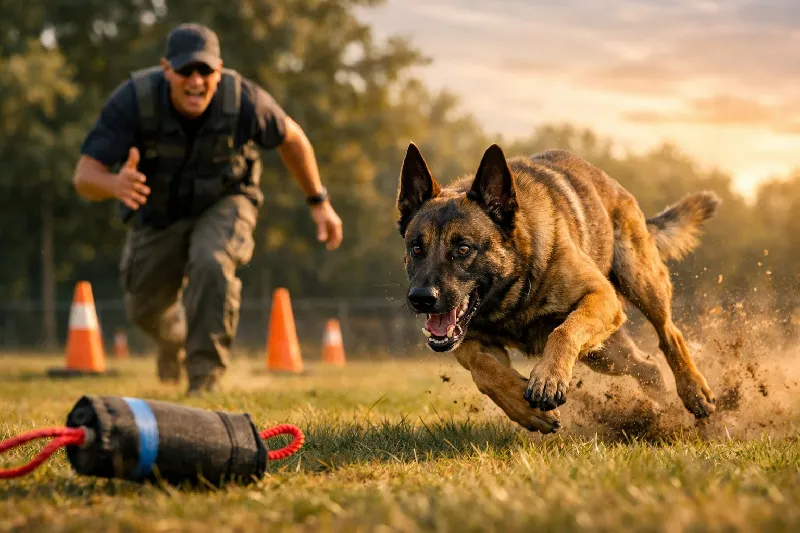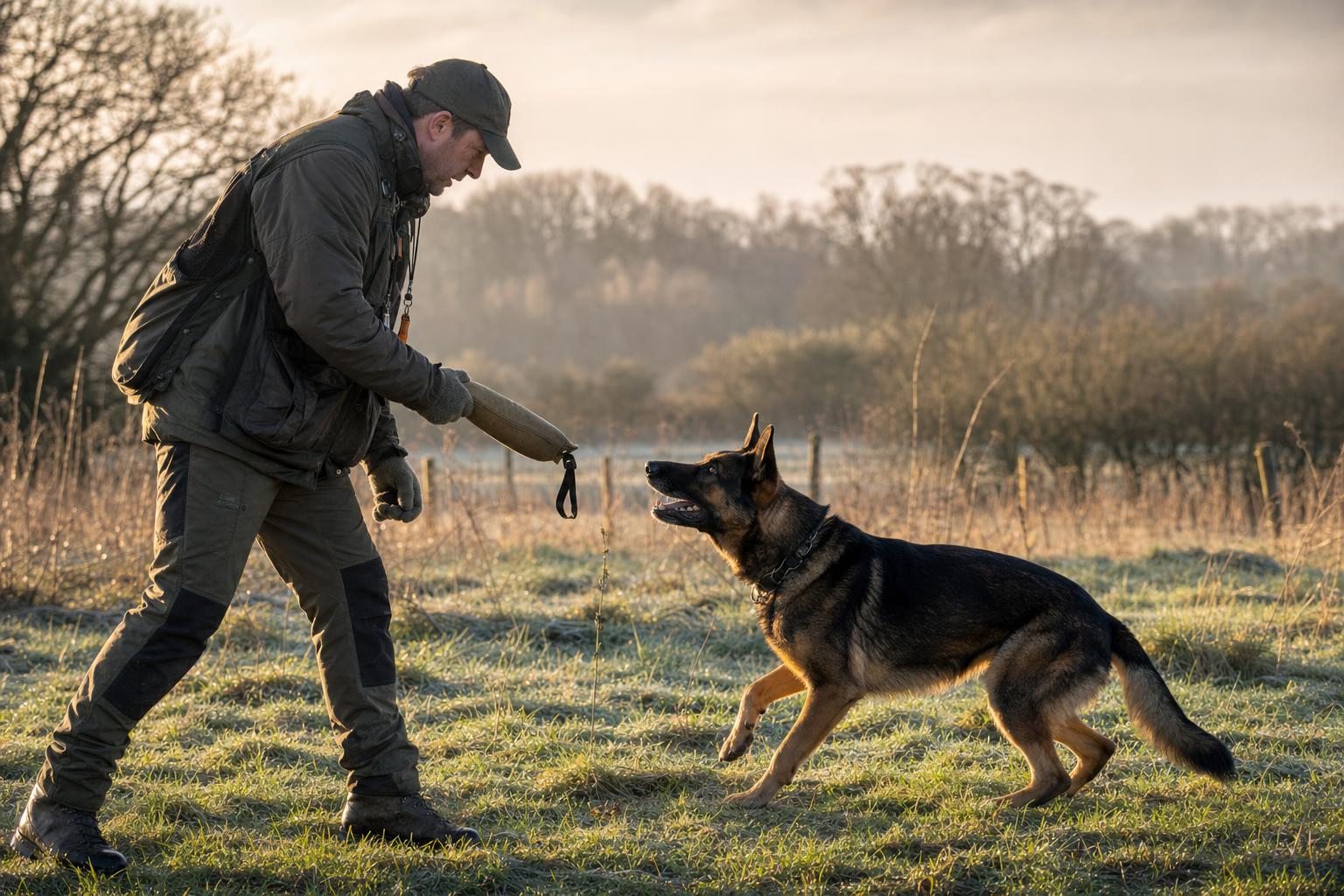
Motivation determines what a dog is willing to work for. The reward, the task, and the conditions around the exercise all affect that willingness. Good training uses those details to build clear, repeatable behavior.
The dogs that kept pressing were not always the flashiest. They were the ones whose handlers understood what made them tick. Motivation in working dog training is not about whipping a dog into excitement for a few minutes. It is about building a deep, durable desire to work with you and for you.
Why Motivation Matters More Than Raw Control
A lot of folks come into training focused almost entirely on control. They want the dog steady, quiet, responsive, and clean. There is nothing wrong with that. Control keeps a dog safe and makes it useful. But if control gets built without enough attention to motivation, you can end up with a dog that complies without heart. That dog may perform on familiar ground, then fall apart when pressure rises, weather turns rough, or game gets scarce.
A motivated working dog carries itself differently. You can see it in the way it leaves your side, the way it attacks scent, the way it takes correction without sulking, and the way it comes back ready for another send. Motivation gives resilience. It helps a dog connect effort with reward, difficulty with purpose, and partnership with satisfaction. Whether you are training a retriever, pointing dog, detection dog, or stock dog, the principle stays the same. A dog that wants the work will always give you more than a dog that merely tolerates it.
Drive Is Not the Same as Motivation
This is where handlers sometimes get crossed up. Drive and motivation are related, but they are not identical. Drive is often the natural fuel, the inborn urge to chase, hunt, retrieve, possess, search, or control movement. Motivation is what channels that fuel into the job you are asking the dog to do. A high-drive dog with poor motivation can become distracted, noisy, sloppy, or hard to handle. A moderate-drive dog with strong motivation can become wonderfully dependable because it understands the game and values the outcome.
In plain terms, drive gives you horsepower. Motivation gives that horsepower direction.
What Actually Motivates a Working Dog
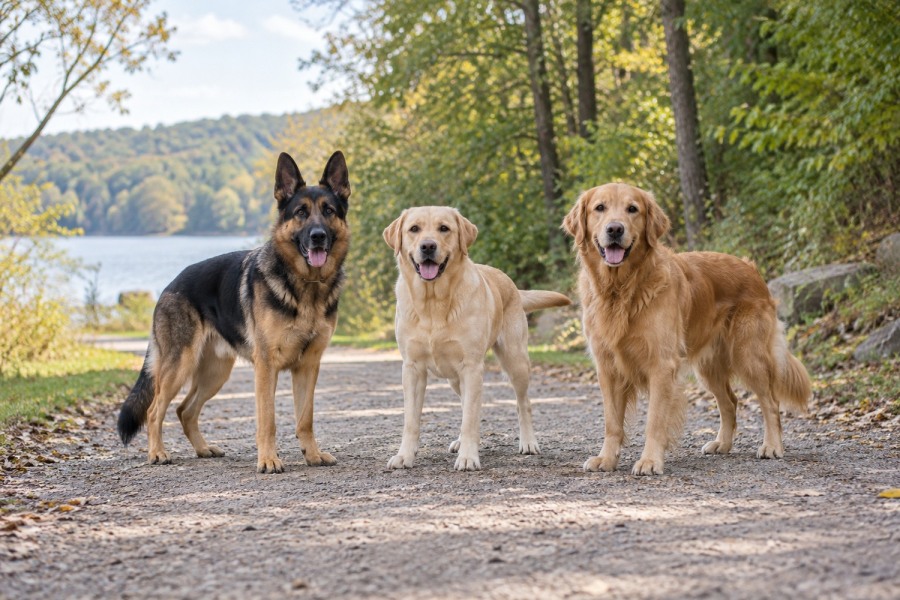
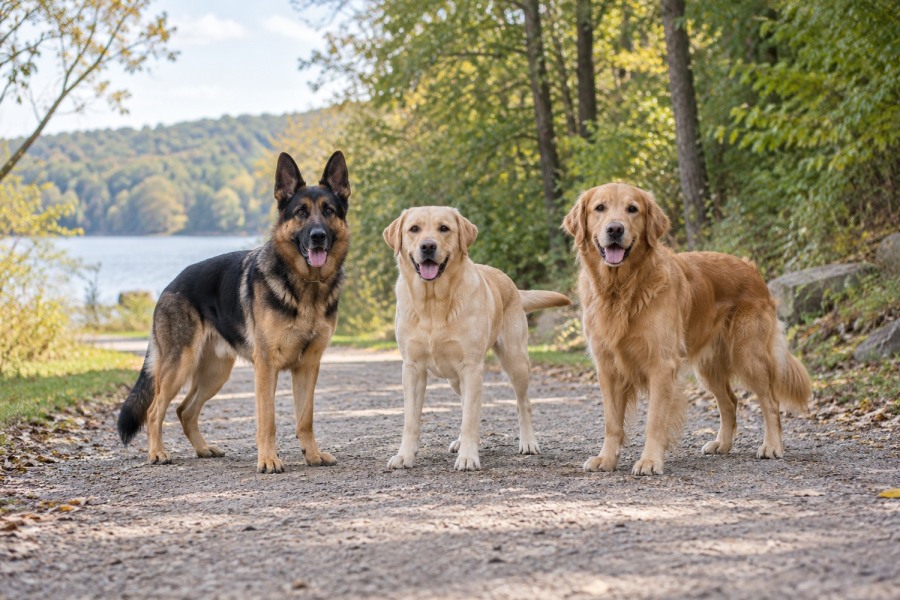
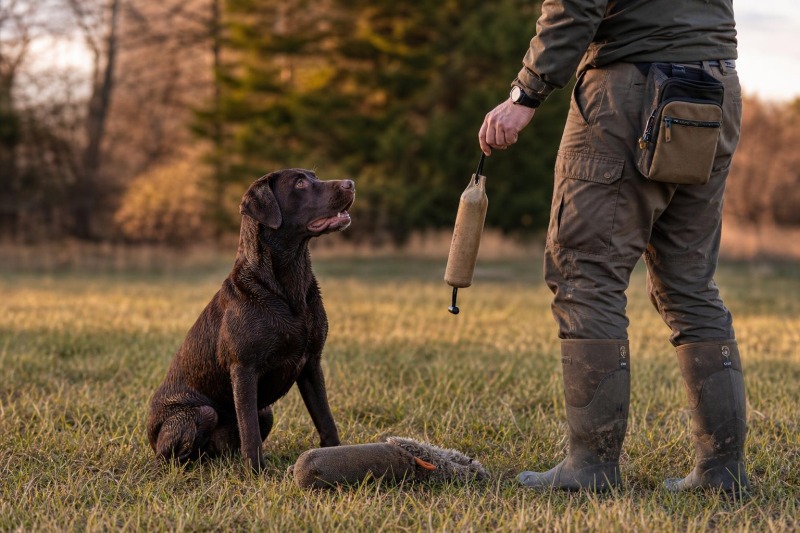
Not every dog is motivated by the same thing, and that is one of the first hard truths a good handler has to accept. Some dogs will work all day for a retrieve. Some value birds above everything else. Others lock in for food, praise, physical contact, or the simple chance to move and solve a problem. Many working dogs are driven by a combination of rewards, and that combination can change with age, maturity, pressure, and environment.
He cared less about repetition and more about meaningful success.
That is the point. Motivation is not whatever the handler prefers to give. It is whatever the dog truly values enough to work for with intensity and clarity.
Observation Comes Before Strategy
They notice when the dog’s tail changes, when the eyes brighten, when pace increases, and when confusion starts to dull the effort. They study what the dog seeks on its own. Does it crave possession? Does it want motion? Does praise lift it up or mean almost nothing? Does pressure shut it down or sharpen its attention?
Before you can improve motivation, you have to read the dog honestly. Wishful thinking ruins more training than bad weather.
How to Build Stronger Motivation in Training
The first step is creating clarity. A dog gets motivated when it understands how to win. If the task is muddy, the timing is poor, or the standard changes from one session to the next, enthusiasm fades. Dogs are practical creatures. They throw themselves into work that makes sense and leads somewhere.
That means your rewards need to be timely and your expectations fair. Reward the effort you want repeated. If you are asking for steadiness, do not accidentally reward breaking. If you are building search persistence, do not quit the drill the moment the dog starts working through difficulty. If you are shaping retrieves, make sure the retrieve itself remains satisfying and not just another heavily corrected exercise.
Short sessions often help, especially with younger dogs. End while the dog still wants more. There is an old kind of wisdom in that. A dog put away eager will come back into the next session with appetite. A dog drilled past its mental limit may still obey, but some of the spark goes out of it.
Another piece is progression. Motivation grows when the dog feels challenge without repeated failure. Good training walks that narrow line. Too easy, and the dog gets bored. Too hard, and the dog grows frustrated or avoids the task. The art is in stacking enough small wins that confidence rises, then gradually asking for more.
Use Pressure Carefully
Pressure has a place in working dog training, but it has to be applied with judgment. Fair correction can create accountability and polish performance. Too much pressure, especially before the dog fully understands the task, drains motivation fast.
A motivated dog should not work in fear of being wrong. It should work with a clear understanding of the rules and a real desire to succeed. Pressure should support the lesson, not overshadow it.
The Role of Trust Between Dog and Handler
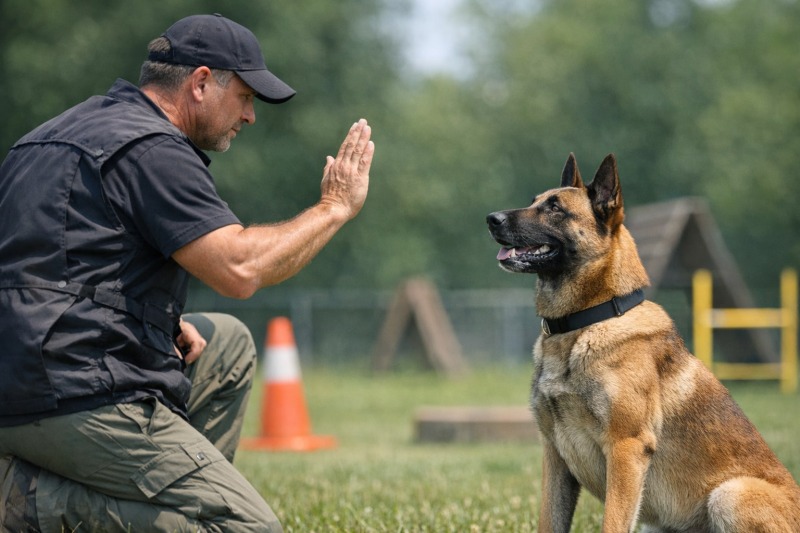
This part does not get enough attention in many conversations about performance. Trust is a form of motivation all by itself. A dog that trusts the handler is more willing to take direction into cover it cannot read, water it does not want to enter, or terrain that tests its nerve. That trust is earned through consistency. The handler must be readable, fair, and steady.
Out in the field, dogs learn quickly whether your commands matter and whether your help is useful. If you handle with poor timing, create avoidable confusion, or get emotional every time something goes wrong, the dog starts to hesitate. Hesitation is poison in a working dog. It may look like stubbornness from a distance, but often it is uncertainty brought on by inconsistent handling.
The dog did not just know the command. It believed in the man or woman giving it. That belief is built one session at a time.
Motivation Changes as Dogs Mature
A puppy’s motivation is usually easy to spot. It is loud, obvious, and often tangled up with excitement. A mature dog is different. The best adult workers do not always look wild at the line or frantic in the field. Their motivation has become steadier and more organized. They know the job, they know the reward, and they know how to manage themselves on the way to it.
Handlers should expect motivation to evolve. Young dogs often need training that protects enthusiasm while introducing rules. Older dogs may need variation, sharper standards, and enough challenge to prevent stale work. If a seasoned dog starts showing less interest, the answer is not always more pressure. Sometimes it needs a reset, more meaningful rewards, fresher setups, or a reminder that the work still leads to something worth wanting.
Watch for Signs of Fading Motivation
A drop in speed, less animation, sloppy effort, avoidance, vocal frustration, and checking out mentally can all signal motivational trouble. So can over-arousal. A dog spinning itself into chaos is not truly engaged in productive work. It is simply over threshold. Good motivation produces purposeful effort, not just noise and motion.
When those signs show up, step back and ask hard questions. Is the dog confused? Over-corrected? Physically sore? Bored? Rushed? Rewarded too randomly? Most motivational issues can be traced to something in the training picture that needs adjusting.
Field Lessons That Never Get Old
He became obedient, but he lost some of his edge. He started looking back too often, waiting instead of hunting. The lesson was mine, not his.
We rebuilt him by making the work matter again. Cleaner setups, fewer pointless repetitions, more opportunity to use his nose and brain, and rewards that matched real success. Bit by bit, the old fire returned, but this time it came with maturity. He became the kind of dog that hit cattails like he had unfinished business in there. That is what balanced motivation looks like. Intensity under control. Independence inside a partnership.
If you want a dependable working dog, do not think of motivation as an extra. It is central to everything. It shapes attitude, effort, problem-solving, and the bond between handler and dog. The best training programs do more than teach commands. They convince the dog that the work is worthwhile.
That takes observation, timing, fairness, and patience. It takes enough humility to train the dog in front of you rather than the dog you imagined. And it takes the kind of field sense that comes only from watching dogs succeed and fail under real conditions.
The finest working dogs are not dragged into performance. They are invited into it, guided through it, and rewarded for meeting it. When motivation is built right, the dog does not just obey the job. It embraces it.