Conservation detection dogs are trained to search for defined targets within research and wildlife-management projects. Their usefulness depends on suitable dogs, capable handlers, and reliable field methods. Search records and evaluation matter alongside the find itself.
At first glance, the work may seem far removed from the hunting camp. But the foundation is familiar. It is still about drive, nose, discipline, handler trust, and covering ground with purpose. The difference is in what the dog is asked to find. Instead of wing, fur, or blood sign tied to a hunt, these dogs may be locating wolf scat, invasive mussels, endangered reptiles, poachers’ shell casings, or the scent of a rare animal hidden in rough country. For dog owners interested in working dogs, it is one of the clearest examples of how canine talent continues to evolve without losing its roots.
What Conservation Detection Dogs Actually Do
Conservation detection dogs are trained to locate specific target odors tied to wildlife protection. In practical terms, that can mean finding animal scat for DNA analysis, identifying nesting sites, detecting invasive plants or animals, locating dead or injured wildlife after industrial activity, or helping officers uncover illegal trafficking evidence. Their value lies in efficiency and accuracy. A well-trained dog can search broad areas faster than a human team and pick up trace odor that no set of eyes could reliably catch.
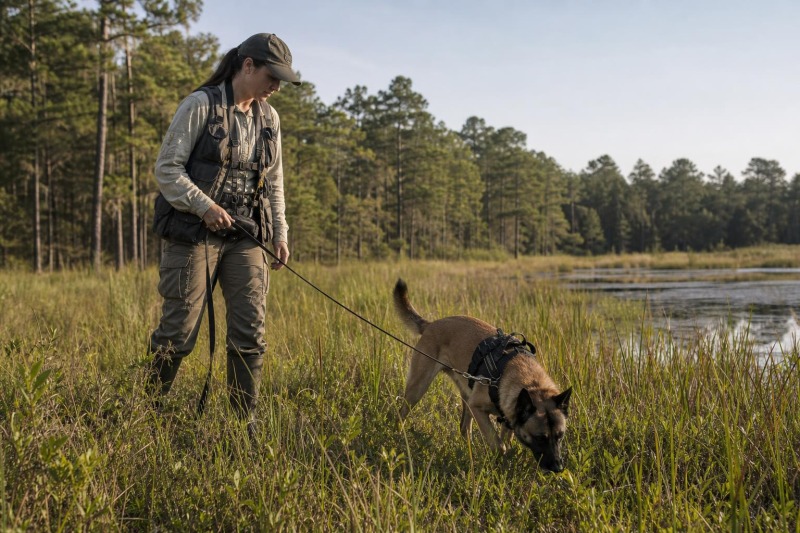
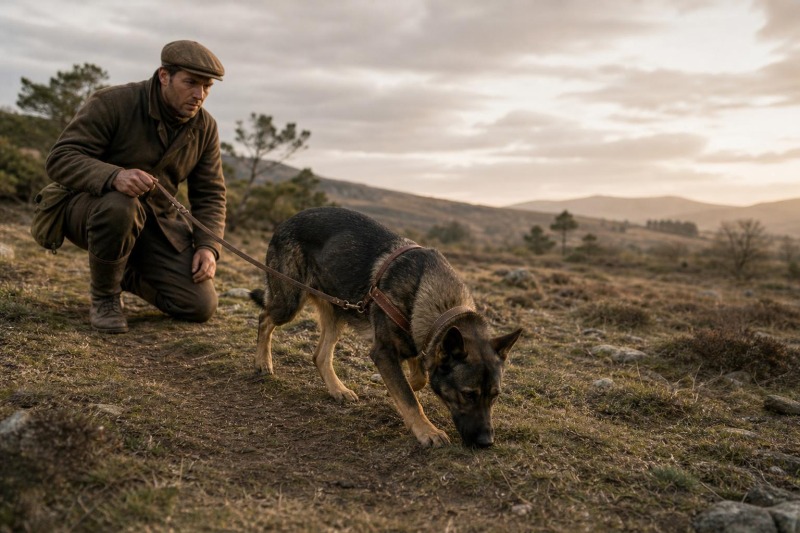
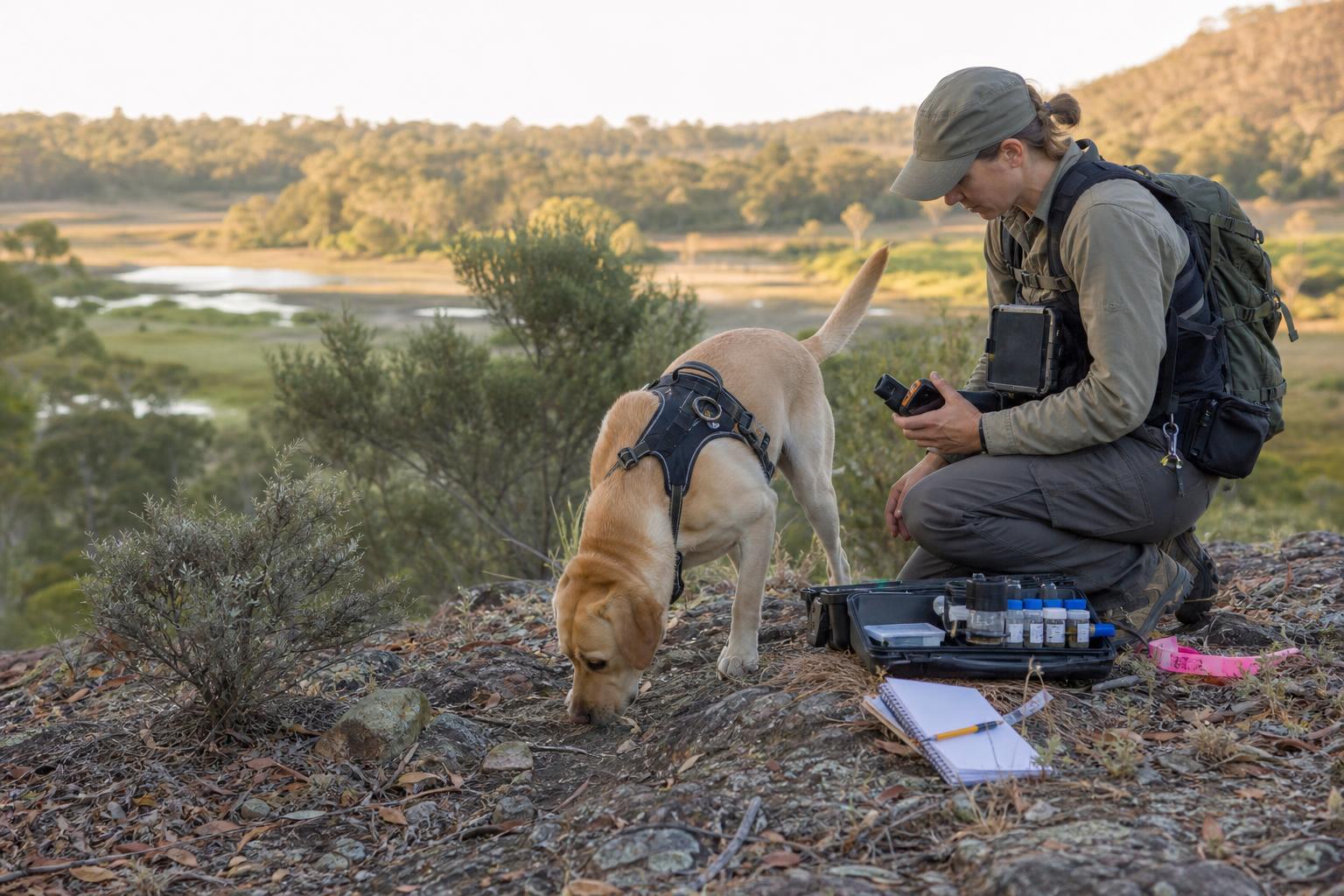
One of the most important jobs in this field is scat detection. That may not sound glamorous, but it is some of the most valuable work in wildlife research. Scat can tell biologists what an animal is eating, where it is moving, whether it is stressed, and even which individual left it behind through DNA testing. In remote mountain country, dense timber, swamp edge, or desert wash, that sort of information can be painfully slow to gather by hand. A detection dog changes the equation. Instead of guessing where sign might be, the team can move with intent and recover samples that would otherwise stay hidden under brush, leaf litter, or snow crust.
Why a Dog’s Nose Changes the Game
Anybody who has watched a dog sort out old scent from fresh scent understands we are dealing with a level of perception that people simply do not possess. In conservation work, that nose becomes a field instrument. Dogs can discriminate between species with impressive reliability and can often detect odor under conditions that would shut down visual search efforts. Thick vegetation, broken terrain, and low light matter far less when the dog is working clean and confident.
That matters because wildlife protection rarely happens in neat, open country. More often it happens in nasty places, where footing is bad, weather shifts hard, and visibility is limited. In those settings, a fit dog with strong hunt drive can cut search time dramatically. That saves money, but more important, it gives conservation teams better information faster. In wildlife management, timing can mean everything.
From Field Dogs to Conservation Partners
Many of the traits that make a fine hunting dog also make a strong conservation detection dog. High prey drive often translates into a strong search drive when it is channeled correctly. A dog that loves to hunt for reward, stays engaged in changing cover, and works independently while remaining responsive to the handler has the right bones for the job. That is one reason sporting breeds, herding breeds, and driven mixed-breed dogs often show up in this line of work.
Still, this is not just a matter of taking any energetic dog and turning it loose on a wildlife survey. Conservation work demands control, neutrality around non-target animals, and the kind of steady focus that keeps the dog honest when conditions get complicated. The handler has to read wind, terrain, and behavior while preventing contamination of samples and avoiding stress on sensitive species. It is rugged, technical work, and the best teams operate with the same kind of quiet coordination you see between a seasoned hunter and a polished dog in the field.
That applies here as much as anywhere. A dog searching sage flats for tortoise scat or weaving through wet alder runs for carnivore samples is not working for applause. It is working because the task itself has become the reward.
How These Dogs Help Modern Wildlife Protection
The conservation world uses detection dogs in several ways, and each one fills a gap that people alone struggle to cover. For endangered species, dogs help establish presence in areas where sightings are rare. Knowing whether a species still occupies certain habitat can shape land use decisions, seasonal closures, and long-term management plans. For invasive species, early detection can prevent a problem from spreading into a disaster. A dog that finds zebra mussels at a boat ramp, for example, can provide an early warning before the infestation reaches wider waters.
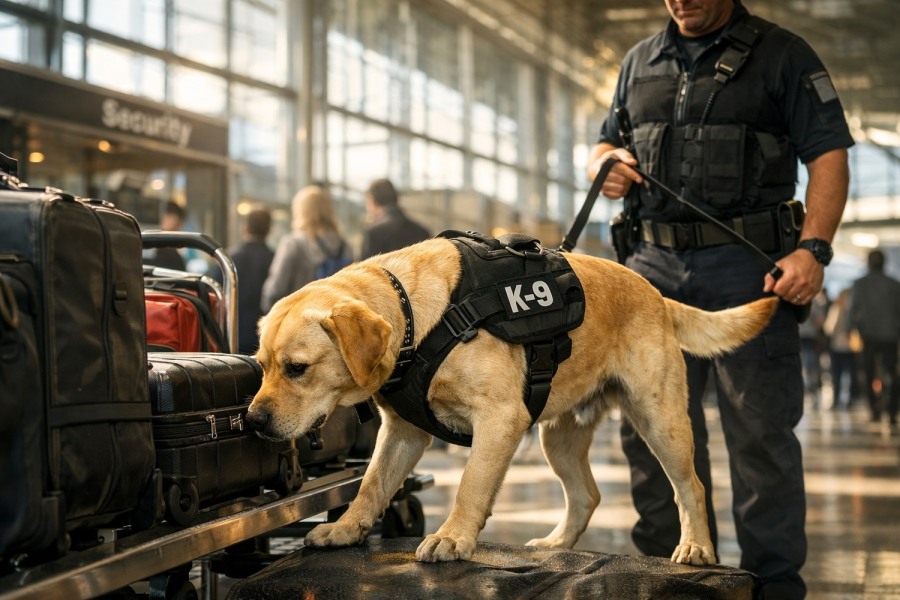
These dogs are also increasingly useful in anti-poaching and law enforcement support. A trained dog may locate firearms residue, hidden animal products, traps, or camps associated with illegal activity. In those cases, the dog is not just finding wildlife sign but helping build a picture of what happened on the ground. That can be the difference between suspicion and evidence.
Supporting Science Without Disturbing Wildlife
One of the strongest arguments for conservation detection dogs is that they allow researchers to gather useful data with less disturbance. Traditional wildlife studies often require trapping, collaring, or direct observation, all of which can be labor-intensive and stressful for animals. By contrast, a dog can locate samples left behind naturally. Biologists still get valuable information, but the target species is not handled or pushed as hard.
That lower-impact approach is especially important when dealing with elusive predators, fragile nesting birds, or species already under pressure from habitat loss. In a time when conservation has to balance urgency with restraint, a trained detection dog offers a practical middle road.
The Breeds, Training, and Temperament Behind the Work
No single breed owns this field, though certain types show up often. Labrador Retrievers are common because they combine food or toy drive, stamina, trainability, and social steadiness. German Shepherds, Border Collies, Springer Spaniels, Malinois, and purpose-bred mixes can also excel. In truth, the individual matters more than the pedigree. The best candidates are obsessive about the search, recover quickly from stress, and treat reward as the center of their world.
Training is built around target odor recognition, indication behavior, and environmental proofing. The dog learns that one odor, and only that odor, leads to reward. Then the work gets harder. Searches move into wind shifts, rough cover, heat, cold, distractions, and variable scent conditions. The indication must be clear and consistent, often a sit, down, freeze, or focused stare, depending on the application. Precision matters because contamination, false alerts, or trampling a sample can undermine the whole effort.
A good conservation dog also needs what hunters have always valued: endurance between the ears. There are long days in this line of work, with uneven terrain, vehicle travel, waiting periods, and changing assignments. The dog has to stay ready without unraveling. That kind of mental toughness cannot be faked.
Why Dog Owners Should Pay Attention
For dog owners interested in working dogs, conservation detection offers something worth studying closely. It shows that a dog’s instincts are not relics from another era; they are practical tools with modern purpose. It also reminds us that usefulness and companionship do not compete with each other. Many of these dogs go home at night, sleep in a house, and still perform demanding field work with real-world value.
There is also a broader lesson here about training. The best conservation teams do not rely on force or noise to get results. They build motivation, clarity, and trust. They shape behavior carefully and let the dog’s natural gifts carry the load. Anyone raising a hunting dog, tracking dog, or active sporting companion can learn from that model.
The Future of Conservation Detection Dogs
As wildlife agencies and conservation groups face tighter budgets and more complex environmental pressures, detection dogs will likely become even more important. Habitat fragmentation, invasive species spread, wildlife crime, and shifting migration patterns all create problems that demand accurate field data. A dog that can find what people cannot is not a luxury in that setting. It is a force multiplier.
And despite all the modern science wrapped around the work, the heart of it still feels old-fashioned in the best sense. It is one living creature trusting another, moving through country together, using nose, experience, and patience to uncover what is hidden. Anyone who has followed a good dog through dawn cover knows that feeling. Conservation detection dogs carry that same spirit into a new kind of service, one that protects game, nongame species, habitat, and the wild places that hold them all.
That is why these dogs matter. They are not a novelty and not a side note to conservation. They are working partners, built on the same timeless qualities dog men and women have respected for generations. In modern wildlife protection, that nose, that drive, and that partnership are proving every day that a good dog still earns its keep in the field.