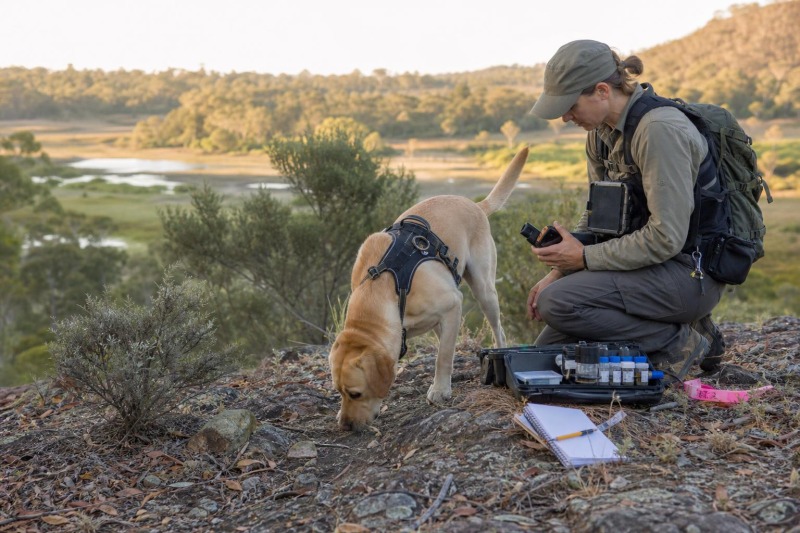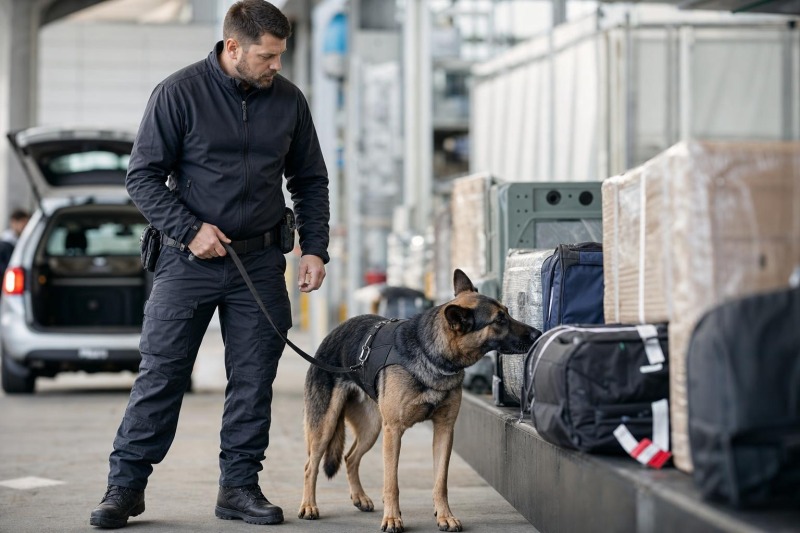
Conservation detection handlers work dogs toward a defined search objective in a particular landscape. Field skills, accurate records, and cooperation with the project team are part of the job. A dog’s search ability becomes useful through that wider preparation.
A conservation detection dog handler is not just a person walking behind a dog with a leash and a GPS. The good ones are part dog trainer, part field biologist, part woodsman, and part logistics manager. They have to understand wind, terrain, scent movement, animal behavior, and the small habits that make one dog hunt with purpose while another loses focus. It is serious working dog business, and when it is done right, it can gather data that would take people weeks to find on their own.
What Conservation Detection Dog Handlers Actually Do
At the most basic level, these handlers guide trained dogs to locate target odors connected to conservation goals. That might mean scat from wolves, bears, cougars, or endangered small mammals. It can mean finding nests, carcasses near wind farms, invasive plants, illegal wildlife products, or aquatic species hidden in gear and shoreline cover. In many cases, the dog is not locating the animal itself but a sign left behind, and that sign becomes valuable information for researchers.
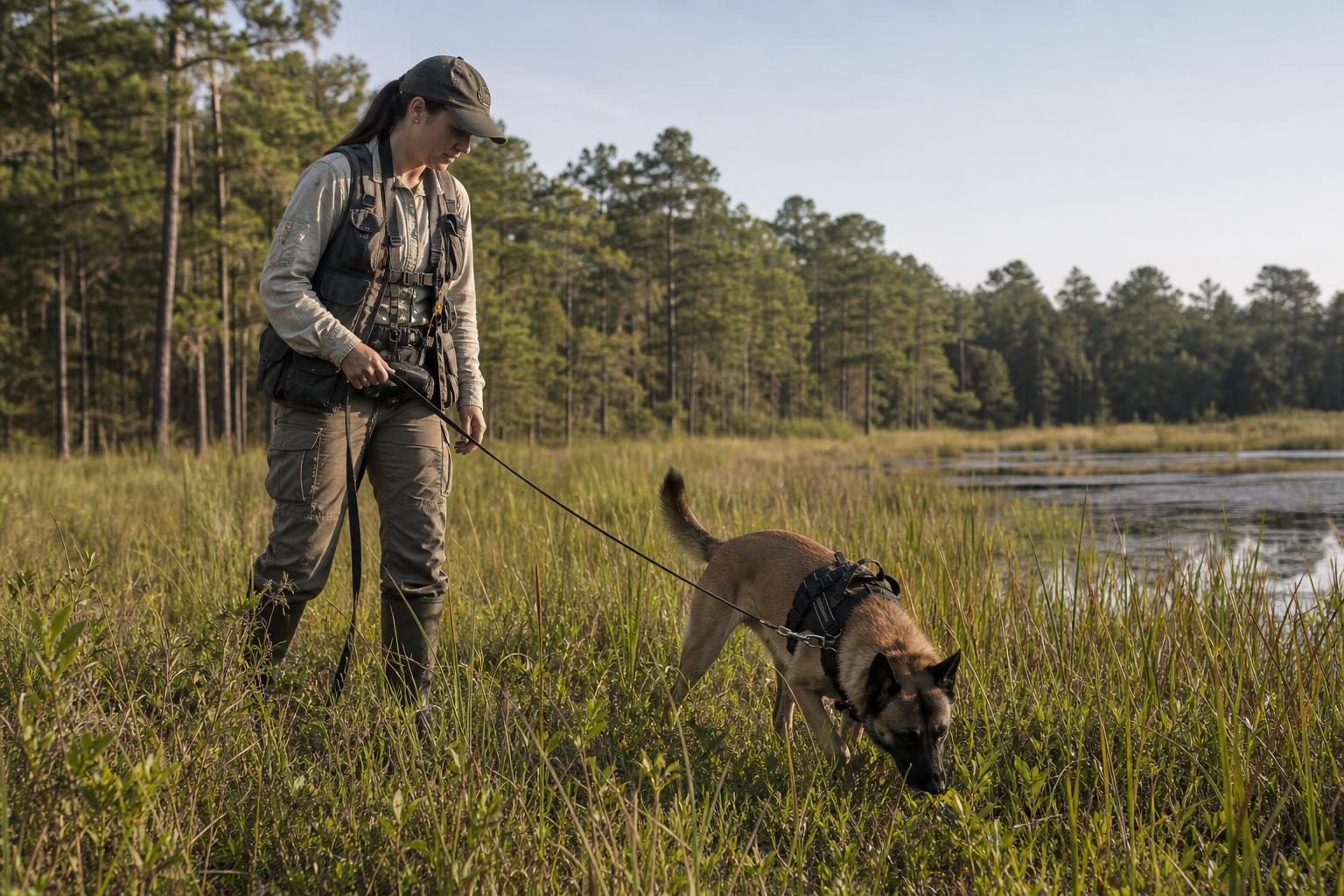
It is nothing of the sort. In rough country, a handler may be covering steep cuts, deadfall, creek bottoms, dry ridges, and brush so thick it feels like walking through wire. The dog has to stay in the game, and the handler has to read every change in body language. A quick head snap into the wind, a tighter search pattern, a sudden tail change, a moment of commitment at a patch of grass or rock ledge, those little things matter. A seasoned handler notices them before the dog ever gives a final indication.
The work often supports population monitoring, species recovery, habitat surveys, and invasive species control. In plain terms, these teams help conservation groups answer hard questions. Is a rare species still using this drainage? Are predators moving through this corridor? Has an invasive population spread farther than expected? Where are the samples scientists need for DNA analysis? A dog-handler team can answer those questions with remarkable speed and accuracy.
Why Dogs Matter So Much in Conservation Work
A human can walk past a target ten times and never know it was there. A well-trained dog can pick up odor that is days or even weeks old depending on conditions, target material, and terrain. That changes the entire equation in field research. Instead of relying only on visual surveys, trail cameras, or luck, conservation teams can use a dog to actively search broad areas with purpose.
There is also less disturbance in many situations. Rather than trapping, pushing, or pressuring wildlife to confirm presence, handlers can collect information from scent and sign. That matters with sensitive or endangered species. If you can gather reliable data without adding unnecessary stress to an already vulnerable population, that is a win for the species and the landscape.
A dog brings efficiency to the field, but more than that, it brings access to a layer of information we simply do not possess on our own. We can study maps, read tracks, and glass hillsides until dark, and we should. But a dog can still tell us something is there long before our senses catch up.
The Nose Is Only Part of the Equation
Folks sometimes talk as if success comes down to the dog’s nose alone. That is a mistake. Plenty of dogs have the raw nose for detection work. Far fewer have the mindset. Conservation detection dogs need drive without chaos, independence without disobedience, and stamina without losing clarity. They may work in heat, cold, dust, marsh, alpine country, burned timber, or desert edge. They need to search hard, recover from distractions, and stay emotionally steady in changing conditions.
The handler shapes all of that. Timing, reward delivery, search setup, line management, travel routines, and simple daily consistency make the dog. In the field, a handler has to know when to let the dog work out a problem and when to reset the search. That kind of judgment does not come from reading a few training notes. It comes from miles.
The Skills That Separate Good Handlers from Great Ones
A great conservation detection dog handler knows dogs first, but not dogs alone. They understand scenting conditions in a practical way. Morning moisture, thermal lift, crosswind drift, ground cover, sun exposure, and even the way a canyon holds air can affect a search. On one slope the odor may pool low. On another, it may carry thirty yards off the source. If the handler cannot read that, the dog’s effort gets wasted.
There is also a scientific side that deserves respect. These teams often work under survey protocols, chain-of-custody rules, data recording standards, and permit requirements. The handler may need to document exact find locations, prevent contamination of samples, and work cleanly enough that researchers can trust the result. In other words, this is not just dog work. It is dog work tied directly to evidence.
Then there is the simple field toughness that no one talks about enough. You may be hiking all day with water, reward toys, sample kits, first-aid gear, navigation tools, and communication equipment. You may be camping out, dealing with vehicle trouble, watching weather, and keeping a dog healthy in country full of hazards. Burrs, snakes, sharp rock, heat stress, porcupines, bad footing, and fatigue are all real concerns. Handlers need judgment because a dog that is physically gifted but poorly managed will not last.
Handler-Dog Trust in the Field
The best teams move with a kind of quiet confidence. The dog hunts freely but stays connected. The handler gives the dog enough room to solve the problem while still shaping the search. It reminds me of watching an experienced bird dog and hunter cover a big piece of country together. There is not much wasted motion, and there is very little noise. Each knows what the other is doing.
That trust is earned in training long before it ever shows up on a survey line. A conservation dog has to believe that finding odor pays. The handler has to believe the dog enough to stop, investigate, and not talk themselves out of a good indication. Many missed finds happen because the person second-guessed the dog. Many false assumptions happen because the person read excitement where there was only curiosity. Great handlers learn the difference.
How Conservation Detection Dogs Are Trained
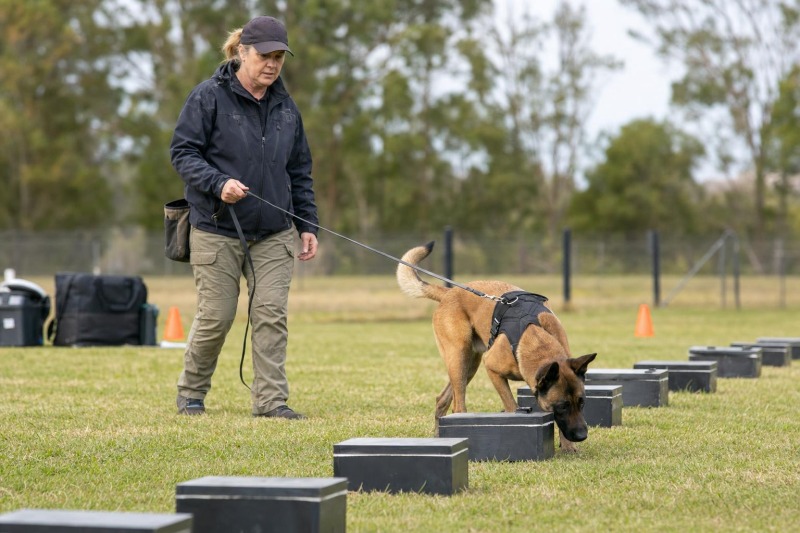
Training usually begins with building hunt drive and a strong reward system. The dog learns that target odor leads to a favorite toy, food reward, or game. From there, searches become more complex. Different environments, harder hides, aged odor, contamination challenges, and blank areas all teach the dog to stay honest and persistent.
A serious handler also trains for operational reality. That means working around wildlife scent, livestock, human traffic, changing weather, and rough footing. The dog has to ignore all the tempting things nature throws in front of a nose. That is no small ask. A dog may pass deer beds, rabbit trails, old carcasses, and fresh predator sign on the way to a target. The dog must understand the assignment and stay true to it.
Proofing matters just as much as enthusiasm. A flashy dog that hunts hard but calls false alerts is a liability. Conservation programs depend on dependable data, so the handler must build accuracy along with intensity. In good programs, maintenance training never really ends. Dogs need regular refreshers, honest assessments, and search scenarios that keep standards high.
Who Is This Work Best Suited For?
Dog owners who already appreciate working breeds often find conservation detection work deeply appealing because it gives a dog a meaningful job with visible value. High-drive retrievers, herding breeds, versatile hunting dogs, and mixes with the right balance of nerve, athleticism, and reward motivation can all excel. Breed matters less than the full package. The dog has to want to hunt, recover quickly, travel well, and enjoy the game.
For handlers, this path suits people who love dogs enough to stay patient and love the outdoors enough to stay uncomfortable. It also helps to have humility. The land will humble you, the weather will humble you, and a good dog will humble you too. If that sounds familiar, it is because the same qualities shape capable hunters, trainers, and field people in every corner of the dog world.
A Growing Role in Modern Wildlife Management
As budgets tighten and conservation challenges grow, detection dog teams are becoming more valuable, not less. They help stretch resources, improve survey efficiency, and locate biological material that might otherwise remain hidden. In many regions, they are now part of serious wildlife management strategy rather than a novelty.
That should not surprise anyone who has lived around working dogs. We have always known what a skilled dog can do when given purpose and fair training. Conservation detection dog handlers are simply proving that truth in a different arena. They are taking the same old partnership between human and dog into places where science, stewardship, and fieldcraft meet.
That is what makes this work so compelling. It is practical, honest, and rooted in trust. A handler reads the country, the dog reads the wind, and together they find what matters. For people who care about working dogs, there is something deeply satisfying in that picture. It is not flashy. It is not loud. It is just a dog doing hard, useful work in the open air, and a handler sharp enough to make that work count.