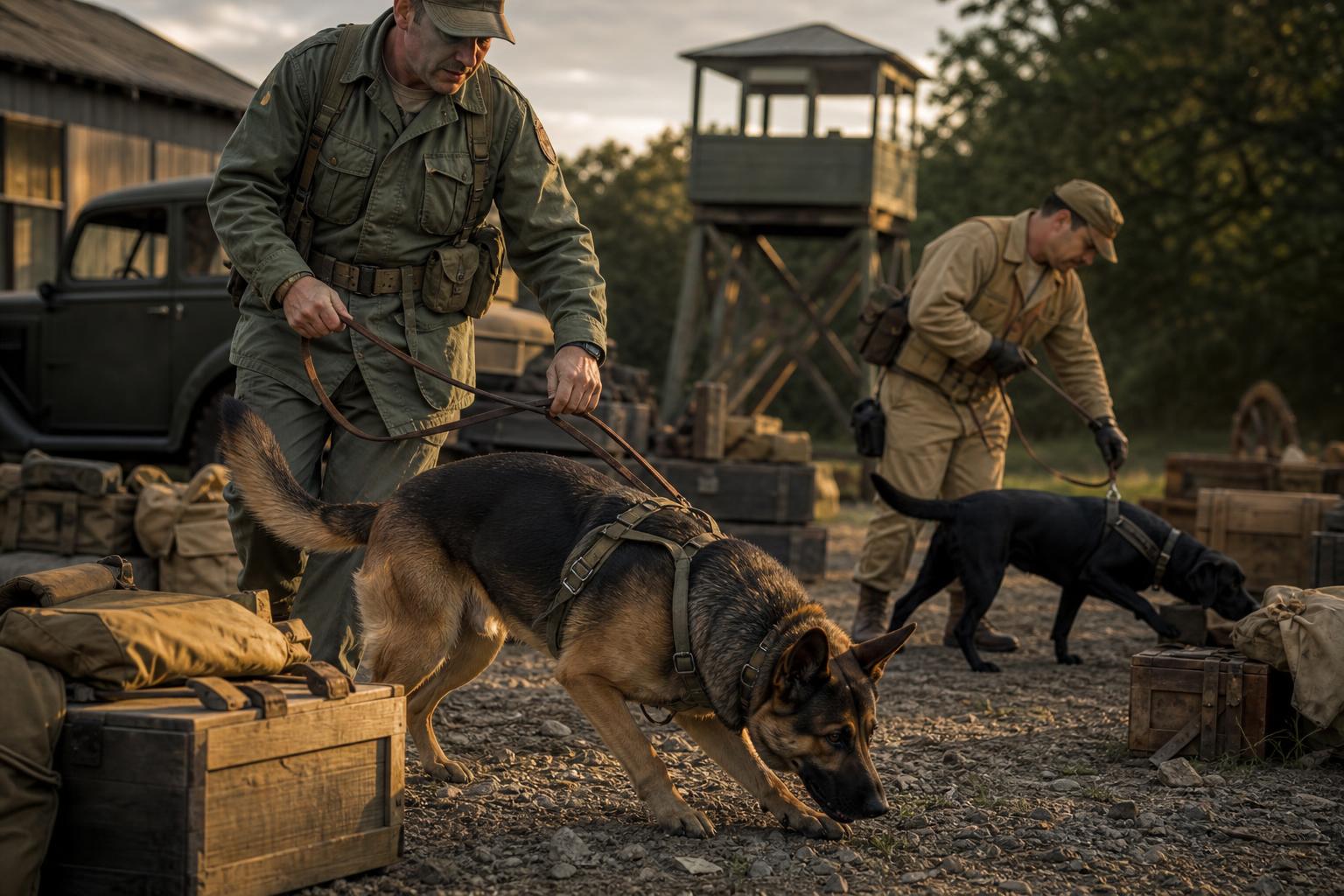
Detection-dog history is most useful when a famous name leads to a documented account of the work. The dogs remembered today helped demonstrate what trained scent teams could contribute in settings as different as border inspections, police work, and conservation.
Folks often hear the phrase detection dog and think only of narcotics or explosives, but the story runs much deeper than that. Detection work has included military scouting, search and rescue, disease detection, customs work, contraband recovery, and tracking human scent under impossible conditions. Some of these dogs became public legends. Others were known only within their units or departments, yet their influence still shaped modern working dog programs. When you look back across history, you see a clear pattern: the best detection dogs were not just gifted. They were handled well, trusted deeply, and put to work where their natural abilities mattered.
Early Detection Dogs and the Rise of Scent Work
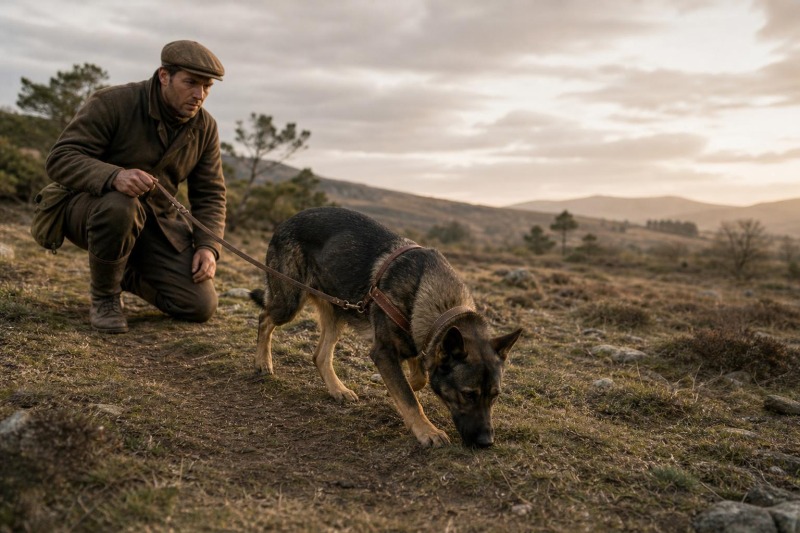
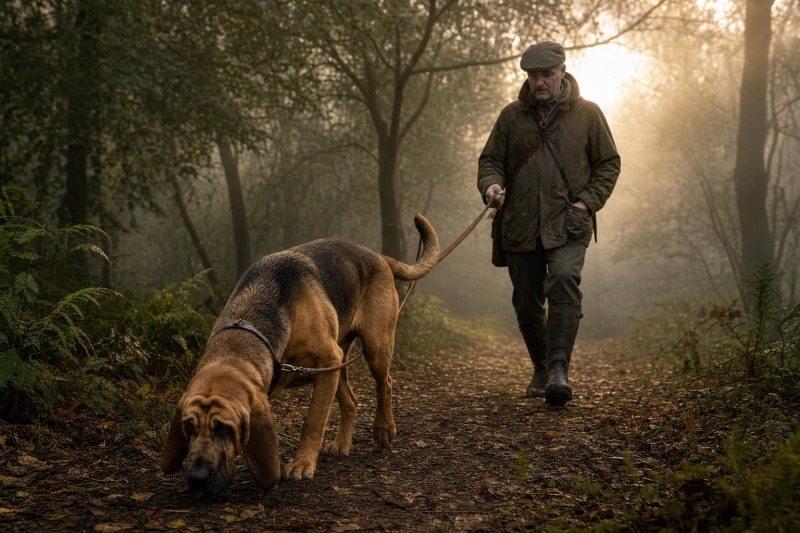
Long before formal certification programs and specialized kennels, dogs were already being used to locate people, livestock, and hidden threats. Hunters knew it. Gamekeepers knew it. Soldiers knew it too. A dog that could pick up and hold scent through wind, mud, blood, rain, and confusion had real value in rough country. In many ways, modern detection work grew out of those older traditions. A tracking hound following a wounded stag and a police dog trailing a suspect are not doing the same job, but the foundation is familiar: nose first, mind steady, body willing.
By the late nineteenth and early twentieth centuries, more organized police and military dog programs began taking shape in Europe. Bloodhounds became widely associated with trailing human scent, and German Shepherds gained a strong reputation for trainability, nerve, and versatility. That period laid the groundwork for what we now recognize as formal detection work. It also introduced the public to the idea that a dog’s nose could serve the law, the military, and the wider community in a disciplined, repeatable way.
Dogs of War and Quiet Heroism
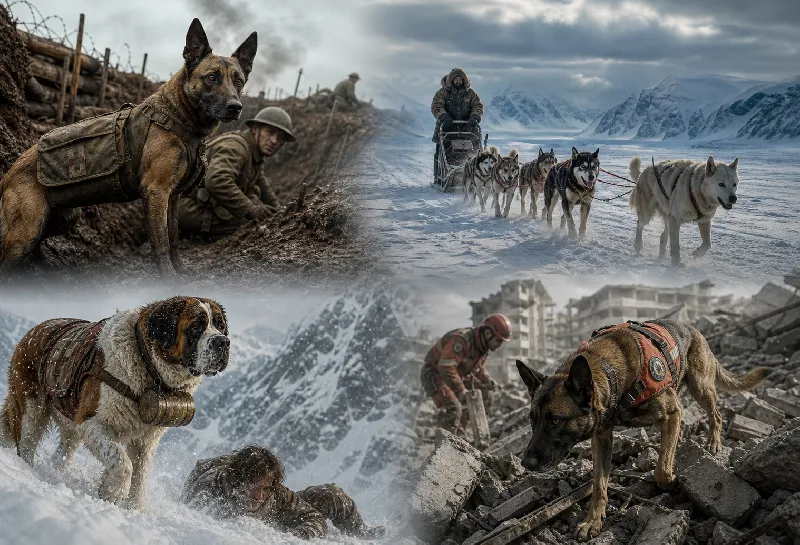
Some of the most famous detection dogs in history came out of wartime service, though not all of them wore that title in newspapers. During the world wars, dogs were used to carry messages, locate wounded soldiers, warn of approaching enemies, and help identify hazards in shattered landscapes. Their jobs were often part detection, part nerve, part raw courage. A dog working amid artillery smoke and human fear had to keep its head in a setting where many men struggled to do the same.
One of the best-known wartime dogs was Chips, a military working dog in World War II. While Chips is remembered chiefly for bravery in combat, his service helped spotlight the wider value of military dogs, including those trained for guarding, scouting, and finding hidden threats. He represented a turning point in public awareness. People began to understand that dogs were not mascots near the front. They were active partners, and their senses gave them an edge no machine of that era could match.
Police Detection Dogs That Set the Standard
As cities grew and crime work became more specialized, police dog programs expanded. This is where detection dogs truly entered the modern spotlight. It was no longer enough for a dog to be merely tough or obedient. The best ones had to search methodically, ignore distractions, indicate clearly, and repeat performance day after day. That kind of reliability made certain dogs famous inside the profession and, in some cases, beyond it.
Among the most celebrated examples is Mattie, the accelerant detection dog known for locating traces of ignitable liquids at fire scenes. Handled by arson investigator Paul L. Doyle in the United States, Mattie became something of a trailblazer. Her work showed investigators just how precise a properly trained dog could be in post-fire environments where evidence was fragile and often buried under ash, water, and wreckage. Mattie’s success did more than solve individual cases. She helped legitimize and expand the use of accelerant detection dogs nationwide. In practical terms, she changed the toolkit available to fire investigators.
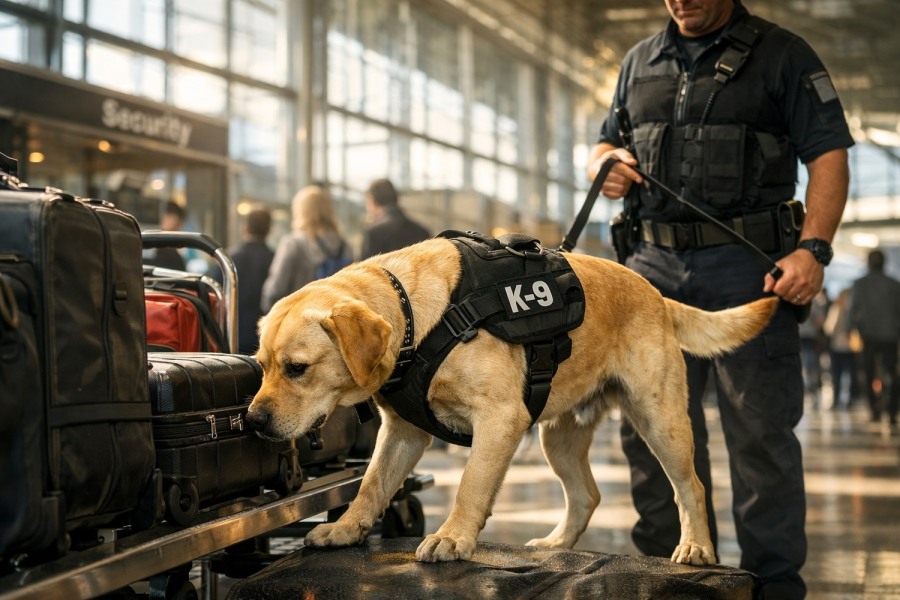
Another important chapter in the story belongs to narcotics and explosives dogs that worked airports, borders, train stations, and major events. While many of these dogs were known more to handlers than to the public, their role became increasingly visible in the late twentieth century. Their fame came not from a single headline but from steady service. They learned to detect hidden drugs in vehicles, luggage, cargo, and buildings, and later became central to anti-terrorism efforts. Every traveler who has seen a calm dog weave through a terminal has witnessed the legacy of decades of selective breeding, training, and hard-earned trust.
Why Certain Detection Dogs Became Famous
A dog becomes famous for one of two reasons, and sometimes both. Either it performs an extraordinary act under hard conditions, or it changes the profession itself. That distinction matters. Plenty of excellent dogs never receive public recognition. They do the work, ride home, and do it again the next morning. The dogs history remembers tend to be those that either captured the public imagination or left behind methods, records, or case results that altered training standards for everyone else.
Mattie fits that second category well. So do pioneering customs dogs and forensic detection dogs whose work helped agencies trust scent evidence more deeply. Their fame came from results. In the dog world, that is the kind of reputation that lasts.
Detection Dogs in Search, Rescue, and Human Recovery
Not all famous detection dogs in history worked contraband or criminal cases. Some became known because they found people when the odds were ugly and the clock was against them. Search and rescue dogs, cadaver dogs, and disaster response dogs do some of the hardest scent work on earth. They work through rubble, flood debris, timber, open ground, and weather that can tear scent apart. When they succeed, families get answers and responders get direction. That is no small thing.
After major disasters, the public often catches a glimpse of these dogs in action. They search where machinery cannot read scent and where human eyes see only chaos. Their work demands extraordinary conditioning and a balanced temperament. A dog that panics, rushes, or quits is of little use. The famous ones are remembered because they stayed on task under conditions that would test any living thing.
There is a special respect owed to human remains detection dogs as well. It is difficult work, quiet work, and often emotionally heavy for the people involved. Yet these dogs have become essential in criminal investigations, missing-person cases, and historical recovery efforts. Their contribution rarely makes for flashy headlines, but within working dog circles, their place in history is secure.
Modern Detection Dogs and New Frontiers
If an old handler from fifty years ago could see the range of scent work now, he would shake his head and grin. Today’s detection dogs are being trained to identify invasive species, agricultural threats, bed bugs, electronic storage devices, and even certain diseases. Medical detection dogs, in particular, have drawn major attention for their ability to identify changes in the human body through scent. Research and field results have suggested dogs may detect cancers, blood sugar shifts, and infectious illnesses with remarkable sensitivity.
That newer work stands on the shoulders of the dogs that came before. The public does not trust a new detection field unless older fields have already proven the dog’s nose is dependable. Every famous detection dog in history helped build that trust one search at a time.
The Handler Matters More Than Most People Know
Anyone who has hunted behind a good dog knows this plain truth: the dog does the nose work, but the partnership makes the result. Famous detection dogs did not rise on instinct alone. They had handlers who read behavior, rewarded honestly, managed stress, and knew when to let the dog work. Poor handling can blunt even a talented dog. Skilled handling can bring a gifted one all the way into history.
That matters for today’s dog owners, especially those interested in working dogs. When folks admire a famous detection dog, they should also admire the discipline behind it. Good detection work is never accidental. It is repetition, timing, confidence, and trust built over many days when nobody is watching.
What Their Legacy Means for Working Dog Owners
The legacy of famous detection dogs is bigger than medals and newspaper stories. These dogs proved beyond argument that scent work is one of the most valuable jobs a dog can perform. They helped improve breeding decisions, shaped modern training systems, and expanded what the public believes dogs can do. For the average owner who loves working breeds, their story is also a reminder that a dog needs meaningful use for its natural gifts. A sharp nose and willing mind should not be wasted.
Whether you run a Labrador, a Malinois, a German Shepherd, a Spaniel, or a purpose-bred hound, scent work gives a dog honest labor. It settles the mind, builds confidence, and strengthens the bond between dog and handler. You may never train the next famous detection dog in history, but you can still learn from the qualities that made those dogs great: steadiness, drive, composure, and a handler smart enough to trust the nose.
The finest working dogs are rarely dramatic in the kennel. They save their greatness for the field. The same was true for the detection dogs that made history. They stepped into smoke, rubble, crowds, terminals, battlefields, and crime scenes, then did exactly what they were bred and trained to do. That is why we remember them. Not because they were glamorous, but because when people needed certainty, those dogs found it by scent.