Military protection dogs work within a trained team and an operational system. Their usefulness depends on preparation, control, physical condition, and the handler’s judgment. A dramatic display reveals only a small part of that partnership.
For dog owners interested in working dogs, military dogs represent the far edge of canine purpose. They show what happens when strong genetics, expert handling, and relentless conditioning all come together. These dogs are asked to operate in the worst conditions a handler can face, and they do it while reading scent, body language, terrain, and command pressure all at once. It is one of the clearest examples anywhere of what a dog can become when bred for drive and trained with care.
The Role of Military Protection Dogs in Combat
When people hear the phrase military protection dog, many picture a dog trained only to bite and guard. That misses the bigger truth. In combat, protection is broad. A military dog may patrol ahead of troops, search compounds, detect hidden enemies, locate explosives, guard a position, and engage a suspect if the situation turns close and violent. The protection starts long before a physical confrontation. In many cases, the dog prevents the ambush, exposes the hidden threat, or warns the team that something is wrong before human senses catch up.
That is where these dogs earn their keep. A well-trained military dog can move through a space with a kind of honest efficiency that people admire because it is real. A dog does not care about rank, noise, or bravado. It cares about scent, movement, command, and the relationship with its handler. In urban combat, on patrol routes, and in searches of buildings or vehicles, that clarity becomes priceless.
More Than Controlled Aggression
The public often focuses on apprehension work because it is dramatic, but military protection dogs are valued just as much for stability and discrimination. The right dog must know when to remain quiet, when to press forward, and when to switch from intense drive to calm control in a heartbeat. That kind of balance is not common. It has to be selected for, developed, and maintained every day. The best combat dogs are not wild animals pointed at a target. They are disciplined workers with enough nerve to handle chaos and enough obedience to function safely inside a team.
How Combat Dogs Are Selected and Trained
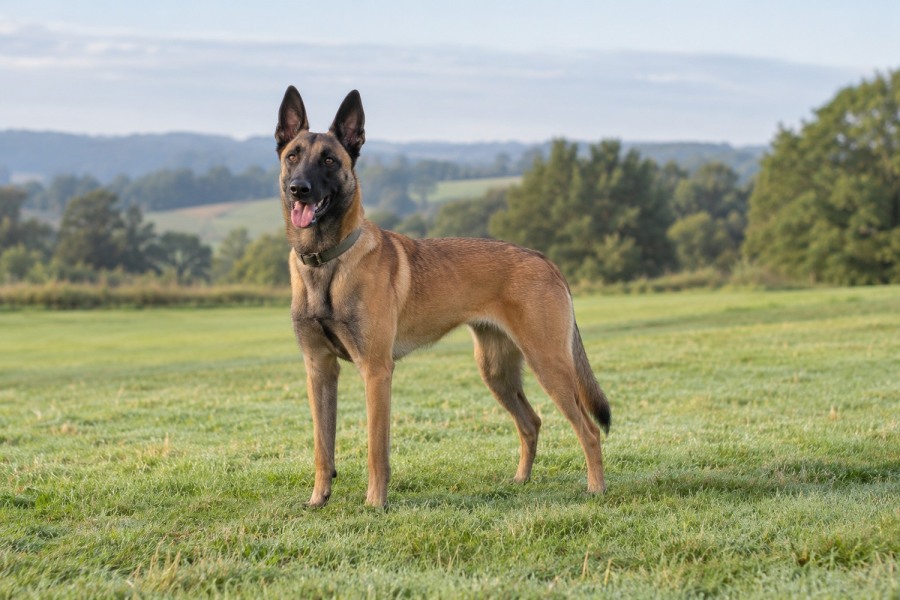
Good combat dogs do not happen by accident. The process begins with genetics. Dogs chosen for military work typically come from bloodlines known for courage, hunt drive, strong nerves, athleticism, and clear heads under pressure. Breeds like the Belgian Malinois and German Shepherd have become closely associated with this work because they combine speed, intensity, trainability, and physical grit. Even then, not every dog from a strong line is cut out for combat duty.
Evaluation is strict. Trainers look for dogs that will chase, search, grip with commitment, recover quickly from stress, and stay engaged in distracting environments. Slick floors, strange noises, unstable footing, gunfire, helicopters, dark buildings, and crowds all reveal something about a dog’s real makeup. In the field, a dog that hesitates at the wrong moment can put people in danger. A dog that cannot settle and think can be just as risky.
Training layers these instincts into practical military function. Obedience is the backbone, but it is only the beginning. Dogs learn controlled apprehension, area searches, building clearance support, scouting ahead, and in many cases explosive detection. They are conditioned to work in heat, dust, darkness, and confusion. They ride in vehicles, helicopters, and aircraft. They learn to trust the handler’s command even when every instinct is pulling them toward a noise or scent source.
What matters most is repetition under pressure. Any dog can look sharp on a clean training field. Combat dogs must perform in blown-out streets, unfamiliar compounds, and tense, fast-moving situations where there is no room for guessing. The training has to be so deep that the dog can function through stress without losing clarity.
The Handler-Dog Bond in the Combat Zone
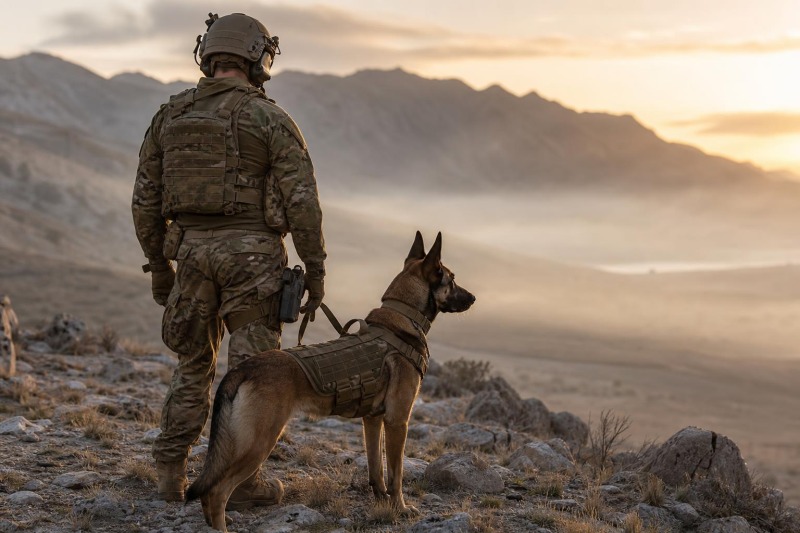
If you talk to people who have hunted hard behind a good dog, they will usually tell you the same thing in one form or another: a real dog partnership is built on trust earned over time. Military handlers know that better than most. In combat, the dog is not a piece of gear. The dog is a teammate with a mind, instincts, and emotions of its own. That relationship has to be tended every day, because in the field the handler may have to trust the dog with life-and-death decisions made in a fraction of a second.
Handlers learn to read tiny changes in posture, breathing, pace, and expression. A slight head turn, a shift in the tail, a different cadence on the lead, or sudden interest in a doorway can say more than a spoken warning. In return, the dog learns the handler’s voice, body pressure, pace, and expectations until the pair begins to move with a kind of quiet economy. When it is working right, it looks almost effortless, though there is nothing easy about what built it.
Trust Under Fire
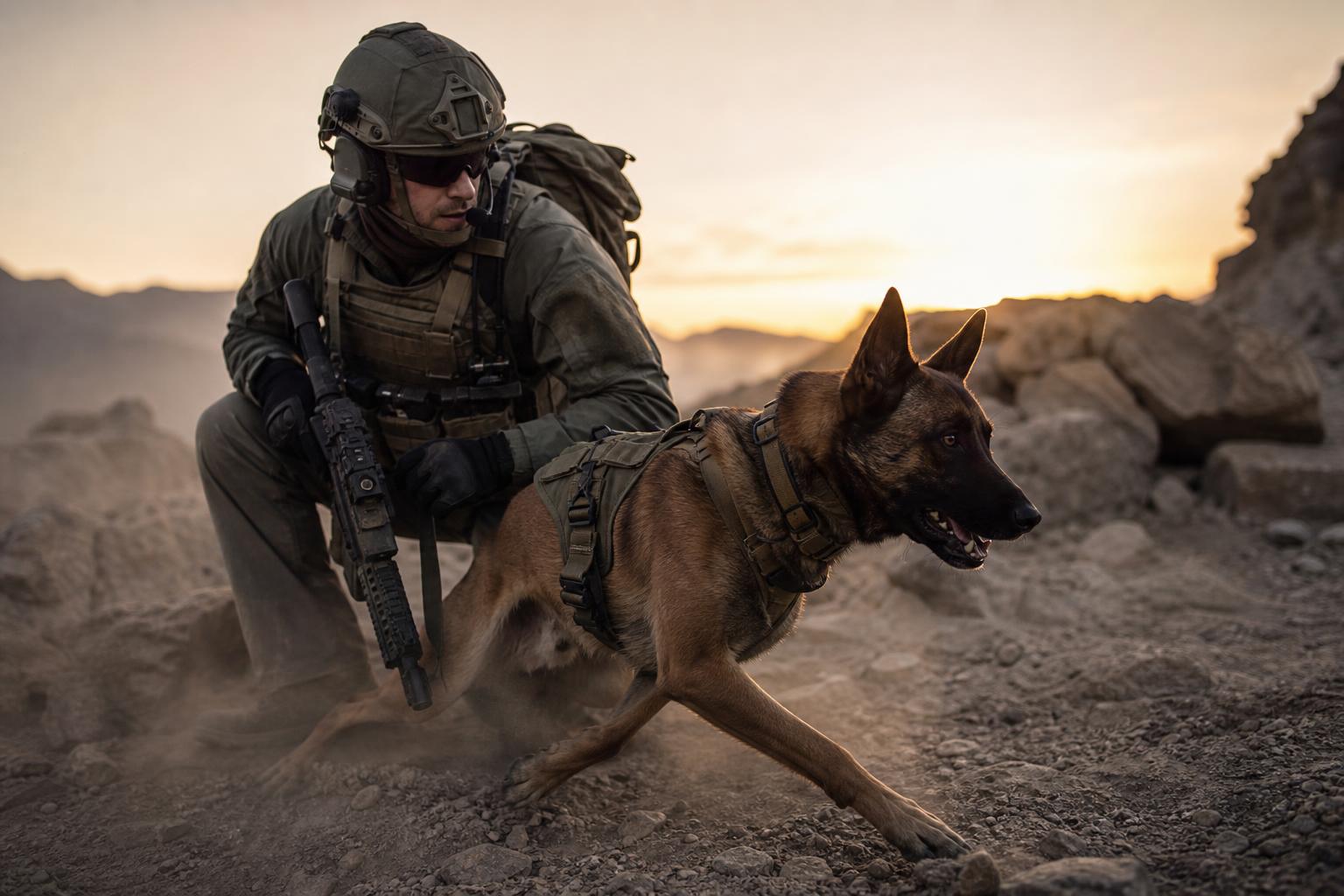
The part that outsiders often underestimate is how much emotional steadiness matters. Gunfire, blasts, shouting, and the scent of fear can roll through a combat environment like bad weather. A military protection dog has to remain engaged and responsive in the middle of that storm. The handler has to stay equally composed, because dogs read us with brutal honesty. Nerves travel down the leash. So does confidence. In many stories from the field, it was not just training that carried the team through but the simple fact that the dog believed in the handler and the handler believed in the dog.
Combat Missions Where Military Dogs Make the Difference
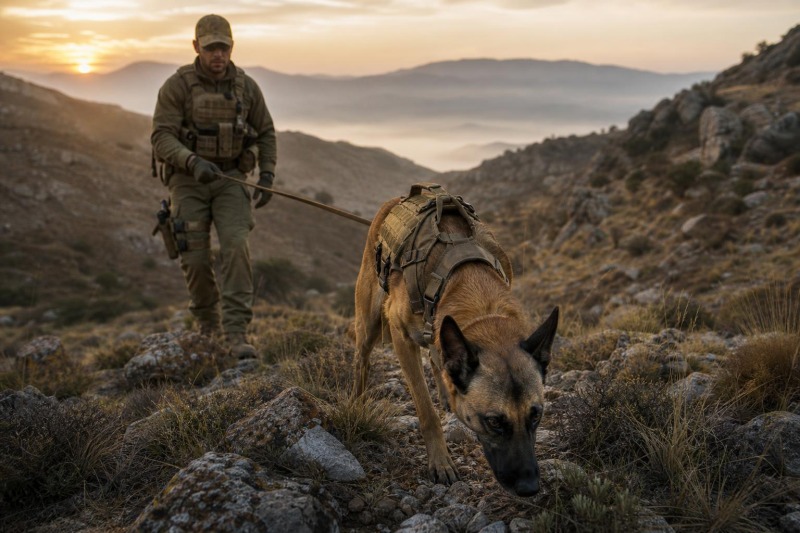
One of the most valuable uses of military protection dogs in combat is route and area security. Dogs can detect hidden threats, alert on suspicious scent, and help teams clear spaces that would otherwise require slower and more dangerous human-only searches. In close quarters, especially in compounds and buildings, a dog can reach, smell, and pressure a hiding enemy in ways technology still cannot match consistently.
That matters because combat rarely unfolds in neat, open country. It happens in cluttered spaces, broken ground, narrow alleys, and interiors full of blind corners. A dog moving ahead of the team can force a concealed person to reveal position, refuse escape routes, or surrender without a shot fired. Other times, the dog’s detection ability warns handlers away from explosives or hidden danger before a patrol steps into trouble.
There is also a psychological edge. A trained military dog carries presence. Opponents understand quickly that they are facing an animal built to pursue, locate, and engage without hesitation. That pressure can end resistance before it becomes a firefight. In the best outcomes, the dog’s reputation alone helps resolve the encounter with less bloodshed.
The Physical and Mental Demands on Combat Dogs
These dogs pay for their service with hard miles and heavy stress. Combat work demands explosive speed, endurance, strong joints, healthy feet, and a nervous system that can absorb repeated pressure. Heat injuries, cuts, strain, and fatigue are real concerns. So are the mental costs of sustained intensity. Just like any serious working dog, a military dog needs conditioning, recovery, veterinary care, and careful management if it is going to stay effective and sound.
People who admire these dogs should remember that toughness is not the same as indestructibility. That principle holds in combat as surely as it does in the field or kennel.
Life After Service
Many military working dogs go on to retirement with their handlers or adoptive homes, and that transition matters. Some settle beautifully into quieter lives. Others need time, structure, and experienced handling to adapt. They have spent years living with clear jobs and sharp routines. Understanding their drives, thresholds, and habits is essential. For civilian dog owners, this is an important reminder that elite working dogs are shaped by purpose, and that purpose does not simply vanish when the work ends.
What Dog Owners Can Learn From Military Protection Dogs
Even if most dog owners will never handle a combat dog, there is plenty to learn from them. First, training means very little without relationship. Second, confidence is built through exposure and clarity, not chaos. Third, a dog’s usefulness is tied to genetics, health, and honest evaluation just as much as effort. Finally, the highest-performing dogs are not always the loudest or flashiest. More often, they are the ones with steady nerves, clear heads, and a deep willingness to work with a person they trust.
That may be the lasting lesson in all of this. Military protection dogs in combat stand as proof that a dog can be both fierce and controlled, driven and obedient, intense and dependable. They are living examples of what partnership looks like when it is tested in the hardest places on earth. For those of us who have spent a lifetime admiring working dogs, that is something worth respecting. These dogs do not serve for applause. They serve because they are bred to work, trained to perform, and bonded to the people beside them with a loyalty that still humbles anyone who understands what a good dog really is.