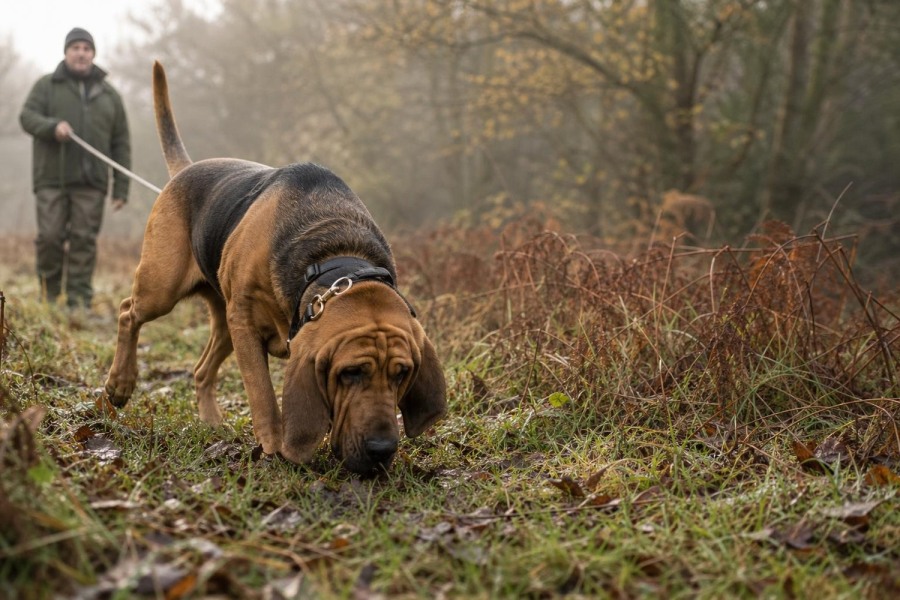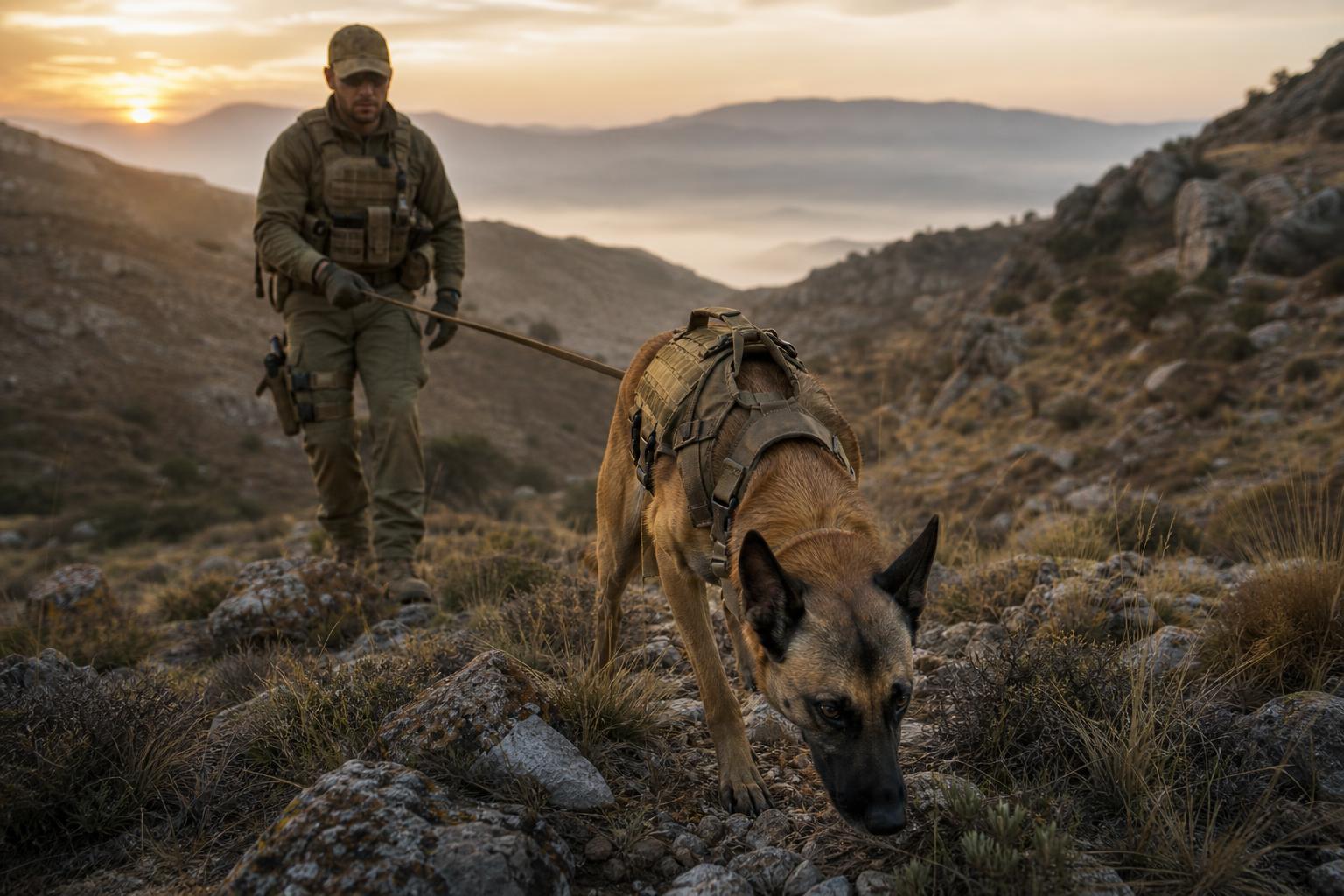
Military tracking dogs have been used to help teams follow human movement through difficult country. Their role depends on the mission, the training, and the available support. The history is best read through specific operations and documented accounts.
These dogs were not mascots and they were not ornaments. They were battlefield assets with jobs that demanded steadiness, intelligence, and grit. A tracking dog had to sort through chaos and keep his head while gunfire cracked, rotors beat overhead, and soldiers waited on that next sign from the leash. For handlers and infantry alike, trust in the dog was not sentimental. It was practical, earned, and sometimes the difference between coming home and not.
The History of Military Tracking Dogs
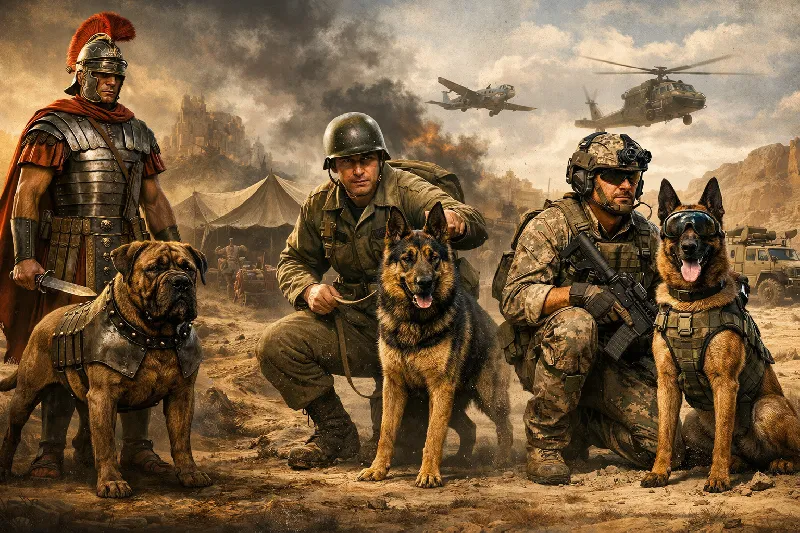
The use of dogs in war reaches back centuries, but military tracking dogs came into sharper focus in modern conflicts where small-unit movement, hidden positions, and irregular warfare made a dog’s nose especially valuable. As battlefields shifted away from open formations and into broken terrain, jungles, and populated areas, armies learned that a trained dog could detect what human senses missed.
By the twentieth century, organized military dog programs began assigning dogs to sentry duty, messenger work, mine detection, and tracking. Tracking became especially important in conflicts where enemy forces relied on stealth, ambush, and quick movement through difficult cover. In those conditions, a dog could read the ground like a veteran woodsman reads a fresh trail in damp leaves. Disturbed vegetation, crushed earth, skin rafts, lingering body odor, and microscopic scent particles all told a story, and the dog could follow it line by line.
Much of the public memory around military tracking dogs centers on the Vietnam War, and rightly so. Jungle tracking teams there showed just how valuable a well-trained dog and skilled handler could be. Dense vegetation swallowed sound, visibility was poor, and enemy fighters knew how to disappear. Yet many tracking dogs still managed to follow trails hours old through punishing conditions, alerting handlers to hidden positions, wounded enemy, discarded gear, and escape routes. Their work was dangerous, intimate, and often done one careful step at a time.
What Makes a Good Military Tracking Dog?
Not every strong dog belongs on a tracking lead in combat. A military tracking dog needs more than drive. He must have clear nerves, sound health, a steady temperament, and a willingness to work in tight partnership with a handler. He has to ignore distraction, process pressure, and stay committed to scent when every instinct might tell him to react to noise or movement around him.
Breeds commonly chosen for military work have often included German Shepherds, Belgian Malinois, Labrador Retrievers, and occasionally other dogs that offered the right mix of nose, athleticism, trainability, and resilience. Even then, breeding alone never guaranteed success. With working dogs of all kinds, the best ones carry a certain honesty about them. They do not bluff. They either commit to the task or they do not. In warfare, that honesty matters because a false indication or a distracted dog can put lives at risk.
The Nose and the Mind
People love to talk about a dog’s nose, and for good reason, but scenting talent is only part of the equation. The mind behind that nose matters just as much. Tracking dogs must problem-solve. Wind shifts, rain alters conditions, hot ground changes scent behavior, and heavy foot traffic can muddy the picture. A dog that panics, guesses, or loses confidence is a liability. A dog that works methodically, checks himself, and re-acquires the trail under stress is worth his weight in gold.
How Military Tracking Dogs Were Trained
Training a military tracking dog is not a matter of simply teaching him to put his nose down and pull. True tracking work is built through repetition, controlled progression, and a handler’s growing ability to read the dog. Early training often begins on simple, fresh tracks with clear rewards. From there the difficulty increases. Tracks age. Terrain changes. Contamination from other people is introduced. Environmental stress rises. The dog learns that the job remains the same even when conditions are far from ideal.
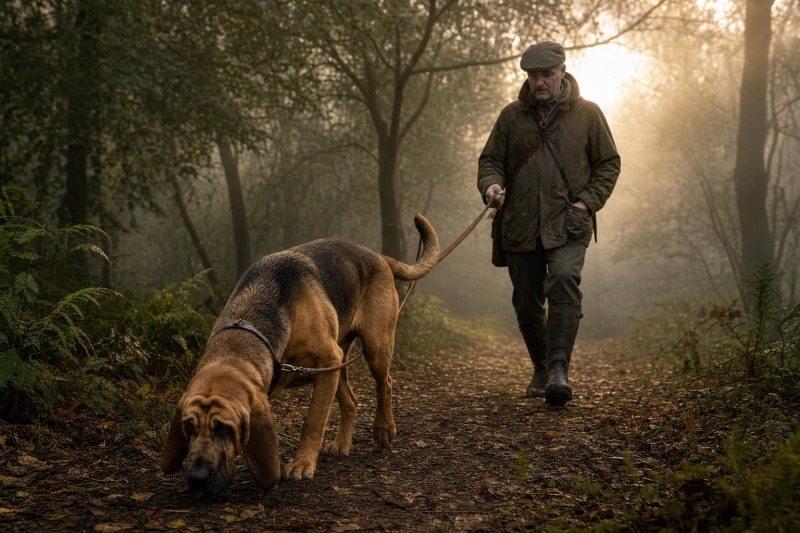
The handler’s education is just as important. A tracking dog speaks constantly, but not in words. The line tightens, the ears shift, breathing changes, tail carriage alters, and pace tells its own story. A good handler learns the difference between confidence and uncertainty, interest and commitment, true scent and mere curiosity. In war, handlers had to interpret these signs while staying aware of tactical danger, terrain, and communication with nearby troops. That is a heavy burden for any man, and it is why strong dog-handler teams become so closely bonded.
Training for Battlefield Realities
Combat tracking is not sport tracking. The dog has to work around gunfire, helicopters, foreign smells, blood, explosives, and exhausted men. He may need to indicate enemy presence without breaking control. He may need to track a fleeing combatant, find a lost soldier, or help locate an ambush site. Training therefore pushes far beyond clean fields and controlled lanes. The best programs condition the dog for confusion, pressure, and unpredictability, because warfare offers no perfect setups.
The Role of Tracking Dogs in Combat Operations
Military tracking dogs in warfare have been used for a range of missions, but their greatest strength lies in finding what is hidden. A dog can follow the route of a person who has slipped away after contact. He can help a patrol determine where an enemy force moved after an ambush. He can locate concealed positions, caches, or wounded personnel. In some operations, the dog’s reaction to scent can warn soldiers that they are walking into danger before the first shot is fired.
That kind of warning is hard to measure until you have seen close cover and uncertain ground for yourself. In thick brush or urban clutter, danger can be ten yards away and invisible. A dog changes that equation. He gives shape to the unseen. He turns rumor into direction. Even when the trail does not end in direct contact, it can reveal movement patterns, escape corridors, and likely hide sites that commanders can use in later operations.
There is also a psychological dimension that should not be overlooked. Troops who worked with reliable dogs often developed deep confidence in them. That confidence steadied patrols and sharpened decision-making. On the other side, enemy forces learned to respect and fear dogs that could find men who believed they had vanished. The battlefield is always physical, but it is also mental, and tracking dogs influenced both sides of that balance.
Vietnam and the Legacy of Combat Tracker Teams
No discussion of military tracking dogs is complete without touching on Vietnam. In that war, tracker teams became a specialized tool against an enemy skilled in concealment and movement through difficult terrain. A standard combat tracker team often included the dog, the handler, a cover man, and additional security personnel. They moved carefully, reading the dog and the ground together, following trails that could lead to bunkers, sniper positions, or fleeing enemy troops.
The jungle was a hard school. Heat, moisture, insects, and dense growth punished both dog and handler. Every trail carried risk. A dog working honestly into scent might lead his team toward booby traps or waiting rifles. Yet again and again, these teams proved their value. They found enemy movement where no obvious sign remained. They recovered bodies. They supported patrols in terrain where human senses alone were badly outmatched.
Many of those dogs gave everything they had, and not all received the recognition they deserved at the time. Their legacy has grown in recent years as more people have come to understand how much working dogs contributed to military history. For dog people, that recognition matters. A good dog never asks for medals, but he earns remembrance.
The Bond Between Handler and Dog
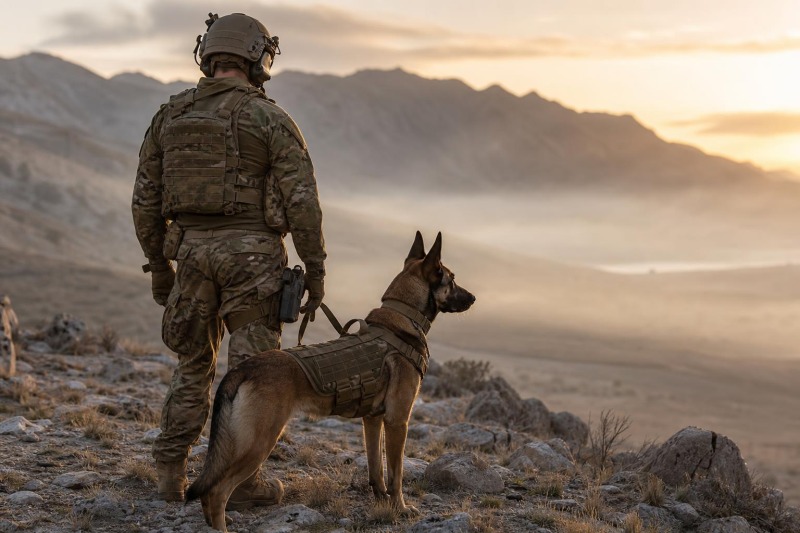
If you want to understand military tracking dogs, you cannot separate the animal from the man on the lead. The relationship is too close. A handler depends on the dog’s senses, but the dog depends on the handler’s judgment, protection, and consistency. In a war zone, that bond hardens fast. They eat together, travel together, train together, and face danger together. It becomes less like owning a dog and more like trusting a partner whose language you have learned through long miles and hard days.
That bond is one reason military working dog programs remain so respected. The work is technical, yes, but it is also personal. When handlers speak about their dogs, they rarely do so in the cold language of equipment. They talk about heart, reliability, and moments when the dog knew something first. Anyone who has watched a seasoned working dog lock onto a problem and solve it with complete conviction understands that feeling immediately.
Why Military Tracking Dogs Still Matter
Modern warfare has drones, sensors, thermal imaging, and surveillance tools that would have seemed unbelievable in earlier generations. Even so, the dog remains relevant. Technology can see much, but it does not replace a living nose working scent in real time across changing ground. A trained tracking dog can still provide information that electronics miss, especially in close terrain and fluid situations where human presence leaves a scent picture too complex for simple mechanical answers.
For dog owners interested in working dogs, military tracking dogs offer a powerful example of what selective breeding, thoughtful training, and human partnership can produce. These dogs were not just brave. They were useful in the truest sense of the word. They performed a hard job under the worst conditions imaginable and did it with a kind of plain, unquestioning honesty that has always defined the best dogs.
Military tracking dogs in warfare deserve to be remembered not as a footnote, but as a serious chapter in the history of working dogs. They carried no speeches, made no claims, and sought no attention. They simply followed the trail wherever it led, and many soldiers lived because they did.