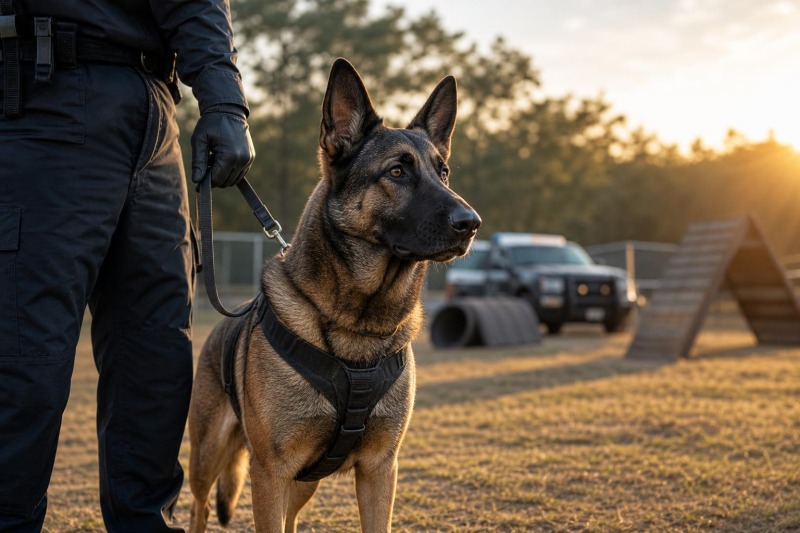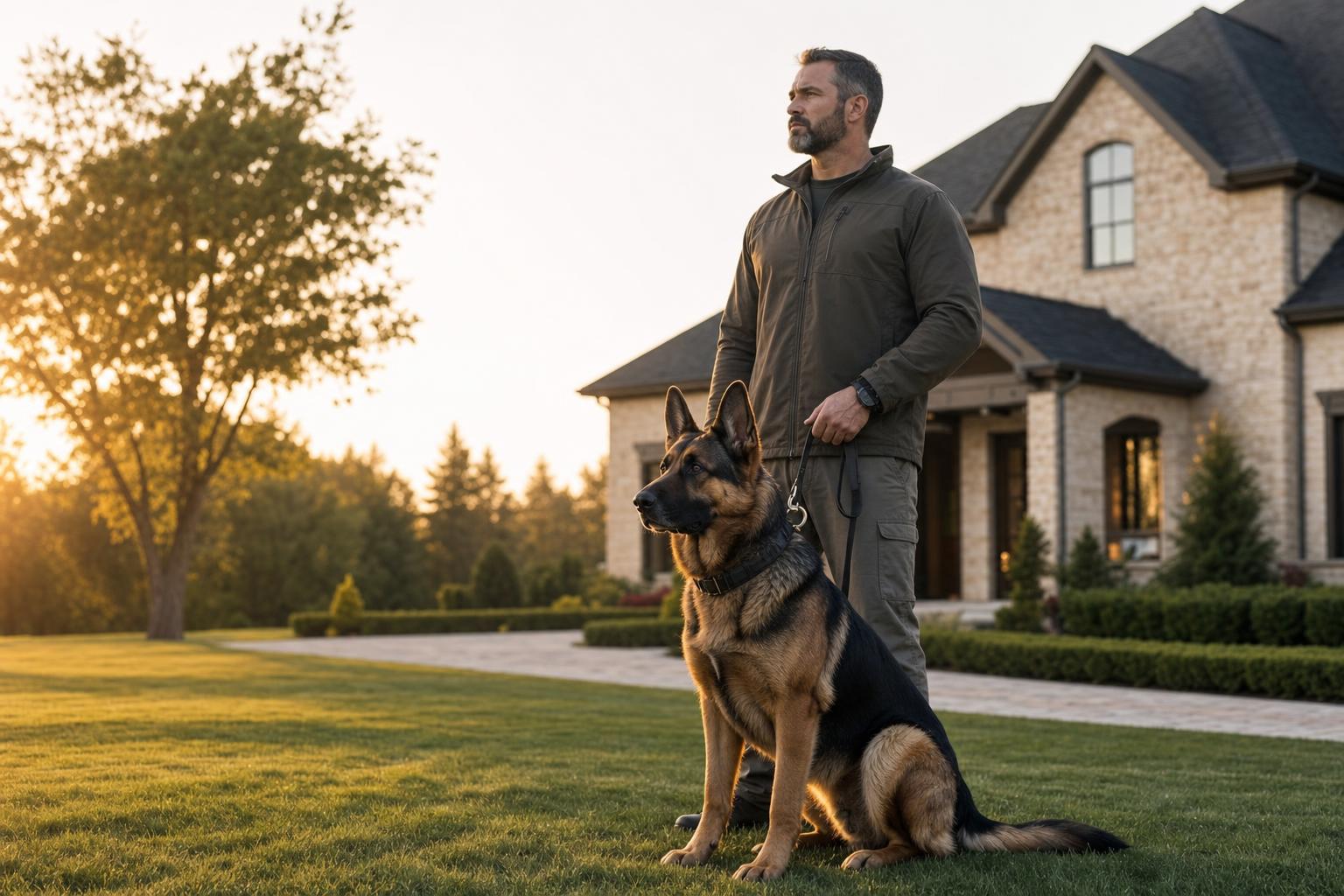
Protection work asks a dog for controlled responses under pressure. Temperament, sound training, and responsible handling determine whether that work is useful and manageable. Barking at a boundary tells an owner far less than a careful assessment of the individual dog.
The best protection dogs do not go looking for trouble. They live with their people, learn their routines, and stay grounded until a threat becomes real. That balance is what separates a trained working dog from an anxious pet with bad habits.
For dog owners interested in working dogs, understanding protection work starts with the right expectations. These dogs are not shortcuts to safety, and they are not suitable for every household. They require genetics, training, structure, and a handler who respects what the dog is and what it is not.
What a Protection Dog Really Is
A protection dog is trained to defend a handler, family, or property in a controlled and lawful manner. That training is built on obedience, nerve, confidence, and discernment. The dog must be able to assess pressure, respond to commands, and disengage immediately when told. In practical terms, that means a good protection dog can lie quietly on the porch while company arrives, yet still react with purpose if someone presents a genuine threat.
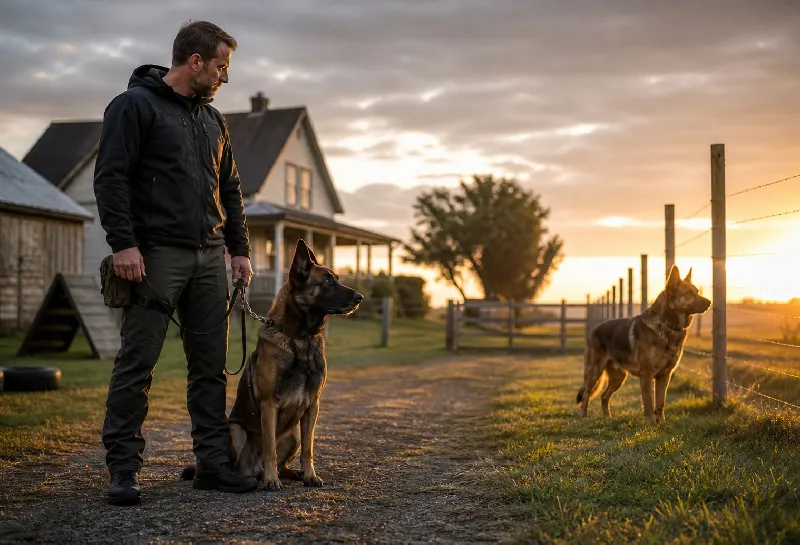
There are two broad categories most owners ask about: personal protection dogs and property protection dogs. Personal protection dogs are trained to stay close to their handler, travel well, and respond to threats directed at a person or family. Property protection dogs are often used to deter intruders, patrol land, and alert owners to suspicious activity around a home, ranch, kennel, or business.
The finest dogs often overlap between those roles, but the training emphasis may differ. A personal protection dog needs strong social neutrality and composure in public. A property protection dog may spend more time learning territory awareness, perimeter routines, and environmental confidence in varied weather, terrain, and light conditions.
Protection Dog vs Guard Dog
People often use these terms as if they mean the same thing, but they do not. A guard dog may be territorial, vocal, and naturally suspicious of strangers. That can be useful, but it does not automatically make the dog reliable under pressure. A protection dog is trained with much more precision. Obedience is sharper. The dog is tested around distractions. Most important, the dog learns impulse control.
A poor guard dog can become a neighborhood problem. A true protection dog should be predictable to its handler and intolerant only of legitimate threats. If a dog cannot settle, cannot out on command, or cannot distinguish between a visitor and an attacker, it is not finished and may never be suitable for serious protection work.
The Traits That Matter Most
Good protection dogs are born first and trained second. Training can shape, polish, and channel behavior, but it cannot manufacture nerve where none exists. The dogs that succeed tend to share a handful of critical traits: confidence in new environments, willingness to work, clear-headed responses under stress, strong bonding with the handler, and enough drive to engage without becoming frantic.
Any dog can spook. The question is what happens next. The right dog takes in the pressure, processes it, and comes back to center quickly. That kind of resilience is worth far more than flashy aggression. The same goes for sociability. A protection dog should not be a hair-trigger animal that sees every stranger as a target. Stable dogs can live in the real world.
Temperament Over Image
A lot of first-time buyers get drawn in by looks. They want a big head, dark coat, and a hard stare. Those things may impress onlookers, but they tell you little by themselves. In this line of work, showy is cheap. Sound temperament is gold.
Best Breeds for Protection Work
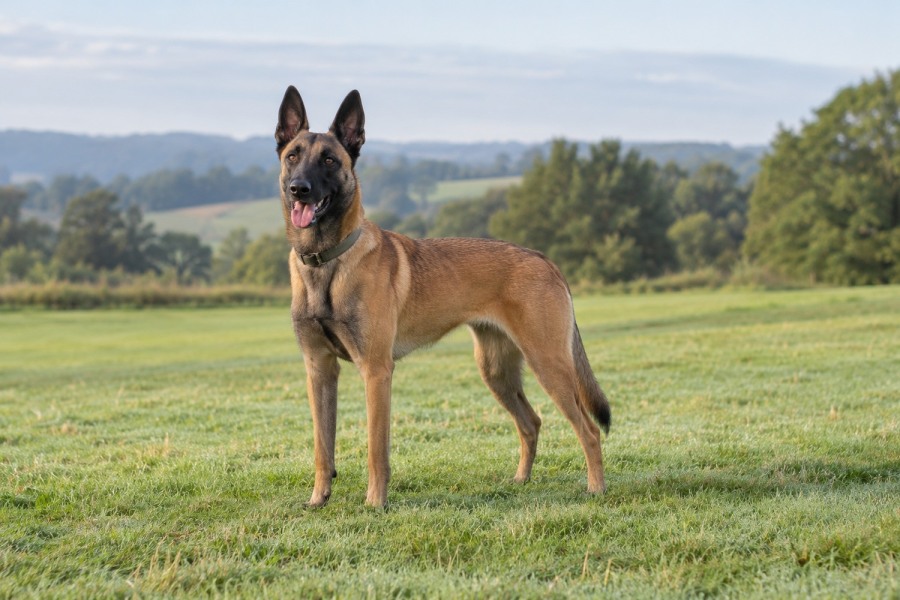
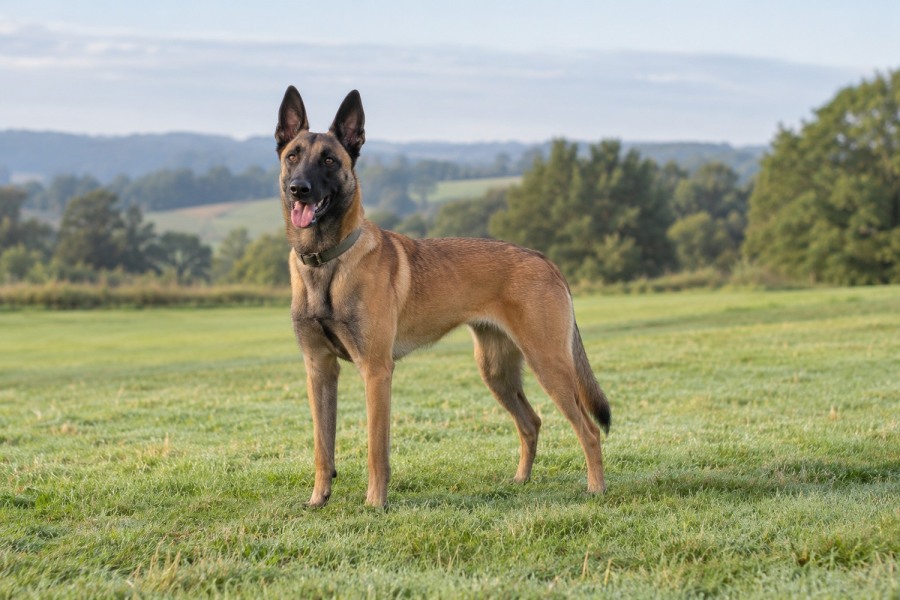
Several breeds have earned their reputation over decades of military, police, sport, and civil work. The German Shepherd remains a classic choice because of its versatility, handler focus, and trainability. A good one can move from family life to serious work without seeming out of place in either setting. Belgian Malinois are popular for their speed, intensity, and drive, though they are often more dog than casual owners expect. They need structure and meaningful work.
Doberman Pinschers have long been respected as personal protection dogs, especially for owners who want a close-bonded household companion with natural watchfulness. Rottweilers bring power, substance, and a calm seriousness when well bred and trained. Giant Schnauzers and Cane Corsos can also be capable in the right hands, though quality varies widely and selection matters enormously.
Breed alone is never enough. Within every breed, there are dogs suited for sport, dogs suited for companionship, and a smaller number suited for real protection work. Bloodlines, early development, health, and evaluation by experienced trainers all matter more than labels.
How Protection Dogs Are Trained
Proper protection training starts with obedience, engagement, and environmental confidence. Before a dog ever learns defensive skills, it should understand recall, place work, leash manners, social neutrality, and clear command structure. A dog that cannot be handled in ordinary life has no business doing advanced work.
From there, trainers build the dog carefully. The dog learns to target on command, bark with purpose, hold pressure, and release instantly. Scenarios are introduced gradually and then proofed in different settings. Busy streets, dark barns, gravel driveways, slick floors, vehicle entries, open gates, and strangers in unusual clothing can all change how a dog perceives a situation. A finished protection dog has to function through that noise without losing its head.
The public often imagines bite work as the centerpiece, but the true craft is control. Grip matters, courage matters, and commitment matters, but none of it means much if the dog cannot be called off. In experienced hands, training is less about making a dog mean and more about teaching the dog to channel instinct through obedience.
Started Dogs vs Fully Trained Dogs
Some owners buy young “green” dogs with strong potential and put time into training alongside a professional. Others invest in a finished dog that already has obedience and protection foundations in place. The second path costs more, often significantly more, but it can make sense for families who need a dependable dog sooner and have no interest in shaping a prospect from scratch.
Either way, maintenance never ends. Training fades when it is ignored. A protection dog needs regular handling, refreshers, and honest evaluation, especially as the dog matures or changes homes.
Is a Protection Dog Right for Your Home?
This is where romance needs to give way to realism. A protection dog can be a tremendous asset, but only if the household can support the dog’s needs. These animals thrive on routine, clarity, and engagement. They need exercise, mental work, and handlers who will enforce rules consistently. If a family wants a dog they can mostly ignore until something goes wrong, they do not want a protection dog. They want a security system.
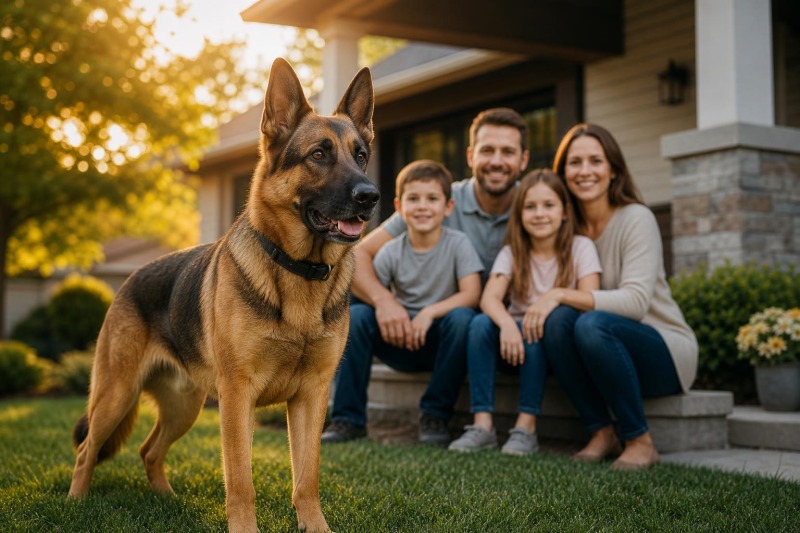
Homes with children can absolutely succeed with protection dogs, but stability is non-negotiable. The dog must be selected with family life in mind, trained thoroughly, and managed responsibly. Visitors, service workers, deliveries, and neighborhood activity all need to be considered. A dog that is expected to protect must also be taught when not to act.
Property size matters less than management, though rural and semi-rural homes often lend themselves naturally to this kind of dog.
What to Look for in a Breeder or Trainer
The market for protection dogs attracts honest professionals and smooth talkers alike. If you are shopping for a dog, ask hard questions. You should know the dog’s health testing, training history, level of obedience, social behavior, and how it performs in unfamiliar settings. Watch the dog in person if possible. See it loaded into a vehicle, handled by the trainer, handled by someone else, and exposed to ordinary distractions.
A good trainer will talk as much about responsibility as capability. They will explain maintenance training, household management, realistic expectations, and legal considerations. They will not promise a superhero. They will show you a dog that is balanced, biddable, and honest in its work.
The Responsibility That Comes With Ownership
Owning a protection dog is part privilege, part discipline. These dogs can provide peace of mind, but they demand mature handling. That means secure containment, clear house rules, ongoing obedience, and a firm understanding of local laws. It also means never using the dog to settle ego, intimidate others, or compensate for poor judgment.
They were the ones that could lie at their owner’s feet through a long evening, read the room, and never make a mistake. Then, if the world tilted and danger stepped through the gate, they were there in full measure, steady as a fence post and fast as a striking hawk.
That is the standard worth aiming for. If you choose carefully, train honestly, and respect the work, a protection dog can be one of the finest partners a dog owner will ever have.