There is a world of difference between a dog that barks on command and a dog that will step into real pressure, stay clear-headed, and work beside a handler when everything around him turns loud, fast, and dangerous. That difference is where police K9 protection dogs earn their reputation. Folks who have spent time around serious working dogs can spot it almost right away. The posture is different. The eyes are different. The dog carries himself like he knows his job and trusts the man or woman at the end of the lead.
For dog owners interested in working dogs, police protection work is one of the clearest examples of what happens when sound breeding, tough testing, and disciplined training come together. These dogs are not simply aggressive animals taught to bite. A true police K9 protection dog is expected to show control, composure, courage, and judgment. He has to switch on fast, switch off just as fast, and stay reliable under stress that would shake a weaker dog apart.
What Police K9 Protection Dogs Really Do
When most people hear the term police dog, they picture a patrol dog chasing a suspect or holding a man at bay. That image is not wrong, but it is incomplete. Protection work in law enforcement is built around deterrence, suspect control, officer safety, and tactical presence. A police K9 may search buildings, track fleeing suspects, guard a handler during tense encounters, or engage a dangerous person who refuses commands and presents a threat.
The protection side of the job demands precision. The dog must respond to direction, commit when needed, and release cleanly when the handler gives the order. That kind of steadiness is not born from chaos. It comes from hundreds of repetitions, careful scenario work, and a selection process that weeds out unstable or unsuitable animals long before they ever see the street.
That is the heart of a good police K9. He is not looking for random conflict. He is focused on the task in front of him, and he knows the handler is the center of the job.
The Traits That Matter Most in a Protection Dog
People who are new to working dogs often assume the biggest, hardest-looking dog is the best protection prospect. In truth, a reliable police K9 protection dog is usually defined less by appearance and more by nerve, balance, and drive. Strong nerves matter because the dog has to function in slippery hallways, dark rooms, loud traffic, crowds, gunfire training, and the unpredictable movement of human beings under stress. A flashy dog with weak nerves may look impressive on a training field and come apart when pressure gets real.
Drive is another major piece. Many patrol dogs work out of prey drive in early training, learning to chase, grip, and engage with enthusiasm. But prey alone is not enough. The dog must mature into fuller, more serious work, where he can handle conflict, pressure from a suspect, and environmental stress without losing confidence. Good trainers build this carefully. Push too hard, too early, and you can fracture a promising dog. Move too softly, and you never develop the seriousness needed for real protection work.
Control Is What Separates Real Working Dogs
If there is one quality dog owners should understand, it is control. A police K9 that cannot be called off, redirected, or settled is not a reliable protection dog. Control is what turns natural ability into usable service. It is also what protects the public, the handler, and the dog himself. The strongest patrol dogs are not wild. They are obedient under load. They can bark with authority, grip with commitment, and then return to the handler’s side when told.
That level of obedience does not remove the dog’s fighting spirit. It channels it. That is an important distinction, and it is one that experienced handlers never forget.
Breeds Commonly Used for Police K9 Protection Work
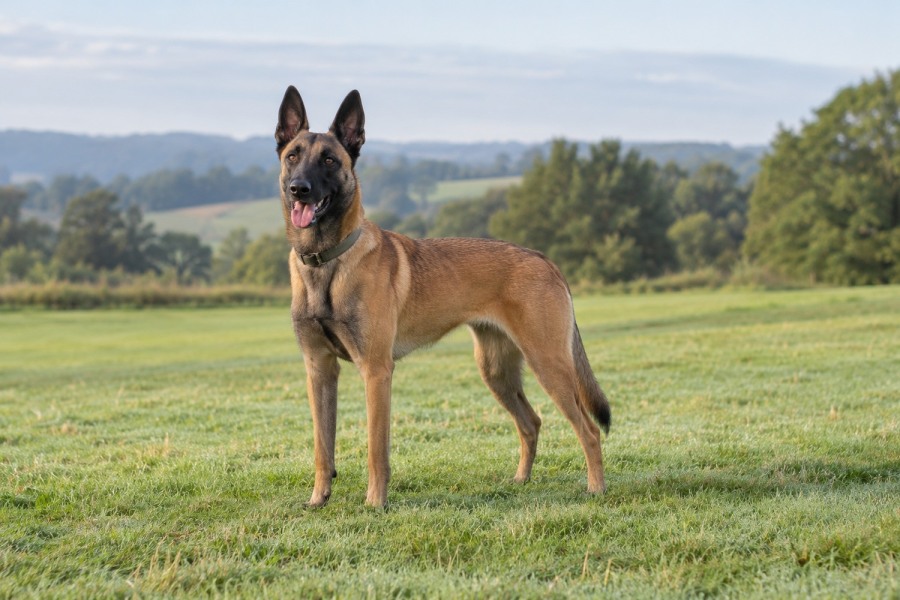
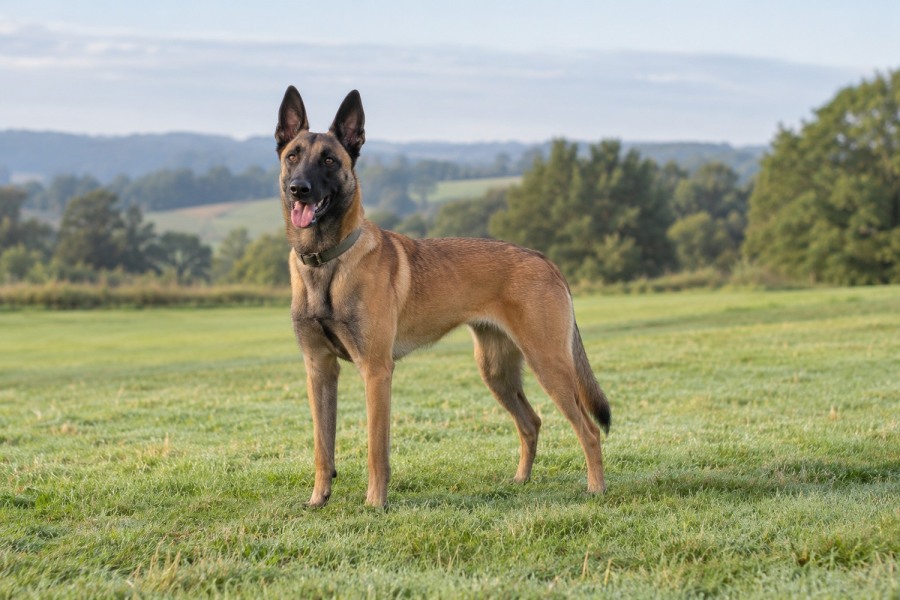
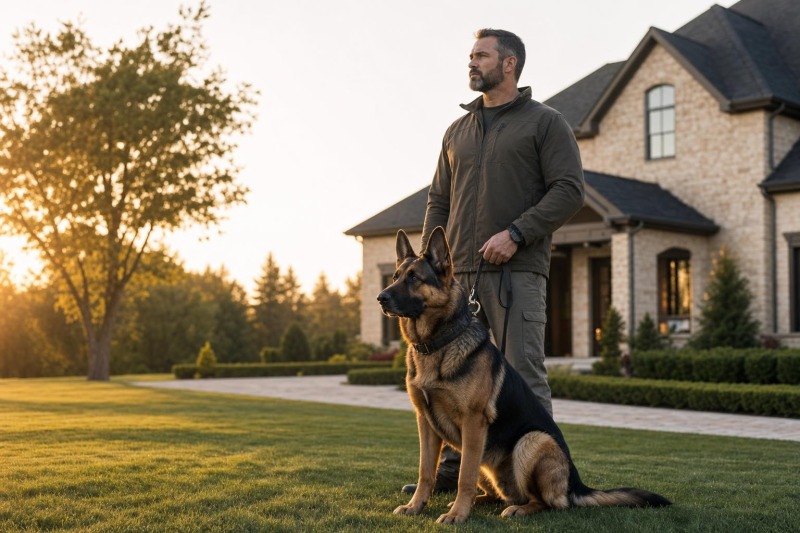
The German Shepherd Dog remains one of the most recognized police K9 breeds for good reason. A well-bred shepherd offers versatility, intelligence, athleticism, and a natural willingness to partner with a handler. The Belgian Malinois has become just as common in many agencies because of its speed, intensity, agility, and work ethic. Dutch Shepherds also show up in patrol programs, especially where departments value hard, athletic dogs with strong grips and a lot of operational drive.
Breed alone never guarantees quality. A weak-nerved dog from a famous breed is still a weak-nerved dog. Serious departments and trainers look beyond labels and focus on the individual animal. Hunt, possession, environmental confidence, sociability when appropriate, recovery from stress, and trainability all matter. The dog has to prove himself.
How Police K9 Protection Dogs Are Trained
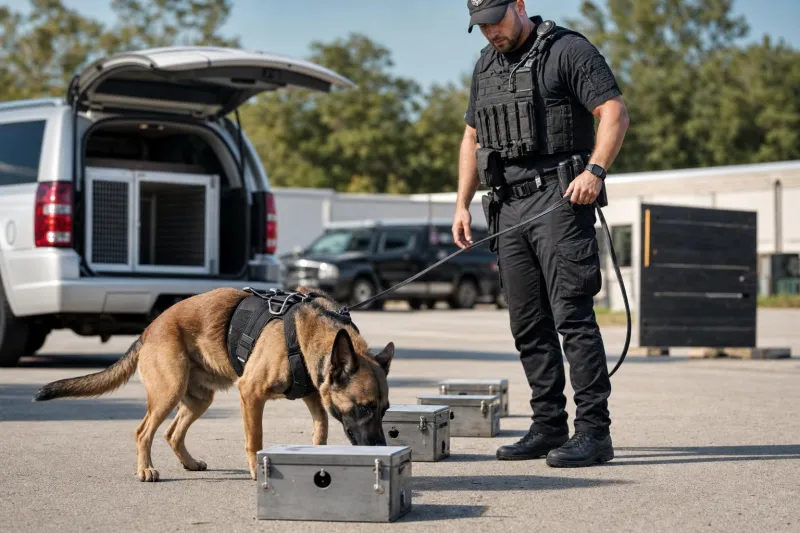
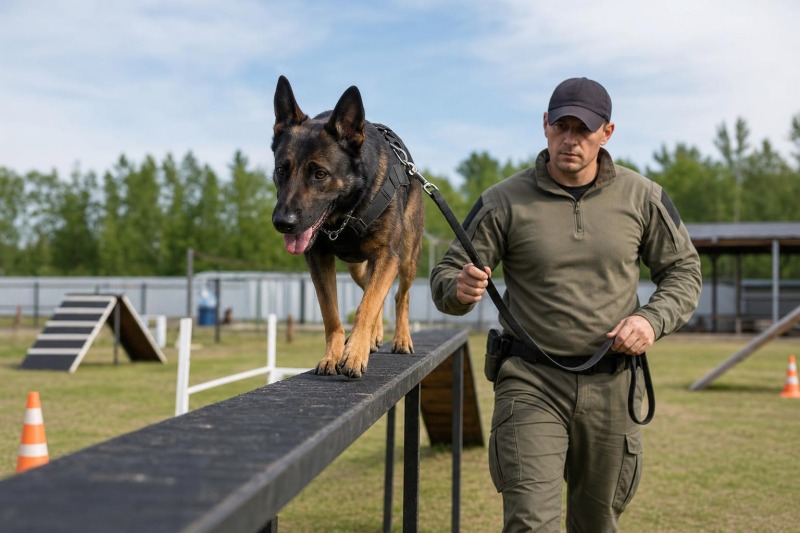
Good protection training is layered, not rushed. Young dogs often begin with foundation work that builds engagement, obedience, environmental confidence, and clear reward systems. Early bite development may use prey-based games and equipment that encourage a full, calm grip. As the dog matures, scenarios become more complicated. Decoys apply pressure. The dog learns to search, guard, pursue, and engage in a way that matches operational needs.
None of this should look sloppy. A seasoned trainer watches every detail, from the dog’s grip quality to his recovery after conflict. If a dog becomes hectic, vocal in the wrong way, avoidant, or handler-sensitive under pressure, those signs matter. The training field tells the truth if you know how to read it.
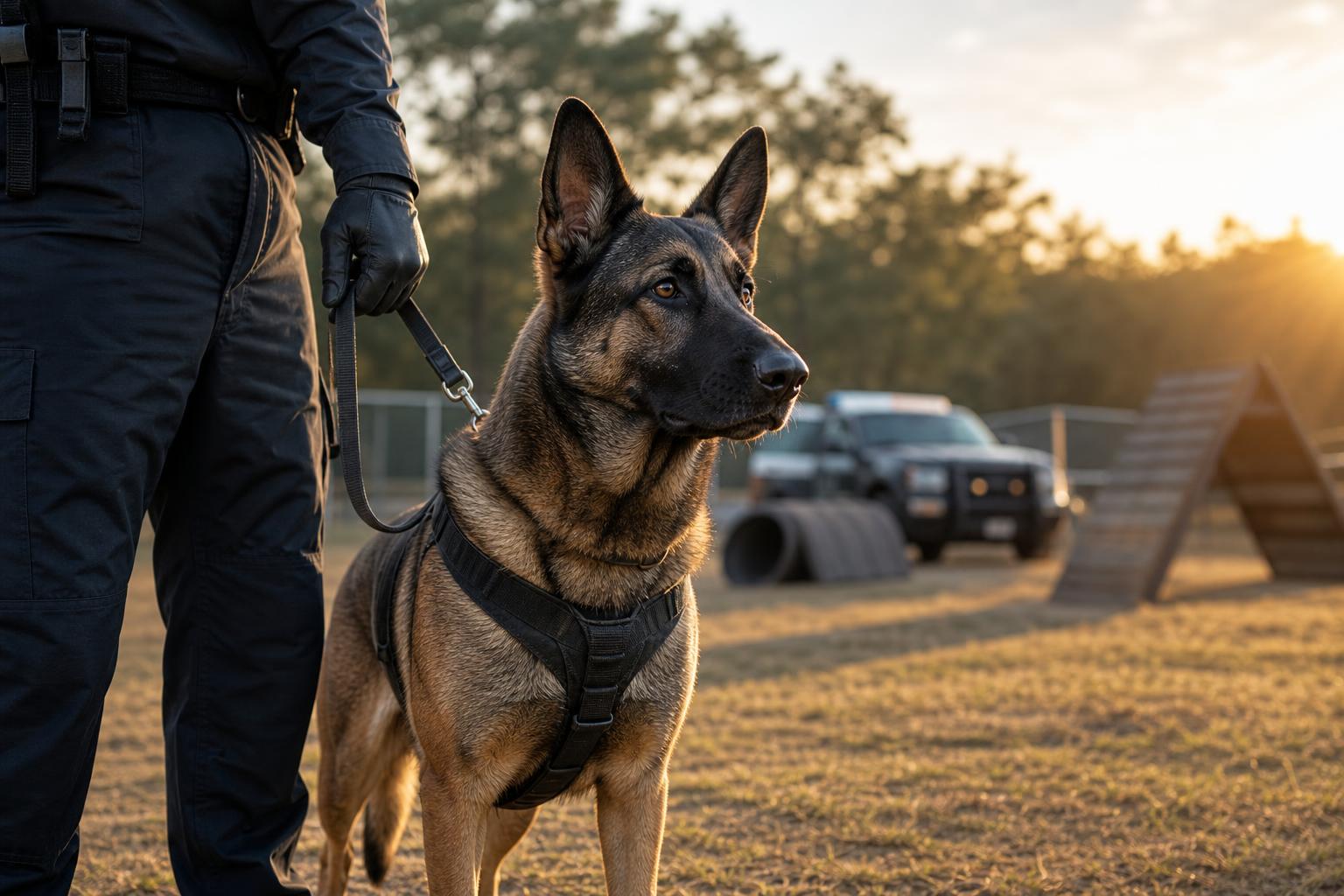
The best handlers also build a bond that cannot be faked. That bond shows up when the dog checks back in the middle of a hard search, when he steadies himself off the handler’s voice, or when he settles in the cruiser because he knows the next command is coming from someone he trusts. That trust is one of the strongest pieces of the whole machine.
Scenario Training and Street Readiness
Protection dogs must learn more than a clean send and bite. They work around doorways, vehicles, fences, slick floors, shouting crowds, hidden suspects, and the confusion that comes with real-world encounters. Scenario training helps bridge the gap between sport-style exercises and practical application. A dog may be asked to hold a suspect at bay, engage only under specific cues, or work through a structure with distractions that force him to think while staying obedient.
That is where many average dogs get exposed. Field-ready police K9 protection dogs have to keep functioning when the picture changes. A suspect may run, then freeze. He may hide, then fight. He may yell, posture, or collapse. The dog has to stay in the work without coming unglued.
What Dog Owners Can Learn From Police K9s
Most readers are not training a patrol dog, and they should not try to turn a pet into one. Still, there is plenty to learn from these elite working dogs. The first lesson is that temperament comes before tactics. A stable mind is worth more than flashy behavior. The second is that obedience is not separate from protection or working ability. It is the backbone of it. The third is that confidence is built through fair, consistent training, not by encouraging recklessness.
Dog owners interested in working dogs often ask whether protection instincts can be added later. Some can be developed, shaped, and refined, but the deepest qualities usually have to be there from the start. You can polish what genetics gave you. You cannot manufacture true nerve and working character from thin air.
It is also worth remembering that police K9 protection dogs are part athlete, part tactical tool, and part partner. Their health, conditioning, and mental stability all matter. These dogs need structured outlets, strong handling, and meaningful work. Without that framework, even a talented dog can become frustrated or difficult.
The Difference Between a Protection Dog and a Liability
In experienced hands, a trained protection dog is a disciplined asset. In careless hands, the same dog can become a problem in a hurry. That is why legitimate police K9 programs place such emphasis on testing, standards, certification, and ongoing maintenance training. The work is too serious for shortcuts.
If a dog lacks clarity, if the handler lacks control, or if the training has holes in it, those weaknesses will show sooner or later. Reliable police K9 protection dogs are not accidents. They are the result of hard selection, honest evaluation, and a great deal of repetition under knowledgeable supervision.
There is a lesson in that for every working-dog enthusiast. Respect the dog in front of you. Train what is there, not what you wish was there. Build the basics until they are strong enough to carry pressure. And never confuse noise, speed, or flashy behavior with true working substance.
At their best, police K9 protection dogs represent some of the finest teamwork you will ever see between human and canine. They bring power without panic, intensity without chaos, and courage that has been sharpened by training rather than blunted by it. Watching a good one work leaves an impression. It is not just the bite or the bark. It is the steadiness, the discipline, and the unmistakable sense that the dog understands his purpose.
For dog owners drawn to the world of working dogs, that is the real takeaway. Protection is not about creating aggression. It is about developing reliability, control, and trust in an animal built for serious tasks. When those pieces come together, a police K9 becomes far more than a dog with force. He becomes a dependable partner when the stakes are high and there is no room for guesswork.