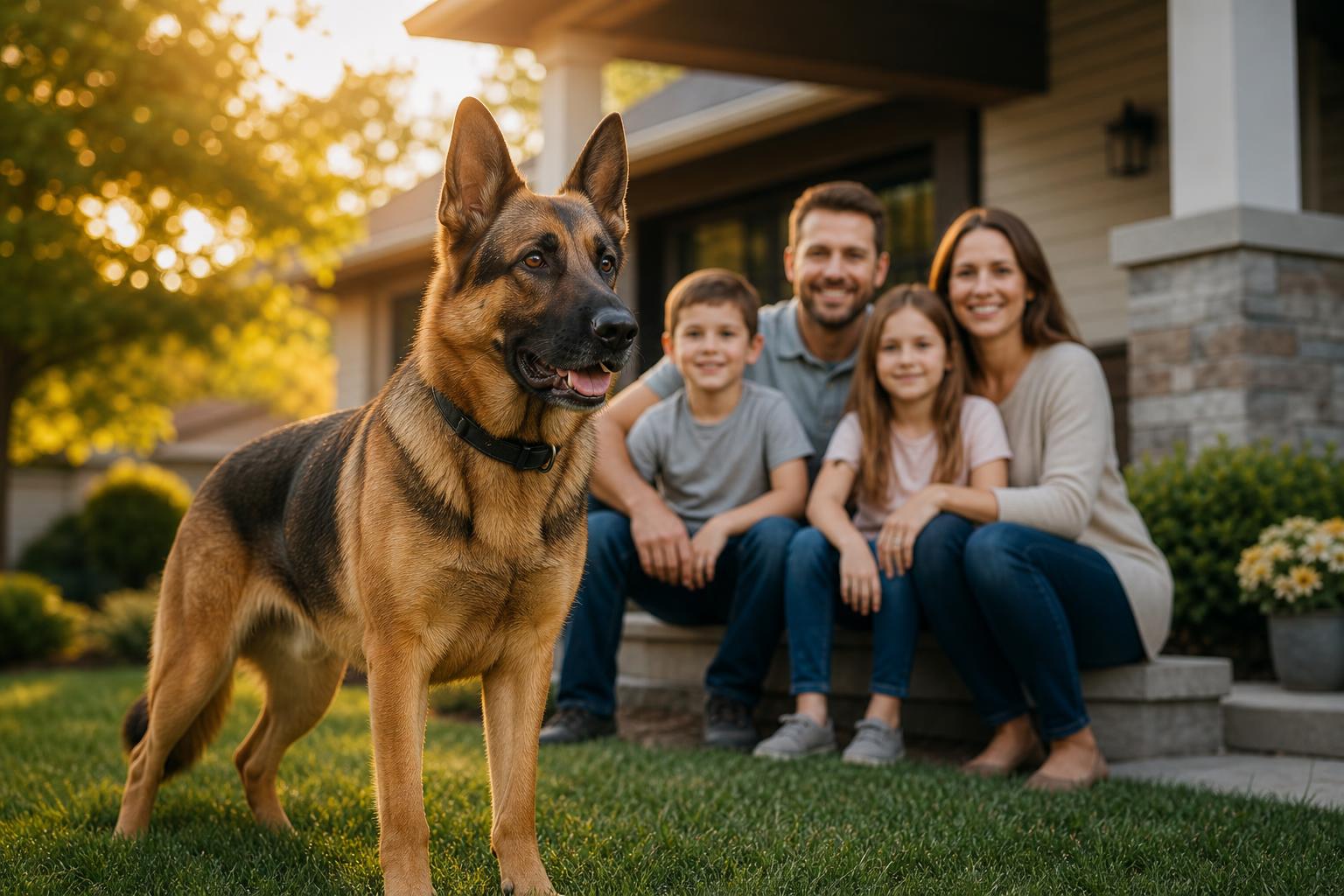
Folks hear the phrase personal protection dog and often picture a hard-eyed animal pacing a fence line, looking for trouble. That image sells movies, but it does not tell a family much about what life is actually like with a well-trained protection dog in the home. A real family protection dog should be clear-headed, stable, social when appropriate, and fully under control. It should be able to settle by the back door while the kids do homework, ride quietly in the truck, and still switch on if a real threat comes through the front gate. That kind of dog is not built by accident, and it is not the right fit for every household.
They carry themselves with the same kind of calm confidence you see in a good hunting partner crossing rough ground. They read pressure, stay connected to their handler, and do not waste energy on nonsense. For families considering personal protection dogs, that calm judgment matters more than blash and barking. If your goal is a dog that can genuinely protect your home and loved ones, you need to start with temperament, training, and realism.
What a Family Protection Dog Really Is
A family personal protection dog is not simply a large dog with a deep bark. Plenty of dogs can make noise when a stranger approaches the porch. Protection work demands another level entirely. The dog must be able to distinguish ordinary daily life from an actual threat, respond with controlled confidence, and come off just as reliably when the handler gives the command. That balance is where many people get turned around. Protection is not about creating aggression. It is about channeling nerve, stability, obedience, and discernment.
That means the ideal dog for family protection can live with structure and affection at the same time. It should be trustworthy around known guests when introduced properly, neutral in public, and highly responsive to direction. Dogs that are sharp, spooky, hectic, or unpredictable are poor candidates no matter how powerful they look. In the field, the flashy dog can impress folks for ten minutes. In a home, over months and years, the dog with a sound mind is the one you can live with.
Protection versus intimidation
Some owners want the appearance of security more than actual working ability, and that is where bad decisions start. An intimidating dog with weak nerves can become a liability fast. It may bark at every movement, react poorly to visitors, or fold under real pressure. A trained personal protection dog is different. It is taught to handle stress, to engage when necessary, and to remain obedient even in high arousal. Families should understand that true protection work is about control under pressure, not random aggression.
Best Breeds and Bloodlines for Personal Protection Dogs for Families
Breed matters, but bloodline and individual temperament matter just as much. German Shepherds, Belgian Malinois, Dutch Shepherds, Giant Schnauzers, Rottweilers, and Dobermans are common names in protection circles for a reason. They have the drives, athletic ability, and trainability to do serious work. Still, not every dog from those breeds belongs in a family protection role. There is a world of difference between a dog bred for sport intensity, a dog bred for civil pressure, and a dog selected specifically for in-home stability.
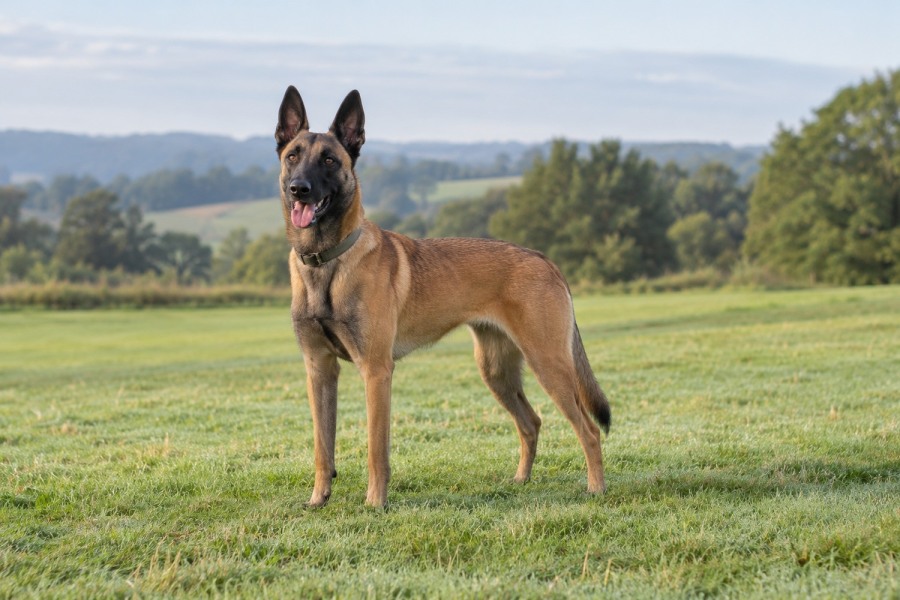
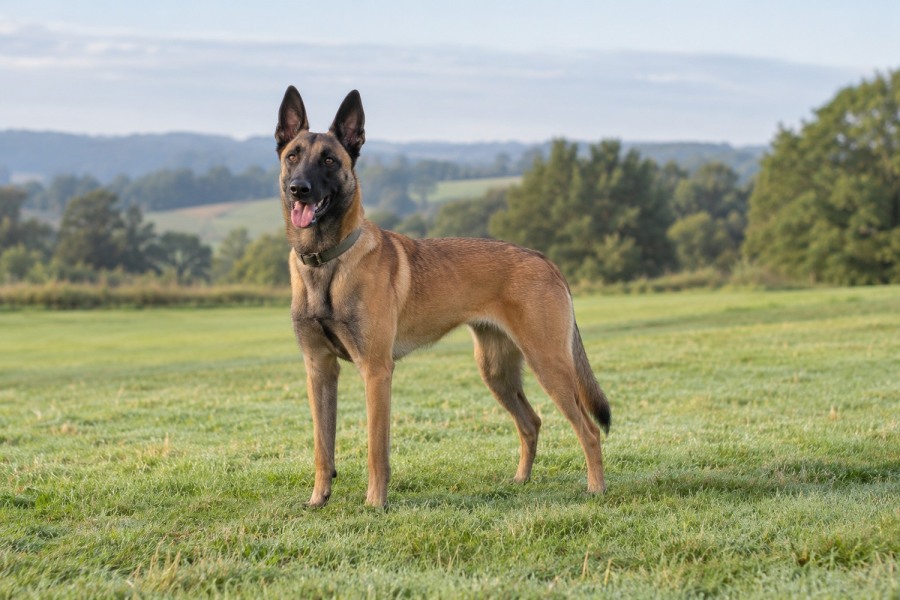
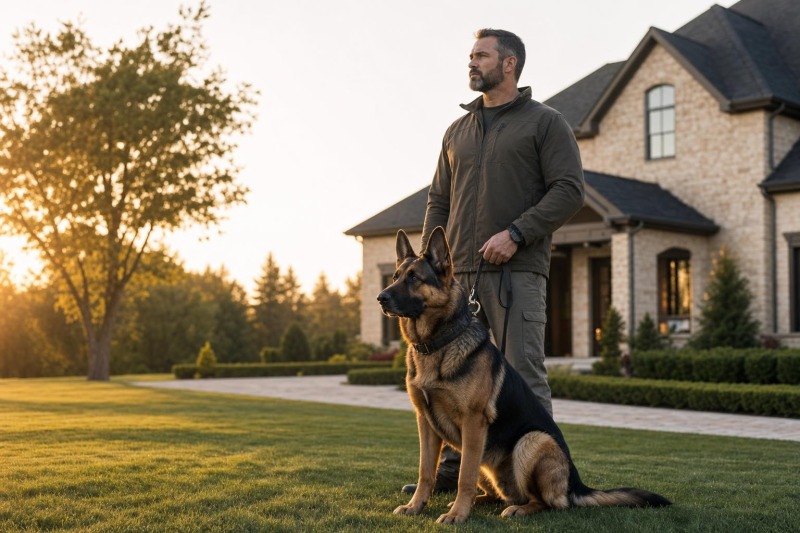
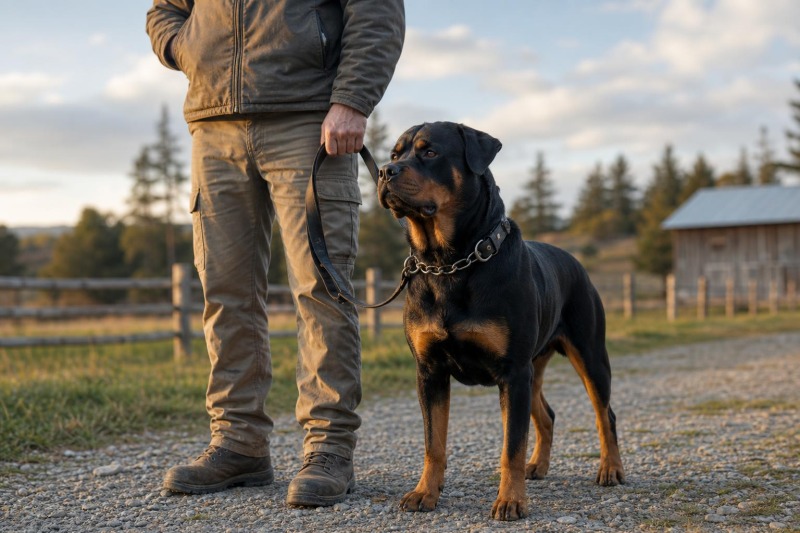
For most families, the German Shepherd remains one of the most sensible choices when sourced from a quality program. A good shepherd can blend biddability, discernment, and natural protective instinct in a way that suits home life. The Belgian Malinois is exceptionally capable, but it is often more dog than casual owners expect. That breed can be electric in both talent and energy. If the household is not ready for daily structure and serious management, a Malinois can become a poor fit despite its strengths. Rottweilers and Dobermans can also make excellent family guardians in the right hands, especially when selected from lines known for stable temperament rather than pure appearance.
Why the individual dog matters most
A family should never choose a protection dog based only on breed reputation or internet videos. The dog must be evaluated for nerve, recovery, social behavior, environmental soundness, and trainability. A dog that slips on slick floors and bounces back with composure tells you something. A dog that startles at a dropped pan and stays mentally rattled tells you something else. Protection starts in the nervous system long before a sleeve ever comes out.
The Role of Professional Training
This is not the place for shortcuts. Personal protection dogs for families need professional training, plain and simple. Basic obedience classes are useful, but they are not enough to prepare a dog for controlled defensive work. A true protection program teaches the dog how to target, how to engage under command, how to guard without chaos, and most importantly how to stop. The stop matters every bit as much as the bite.
Good trainers also condition the dog to work through realistic scenarios. That might include doorway pressure, vehicle approaches, unusual surfaces, loud environments, and decoy behavior that reflects genuine conflict rather than stage theatrics. Families should want a dog that has been proofed in the kinds of settings where daily life actually happens. A polished demonstration on a training field is one thing. A dog that can remain composed in a crowded parking lot and still answer commands cleanly is something else entirely.
Handler education is just as important as dog training. A protection dog is not an appliance you switch on and forget. The owner must learn commands, timing, household management, legal responsibilities, and how to read the dog’s behavior. If a trainer sells a dog but offers little handler transfer, that should raise concern. The best programs train both ends of the leash.
Can a Protection Dog Be Safe Around Children?
Yes, but safety comes from selection, supervision, and structure, not wishful thinking. A suitable family protection dog can live very well with children, and many do. The key is understanding that even the finest dog is still a working animal with serious capability. Children should not climb on the dog, crowd it at rest, or treat it like a stuffed toy. Parents must set clear boundaries and never leave interactions to chance just because the dog has a good track record.
One thing experienced dog people learn early is that predictability keeps everyone safer. Dogs do best when the rules stay consistent. Feeding areas, rest spaces, play expectations, and visitor routines should be stable. That stability helps the dog understand its role and reduces conflict. The best family protection dogs are often affectionate and gentle in the house, but they thrive because the adults lead with calm authority every day.
The Lifestyle Commitment Most Owners Underestimate
Owning a personal protection dog changes the rhythm of a household. These dogs need regular training, physical conditioning, mental work, and structured downtime. They need clear expectations in the home, proper exposure in the world, and ongoing maintenance from skilled trainers. If a family thinks the dog will simply patrol the yard and handle itself, disappointment is coming.
There is also the matter of public behavior. A protection dog should not be advertised carelessly or used as a status symbol. Responsible owners avoid foolish situations, keep the dog under control, and understand local laws regarding liability and bite work. The best protection is often quiet. Good locks, sound judgment, and a trained dog make a strong combination. A loud ego with a half-trained dog is a dangerous one.
What daily life should look like
In a well-run home, the dog has a place to rest, a routine for exercise, obedience woven into daily movement, and regular refreshers on its working skills. It learns when to be neutral and when to engage. It rides, waits, recalls, outs, and settles. That kind of dog is a partner, not a loose cannon. Families who appreciate working dogs usually enjoy this process because it builds communication. Still, there is no escaping the commitment. Protection dogs demand honest time.
How to Choose the Right Dog and Trainer
If you are serious about bringing a family protection dog into your home, start by interviewing trainers and kennels with the same care you would use buying a horse, a gun dog, or any other serious working animal. Ask how the dogs are selected, what foundation they receive, how they are tested around environmental stress, and what kind of support comes after placement. Watch how the dogs behave when nothing exciting is happening. That is often more revealing than any staged bite routine.
Look for dogs that recover quickly, show social stability, and remain responsive to the handler. Look for trainers who talk as much about obedience, neutrality, and household management as they do about protection work. If all the emphasis is on spectacle, keep walking. The right trainer will be candid about whether your family is a suitable fit and whether a particular dog belongs with you. Honesty is worth a great deal in this corner of the dog world.
Are Personal Protection Dogs Worth It for Families?
For the right household, yes. A properly selected and professionally trained protection dog can provide both companionship and real-world security. But the value is not in theatrics. It is in the dog’s ability to stay steady, think clearly, and answer its handler under pressure. Families who understand working dogs, respect structure, and commit to maintenance often find these animals become deeply trusted members of the home.
Still, a protection dog is not a cure for poor judgment or weak home security habits. It is one layer in a broader plan, and it works best when owners are realistic about the responsibility involved. If you want a dog that can live close to the family and stand firm when it counts, choose stability over flash, training over image, and proven temperament over big talk.