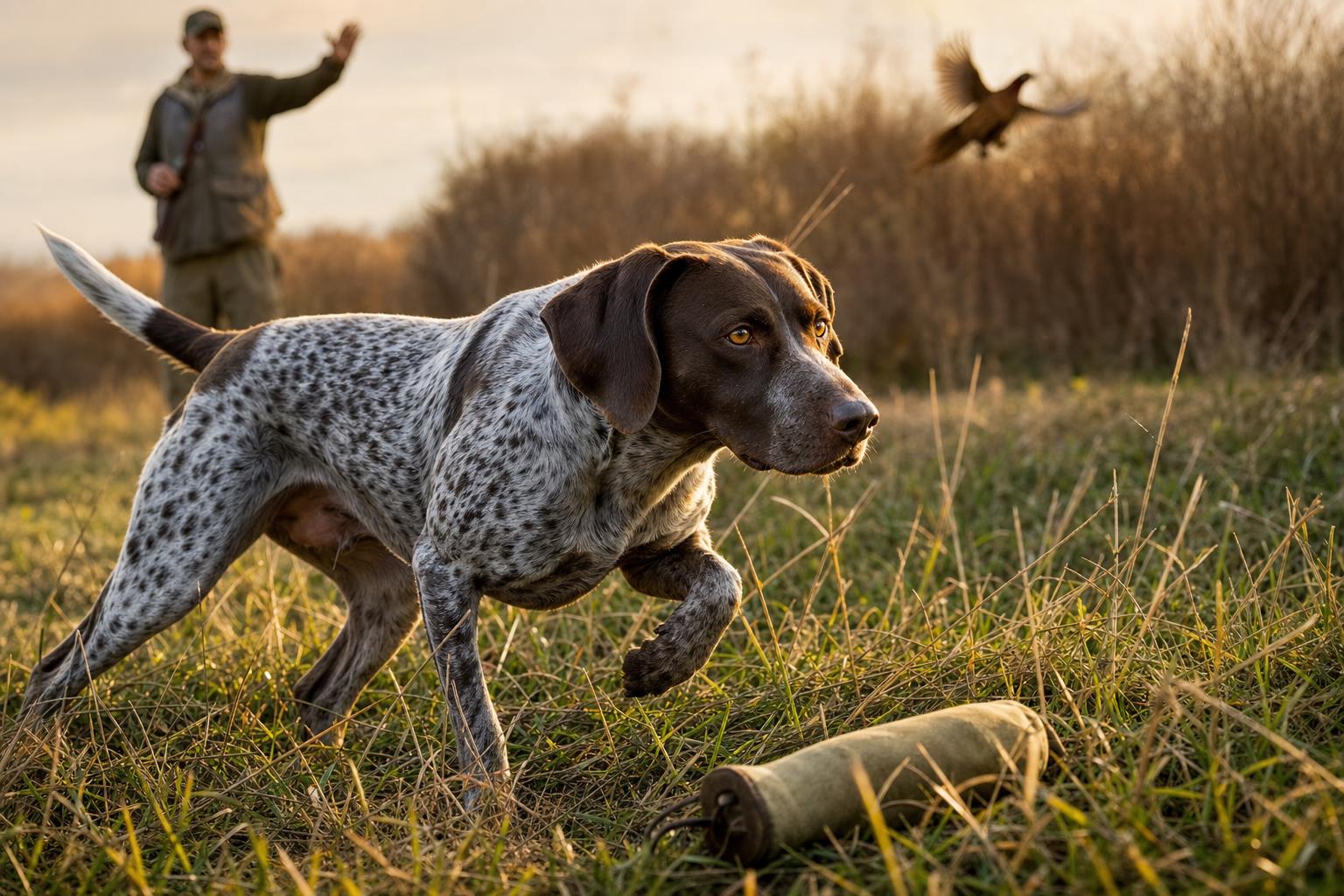
Drive is a useful training term only when the behavior behind it is clear. Trainers may use words such as prey, hunt, pack, and defense differently. Observing what motivates the individual dog is more helpful than treating those labels as a complete explanation.
A working dog is not just a pet with extra horsepower. These dogs are built, mentally and physically, to do something. When you understand their drives, you stop fighting the dog in front of you and start teaching in a way that makes sense to that dog.
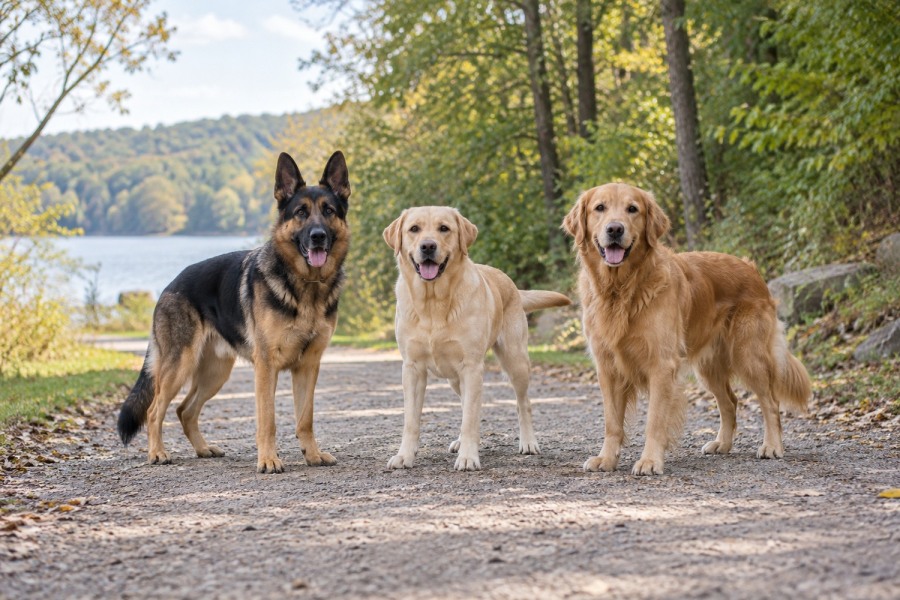
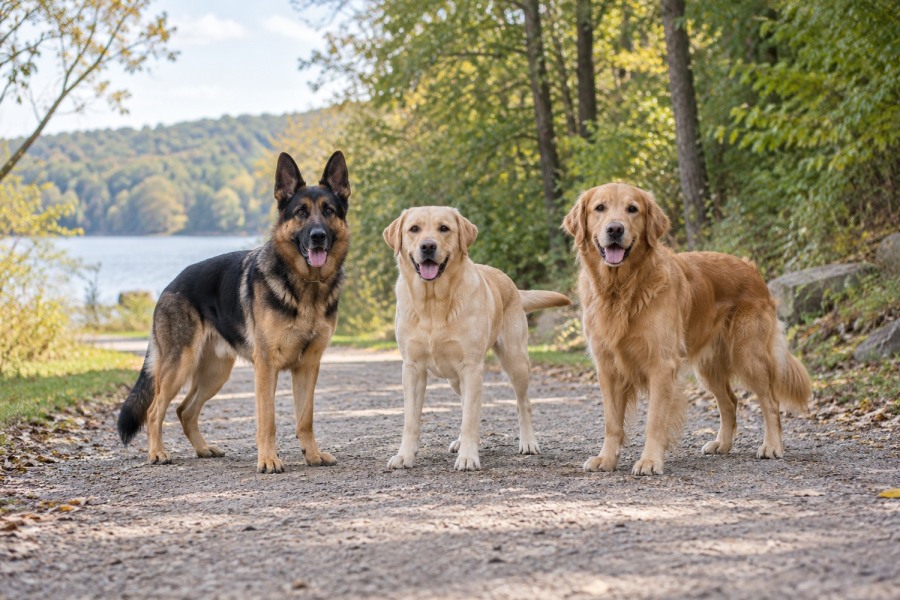
For owners interested in working dogs, whether that means a Labrador in the duck blind, a shepherd in protection sport, or a versatile hunting dog learning to track and retrieve, understanding drives is one of the best things you can do. It helps you choose the right dog, set realistic expectations, and build better training sessions from day one.
What Is Drive in a Working Dog?
Drive is best understood as instinctive motivation. It is not the same thing as excitement, though high-drive dogs often show excitement. It is not the same as temperament, though the two are closely related. Drive is the dog’s natural urge to pursue a certain kind of reward or satisfy a deeply rooted instinct. That urge may be triggered by movement, scent, social interaction, food, pressure, or conflict.
In practical terms, drive is what makes one dog hit cover like he is late for an appointment while another trots through the same field looking half interested. It is what makes a shepherd search a building with intensity, or what makes a retriever mark a falling bird and burn straight to it through mud, reeds, and icy water. Training can shape drive, refine it, and put controls around it, but training does not create the core instinct from nothing. The raw material has to be there.
Prey Drive
Prey drive is the desire to notice, pursue, catch, and sometimes possess moving objects. This is one of the easiest drives to recognize. You see it when a dog locks onto a bumper, a tug, a flushed pigeon, a rabbit breaking from cover, or even a bouncing tennis ball. In many working dogs, prey drive is a major asset because it gives trainers something powerful to work with. A dog that loves the chase is often easier to motivate during early training.
In the field, prey drive can be a blessing or a headache depending on how well it is managed. A retriever with healthy prey drive may show strong marking, enthusiasm for retrieves, and determination on game. A pointing dog may show intensity on birds and boldness in cover. But if prey drive runs hot without enough control, that same dog may break on the shot, chase trash, or ignore commands when movement triggers instinct. The goal is not to suppress prey drive. The goal is to put obedience and clarity around it.
Hunt Drive
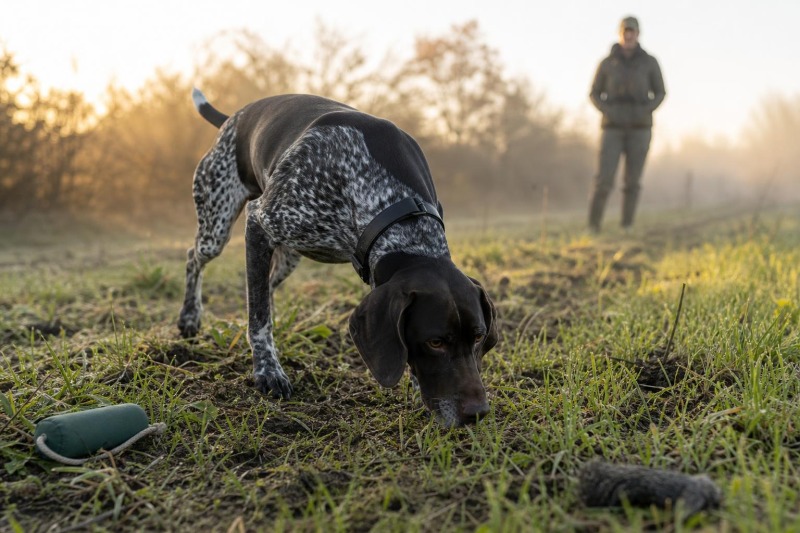
People often confuse hunt drive with prey drive, but they are not exactly the same. Prey drive is heavily tied to the chase. Hunt drive is the desire to search for game or a target even when it is not immediately visible. This is the dog that keeps working cover, uses the wind, checks objectives, and stays mentally engaged in the search. Hunt drive matters enormously in retrievers, flushers, pointers, detection dogs, and tracking dogs.
That kind of persistence is gold. It is what keeps a dog hunting crippled birds in cattails, searching for hidden scent, or sticking with a track when conditions are poor.
Food Drive
Food drive is straightforward, but people underestimate how useful it can be. A dog with strong food motivation is often easier to shape in obedience, easier to focus in distracting settings, and easier to reward with precision. Food drive does not make a dog soft or less serious. It simply gives you another language the dog understands well.
For many owners, food is the cleanest way to teach mechanics early on. Positions, place work, recall, heel work, and impulse control can all benefit from smart use of food rewards. In working dogs, food drive is especially valuable when you want calm, thoughtful learning rather than overstimulation. Not every lesson needs to be taught at full throttle.
Pack Drive
Pack drive is the dog’s desire to be with, work with, and gain approval from the handler or social group. Some dogs naturally want close partnership. They check in often, care deeply about where the handler is, and seem to take satisfaction in doing things together. In old-school hunting camps, folks did not always use the term pack drive, but they knew the dog that wanted to hunt for you instead of just for himself.
This drive is part of what creates biddability. A dog with healthy pack drive often responds well to praise, proximity, and shared activity. That does not mean the dog is weak. In fact, many hard, intense working dogs also have strong pack drive. It just means the relationship matters to them. When that is present, training gets smoother because the dog sees value in staying connected.
Defense Drive
Defense drive is more serious and often more misunderstood than the others. This drive appears when a dog responds to threat, pressure, challenge, or conflict. It can be seen in protection work, territorial behavior, and certain kinds of guarding responses. Unlike prey drive, which is usually more playful and outwardly animated, defense can bring intensity, suspicion, and sharper emotional edges.
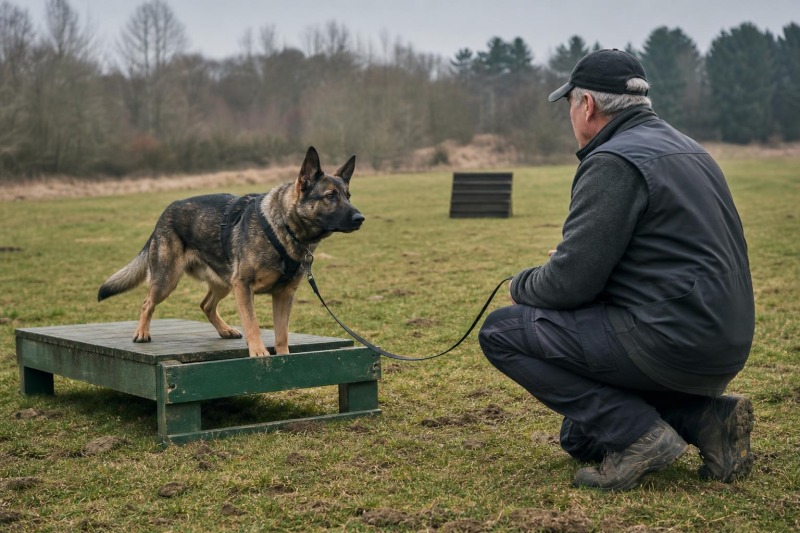
For the average pet owner, defense drive is not something to encourage casually. In trained working contexts, it has a place, but it must be handled with experience and clear structure. A dog operating in defense without good nerves, clear-headedness, and proper training can become chaotic or unsafe. The strongest protection dogs are not simply aggressive dogs. They are stable animals with genetic confidence, control, and the ability to move in and out of pressure without falling apart.
How Drives Show Up in Real Life
A dog is rarely driven by just one thing. Most working dogs are a blend. A retriever may have strong prey drive for the mark, hunt drive for the search, and pack drive that keeps him responsive on the line. A shepherd may show prey drive on the tug, food drive in obedience, and defense drive under threat. A versatile hunting dog may switch from searching objectives in open country to tracking a wounded bird with determined hunt drive and then retrieving with intensity.
This is why labels can only take you so far. Two dogs may both be called high-drive, yet behave very differently. One may be hectic and impulsive. Another may be powerful but thoughtful. One may work for toys. Another may work harder for food or handler praise. The key is to observe honestly. Watch what the dog seeks out, what he values, how quickly he recovers from frustration, and whether his motivation strengthens or fades under pressure.
Training the Dog You Have
They were honest readers of dogs. They paid attention. If a dog lit up for movement, they used that. If a dog would work all day for kibble and calm approval, they used that. If a dog had plenty of drive but poor impulse control, they did not crush the drive out of him. They taught steadiness, timing, and patience so the drive had somewhere useful to go.
That matters for everyday owners too. Many frustrations come from using the wrong motivator or asking for too much self-control before the dog understands the job. A high prey drive dog may need clear structure before being exposed to exciting triggers. A strong food drive dog may learn clean obedience quickly but need separate work to build intensity in the field. A dog with weaker pack drive may require more deliberate relationship-building and consistency.
Drive also needs an outlet. A working-bred dog that never gets to search, chase appropriately, retrieve, track, carry, or solve problems will often invent his own work. That is when owners start seeing nuisance behaviors, frantic energy, destructive habits, and blown focus. Very often, the dog is not being bad. He is unemployed.
Drive, Nerves, and Control
One final point needs saying. High drive alone does not make a great working dog. The dog also needs sound nerves, trainability, and an off switch. In real work, whether that is a waterfowl hunt, a shed search, a tracking test, or protection training, the dog must be able to think while excited.
That balance is what separates the impressive dog from the reliable one. The best dogs know how to come alive when the task is in front of them and settle when it is over. They can handle pressure without unraveling. They can take guidance. They can use their instincts without becoming captive to them.
Why Understanding Drives Matters
When owners understand working dog drives, they make better choices across the board. They pick dogs that fit their goals. They train with more patience and less confusion. They stop expecting a hard-charging worker to behave like a sleepy house pet without enough exercise, and they stop assuming enthusiasm automatically equals disobedience. Most importantly, they learn to respect the dog’s nature.
In those moments, you are seeing drive in its purest form. It is not random energy. It is purpose bred into flesh and bone. Understand it, and you will train better, hunt better, and live better with the kind of dog that was born to work.