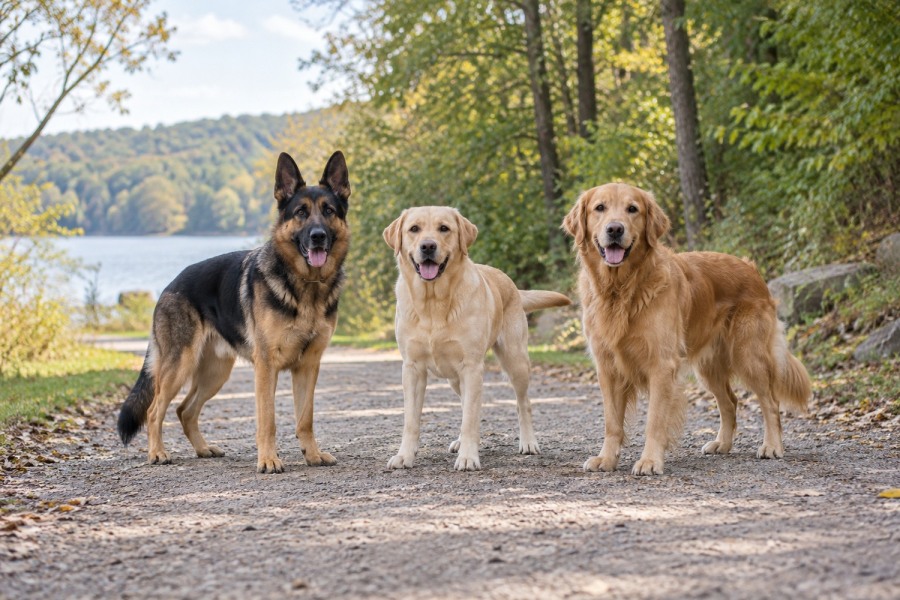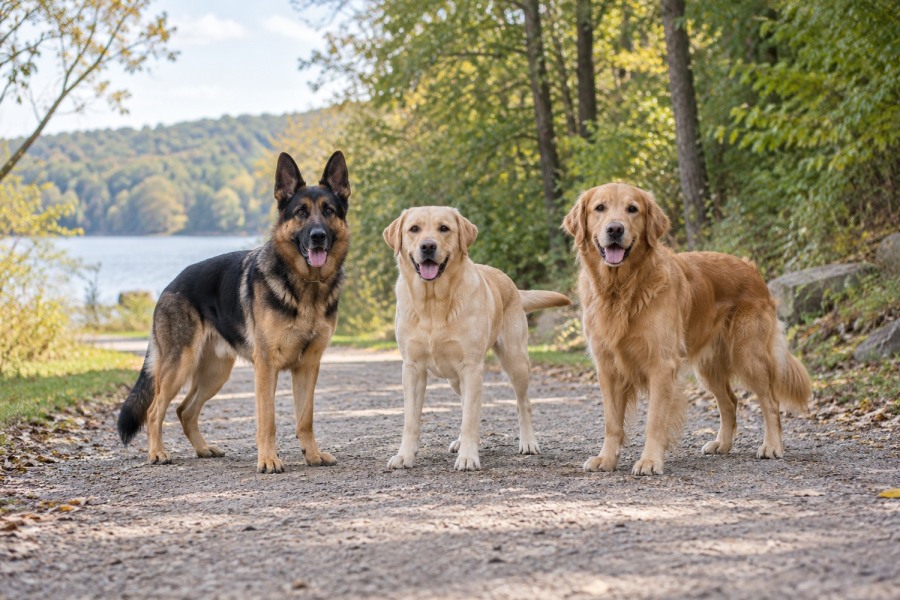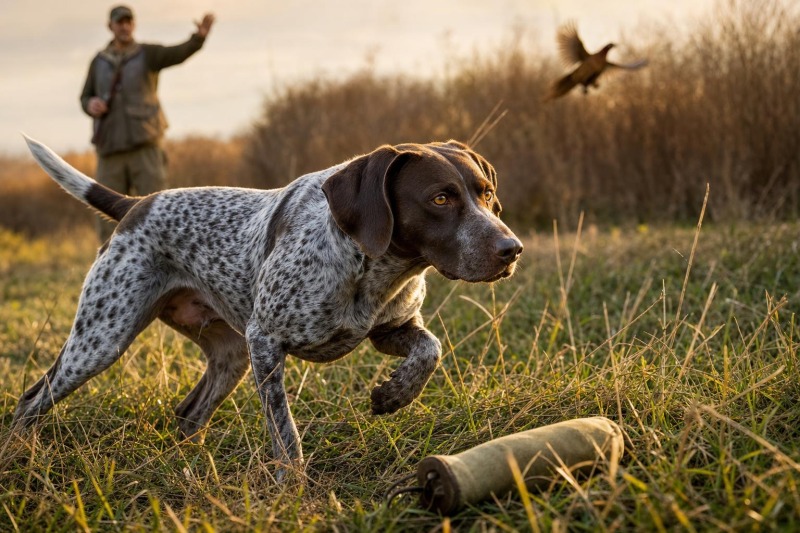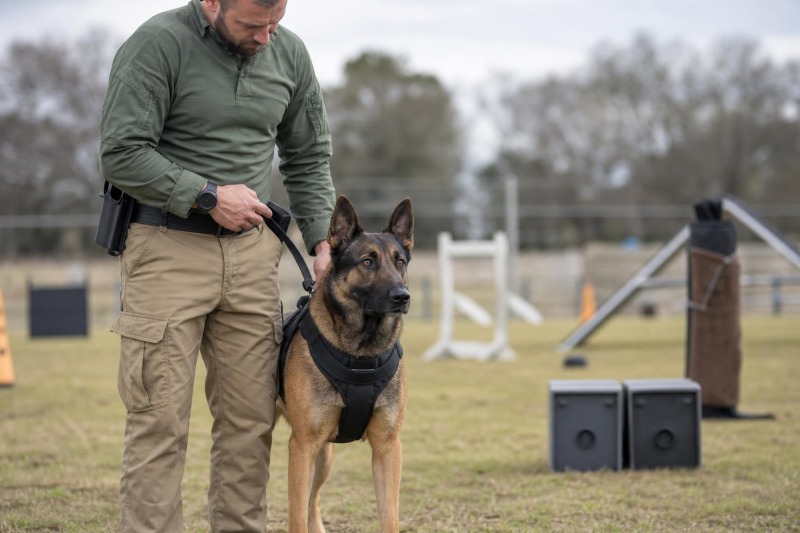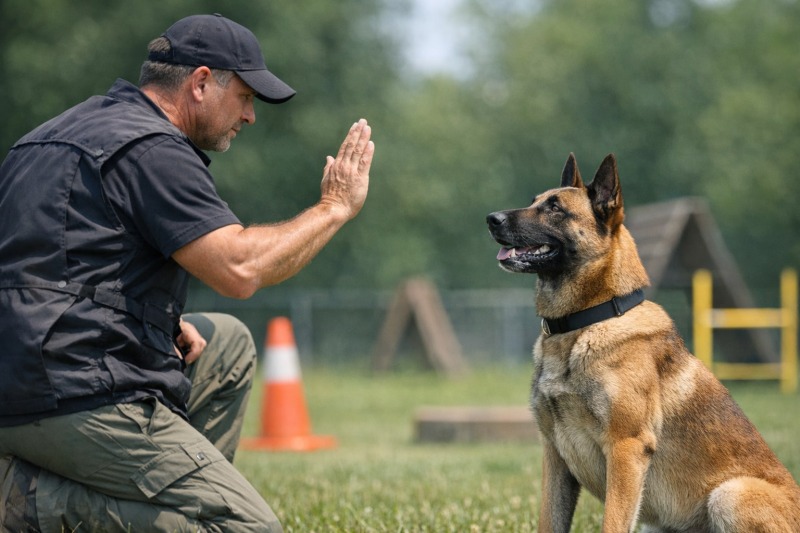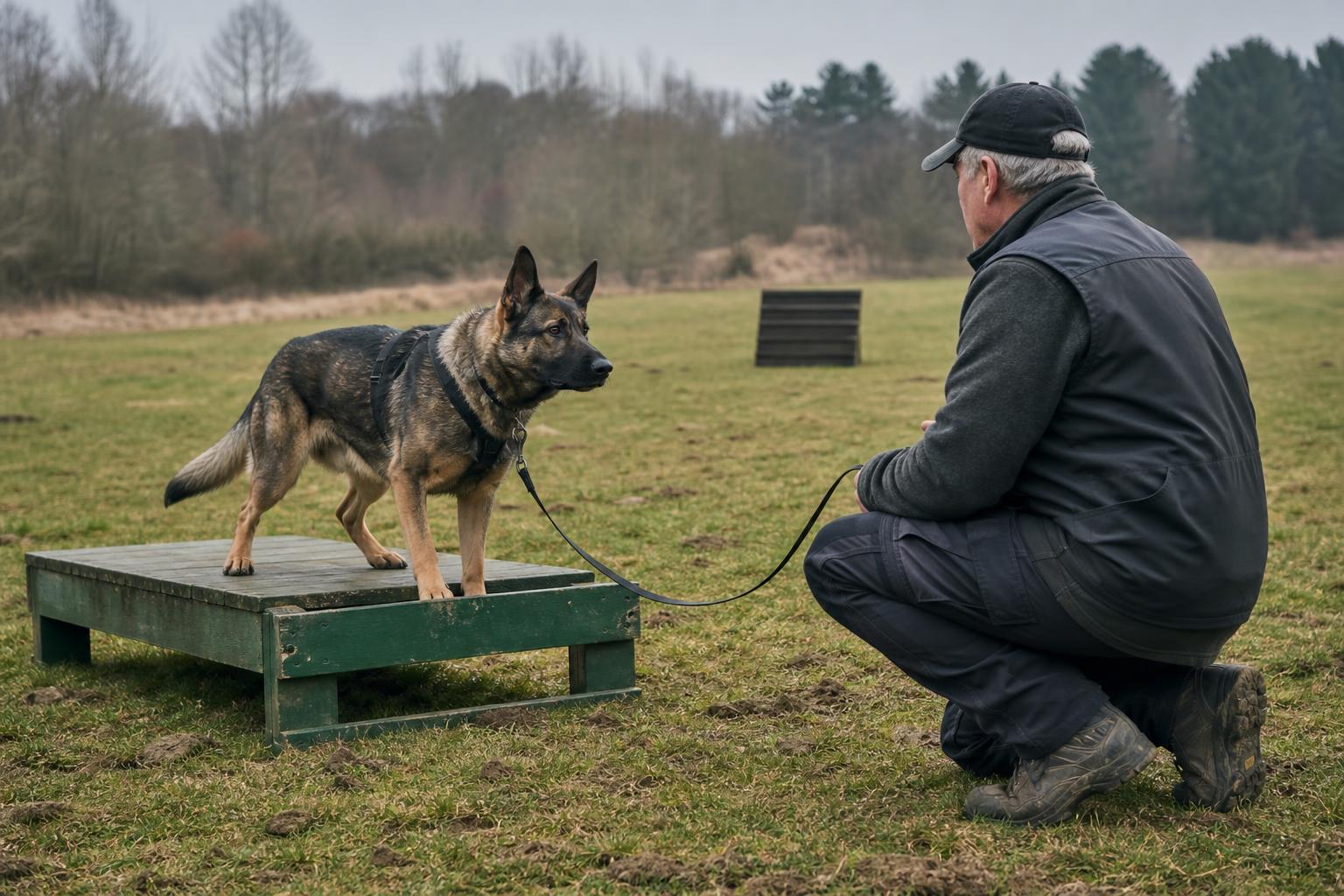
A pedigree can suggest possibilities; observing the individual dog shows what needs further assessment. Motivation, recovery from surprise, physical soundness, and interaction with a handler all deserve attention. Potential should be evaluated against a specific job rather than a general impression of intensity.
For owners interested in working dogs, the evaluation process should begin long before formal training. It starts with understanding what kind of work the dog is expected to do. A dog bred for retrieving in icy water will not be measured exactly the same way as a dog expected to trail wounded game, move livestock, or handle protection work. The job shapes the standards. Still, across disciplines, certain traits continue to matter: drive, nerve, focus, resilience, trainability, physical soundness, and the ability to recover from stress.
The mistake many beginners make is falling in love with one flashy trait. A bold pup that charges into everything may look impressive at eight weeks, but if that confidence turns into poor judgment or lack of handler connection, the picture changes. In the same way, a quieter dog can be dismissed too early when all it really needs is time to mature. Good evaluation means looking at the whole dog, not just the loudest signal it gives off in the moment.
Start With Purpose, Not Hope
Before judging any young dog, be honest about the work ahead. Ask what the dog must do consistently, under pressure, and in less-than-ideal conditions. The field has a way of stripping away wishful thinking. A retriever that looks great in the yard but wilts in cold wind and heavy cover is not the same dog you thought you had. A stock dog that shows enthusiasm but cannot settle and read pressure from livestock will create trouble instead of solving it.
That is why evaluation should always be tied to purpose. Can the dog handle stimulation without falling apart? Does it show natural curiosity? Does it engage with the environment and return to the handler willingly? Does it push into a problem or avoid it?
Natural Drive Matters, but So Does Control
Drive is often the first trait people talk about, and for good reason. A working dog needs desire. Without it, training becomes a long uphill pull. Prey drive, hunt drive, retrieve instinct, scent focus, and willingness to pursue a task all matter depending on the discipline. You want a dog that wants the work, not one that must be coaxed into every repetition.
But drive alone is not enough. They hunted hard, yes, but not usefully. A strong prospect pairs desire with direction. The dog should show enthusiasm while remaining capable of learning boundaries, responding to pressure, and turning instinct into dependable performance. That balance is what separates a hard-going dog from a truly useful one.
Temperament Under Pressure
Temperament is where many promising dogs either rise or begin to crack. The best working dogs are not necessarily the most intense at rest. Often they are the ones that can switch gears, settle when nothing is required, and come alive when the job starts. That off-switch is worth more than many people realize. A dog that cannot regulate itself usually becomes harder to live with, harder to train, and more likely to unravel in demanding situations.
Watch how the dog responds to novelty. A sudden noise, a strange surface, a dark doorway, a flapping tarp, a busy environment: these small tests reveal a lot. A solid prospect may startle, but it should recover quickly and investigate. Every dog has moments of uncertainty. What matters is whether the dog stays rattled or bounces back and re-engages.
A loose sheet of tin clattered against a blind as we walked in. Two pups hit the end of the lead and wanted out of there. That youngster jumped, froze for half a second, then stepped forward, nose working, trying to make sense of it. That told me more than any stacked pedigree ever could. Courage is not the absence of surprise. It is the willingness to go look anyway.
Handler Focus and Trainability
A working dog does not need to be clingy, but it should care what the handler is doing. The dog that constantly checks in, reads body language, and responds to engagement usually gives you more to work with in training. Independence has value, especially in dogs asked to range, search, or solve problems at a distance, but complete indifference to the handler can become a serious obstacle.
Trainability is not just obedience. It is the dog’s willingness to take information, process it, and try again. Some dogs are naturally biddable. Others are harder and need fair, consistent handling. Neither is automatically better. The key is whether the dog can learn under pressure without shutting down or fighting every correction. You want a mind that stays open when the work gets difficult.
Structure and Physical Soundness
Good intentions do not overcome bad structure. A working dog must be physically capable of doing its job over time. That means evaluating movement, balance, foot quality, topline, angulation, overall athleticism, and condition. Even in a young dog, there are clues about durability. A dog that tires quickly, moves inefficiently, or shows awkward, unsound mechanics may struggle once real work begins.
For hunting dogs, especially, the body pays the bill. Mud, ice, cattails, fence crossings, steep banks, hours in rough cover, repeated retrieves, and long days in uneven country expose weakness fast. A dog can have all the heart in the world and still break down if the frame cannot support the effort. Evaluation should include veterinary attention when appropriate, especially for joints, vision, and other health factors tied to performance.
Nose, Eyes, and Use of the Environment
Depending on the type of working dog, natural use of scent, sight, and terrain can tell you plenty. A promising hunting dog works with purpose. It does not simply run. It takes in information. You can often see the mind working through the nose, through head carriage, through how the dog enters cover or follows disturbance. Dogs with real field sense seem to gather clues the way experienced hunters do. They begin connecting scent, wind, movement, and ground conditions before anyone teaches them the language for it.
That does not mean every gifted prospect starts polished. Young dogs are supposed to be a little messy. They overrun scent, charge too far, lose focus, or make rough decisions. What matters is whether their mistakes come from immaturity or lack of instinct. A green dog that learns from contact with game or scent is far more encouraging than one that blunders the same way without adjustment.
Age, Maturity, and Honest Expectations
One of the hardest parts of evaluating working dog potential is timing. Dogs mature at different rates. Early confidence can flatten out. Late bloomers can surprise you. Owners often rush to label a dog too soon, either as a future star or a disappointment. Both judgments can be costly.
A fair evaluation leaves room for development while still paying attention to warning signs. If a dog consistently avoids pressure, lacks desire for the task, shows poor recovery, or cannot engage meaningfully with training, those issues deserve honesty. On the other hand, a dog that shows the right raw traits, even if unevenly, may just need patient handling and time in the right environment.
That is where experienced eyes help. A seasoned trainer or breeder can often distinguish between immaturity and deeper limitation. If you are serious about working dogs, seek that perspective early. It is cheaper than months of misplaced effort and far kinder to the dog.
The Best Evaluation Happens in Real Situations
There is value in puppy tests, simple drills, and controlled observations, but no test replaces seeing a dog in genuine conditions. Fields, water, cover, stock, noise, weather, and the natural confusion of real work bring out truths you will never fully see in a clean training yard. A dog that looks ordinary in a staged setup may come alive when instinct gets involved. Another that appears brilliant at home may come apart when variables start stacking up.
So watch widely and watch repeatedly. See the dog when it is fresh and when it is tired. See it after a mistake. See it around stronger dogs and on its own. See how it handles delay, frustration, success, correction, excitement, and boredom. Working ability is not built from one shining moment. It is revealed through patterns.
Evaluating working dog potential is about reading the dog in front of you, not the dream in your head. Good prospects tend to show a useful combination of desire, nerve, recovery, soundness, and willingness to work with a handler. They may not always be the loudest or flashiest.
If you are choosing a puppy, raising a young dog, or deciding whether to invest in more advanced training, stay honest and stay patient. Look for traits that hold up when conditions get tough. Favor consistency over theatrics. And remember that the finest working dogs are not just talented. They are reliable when the cover is thick, the weather turns sour, and the job still has to be done.
That is the standard worth evaluating for, because in the field, potential only matters if it can become dependable work.