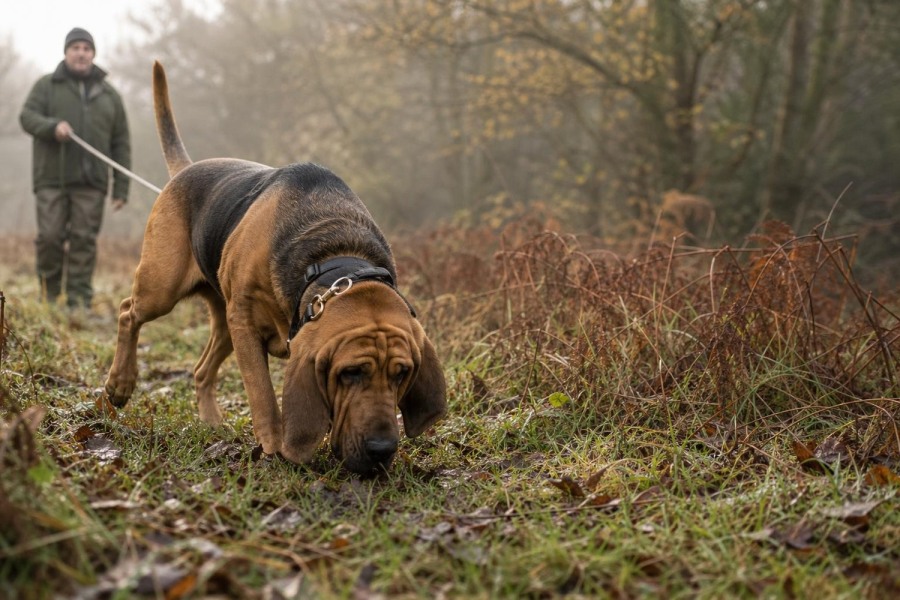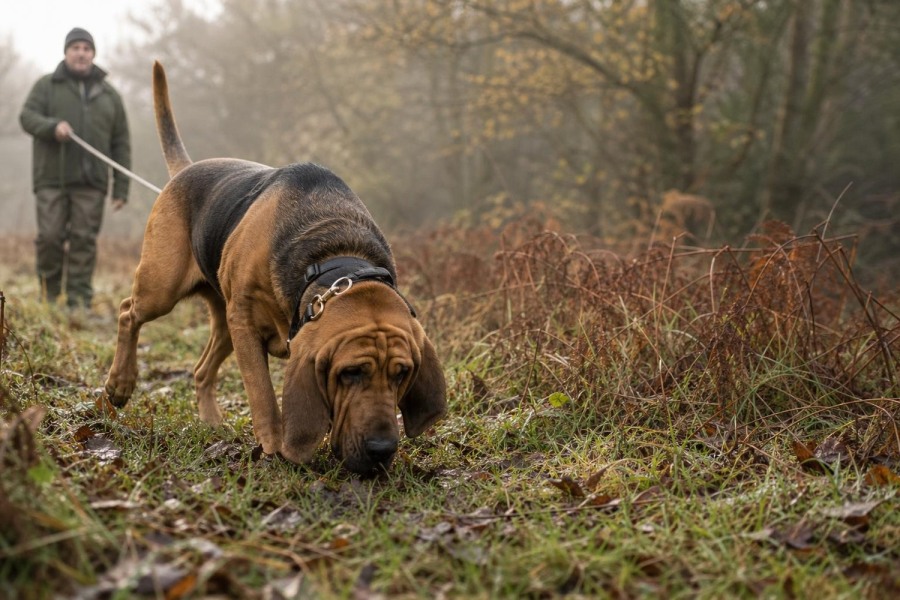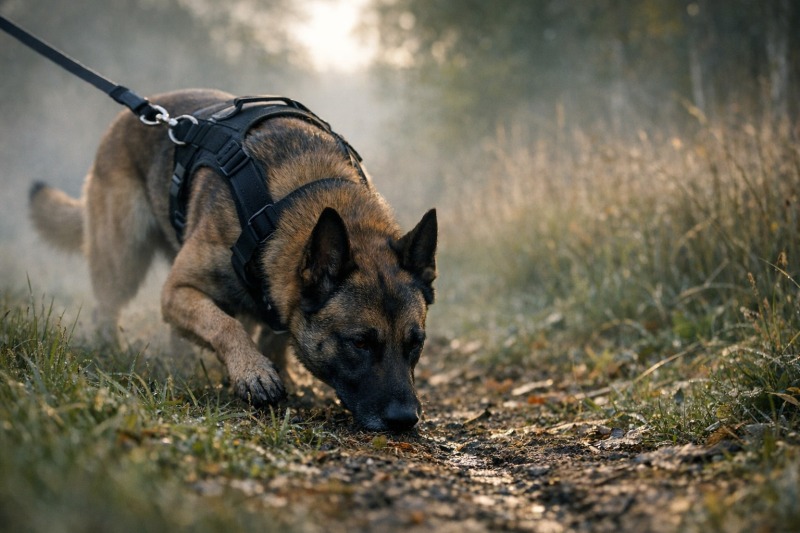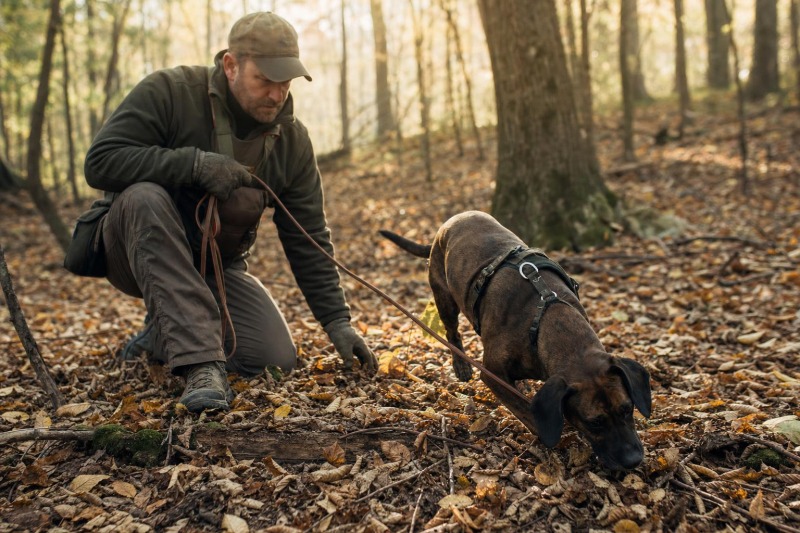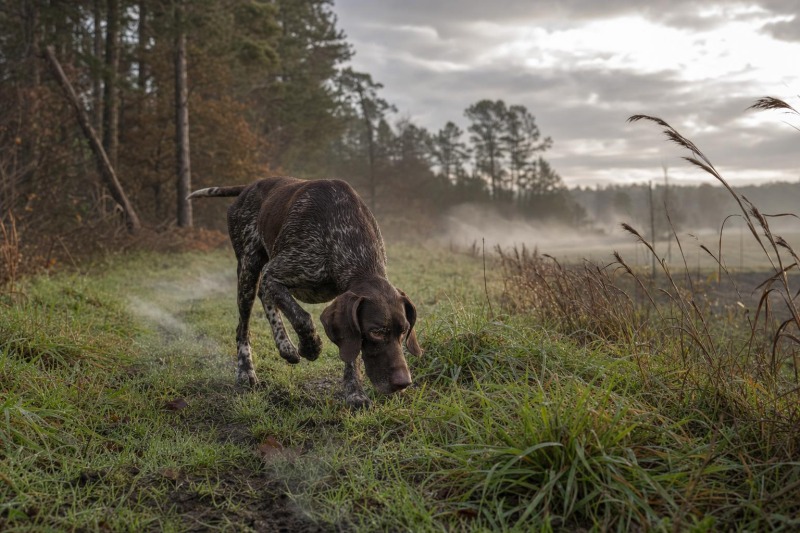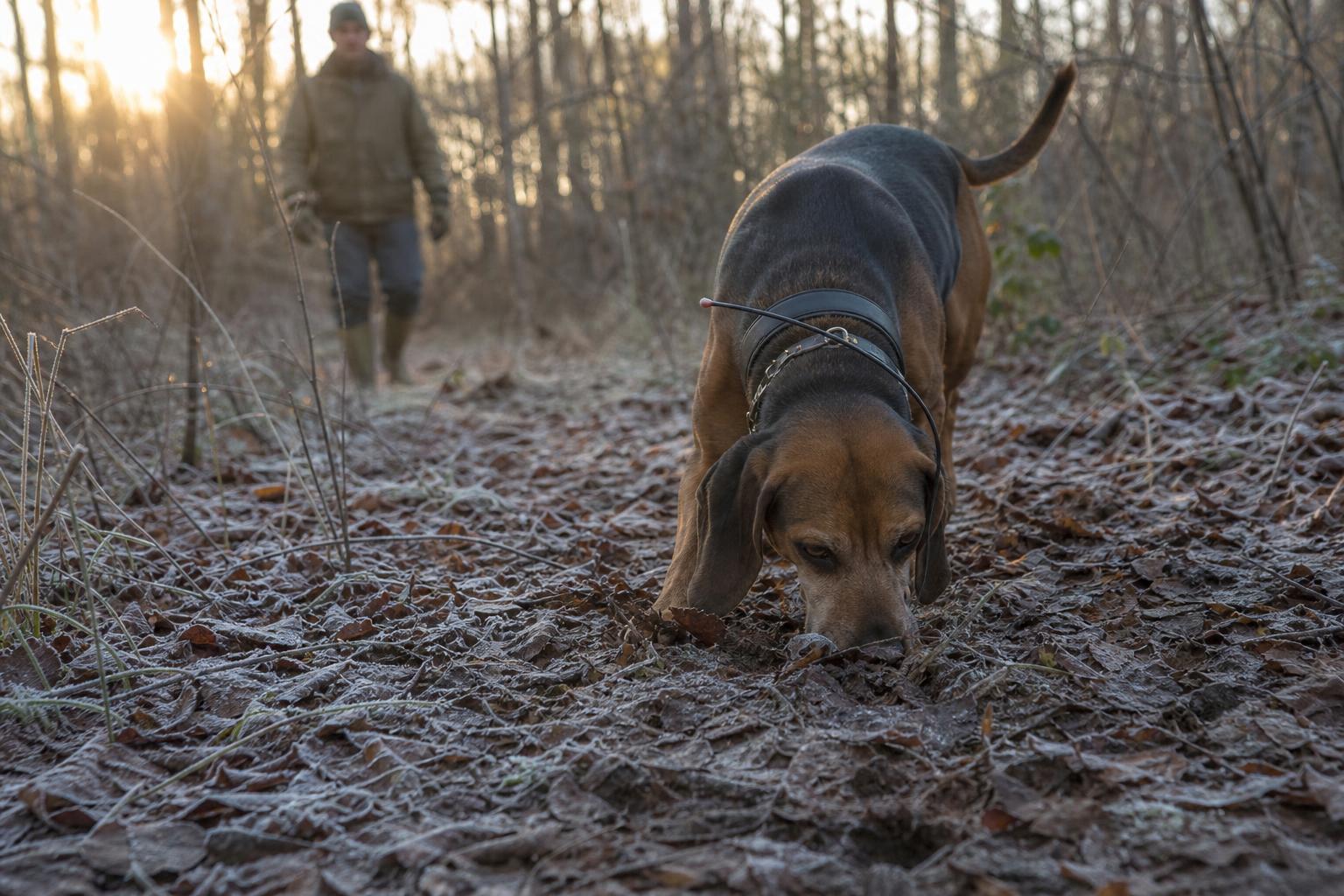
There is a world of difference between a dog that can grab a hot line and one that can make sense of an aging track after the ground has cooled, the wind has shifted, and every rabbit, deer, and farm dog in the county has crossed it. Folks who have spent real time behind working dogs know that cold trailing is where the truth comes out. A dog can look impressive on fresh scent. Aging tracks are another matter. They test nose, patience, brains, honesty, and the bond between dog and handler.
For dog owners interested in working dogs, understanding aging tracks is not just a matter of jargon. It gets to the heart of what makes a reliable trailing dog. Whether you are running hounds, training a tracking dog for practical recovery work, or simply trying to understand why your dog struggles on old ground scent, the principles are the same. Old scent behaves differently, dogs react differently to it, and the best handlers learn to read both the track and the dog.
What Aging Tracks Really Mean
An aging track is simply a line of scent that has had time to weaken, spread, break apart, and change character. Fresh scent tends to be stronger, tighter, and easier for a dog to move with confidence. As time passes, the scent picture becomes thinner and less dependable. Moisture changes it. Sunlight burns it off. Wind drifts it. Dust covers it. Frost can pin it down one hour and ruin it the next. By the time a track turns cold, the dog is no longer following a clean ribbon. He is sorting fragments, pockets, and traces.
That is why cold trailing is never just about a “better nose,” though nose matters. It is also about a dog’s willingness to work methodically when the scent is poor. Some dogs get discouraged when the line fades. Others get excited and begin guessing. The rare good one slows down, checks himself, and keeps working. That kind of dog is worth feeding.
The Difference Between Hot Trailing and Cold Trailing
On a hot track, many dogs can drive hard because the scent picture is loud. They may throw their heads up, pull forward, and cover ground with confidence. There is speed in it, and speed is exciting. But cold trailing calls for a different gear. The dog must often lower his tempo, hunt in short arcs, test scent with care, and resist the urge to run to where he thinks the track ought to be.
An older, seasoned dog will often look less impressive to the untrained eye. He may work ten careful feet where the young dog rushed fifty. Yet the old dog is the one that puts the race together.
Why Some Dogs Excel on Old Scent
Part of it is genetics. Some bloodlines are simply bred to account for older scent and sort it honestly. Part of it is maturity. Dogs that have spent time failing, figuring out their mistakes, and being allowed to solve problems become steadier on aging tracks. And part of it comes down to temperament. A cold trailer needs desire, but not the kind that boils over into reckless guessing. He needs patience with fire under it.
How Weather and Ground Conditions Affect a Cold Track
If you spend enough mornings in the field, you learn quickly that old scent is not one thing. A six-hour track on damp leaf litter may smell easier than a two-hour track laid over dry, dusty ground under a rising sun. Humidity can hold scent close. Heavy dew can help early and then confuse as conditions warm. Wind may carry scent off the line into pockets, making the dog look wrong when he is actually right about where the odor settled.
Cold ground often fools handlers. People assume cold weather always helps. Sometimes it does. Sometimes a hard freeze flattens scent and leaves a dog with little to work from. Snow can be a blessing or a curse. Bare earth after a light rain may trail beautifully. Midday heat on gravel roads can make an aging track disappear as if someone wiped the slate clean.
The lesson is simple. Do not judge a dog by the clock alone. Judge him by the age of the track in relation to the conditions. A dog working an eight-hour line through shifting wind and dry cover may be showing more real trailing power than one running a much older track under perfect moisture.
Reading the Dog on Aging Tracks
One of the biggest mistakes handlers make is expecting a cold trailer to look the same every time. Good dogs change style to match what scent gives them. On an old track, watch for problem-solving behavior. The dog may shorten up, cast carefully, return to the last place of confidence, and rework a turn two or three times before committing. That is not always weakness. Many times it is honesty.
A dog that cold trails well often tells on himself in subtle ways. His tail may slow rather than flag wildly. His breathing changes. He may take a few determined steps, then pause as though listening with his nose. When he speaks, if he is the kind to open, the voice tends to sound different than on a hot line. It has less celebration and more certainty earned the hard way.
Honesty Matters More Than Flash
Aging tracks expose dishonest dogs in a hurry. Some will babble where scent was, not where it is. Some will switch game when pressure builds. Some will skirt ahead and hope they can recover enough scent to fool the handler. Those faults can hide on easy mornings. They cannot hide long on cold trailing work.
Training for Cold Trailing Without Ruining a Dog
Too many handlers either overface a young dog or coddle him on easy scent until he never learns to struggle honestly. Building a cold trailer takes judgment. Start with tracks the dog can finish, then let them age gradually. Give the dog enough difficulty to make him think, but not so much that every lesson ends in confusion. Confidence matters. So does discipline.
One thing experienced dog men learn is not to help too fast. If you step in every time the dog bogs down, he begins looking to you instead of working the scent. Let him puzzle through manageable losses. Let him circle, check, and settle. The understanding that comes from self-correction sticks better than constant handling.
At the same time, do not reward guesswork. If a dog starts freelancing, slow the exercise down. Put him back where scent was true. Cold trailing should sharpen the brain, not teach the dog that speed can cover mistakes. The best trailing dogs build a habit of accounting for the line one section at a time.
Patience Builds More Dogs Than Pressure
A cold trailer often comes into himself with age. Nose, confidence, and judgment seem to come together over time if the foundation is right. Push too hard and you can create a dog that dreads hard scent or, worse, learns to bluff when he cannot solve it.
Common Problems on Aging Tracks
One common issue is overrunning the line. On weak scent, an eager dog may carry momentum past the last usable trace and then widen out too far hunting for a miracle. Another problem is scent contamination. Areas with heavy animal traffic, livestock, roads, or human activity can create a mixed odor picture that frustrates inexperienced dogs. Then there is the handler himself, often talking too much, moving too quickly, or doubting the dog at exactly the wrong moment.
Sometimes the smartest thing you can do is stand still and watch. A good dog on a cold track is thinking. If you crowd him, you interrupt that process. Give him room to work. Learn what his uncertainty looks like and what his conviction looks like. Those are not the same thing, and if you cannot tell the difference, you will mishandle old tracks.
Why Cold Trailing Still Matters in Working Dogs
In an age where many people want quick results and easy tests, cold trailing remains one of the purest demonstrations of useful dog work. A dog that can move an aging track is not just showing nose. He is showing composure, trainability, endurance, and a kind of practical intelligence that matters in the real world. For hunters, recovery work, and serious working dog owners, that has value beyond bragging rights.
There is also something deeply satisfying about watching an experienced dog piece together what seems impossible. Dawn breaks, the cover is quiet, and the line looks dead to human eyes. Yet the dog lowers his head, sorts through old scent no one else can read, and begins to tell the story of what passed there hours before. That kind of work humbles a man if he pays attention.
Aging tracks and cold trailing are where working dogs earn respect. They remind us that the best dogs are not always the loudest or fastest. Often they are the ones with enough sense to slow down, enough grit to stay with a poor line, and enough honesty to keep the truth of the track ahead of excitement. If you are raising or training a working dog, spend time learning what old scent does and what your dog does in response. The field will teach you, if you let it.
Cold trailing is part science, part instinct, and part hard-earned experience. The dog brings his nose and nature. The handler brings patience and judgment. When those two come together, even an aging track can come alive again.