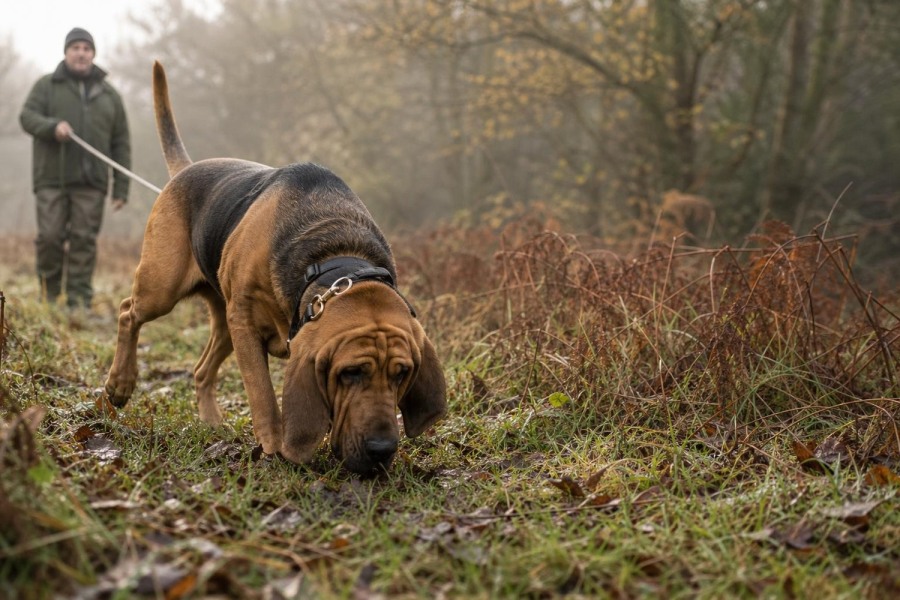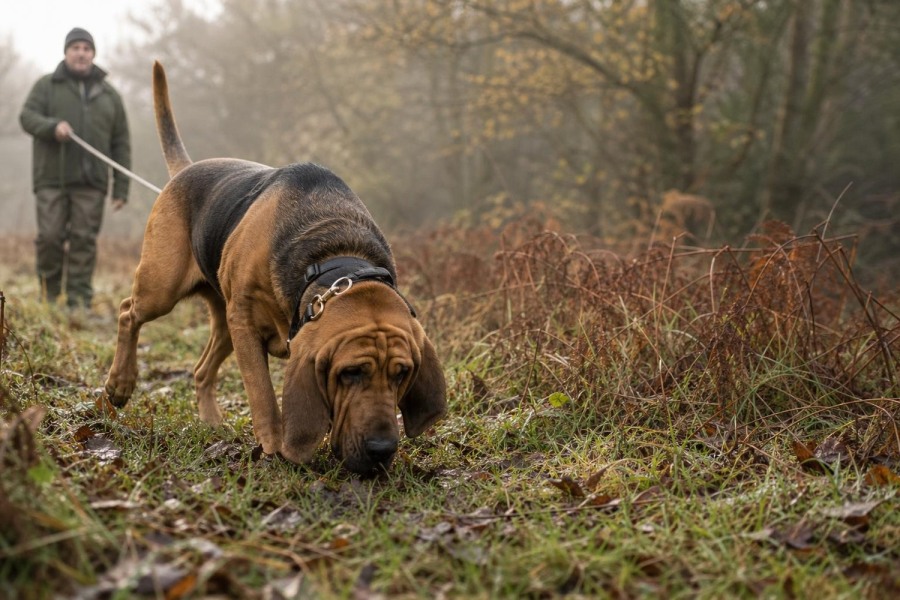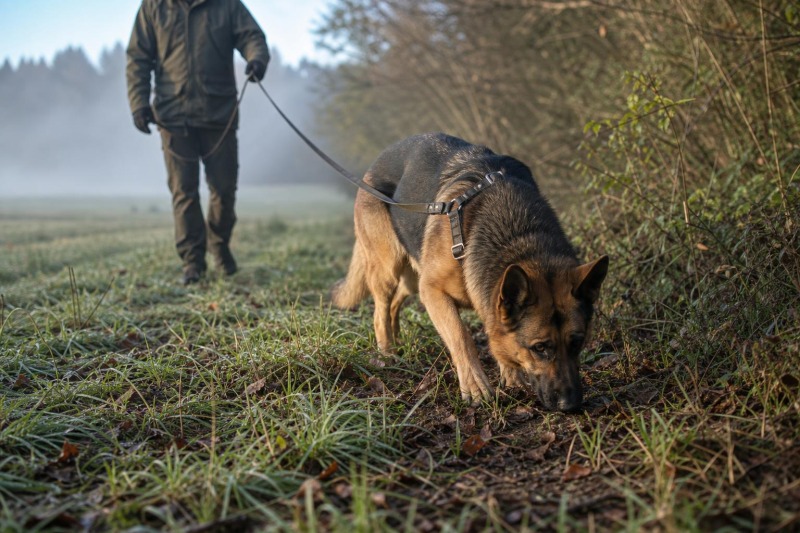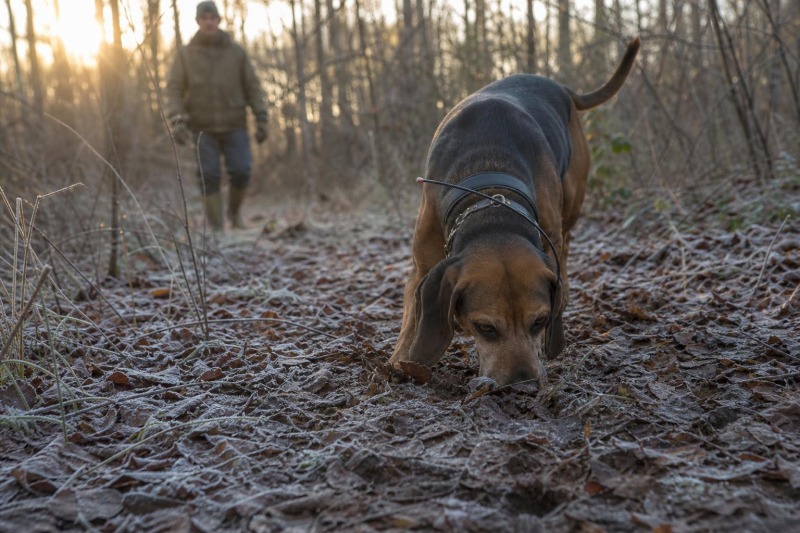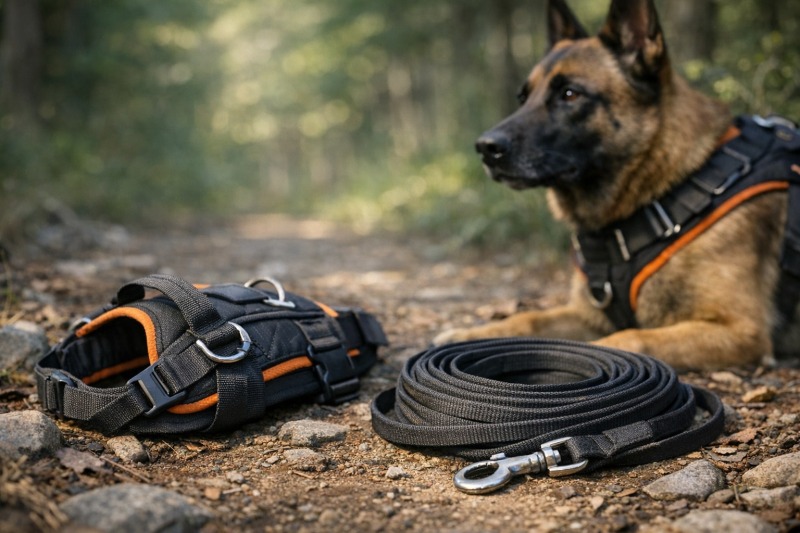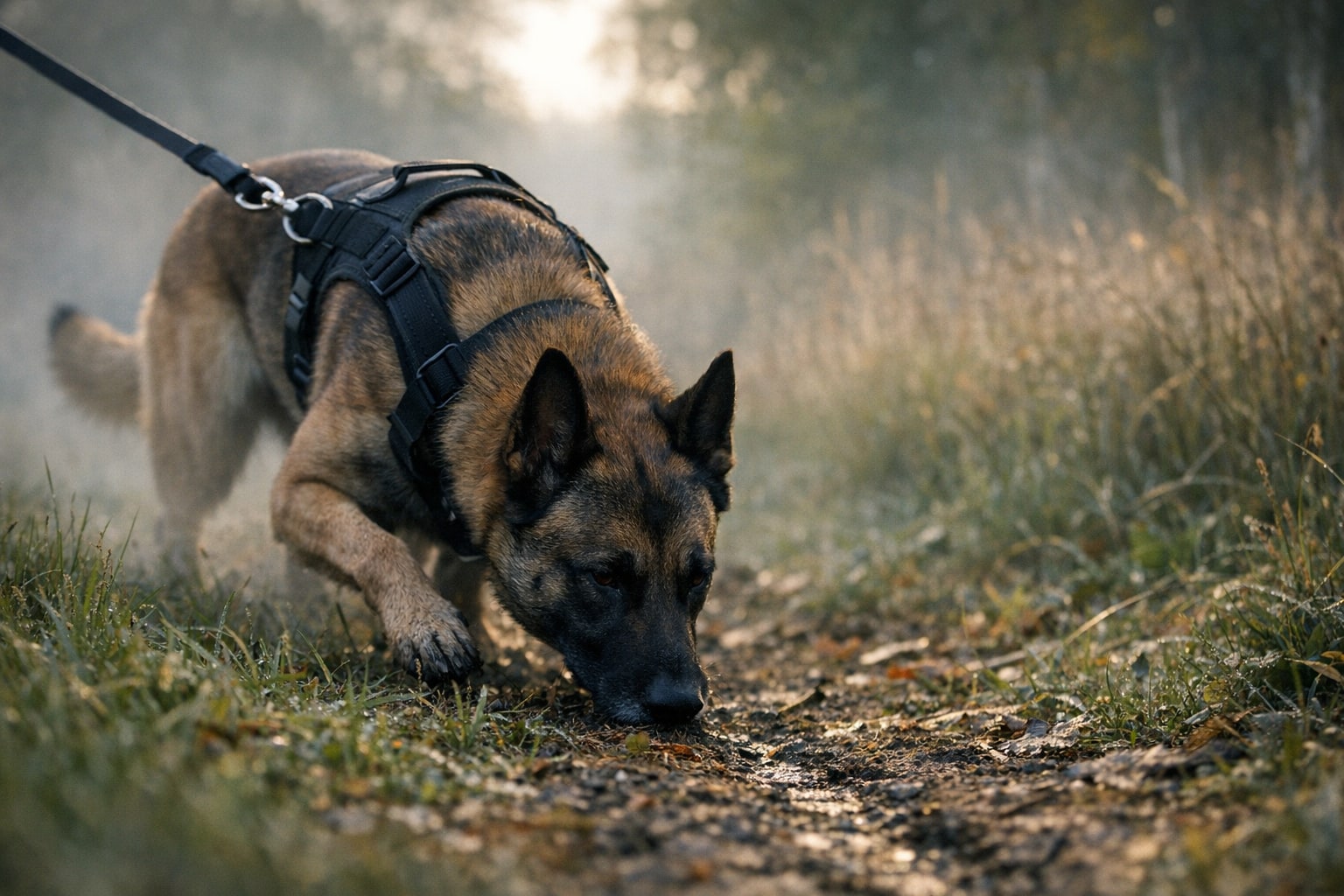
There is something unforgettable about watching a good dog lower its head, draw in scent, and commit to a line that no human eye can see. If you have spent any time behind a serious working dog in the field, you know that moment. The dog changes. The body tightens, the tail settles into rhythm, and suddenly the world gets quiet except for your own boots in the grass and the steady pull on the line. That is the heart of tracking competitions and sport tracking. It is not flashy in the way protection work or dock diving can be, but for folks who appreciate the raw talent of a dog using its nose with purpose, it is one of the finest sports there is.
For dog owners interested in working dogs, tracking offers more than ribbons and titles. It gives a dog honest work. It develops patience, problem-solving, concentration, and trust between dog and handler. A dog that learns to track learns to sort through distraction, stay with a task, and work independently while still staying connected to the person at the other end of the line. Those qualities carry over into hunting, search work, and everyday life with a driven dog that needs a real job.
What Tracking Competitions Are Really About
At its core, sport tracking asks a dog to follow human scent over a planned course and indicate articles left along the track. The dog is not simply running wild and hoping for luck. A proper tracking dog is reading crushed vegetation, disturbed ground, and human scent that settles and shifts with the weather. In competition, precision matters. Judges want to see a dog that works methodically, stays committed to the track, and handles changes in direction and surface without falling apart.
Different organizations have different rules, but the principles remain familiar. A tracklayer walks a pattern across a field or varied terrain. Articles are placed along the way. After a period of aging, the dog is brought to the start and asked to solve the problem. Some tracks are fresh and simple. Others are older, longer, and full of turns that test the dog’s maturity and training. By the time a team reaches advanced levels, the exercise becomes a true examination of nose, nerve, and teamwork.
There is no bluffing once you step onto a field. Either the dog understands the job or it does not. Either the handler can read the dog or they cannot. You find out quickly whether your training has depth. That honesty is one reason so many serious working dog people respect the sport.
How Sport Tracking Builds a Better Working Dog
Some dogs are born with a natural desire to hunt scent, but competition tracking still has to be taught. What the sport does especially well is shape that natural instinct into disciplined work. A strong tracking dog learns to stay in odor, ignore rising excitement, and solve scent puzzles instead of quitting when the picture changes. That kind of mental steadiness matters whether your dog is destined for field work, detection, trailing, or simply needs an outlet worthy of its breeding.
One of the best things about tracking is that it gives high-drive dogs a way to settle into concentration. Young dogs that are frantic in other venues often become surprisingly thoughtful once they understand the game. They begin to trust their nose. The handler learns to stop micromanaging. Over time, the pair develops a rhythm that is hard to describe unless you have felt it through a long line on a cold morning.
It also builds confidence in sensitive dogs. A dog that may hesitate in obedience can become bold on a track because scent work allows the animal to be right through its own effort. Each article found and each corner solved teaches the dog that persistence pays. That matters in any kind of working partnership.
The Relationship Between Handler and Dog
Good tracking handlers are patient people. They have to be. The sport humbles anyone who comes in thinking force and speed will win the day. On a track, the dog owns the truth. The handler’s job is to set up training fairly, support the dog, and learn to read subtle changes in breathing, line tension, head carriage, and tempo. Some dogs track deep and deliberate. Others move lightly and fast. Experience teaches you what your own dog looks like when it is right, when it is uncertain, and when it has drifted off the line.
That education alone is worth the time. A handler who has learned tracking usually becomes better in every other dog sport because they are finally paying attention to the dog instead of only to commands.
Training for Tracking Competitions
The best tracking dogs are not rushed. Early training usually starts with simple, short tracks in favorable conditions where the dog can find success. Many trainers begin in light cover with soft ground that holds scent well. The point is not to impress anybody. The point is to teach the dog that a human track has value and that staying in that scent picture leads to reward.
From there, difficulty is added in sensible layers. Tracks get longer. Corners become sharper. Articles appear with more meaning. Aging time increases. Weather becomes part of the lesson. A green dog that can follow a fresh line on a damp morning may look very different on dry ground with wind cutting across the field. That is where real training begins. The dog has to learn that scent is not a fixed thing. It moves, lifts, pools, and breaks apart depending on cover, moisture, temperature, and terrain.
A dog that loses confidence because it was pushed too fast may start guessing, air-scenting wildly, or charging corners. Better to build a careful foundation. Let the dog develop accuracy before speed. Let it understand article indication before adding pressure. Sport tracking rewards method more than impatience.
Field Conditions Matter More Than Beginners Think
Ask any experienced tracker and they will tell you the field is never just a field. Short grass, heavy dew, bare dirt, stubble, clover, frost, and warming sun all create different scent pictures. A track laid at dawn may work one way at thirty minutes and another way at two hours. Wind can push scent off the footsteps so strongly that a dog appears wide while still honestly working odor. Dry conditions may leave little ground disturbance and force the dog to depend on faint remnants that linger in shaded pockets.
This is one reason tracking teaches humility. A dog can be excellent and still struggle if the conditions are difficult and the handler reads the picture poorly. A team that understands weather and terrain has a real advantage in competition.
What Judges Look for in a Tracking Trial
In most tracking competitions, judges want to see commitment, accuracy, and clear article indication. The dog should approach the start with intent, take scent honestly, and move down the track in a way that shows understanding rather than guesswork. Minor checks are not the end of the world if the dog works them out calmly. In fact, a thoughtful recovery often says more about training than a perfectly easy leg in ideal conditions.
Articles are important because they show the dog is not just drifting through a field but actively solving the assigned problem. Depending on the rules, the dog may down, sit, or otherwise indicate an article. Whatever the style, it should be reliable and clear. Handlers are judged too, though sometimes indirectly. A handler who crowds the dog, adds tension at the wrong time, or misses obvious body language can cost the team valuable points.
At advanced levels, the trial becomes a serious test of consistency. The dog must handle long aged tracks, multiple turns, and surface changes while keeping composure. That is where breeding, training, and field time all come together.
Why Tracking Appeals to Hunting and Working Dog Owners
For many of us who came up around hunting dogs and practical field work, tracking feels familiar in the best way. It respects the dog’s natural equipment. It asks for discipline, but it does not smother instinct. A dog that learns to work a track with care is learning something old and useful, even when practiced in a formal sport setting.
There is also a plain satisfaction in it that is hard to beat. No decoys, no blinds, no noise. Just a dog, a line, a field, and a hidden story written in scent. When a dog threads that story from start flag to final article, you are watching talent meet training in a very pure form. That is why people stay with tracking for years. Titles matter, but the work itself is the reward.
If you own a working-bred dog and you are looking for a sport that deepens focus rather than simply burns energy, tracking competitions deserve your attention. They challenge the dog honestly and teach the handler to become observant, patient, and fair. Dogs that track well often become better partners everywhere else because they have learned how to think through pressure and trust both their nose and their handler.
That first successful track tends to hook people. You watch your dog lower into the scent, solve corners you cannot see, and find an article hidden in plain sight, and suddenly you understand what all those old handlers were talking about. The invisible trail is not invisible to the dog. It is a road, and a good tracking dog can walk it with a kind of confidence that never stops impressing those of us lucky enough to follow behind.