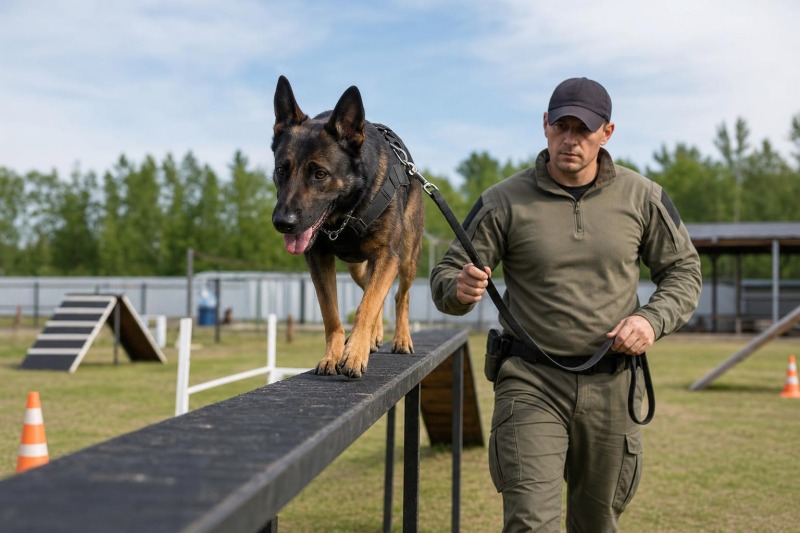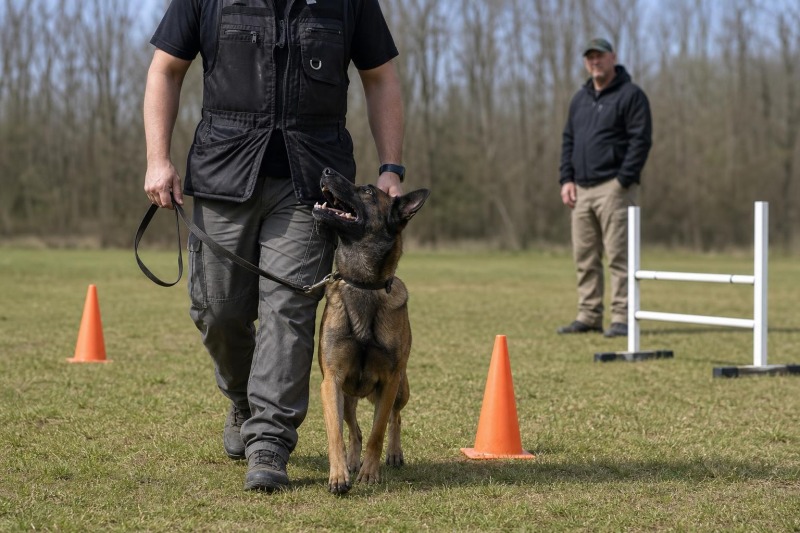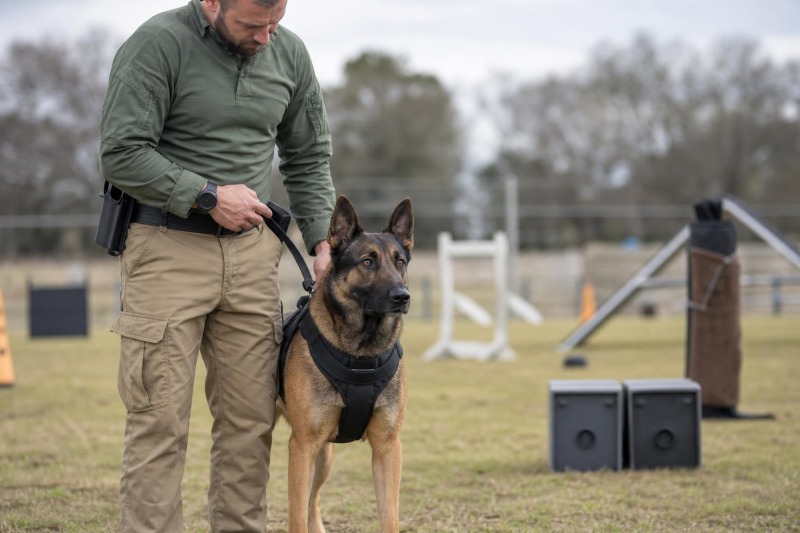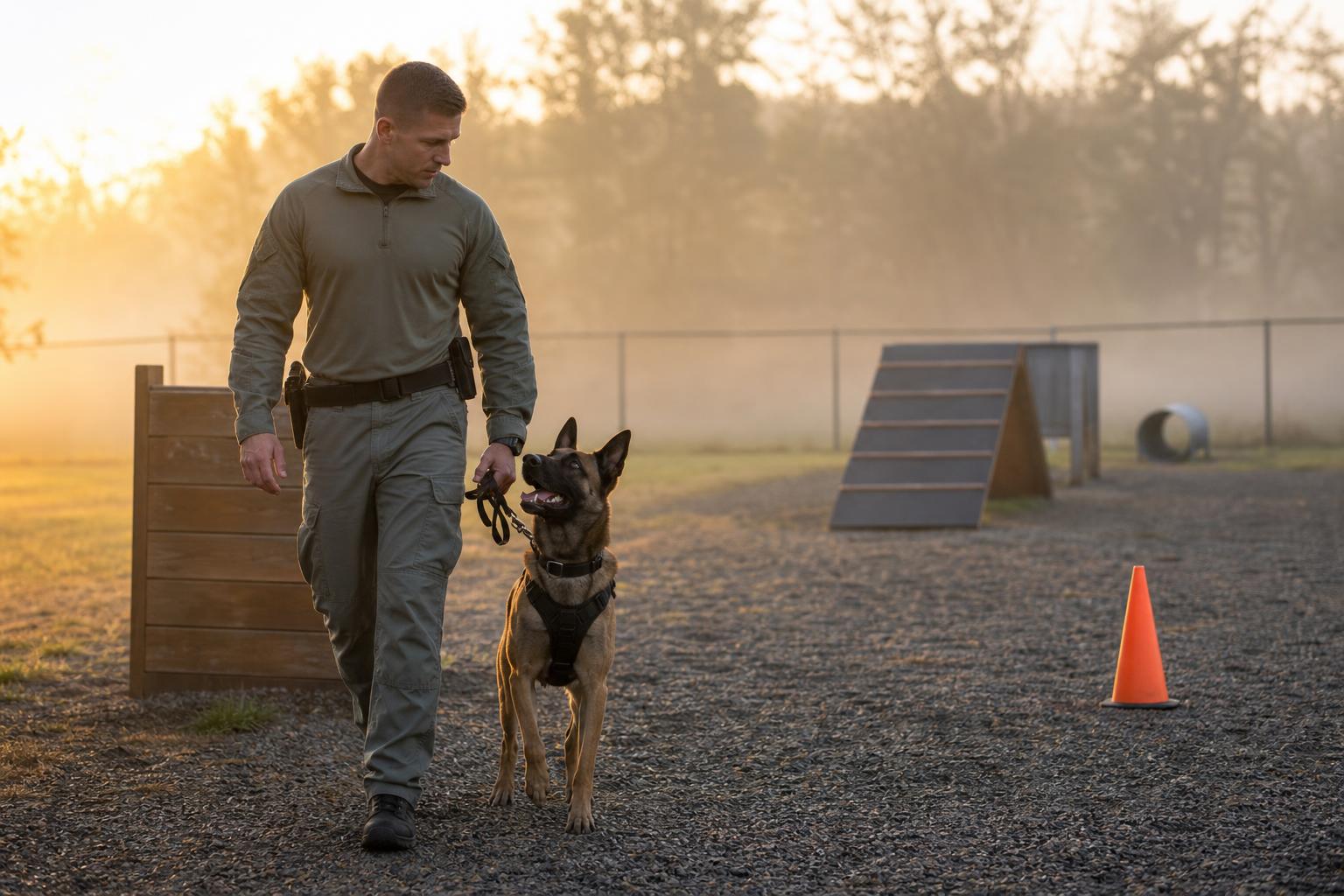
Folks on the outside often picture the job one way. They see the patrol car, the barking shepherd in the back, the dramatic track through the dark, and the handler stepping out like it all comes naturally. The truth is a good bit grittier, slower, and more earned than that. Becoming a police K9 handler is not simply a matter of loving dogs or being handy with obedience work. It is a career path built on law enforcement experience, pressure-tested judgment, physical stamina, and the kind of partnership with a dog that has to hold together when the stakes are high.
If you have spent much time around working dogs, you already know there is a world of difference between owning a dog and relying on one in the field. A police dog is not a hobby animal, and a handler is not just a trainer with a badge. The handler has to read shifting wind, body language, suspect behavior, terrain, stress, and timing, sometimes all at once. That kind of work is learned over years, and it starts long before anyone hands you a leash and a department-issued kennel card.
The Career Usually Starts with the Badge, Not the Dog
In most departments, the road to becoming a police K9 handler begins with becoming a police officer first. Agencies typically want a candidate who has already proven dependable on patrol, shown sound decision-making under pressure, and built a reputation for discipline. K9 units are specialized assignments, and they are rarely given to brand-new officers. A department wants to know that when things get loud, fast, and complicated, you can still think clearly and follow policy.
That makes sense when you consider what the job asks of a handler. You may be called to track a fleeing suspect through a neighborhood before dawn, search a school after a threat, recover evidence in rough cover, or deploy on a felony stop with every pair of eyes on your decision-making. The dog may be exceptional, but the handler is still responsible for every command, every release, and every outcome. Departments tend to choose officers who have already shown maturity, consistency, and a calm head.
For someone serious about this path, the first practical step is straightforward. Get hired by a law enforcement agency, perform well, and make yourself the kind of officer supervisors trust. That may not sound romantic, but that is the backbone of it.
Why Patrol Experience Matters So Much
Patrol teaches lessons that cannot be faked. It teaches how people behave when they lie, panic, run, or fight. It teaches how scenes unfold, how communication breaks down, and how quickly a minor call can turn dangerous. For a future K9 handler, those lessons are worth their weight in gold. A handler has to know when the dog is the right tool, when to hold back, and when a search is becoming unsafe or legally questionable.
Officers who come up through patrol also learn something just as valuable: how to work with others. A K9 team may feel independent, but no dog works in a vacuum. Handlers coordinate with patrol officers, supervisors, SWAT teams, detectives, and neighboring agencies. If you cannot communicate well with people, you will struggle, no matter how good you are with dogs.
You Need More Than Dog Sense
Plenty of people who admire police dogs assume a background in dog training is enough to break into the field. It helps, no doubt about it. Experience with working breeds, decoy work, obedience foundations, scent development, and drive management gives you a leg up. But police K9 handling requires more than general dog knowledge. It demands legal awareness, report writing, tactical judgment, and a precise understanding of use-of-force policy. You are not just shaping behavior. You are deploying a law enforcement tool in situations that may later be examined in court, reviewed by command staff, and replayed frame by frame.
They were steady. They noticed little things. They did not force a dog into a bad picture just to show action. They understood that confidence in a dog comes from clear training, fairness, and repetition, not from chest-thumping. A handler with ego can ruin a promising dog in short order. A handler with patience can make one shine.
The Dog-Human Partnership Is the Whole Job
There is a reason seasoned handlers talk about trust the way old hunters talk about a once-in-a-lifetime dog. On paper, you can list detection, tracking, apprehension, area search, article search, and obedience. In practice, the heart of the work is whether the dog believes you, whether you understand what the dog is telling you, and whether both of you can function cleanly in stress.
That partnership is built at home as much as on the training field. In many agencies, the police dog lives with the handler. That means the workday does not end when you park the cruiser. You are caring for the dog, monitoring health, maintaining kennel cleanliness, traveling to training, and often adjusting family life around the demands of the unit. It is rewarding, but it is no part-time attachment. The dog becomes woven into your routine, your schedule, and your responsibility every day of the year.
How Officers Get Selected for K9 Units
Selection standards vary by agency, but openings are usually competitive. Departments may look at seniority, disciplinary history, patrol performance, physical fitness, communication skills, and home situation. That last part matters more than many people realize. If the dog will live at your home, the department may want to know you have a suitable property, stable living arrangements, and a household that can safely accommodate a working police dog.
Interviews often reveal as much as test scores. Supervisors want to know why you want the assignment. If the answer sounds like thrill-seeking, that can be a red flag. Good agencies are looking for officers who respect the work, understand the maintenance behind it, and are ready for the accountability that comes with the role.
Some departments also require candidates to complete handler schools, decoy exposure, or observational time with an established K9 unit before selection. If that opportunity exists, take it. Watching training from the fence line and helping on the field can tell you very quickly whether you love the reality or only the image.
Training Never Really Stops
Once selected, a new handler usually attends an intensive certification course with the dog. That training may cover patrol functions, narcotics or explosives detection, tracking, building searches, control work, scenario-based deployments, and legal standards. It is demanding because it has to be. The course is not there to make you look good. It is there to expose flaws, sharpen communication, and build reliability.
Even after certification, no serious handler coasts. Ongoing maintenance training is part of the job. Skills fade when neglected, and sloppy handling creates sloppy deployments. The best teams train in bad weather, on unfamiliar ground, around distractions, and under pressure. They work on fundamentals until they are bored with them, then work on them again. That is how confidence is earned.
What Makes a Strong Handler Candidate
If you are aiming for this career, certain qualities matter again and again. Patience is one. So is consistency. A dog cannot thrive under confusion, and a unit cannot thrive under a handler who cuts corners. Physical fitness matters because tracks run long, searches happen in rough places, and the dog deserves a partner who can keep up. Emotional steadiness matters just as much. Dogs are honest creatures. They feel tension, haste, and uncertainty before you ever say a word.
A solid candidate is also teachable. Some officers come in convinced they know dogs because they have owned tough breeds or trained in sport work. That background can help, but police service asks a different set of questions. The officers who learn fastest are the ones willing to shut up, watch carefully, and let experienced trainers correct them.
The Lifestyle Few People Talk About
Here is the part worth saying plain: being a police K9 handler is not only a job assignment, it is a lifestyle commitment. The dog rides with you, trains with you, lives with you, and depends on you. Vacations, off-duty routines, family plans, and even where you park can be shaped by that responsibility. There is pride in it, certainly, but there is sacrifice too.
You carry the joy of the work and the weight of it together. Anyone thinking seriously about becoming a police K9 handler ought to respect both sides.
How to Prepare Before You Ever Apply
If this path calls to you, start by becoming excellent where you are. If you are not yet in law enforcement, research agencies, hiring standards, and academy requirements. If you are already an officer, build a reputation for reliability. Seek training. Volunteer to assist K9 teams when appropriate. Study working dog behavior. Learn about scent theory, drive, reward systems, bite development, and deployment law. Spend time around experienced handlers who will tell you the truth, not just the polished version.
It also helps to keep your expectations realistic. Not every officer who wants K9 gets it. Openings are limited, dogs vary, and agency needs shift. But preparation is never wasted. The habits that make a strong K9 candidate also make a strong officer: discipline, humility, fitness, and sharp observation.
For the right person, there are few assignments in law enforcement more meaningful than working a good dog. It is skilled work, honest work, and demanding work. The dog brings power, instinct, and heart. The handler must bring judgment, control, and constant commitment. When those pieces come together, it is something special to witness.
Becoming a police K9 handler is not about chasing the image. It is about earning the responsibility. If you are willing to put in the years, learn the craft, and care for the dog as both partner and duty, the path is there. It is steep, but for those called to it, that is part of the point.