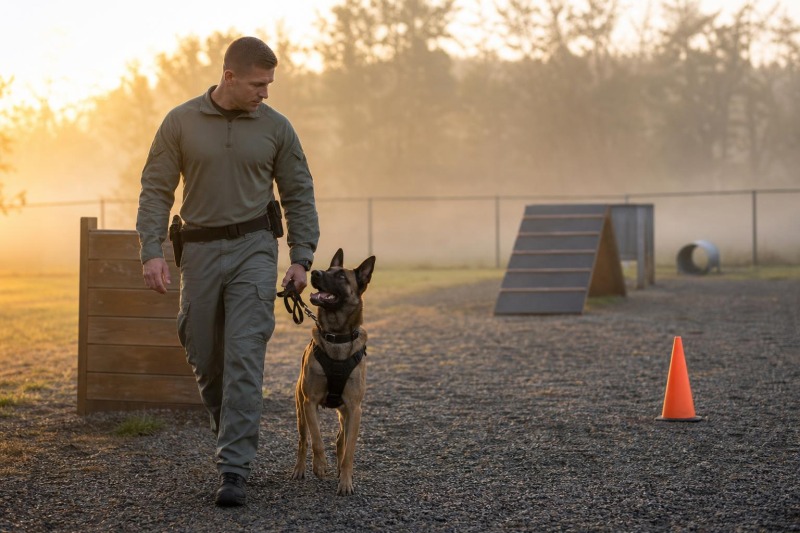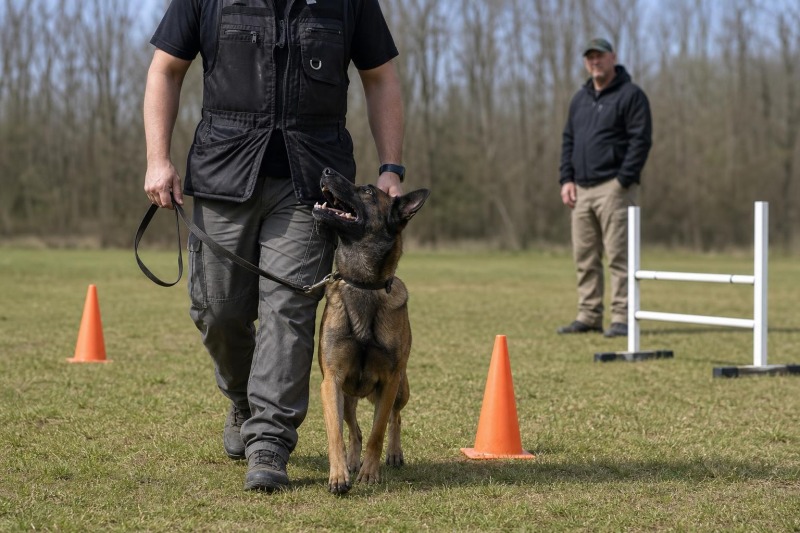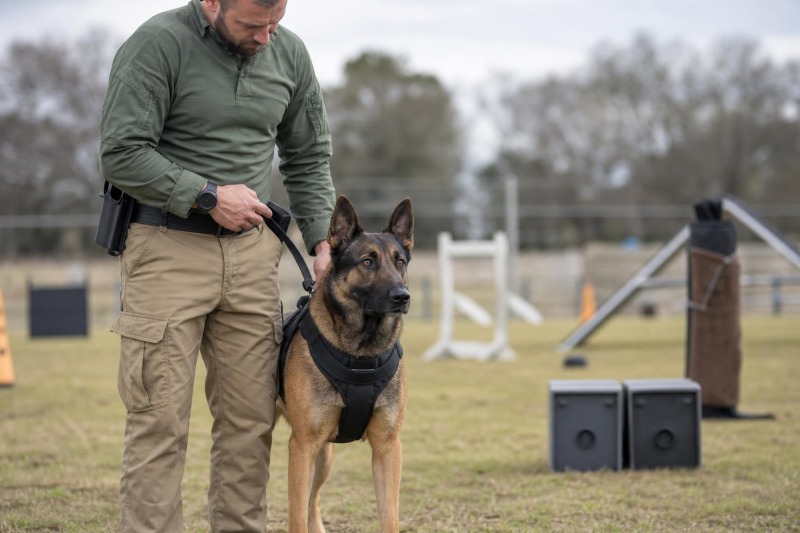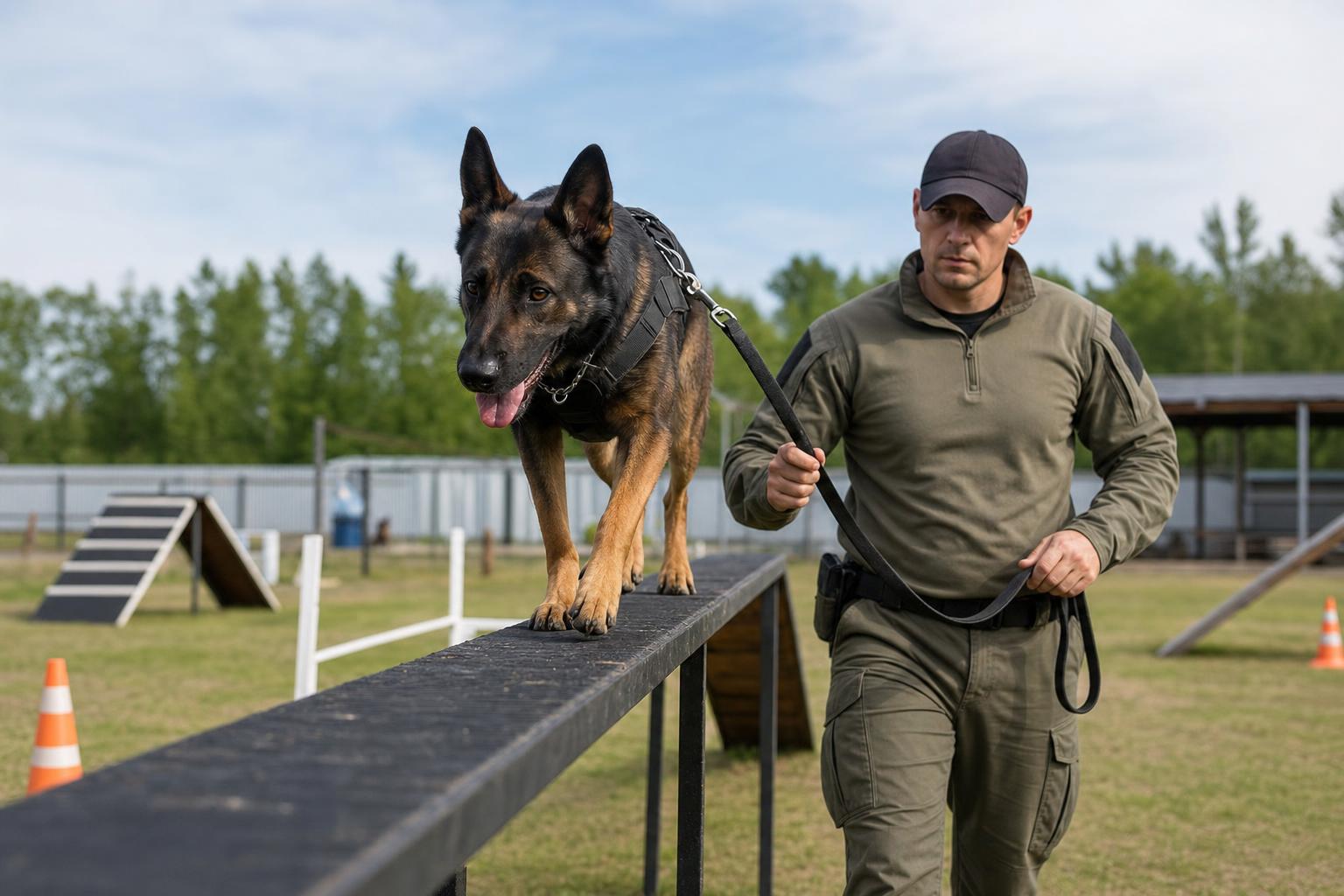
Police K9 Training Academies: Where Good Dogs Become Dependable Partners
Police K9 academies train teams to meet the requirements of their program and assignments. Dog work develops alongside handling, care, procedures, and assessment. The training process is easier to understand when those responsibilities are considered together.
Folks who are new to working dogs often picture police K9 work as one narrow lane, but the truth is broader than that. Some dogs are trained for patrol, some for narcotics detection, some for explosives, some for tracking, and some for dual-purpose work that demands a dog can switch gears in a heartbeat. In a solid academy, that transition is built carefully, one layer at a time, until the dog and handler begin to operate as a team rather than two separate creatures attached by a leash.
What Police K9 Training Academies Actually Do
At their core, police K9 training academies exist to prepare dogs and handlers for real-world police work. That sounds simple enough on paper, but any old hand around dogs knows simple and easy are not the same thing. The academy must test nerve, obedience, environmental stability, hunt drive, social behavior, and trainability. It must also shape the handler, because a weak handler can unravel a strong dog faster than most people realize.
Many academies start with a dog that already shows the right foundation. These dogs are often selected for confidence, athleticism, strong prey drive, and a willingness to work through pressure. A dog that startles at every loud noise or wilts in slick hallways, dark rooms, or crowded settings will struggle in police work. The academy exposes each dog to all of it. Concrete floors, vehicle extractions, narrow stairwells, gunfire, hidden odors, biting sleeves, decoys, and long tracks through changing terrain all become part of the classroom.
Good academies do not train in a vacuum. They train for the conditions teams will actually face. A dog may need to search a warehouse one day, track a fleeing suspect through wet grass the next, and then work around children, traffic, and flashing lights an hour later. The academy’s job is to make those shifts feel normal.
Selection Matters More Than Most People Think
You can polish, direct, and refine. You cannot manufacture heart. Police K9 academies know this, which is why selection is such a serious piece of the puzzle. The right dog does not just have intensity. It has recoverability. It can absorb stress, shake it off, and return to work.
Breed often enters the conversation here, and for good reason. German Shepherds, Belgian Malinois, Dutch Shepherds, and Labrador Retrievers are common depending on the job. But within those breeds, the individual dog still matters most. One Malinois may be all speed and little patience. Another may carry the same fire with a steadier head. An academy worth respecting sees the difference and trains accordingly.
Building the Foundation: Obedience First
No matter how impressive the end result looks, police K9 training still rests on obedience. That may not be the flashy part, but it is the part that keeps everyone safe. Sit, down, heel, recall, place work, impulse control, and clean engagement with the handler are not optional. They are the rails the rest of the train runs on.
Confused dogs make mistakes. In police work, mistakes can cost more than a missed mark in a field trial. They can put officers, suspects, bystanders, and the dog himself in danger. That is why academies spend so much time teaching dogs to respond under distraction. A command given in a quiet training yard means little if it falls apart under sirens, shouting, and adrenaline.
Handlers are trained right alongside the dog. Timing, leash handling, reward placement, reading body language, and knowing when to apply pressure or back off are all part of the curriculum. In truth, many handlers come out of academy with a new understanding of dogs altogether. The best ones stop trying to overpower the animal and start learning how to communicate with it.
Specialized Training: Detection, Tracking, and Patrol
Once obedience is reliable, the academy can push into specialized work. Detection dogs are taught to hunt odor with purpose and persistence. That means building a dog that loves the search itself, one that treats hidden scent as a reward path rather than a chore. A good detection dog works with rhythm and confidence, clearing spaces methodically without becoming sloppy. Whether the target odor is narcotics, explosives, or firearms-related material, precision matters.
Tracking and trailing demand another kind of discipline. A tracking dog must learn to trust its nose over all the noise in the world. Wind, surface changes, contamination from human traffic, weather shifts, and time delays can all complicate the picture. Yet when a dog settles into that scent trail and moves with conviction, it is one of the finest sights in all dog work. It reminds you just how extraordinary a trained nose really is.
Patrol work tends to draw the most public attention, and it should. This side of training requires control under high arousal. The dog may be asked to search buildings, apprehend suspects, hold and bark, release on command, and remain neutral when force is no longer needed. That kind of training must be careful, consistent, and grounded in legal and ethical standards. A serious academy understands that controlled aggression is not the same thing as recklessness. The dog is not trained to be chaotic. It is trained to be precise.
Scenario Training Makes the Difference
The strongest academies spend plenty of time on scenarios. This is where all the pieces begin to come together. The dog is no longer just running a clean drill in a familiar field. It is working through darkness, clutter, strange footing, vehicle stops, hidden suspects, decoys who behave unpredictably, and environments loaded with distractions. The handler must make decisions in real time while still reading the dog correctly.
That is where the polish shows. A team that looks good in basic repetitions may wobble when uncertainty enters the picture. Scenario work exposes those cracks. It also gives the team a chance to build confidence before the real world demands it.
The Handler-Dog Bond Is Not a Slogan
People talk a lot about partnership, but in police K9 work that bond is practical as much as emotional. The handler has to trust what the dog is telling him. The dog has to believe the handler will provide clarity and consistency. You do not build that in a weekend. It comes through repetition, fair correction, earned rewards, shared stress, and long hours in training fields and urban lots alike.
Academies that understand this put as much emphasis on the human end as they do on the canine. They teach handlers how to care for the dog physically, how to maintain training standards after graduation, and how to recognize fatigue, overheating, stress signals, and shifting behavior.
That daily maintenance matters. An academy can start the process, but the field handler keeps it alive. Like any finely tuned gun dog or stock dog, a police K9 needs continued work to stay sharp. Skills that are ignored tend to rust.
What Dog Owners Can Learn From Police K9 Training Academies
Even if your own dog will never ride in a patrol car or clear a building, there is a lot to admire and borrow from the academy model. First, structure creates confidence. Dogs do better when expectations are clear. Second, engagement is earned. The strongest working dogs are not just obedient; they are invested in the task and connected to the handler. Third, environment matters. A dog that only performs in the backyard is not truly trained. Training has to travel.
For owners interested in working dogs, police K9 academies offer a sharp reminder that serious canine performance is built through consistency, fair standards, and realistic practice. That applies to obedience, scent work, protection sports, retriever work, and just about every honest dog job under the sun.
There is something deeply respectable about a well-trained police dog. Not because it looks tough, but because it reflects discipline, purpose, and teamwork under pressure. Police K9 training academies stand at the center of that transformation. They take instinct and turn it into reliability. They take drive and shape it into control. They take a dog and a handler, both with plenty to learn, and give them a path toward becoming a unit the public can depend on.
For dog owners who appreciate working animals, these academies offer a glimpse into training at its highest practical level. It is demanding work, honest work, and when done right, it produces some of the finest canine partnerships you will ever see.