K9 Unit Selection Processes: How the Right Dog Gets the Badge
K9 selection assesses a dog against the demands of a specific role. Health, motivation, confidence, recovery, and interaction with a handler all need examination. Intensity during one exercise is only a small part of the picture.
Folks on the outside sometimes imagine a police K9 is just the toughest dog in the kennel. That makes for a good movie scene, but it is poor reality. In the field, a working dog needs clear nerves, steady focus, trainability, environmental confidence, and the kind of drive that holds together under stress. A dog that melts down on slick floors, startles at loud noise, or loses interest when a task gets difficult is not ready for serious deployment. The selection process is built to reveal those cracks before the dog is ever trusted on the street.
Why Selection Is the Foundation of Every Strong K9 Program
A weak selection process creates problems that no amount of wishful training can fully repair. Good trainers can sharpen talent, channel drive, and improve obedience, but they cannot manufacture the core traits a working K9 must carry into every search, track, apprehension, or detection assignment. If the dog lacks nerve, resilience, or honest working desire, that truth eventually shows itself.
A true K9 prospect has to handle frustration, recover quickly, and keep working when the environment turns confusing. That is where disciplined evaluation earns its keep. Selection is not about finding a flashy dog for one afternoon. It is about finding a partner that can deliver over and over again in difficult conditions.
Temperament Comes Before Talent
One of the first things evaluators study is temperament. This is the bedrock. Before anyone worries about bite work, detection drills, or patrol potential, they want to know what sort of mind lives behind the dog’s eyes. Is the dog social enough to be handled and kenneled safely? Does it show needless suspicion or unstable aggression? Can it recover after a surprise? Does it have the confidence to move into something unfamiliar rather than avoiding it?
A good K9 candidate does not need to be soft or overly friendly, but it must be stable. Stability is what keeps a dog useful. In practical terms, that means the dog can switch from arousal to control, from excitement to focus, and from pressure back to clarity. That balance matters more than many first-time observers realize. A dog that is always running hot may look impressive, but if it cannot think, it cannot work clean.
Drive Testing and the Willingness to Work
Drive is often discussed in broad terms, but experienced evaluators look at it with more precision. They want to know what motivates the dog and how strongly that motivation holds when something gets in the way. Prey drive, hunt drive, possession, food motivation, and social engagement all tell part of the story. A dog that chases hard but quits when the toy disappears behind cover may not have the staying power needed for difficult searches. A dog that grips a reward but gives up when challenged may not hold up under real conflict.
Strong hunt behavior is especially important in many K9 roles. Whether the assignment involves detection, suspect location, or area search, the dog needs the persistence to keep working through scent changes, distractions, fatigue, and handler pressure. That willingness cannot be faked for long. The best prospects show it naturally. They hunt with purpose, and when they hit a problem, they do not fold up and wait to be rescued.
Environmental Soundness Separates the Real Prospects
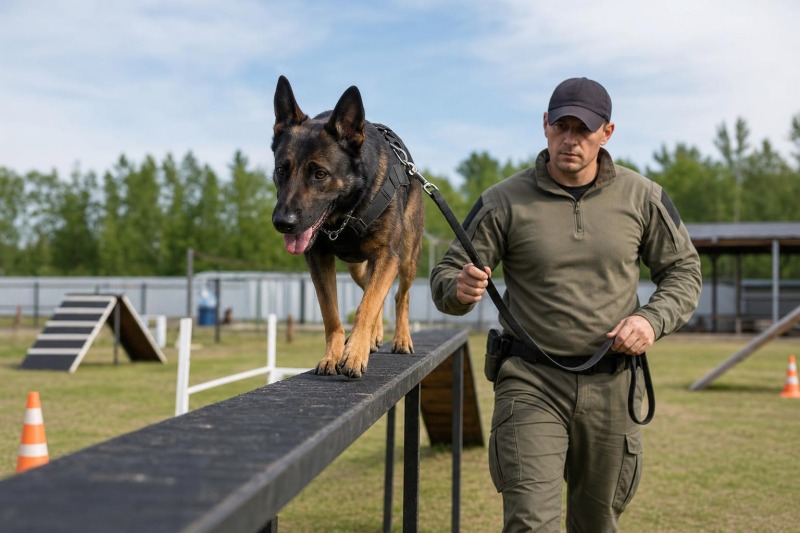
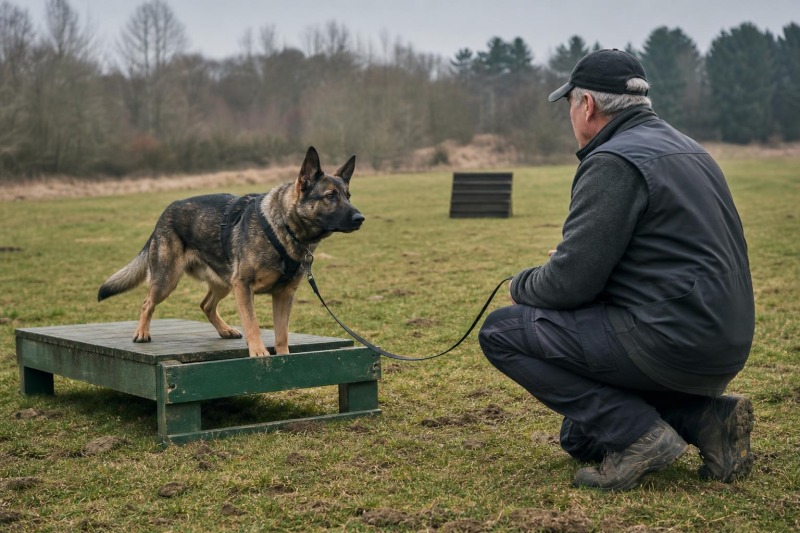
This is where many dogs reveal who they truly are. K9 unit selection processes often place dogs into unusual environments on purpose. Slick tile, dark rooms, unstable footing, metal stairs, tight hallways, loud noise, strange surfaces, gunfire exposure, and unfamiliar vehicles all test whether the dog can function outside a comfortable routine. A dog that only works well on a training field is of limited value. Real deployments happen in alleys, warehouses, schools, traffic stops, and backyards full of clutter and confusion.
Some prospects gather themselves and push through. Others hesitate, avoid, or mentally leave the task altogether. That difference is worth paying attention to. Courage in a working dog is not wild aggression. More often, it is the steady choice to move forward through uncertainty.
Health, Structure, and Long-Term Durability
No serious unit can ignore the physical side of selection. A dog may have all the heart in the world, but if its body cannot stand up to the work, the investment becomes risky. Hips, elbows, spine, teeth, airway, and overall structural balance all come under scrutiny. Veterinary screening is not glamorous, yet it is one of the smartest steps in the process.
Durability matters because K9 work is hard miles, not showroom posing. Dogs jump in and out of vehicles, climb obstacles, hit decoys, track over rough ground, and spend long hours under mental strain. A structurally unsound dog may still pass a casual first impression, but over time that weakness catches up. Good agencies and trainers look beyond today’s test and ask whether this dog can stay useful for years.
Nerve Strength and Recovery Under Pressure
Pressure is the great truth teller in K9 selection. A capable dog will be challenged, frustrated, redirected, and exposed to stress in controlled ways so evaluators can measure its recovery. Nerve strength is not simply about being bold when things go well. It is about staying functional when the picture gets messy.
Some dogs flare up fast and look dramatic, but when pressure comes back at them, their confidence leaks away. Others may not be as flashy at first glance, yet they absorb stress, stay present, and continue solving the problem. Given the choice, seasoned handlers usually prefer the dog with honest nerve over the dog with theatrical intensity. In real work, the dog that recovers fastest is often the dog that performs most reliably.
The Handler Match Matters More Than People Think
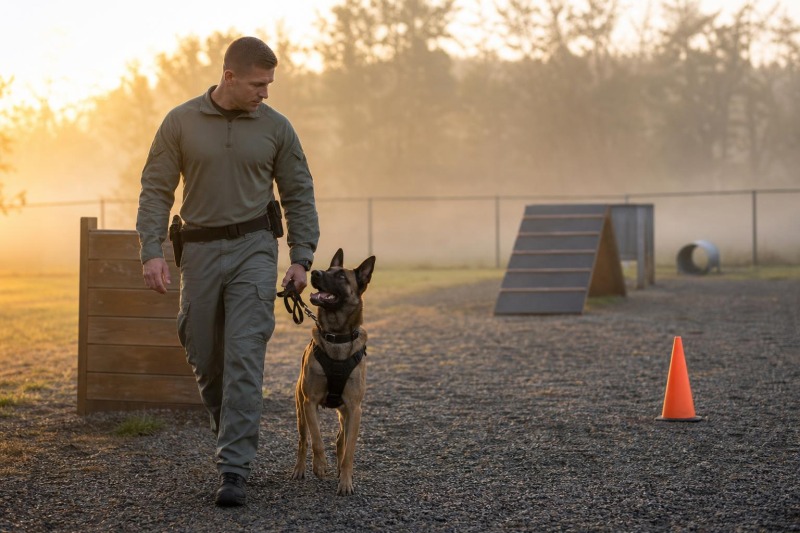
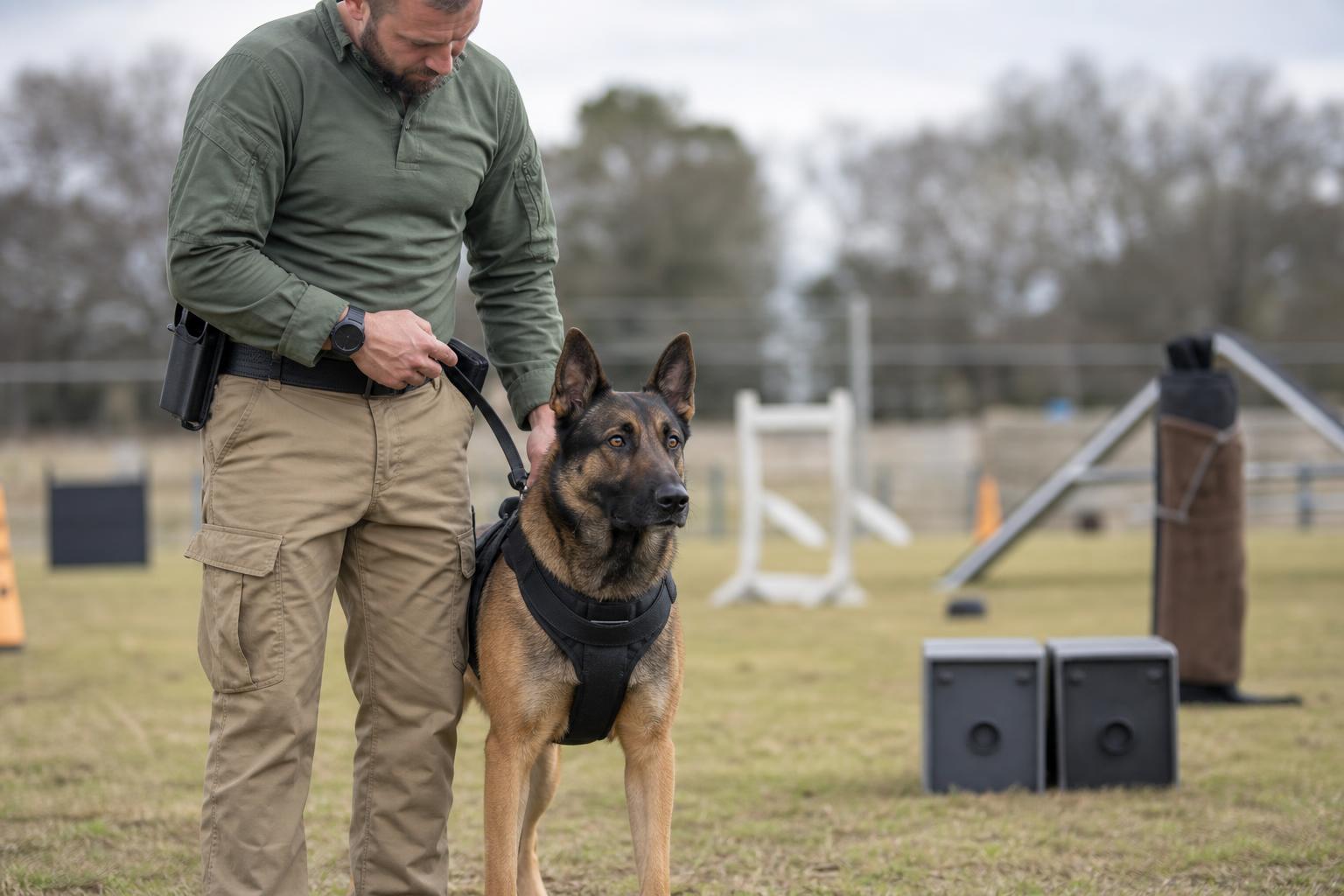
Even a strong dog can struggle if paired with the wrong human. A thoughtful K9 unit selection process does not end with the dog alone. It also considers the handler. Temperament, communication style, patience, timing, confidence, and physical ability all affect the outcome. Some dogs need a calm, methodical handler. Others do best with someone assertive and highly experienced. The goal is not merely to assign a dog. It is to build a team.
That team chemistry is easy to underestimate until you have watched it in person. A good match creates smooth handling, better trust, and cleaner learning. A poor match creates conflict, confusion, and unnecessary setbacks. The strongest K9 programs understand that selection is a two-way street. The dog must fit the work, and the handler must fit the dog.
Training Tests Versus Real Potential
One mistake inexperienced buyers sometimes make is overvaluing polished behavior. A dog that already knows several drills can look more advanced than a rougher prospect, but training alone does not equal potential. Smart evaluators ask what the dog is beneath the rehearsed picture. Is it learning quickly? Does it retain pressure well? Will it offer behavior and problem-solve? Is the dog honest when the helper, decoy, or reward pattern changes?
This matters because the street rarely resembles a neat training scenario. Selection should identify dogs that can adapt, not just dogs that can repeat. In the long run, depth of character beats surface polish nearly every time.
Common Reasons Dogs Fail K9 Selection
Many dogs wash out for predictable reasons. Weak nerves, poor environmental confidence, unstable aggression, low hunt drive, health concerns, and poor recovery under stress are among the most common. Sometimes the failure is not dramatic. The dog simply lacks enough consistency to justify the time and expense required. In other cases, the dog may be talented in one area but too limited in another to become dependable.
That does not make the dog worthless. It only means the dog is wrong for this particular job. Some dogs that fail patrol work may still thrive in a sport home or another working outlet. Honest selection protects everybody involved, including the dog. It is better to redirect a prospect early than to force it into a role it cannot carry.
What Dog Owners Can Learn From K9 Unit Selection Processes
For everyday dog owners interested in working dogs, there is a valuable lesson here. The traits that matter in elite selection also matter in ordinary life, just at a different scale. Sound temperament, resilience, confidence, trainability, and health should always outweigh appearance or trend. If you are choosing a working-line puppy or a started dog, watch how it handles stress, novelty, frustration, and recovery. Watch whether it engages with the world or shrinks from it.
A good dog is not just one that burns hot. It is one that can carry itself with purpose when the situation changes. That is as true in the kennel yard as it is on a police deployment.
K9 unit selection processes are about honesty. They strip away wishful thinking and ask a hard question: can this dog truly do the work? When the answer is yes, you see it in the dog’s eyes, in its feet, and in the way it leans into the task without coming undone. That kind of dog is not selected by accident. It is recognized through experience, tested under pressure, and matched with care. That is how strong K9 teams are built, and that is why good selection will always be the first serious step in any working dog program.