Search and rescue suitability starts with the dog’s temperament, health, motivation, and ability to work with a handler. Breed can offer clues about likely strengths, but selection has to consider the individual and the intended search discipline.
The same traits that make a dog valuable in the field often carry over into search and rescue. You want a dog with honest drive, a sound body, and the kind of mind that does not come apart when conditions turn hard. The best search and rescue breeds bring those qualities together in a package that can be trained, trusted, and counted on when time matters most.
What Makes a Great Search and Rescue Dog
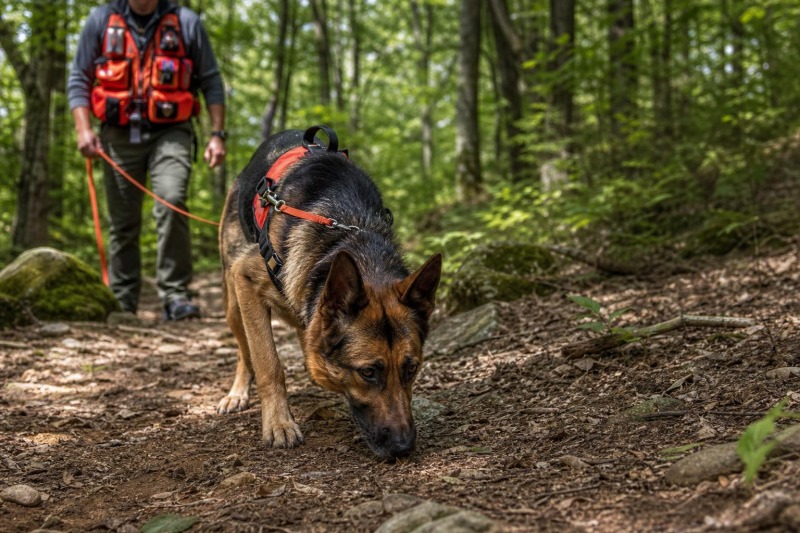
Before talking breeds, it helps to understand what the work demands. Search and rescue dogs may track ground disturbance, trail a person’s scent over distance, air-scent in wide areas, locate disaster victims in rubble, or work in water and avalanche conditions depending on their training. That means the ideal dog is not always the same for every role, but the best candidates tend to share a core set of traits.
First comes hunt drive and scenting ability. A search dog has to want the problem. You can teach technique, sharpen obedience, and improve handling, but it is hard to manufacture genuine desire. Next comes nerve. A dog that startles easily, avoids unstable footing, or wilts in crowds, sirens, darkness, or helicopters is going to struggle. Then there is endurance. Search work can last for hours across rock, mud, brush, snow, and heat. The dog must have a body built for repeated effort, not just a burst of speed. Finally, trainability matters. A dog can be bold and driven, but if it cannot take direction, stay focused, and work in partnership, it will be limited.
German Shepherds: The Classic All-Around Worker
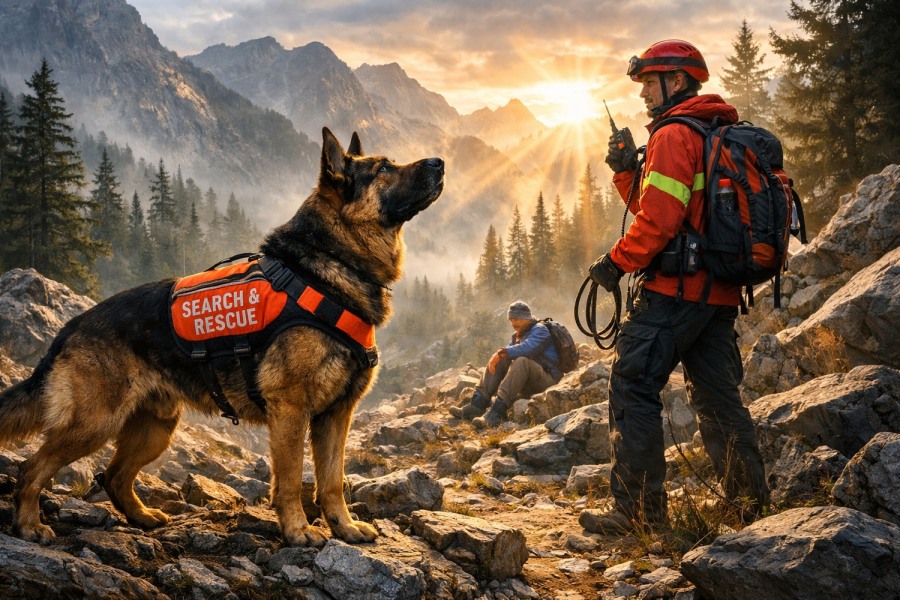
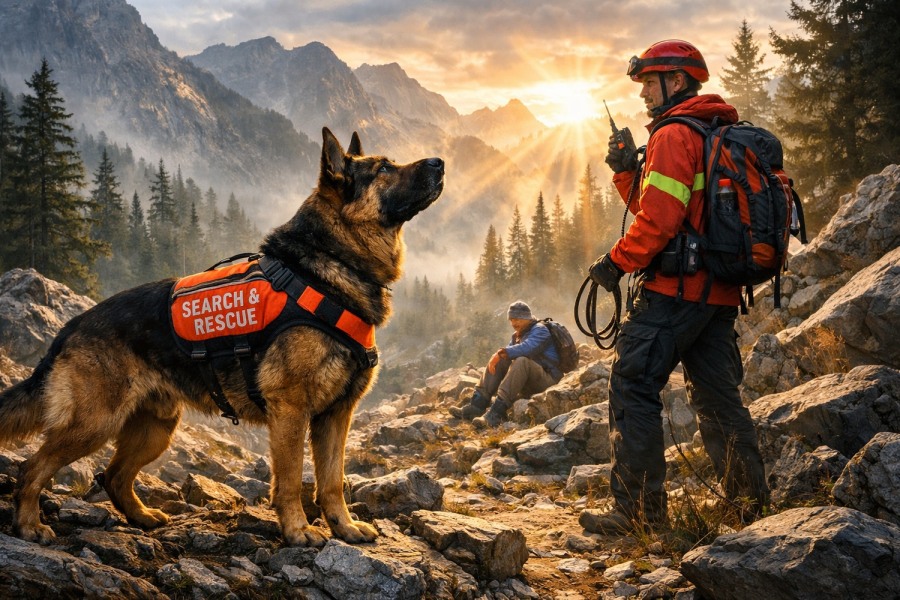
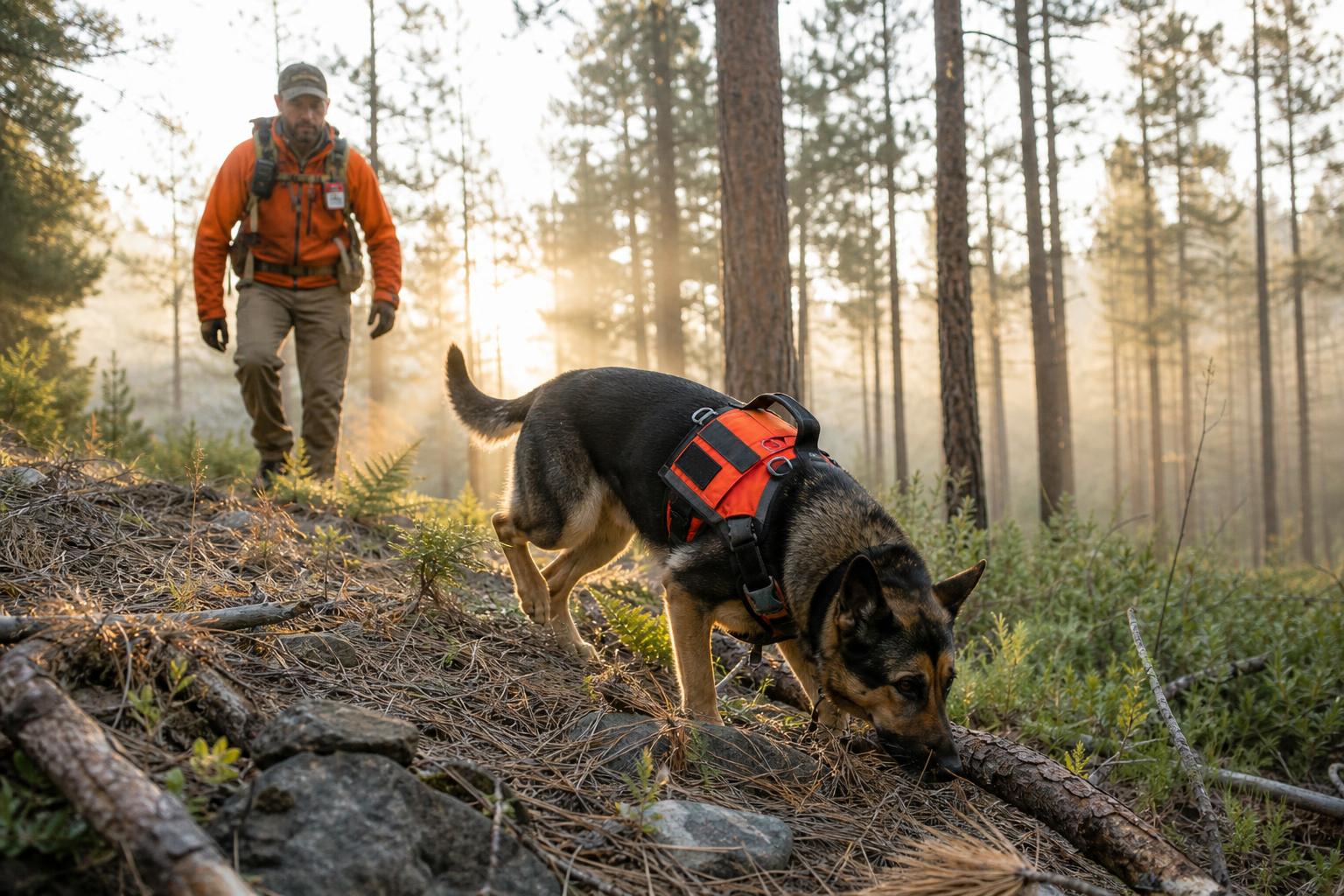
If there is one breed people picture first in search and rescue, it is the German Shepherd. That reputation did not come by accident. A well-bred German Shepherd has the balance of brains, athleticism, courage, and handler focus that search teams value. They can track, trail, air-scent, and work in demanding environments with a seriousness that suits the job.
Good shepherds have a natural readiness about them. They tend to bond tightly with their handlers and read human direction well, which helps in complex searches where teamwork is everything. They also carry themselves with confidence, and that steadiness counts for a lot when moving through rubble piles, dense woods, or noisy disaster scenes. The key, as always, is breeding. A poorly bred German Shepherd can bring weak nerves, structural issues, or lack of drive. But from solid working lines, they remain one of the best breeds for search and rescue.
Labrador Retrievers: Reliable, Driven, and Easy to Work
There is a reason Labrador Retrievers appear in so many working roles. They are practical dogs. They have strong noses, good stamina, and a cooperative temperament that makes training smoother than with many harder-headed breeds. In search and rescue, that combination can be gold. Labs are especially well suited to air-scenting work, trailing, and area searches, and their natural confidence around people often helps them in public-facing operations.
What stands out in a good Labrador is consistency. They tend to show up every day ready to work, and they usually recover well from pressure. They are also athletic enough to cover ground without carrying the sharper edge some other working breeds can bring. For dog owners interested in working dogs, the Labrador is often one of the most accessible entry points into scent-based work. That said, a search and rescue Labrador still needs far more than a friendly family temperament. You want one with strong retrieve drive, focus, and enough grit to keep hunting when scent gets thin and terrain gets ugly.
Belgian Malinois: Intense, Athletic, and Built for Pressure
The Belgian Malinois has become a favorite in many professional working circles, and it is easy to see why. These dogs are fast, agile, highly trainable, and possess a tremendous work ethic. In search and rescue, a strong Malinois can be outstanding in wilderness searches, disaster response, and other high-demand roles where speed, precision, and confidence are required.
Still, this is not a breed for everyone. A Malinois is all engine. If that engine is not directed well, it can become a headache instead of an asset. Handlers need experience, structure, and a real understanding of working-drive dogs. When matched properly, though, the breed shines. A good Malinois attacks a search with intensity and keeps pushing long after softer dogs begin to fade. They are not casual companions dressed up as workers. They are true working animals, and in the right hands they are among the best breeds for search and rescue.
Why Drive Must Be Matched with Stability
One mistake people make is assuming more drive always means a better dog. It does not. Search and rescue asks for control as much as energy. The dog must think, adapt, and stay in the game without becoming frantic. That is why stable nerves and clear-headedness are every bit as important as speed or flash. The best dogs are not just eager. They are purposeful.
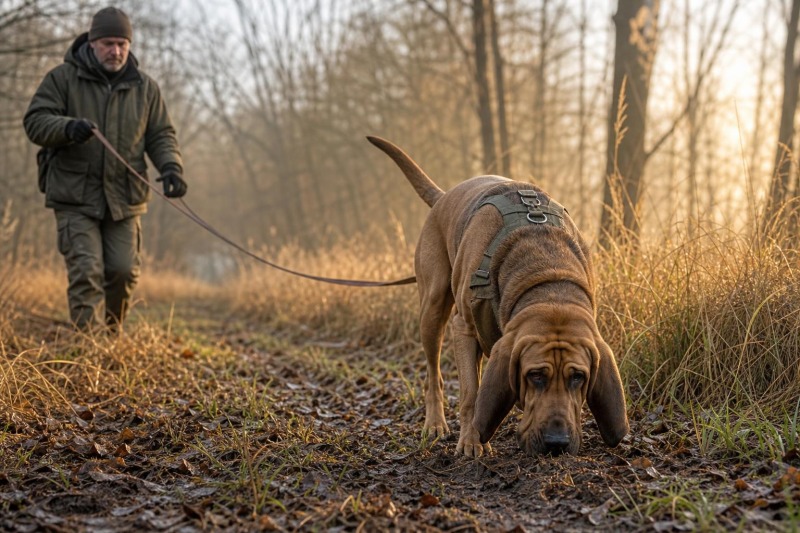
Bloodhounds: Specialists in Human Scent Trailing
When the conversation turns to trailing a specific person over distance, the Bloodhound deserves respect. Few breeds can match their scenting power on an old trail. These dogs are specialists, and when trained well, they can follow human scent where other dogs lose the thread. Their reputation in law enforcement and missing person cases is well earned.
Bloodhounds are not as quick or as tidy in movement as some other search breeds, and they can be independent thinkers. But that long, deliberate style is part of what makes them effective. They work scent with commitment. A handler who understands the breed can accomplish impressive things with a Bloodhound, especially in trailing scenarios where patience and nose matter more than speed. They may not fit every search and rescue discipline, but in their lane they are hard to beat.
Golden Retrievers: Balanced Temperament with Strong Scent Ability
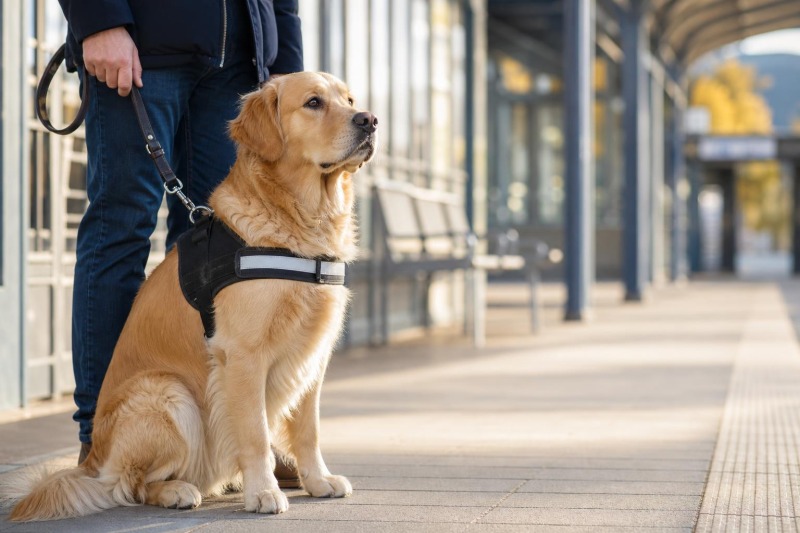
Golden Retrievers do not always get mentioned first in serious working conversations, but they should not be overlooked. A well-bred Golden can bring excellent scenting ability, biddability, and emotional steadiness to search and rescue. Their temperament often makes them pleasant to train and dependable in varied settings, from wilderness work to public access environments where composure matters.
Like Labradors, Goldens can bridge the gap between high-functioning worker and approachable family dog. That broad appeal sometimes causes people to underestimate them. They should not. A driven Golden with the right structure and sound nerves can be a first-rate search dog. The challenge is finding breeding that preserves working ability rather than selecting only for looks or a softer pet temperament.
Border Collies and Other High-Endurance Thinkers
Border Collies can excel in search and rescue when the work suits the individual dog. They are smart, responsive, and capable of remarkable endurance. In large area searches, especially where handler communication and problem-solving are important, a good Border Collie can be impressive. They tend to learn quickly and work with a kind of thoughtful intensity that some handlers appreciate.
Still, they are not universally ideal. Some can be too environmentally sensitive, and others may lack the physical hardness or social neutrality needed for certain deployments. The point is not that every Border Collie belongs in search and rescue, but that the right one can be exceptional. The same can be said of a few other breeds and mixes. Breed matters, but the dog in front of you matters more.
Breed Is Only the Beginning
Over the years, one truth keeps proving itself: great search dogs come from the right mix of genetics, development, and training. Breed gives you a starting point, not a guarantee.
Early exposure, careful socialization, physical conditioning, and smart training all shape the outcome. A future search and rescue dog needs confidence on strange surfaces, comfort around noise, strong engagement with the handler, and a reward system that keeps the work meaningful. It also needs time. The polished dog you see at a demonstration is the product of countless repetitions, mistakes, corrections, and miles in the field.
Choosing the Right Breed for the Right Handler
The best breed for search and rescue is not just the one with the strongest resume. It is the one that fits the mission and the handler. A first-time working dog owner may thrive with a Labrador or Golden from proven lines, while an experienced handler may prefer the edge and intensity of a Malinois or German Shepherd. Someone focused on trailing may find a Bloodhound better suited than a generalist breed. Honest matching matters. It saves time, frustration, and sometimes the dog’s future.
Search and rescue is a proving ground for the finest qualities in a working dog. It demands nose, stamina, obedience, courage, and a mind steady enough to keep going when people are anxious and conditions are rough. German Shepherds, Labrador Retrievers, Belgian Malinois, Bloodhounds, Golden Retrievers, and select Border Collies all have a place in that conversation, each with strengths that can make a real difference in the field.
If you are a dog owner interested in working dogs, remember this: the badge of a good search dog is not just breed prestige. It is honest ability. The dogs that stand out are the ones that love the work, trust their handlers, and keep searching when lesser animals would quit. That kind of dog is worth admiring, because when everything is on the line, it is not pedigree alone that finds the missing. It is heart, nose, and training coming together in a dog built to serve.