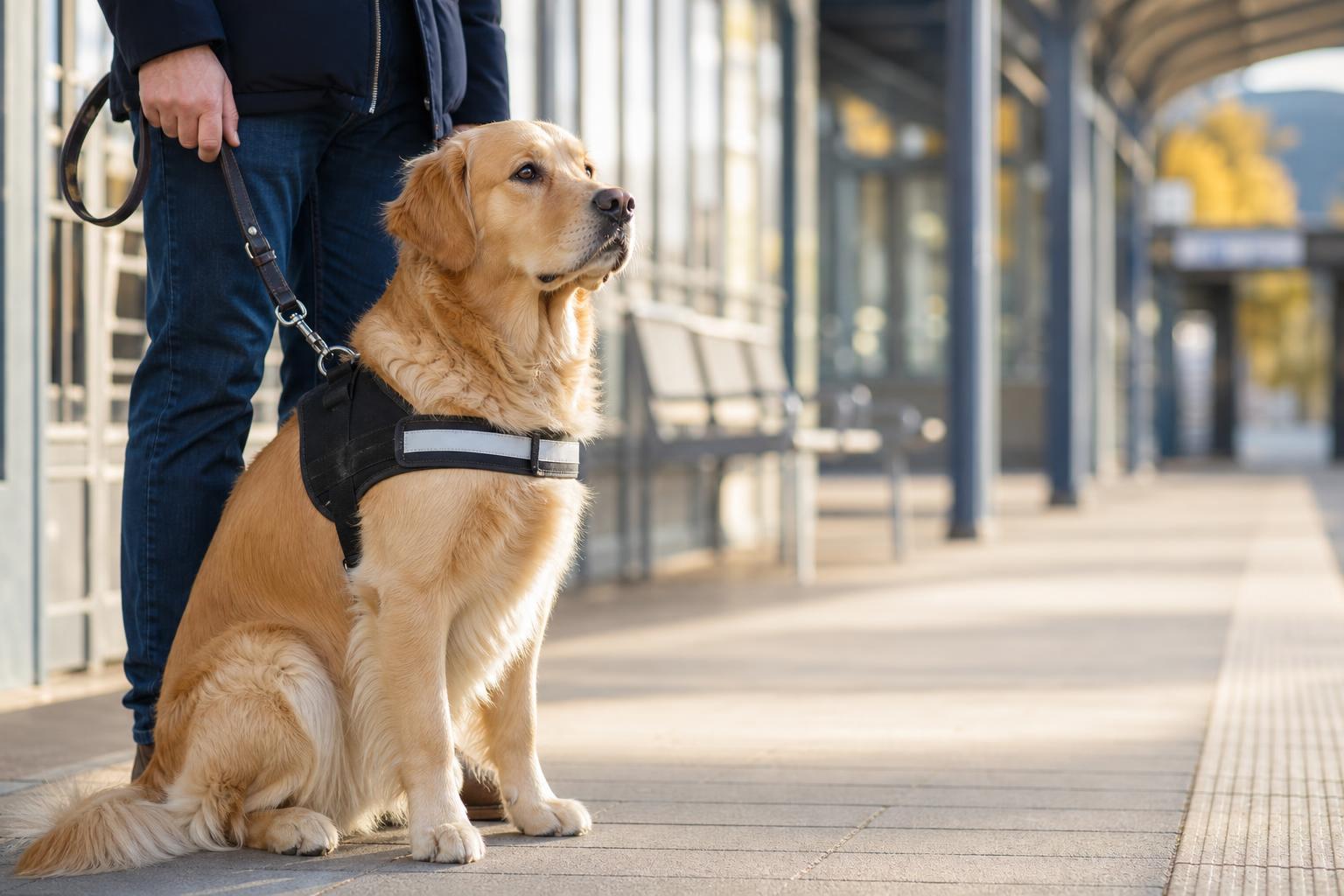
Service work places particular demands on temperament, physical suitability, and reliable behavior. Breed tendencies can help inform a search, but they do not establish an individual dog’s suitability. The intended tasks and the handler’s daily life should guide the assessment.
That is why conversations about the best breeds for service work should begin with purpose, not popularity. A service dog is not just a well-trained companion. This dog performs specific tasks that mitigate a handler’s disability, often in busy, unpredictable environments. Elevators, grocery stores, doctor’s offices, school hallways, airports, parking lots, crowded sidewalks, slick floors, sudden noises, and strangers reaching with uninvited hands all become part of the job. A dog can have heart, drive, and brains and still not be cut out for that kind of life.
What Makes a Dog Truly Suited for Service Work
In the field, you judge a dog by what it does when the wind changes, the shot echoes wrong, or a bird falls in ugly cover. Under pressure, the truth comes out. Service work is much the same. The breeds that consistently succeed tend to share a few essential qualities: stable nerves, strong handler focus, high trainability, emotional resilience, and the ability to remain neutral around people, animals, and distractions.
That last point matters more than most first-time owners realize. A service dog should not be suspicious of every passerby, nor should it be eager to greet every hand that reaches down. The dog must live in the middle, where discipline and calmness meet. That balanced temperament is difficult to produce and harder still to preserve through breeding, socialization, and training.
Size also plays a role depending on the task. A dog helping with mobility or balance needs structure and substance. A dog trained for medical alert or psychiatric service tasks may not need the same physical build, but it still needs composure, endurance, and a body capable of handling long days.
Labrador Retrievers: The Gold Standard for Good Reason
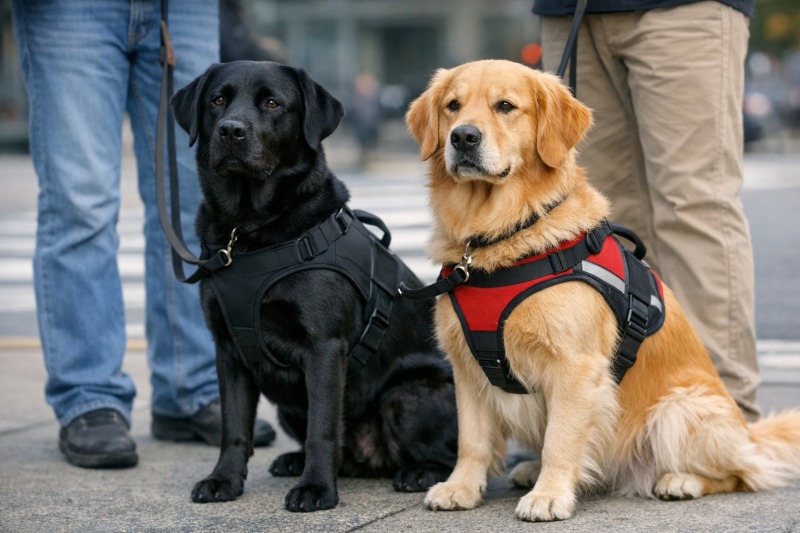
There is a reason Labs remain the benchmark. They are biddable, people-oriented, forgiving of handler mistakes, and generally stable in public. They learn quickly, recover well from environmental stress, and carry a natural willingness to work with humans rather than simply around them.
Good Labs have a practical mind. They are neither too sharp nor too soft when bred correctly. That makes them ideal for a wide range of service tasks, from mobility support and retrieval work to medical alert and psychiatric assistance. Their moderate size helps too. They are large enough to perform physically demanding tasks in some cases, yet manageable enough for everyday life.
A strong Labrador is like a seasoned gun dog that knows the routine and does not waste energy showing off. It goes where it is asked, waits when it should, and does the work without turning every outing into a negotiation. For many handlers, that consistency is worth its weight in gold.
Why Labs Fit So Many Handlers
The Labrador’s greatest gift may be its versatility. Families, veterans, individuals with mobility challenges, and handlers needing diabetic alert or psychiatric support often find the breed approachable and adaptable. Coat care is straightforward, their food motivation usually helps in training, and they tend to be resilient in homes with changing routines. Of course, poor breeding can spoil any advantage, but the breed at its best remains one of the safest and smartest choices for service work.
Golden Retrievers: Gentle, Steady, and Highly Intuitive
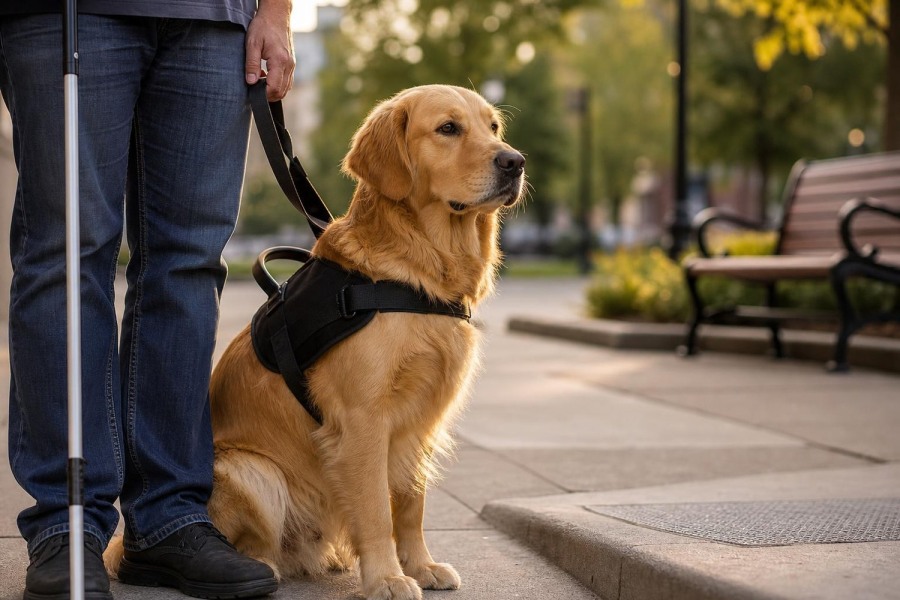
Golden Retrievers have earned their place among the top service breeds because they pair intelligence with a deeply cooperative nature. A well-bred Golden often has a soft expression and a gentle manner, but there is real working ability under that kind surface. These dogs are attentive, adaptable, and frequently excellent at reading human emotion and body language.
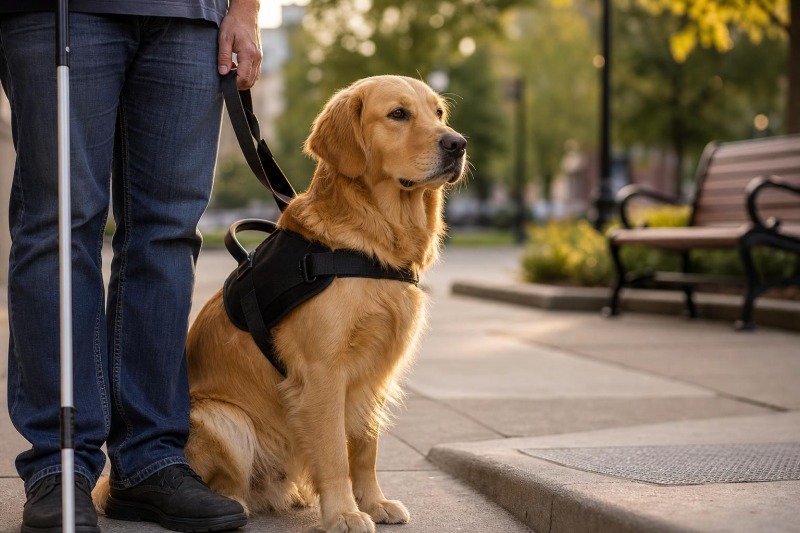
For handlers who benefit from a dog that offers close companionship along with trained task work, the Golden can be a remarkable fit. They are often seen in mobility assistance, retrieval tasks, autism support settings, and various psychiatric service roles. Their willingness to stay close and respond to subtle cues makes them valuable in situations where the dog must be both observant and restrained.
The caution with Goldens is that softness can become sensitivity if lines are not sound. A dog that startles too easily or wilts under pressure will struggle in public access work. Still, when bred and trained properly, a Golden carries an easy professionalism that is hard not to admire.
Standard Poodles: Sharp Minds and Serious Working Ability
Some folks overlook the Standard Poodle because they are distracted by grooming or old stereotypes. That is a mistake. A good Standard Poodle is one of the finest working minds in the dog world. They are highly trainable, athletic, responsive, and often excellent in public when raised and conditioned well. For handlers needing a lower-shedding coat, they can be especially appealing.
Poodles tend to learn patterns quickly and can become extremely polished in task performance. They are often used for medical alert, mobility-related retrieval work, and psychiatric support. Their intelligence allows them to process complex routines, but it also means they need thoughtful training. These dogs do not do well with sloppy handling or inconsistent expectations.
The best workers are not always the loudest or the most rugged looking. Sometimes the dog that quietly reads the room, adjusts to its handler, and executes with precision is the one you trust most. A strong Standard Poodle fits that description better than many people expect.
German Shepherds: Capable, Loyal, but Not for Every Handler
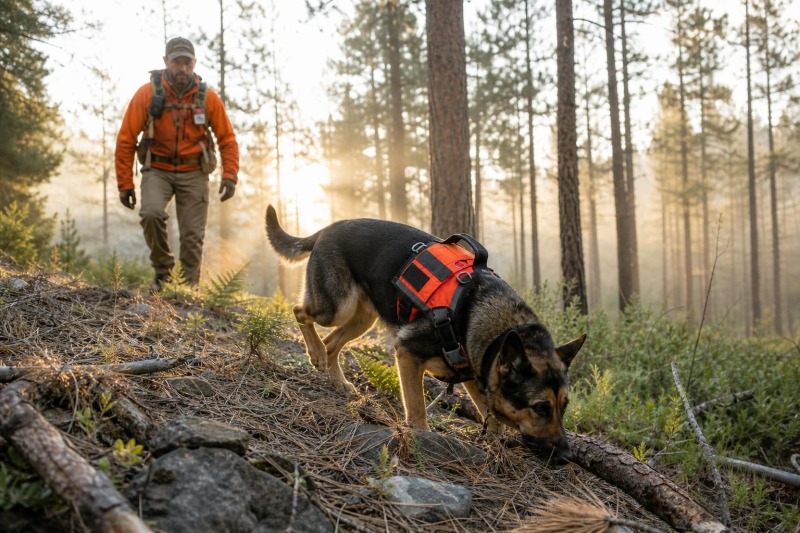
German Shepherd Dogs have long been associated with service work, and for some handlers they remain an excellent choice. They are intelligent, trainable, physically capable, and often deeply bonded to their people. In mobility assistance or tasks requiring size, strength, and advanced obedience, the right Shepherd can be tremendously effective.
But here is where experience matters. Shepherds are not as universally easygoing as Labs or Goldens. Many are more environmentally sensitive, more vigilant, and more prone to stress if breeding or early development is poor. In public service work, that can become a problem fast. A dog that scans every doorway or reacts to pressure with tension may be impressive on paper and unsuitable in practice.
That does not make the breed poor. It means the breed demands more care in selection. A stable, clear-headed German Shepherd from proven working or service-oriented lines can be a powerful partner. A nervy one can make everyday life harder for everyone involved.
When a Shepherd Makes Sense
Handlers who need a dog with greater physical presence, stronger structural capacity, or a naturally serious attitude may find the Shepherd appealing. The key is to select for sound nerves and social stability, not merely obedience or appearance. In service work, a dog’s ability to remain composed is every bit as important as its ability to perform a command.
Collies and Other Worthy Contenders
Rough Collies and Smooth Collies deserve more respect in service discussions than they usually receive. The better ones are intelligent, trainable, gentle, and naturally attentive to their people. They can excel in psychiatric service work, medical alert roles, and tasks where sensitivity to human patterns is useful. Their softer presentation can also be less intimidating in public than some larger working breeds.
Beyond the usual names, there are individual dogs in breeds such as Boxers and even well-selected mixed breeds that succeed admirably. But success outside the common service breeds often depends on exceptional evaluation and a little luck. When someone needs the highest probability of reliable performance, established service lines in Labs, Goldens, Poodles, and carefully chosen Shepherds still offer the strongest odds.
Why Temperament Matters More Than Breed Hype
A breed can open the door, but temperament decides whether a dog stays in the room. This is the point many people miss when they shop with their hearts first. Every breed has trends, fan clubs, and internet mythology wrapped around it. Service work strips all that away. The dog either handles pressure, settles cleanly, ignores distractions, and completes tasks, or it does not.
Even within the best breeds, many dogs wash out. Some are too social. Some are too anxious. Some are physically unsound. Some simply do not enjoy the constant public demands. There is no shame in that. A dog can be wonderful and still be wrong for service work. The humane and practical approach is to judge the individual honestly.
Choosing the Right Service Dog Starts with the Right Breeder or Program
Start by finding a reputable breeder or service dog program that prioritizes temperament, health, and proven working suitability. Ask hard questions. Look at parents. Study how the dogs move, recover from surprises, and interact with people. Watch for steadiness, not theatrics.
A service dog will spend years carrying real responsibility. That is too important a job to gamble on poor genetics or careless selection. The best dog for service work is not merely obedient. It is clear-minded, durable, socially stable, and willing to partner with a human through the ordinary grind of daily life.
That kind of dog is a rare creature, and when you see one work, you know it. There is no fuss to it. No wasted motion. Just a calm, capable animal doing a necessary job with quiet confidence.