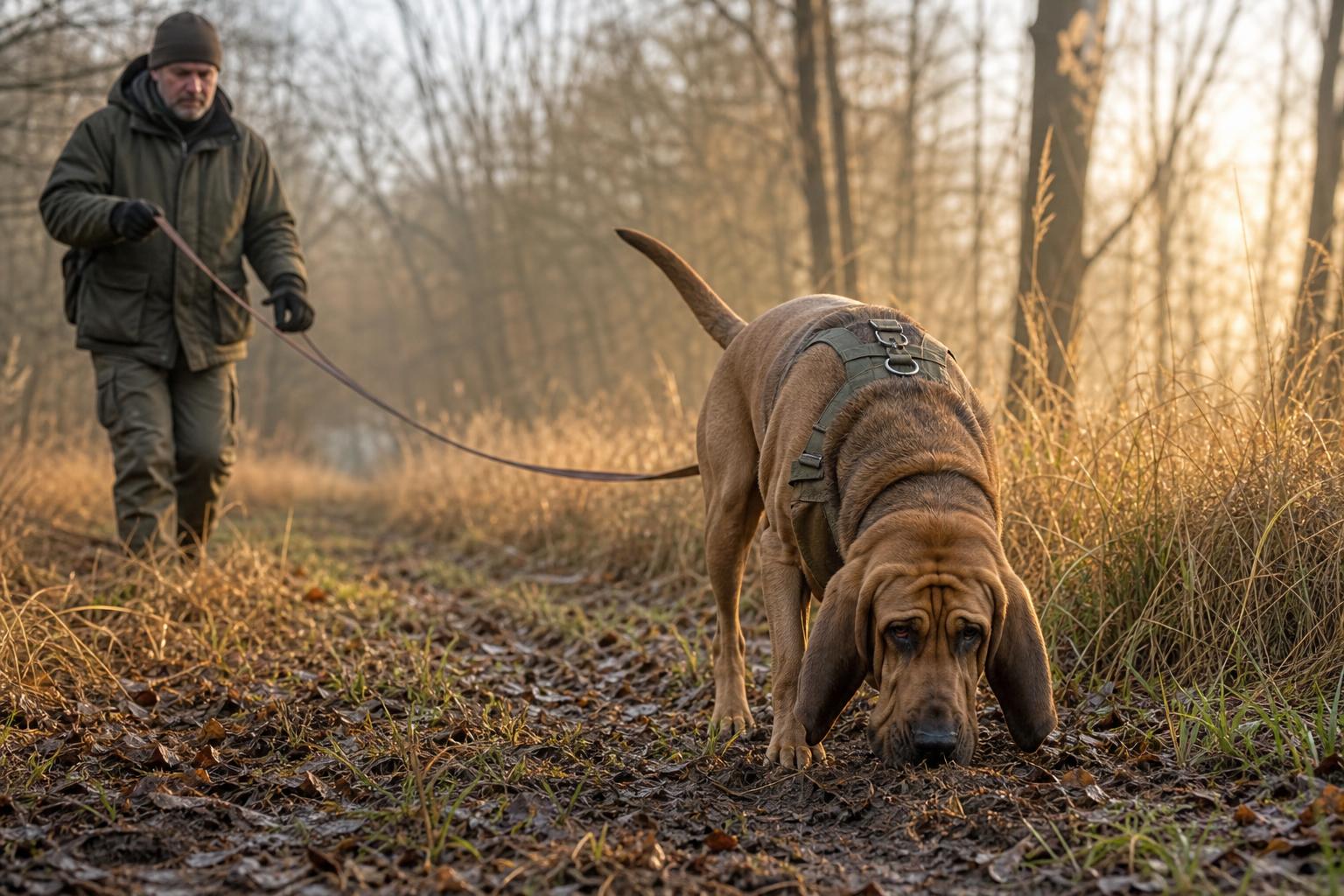
Tracking ability depends on more than a breed’s reputation for nose. Motivation, stamina, confidence, and the ability to work with a handler also matter. The best fit is an individual dog suited to the surface, distances, and purpose of the work.
For dog owners interested in working dogs, tracking is one of the most practical and rewarding jobs a dog can do. Whether the task is recovering wounded game, following human scent, locating lost animals, or training for sport and search work, the right breed can make the learning curve a whole lot smoother. Good training matters. Good handling matters. But breeding still counts, and some breeds simply come into the world with the tools for this work already tucked inside them.
What Makes a Great Tracking Breed?
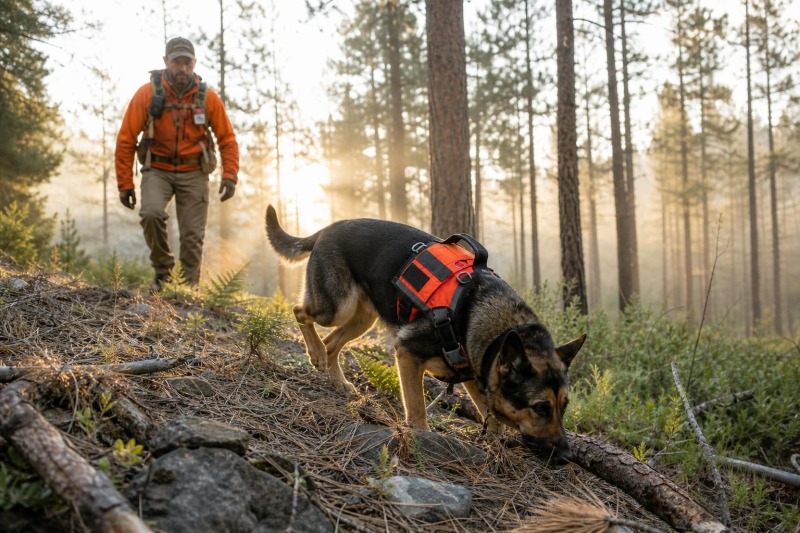
The best tracking dogs are not just dogs with strong noses. Plenty of dogs can smell well. A true tracking dog also needs concentration, composure, and the willingness to stay on a line when conditions get rough. Dry wind, rocky ground, standing water, old scent, and crossing tracks will test any dog. The better breeds handle that pressure without unraveling.
Temperament is a big piece of the puzzle. A dog bred for tracking work should be methodical instead of frantic. It should have enough drive to keep pushing, but enough sense to slow down and work out a problem. Endurance matters too. A track can turn into a long morning in a hurry, especially when you are dealing with wounded deer, big country, or changing weather.
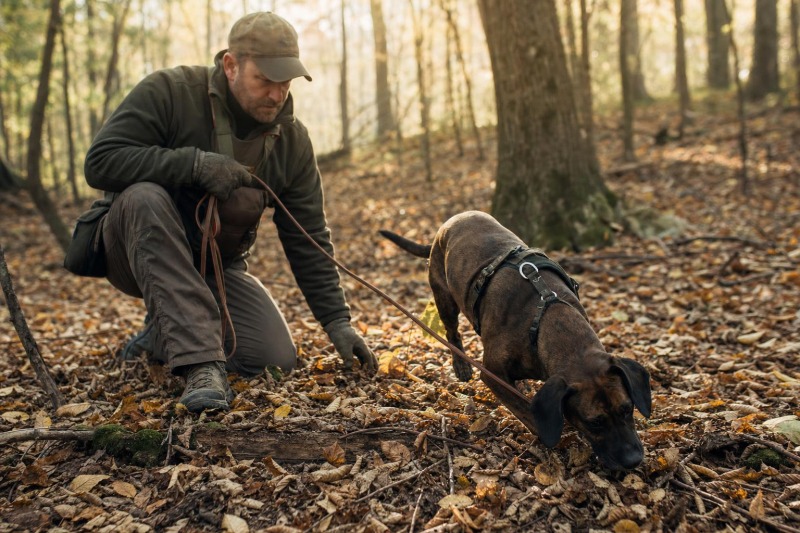
One more thing field folks learn early: independence is useful, but cooperation is essential. The finest tracking dogs work with confidence, yet they still stay connected to the handler. That balance can make all the difference once the line gets thin and the decisions start to matter.
Bloodhound: The Standard for Serious Scent Work
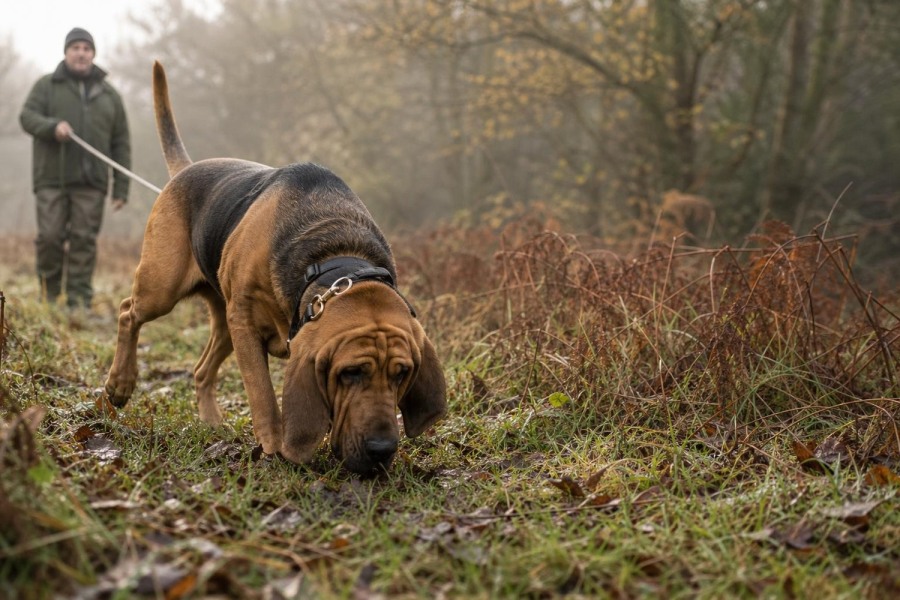
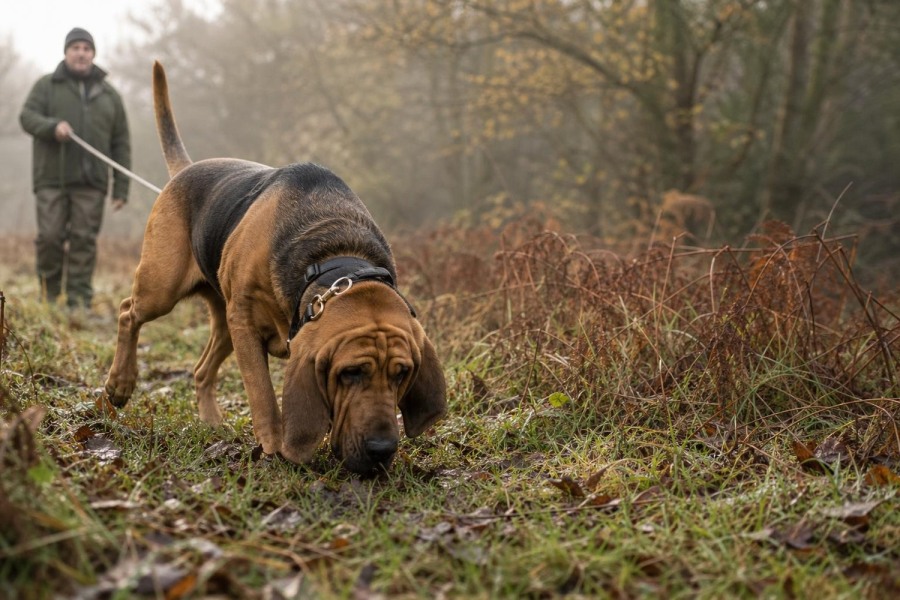
If the conversation is about the best breeds for tracking work, the Bloodhound deserves to be near the top every time. This breed has built its reputation on scent discrimination and persistence, and it did not happen by accident. Bloodhounds are built to follow old tracks over long distances, often with a level of determination that borders on stubbornness.
In the field, a good Bloodhound can work through scent conditions that leave lesser dogs puzzled. Their noses are legendary, but what impresses experienced handlers just as much is their commitment to the trail. Once they believe they have the right line, they settle in and go to work with a deep seriousness that is hard to fake.
That said, Bloodhounds are not for everyone. They are powerful, deliberate dogs that need patient handling and consistent training. For owners who want a dedicated tracking dog and have the room, time, and experience to shape one properly, they remain one of the best choices in the working dog world.
Why Bloodhounds Stand Out
Their scenting ability is exceptional, especially on aged tracks, and they tend to carry enough physical stamina to stay effective over difficult terrain. They are best suited for handlers who respect the dog’s independent nature and understand that a track should not be rushed just because a human is in a hurry.
Bavarian Mountain Scent Hound and Hanoverian Scenthound
When the work centers on recovering wounded big game, these two breeds deserve real attention. In Europe, they have long been valued for disciplined game tracking, and hunters who have spent time with them usually come away impressed. The Bavarian Mountain Scent Hound is often a little lighter and more agile, while the Hanoverian Scenthound tends to be heavier and deeply methodical.
Both breeds are known for calm focus on the line. They are not flashy dogs, and that is part of their appeal. They put their head down, read the ground and air carefully, and keep pressure on the track without wasting motion. On wounded game, that steady approach can mean the difference between a clean recovery and a lost animal.
These breeds are less common in North America, but for a serious tracking handler, they are among the finest purpose-bred options available. They thrive with meaningful work and often bond hard with one handler, which suits dedicated tracking teams very well.
German Shorthaired Pointer: A Versatile Tracking Dog
Not every tracking dog comes from a hound background. The German Shorthaired Pointer has earned its place through versatility and trainability. Most folks know the breed as an upland and waterfowl dog, but a well-bred GSP can also do excellent tracking work, especially on wounded game.
They bring energy, athleticism, and a strong desire to work with a handler. For the dog owner who wants one dog capable of doing several jobs, this breed makes a lot of sense.
The key is breeding and training. Some lines are hotter and more bird-focused, while others show stronger tracking instincts and better composure under pressure. If tracking matters to you, choose carefully and start foundational scent work early.
Best Fit for the Versatile Hunter
The German Shorthaired Pointer suits owners who want a capable all-around working dog rather than a specialist only. In the right hands, it can track, point, retrieve, and live comfortably as an active family companion.
Labrador Retriever: Reliable, Biddable, and Better Than Many Expect
People sometimes underestimate the Labrador Retriever in tracking work because the breed is so strongly associated with retrieving. That is a mistake. A good Lab has an excellent nose, a strong work ethic, and one of the most cooperative temperaments in the dog world. Those traits translate well to tracking.
Labs shine when the handler wants a dog that is steady, trainable, and mentally resilient. They tend to take pressure well, adapt to varied conditions, and recover quickly from mistakes. In practical terms, that means more productive training sessions and fewer blown opportunities when the real work begins.
For families wanting a working dog that can track but also fit naturally into everyday life, the Labrador is hard to dismiss. It may not have the old-track mystique of a Bloodhound, but it offers a combination of utility and livability that few breeds can match.
Dachshund: Small Dog, Serious Tracker
The Dachshund is proof that tracking talent does not depend on size. Originally developed for determined scent work and underground game, this breed can be remarkably effective on blood trails.
There is a grit to a good working Dachshund that earns respect quickly. They often approach the track with confidence and surprising endurance, especially considering their size. They are also easier to transport and handle in tight cover than larger breeds, which is no small advantage in thick country.
Of course, their physical structure means handlers should be thoughtful about terrain and conditioning. Even so, for owners who want a compact dog with real tracking instinct, the Dachshund remains one of the most practical and overlooked options.
Beagle: Nose, Heart, and Persistence
The Beagle has long been admired for its nose and determination. Though often associated with rabbit hunting, the breed’s scenting talent is broad and reliable. Beagles work close, stay engaged, and often bring a cheerful determination to the job that makes them enjoyable to train and hunt behind.
On a track, a Beagle can show the kind of honest, nose-down commitment that handlers value. They may not cover country with the same style as some larger breeds, but they can be outstanding on manageable tracking jobs and are particularly appealing to owners who want a smaller hound with strong natural ability.
The challenge with Beagles is channeling their nose and voice into structured work. They are scent-driven to their core, and that independence needs direction. Given that direction, they can become very useful tracking companions.
Choosing the Right Breed for Your Tracking Goals
The best breed for tracking work is not always the breed with the most famous nose. It is the breed that fits your terrain, your game, your handling style, and the amount of time you can devote to training. A hunter recovering wounded deer in steep timber may want a specialist hound. A family wanting one versatile farm and field dog may be better served by a Labrador or German Shorthaired Pointer.
Be honest about your expectations. If you want a dog that lives for the line and little else, a dedicated tracking breed makes sense. If you need a dog that can track on Saturday and settle in the house on Sunday evening, a more versatile breed may be the wiser choice. There is no shame in matching the dog to the life you can actually provide.
Training Still Matters
Even the best-bred tracking dog needs good handling and steady exposure. Natural ability opens the door, but repetition, confidence, and smart setups build the finished dog. Start with short, simple tracks. Let the dog win. Build patience before difficulty. And above all, trust the nose once the dog has shown you it understands the work.
A good tracking dog changes the way you move through the field. You stop guessing so much. You slow down. You begin to notice how dew holds scent, how a shaded edge works differently than open ground, how a dog’s body language tells the truth before the lead ever tightens. That kind of partnership is hard-earned, and it is worth every early morning and muddy boot.
Breeds like the Bloodhound, Bavarian Mountain Scent Hound, Hanoverian Scenthound, German Shorthaired Pointer, Labrador Retriever, Dachshund, and Beagle all bring something valuable to tracking work. Some are specialists. Some are all-arounders. The right one is the dog that meets your needs and has the nose, nerve, and desire to stay honest when the track gets hard.
For dog owners interested in working dogs, tracking offers one of the purest ways to see breeding, instinct, and training come together. And once you have watched a good dog puzzle out a fading line and lead you to the end of it, you will understand exactly why so many of us never get tired of following along.