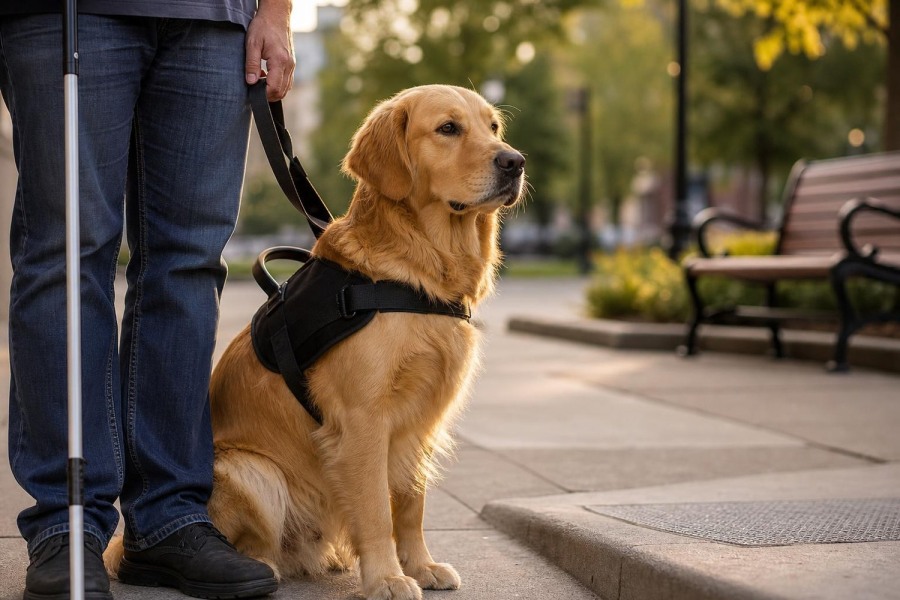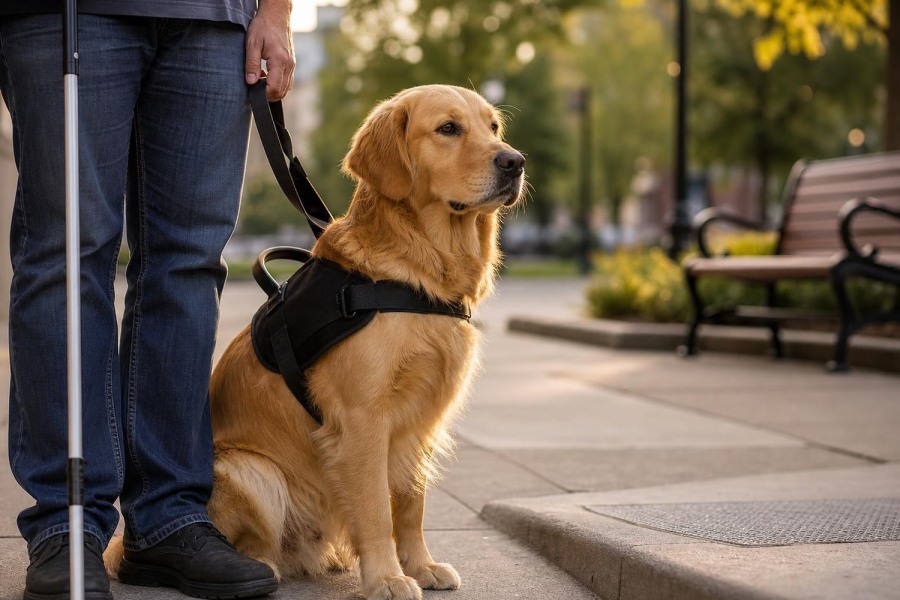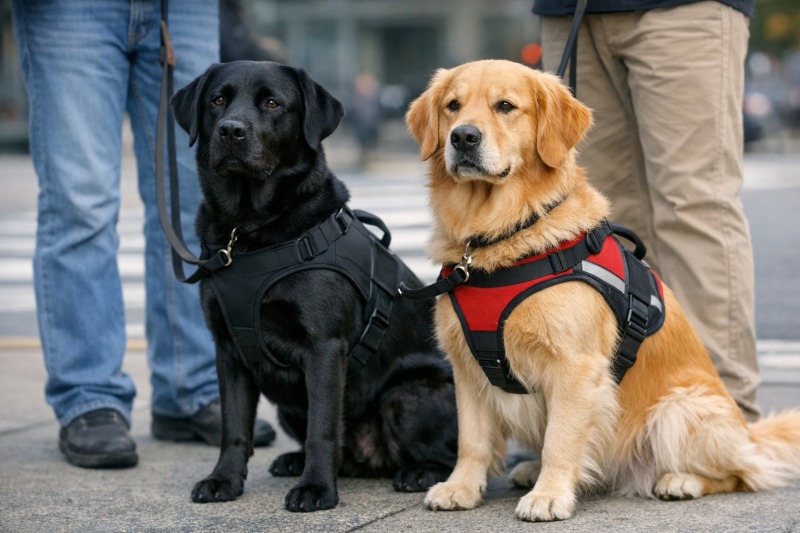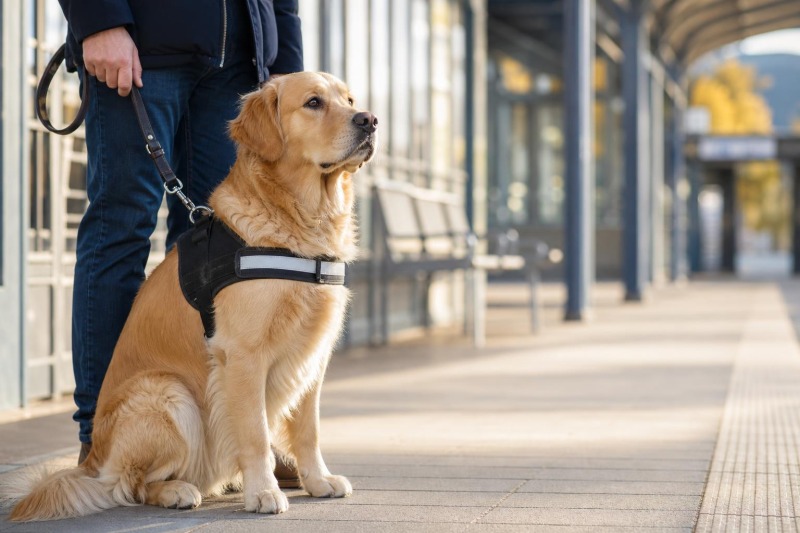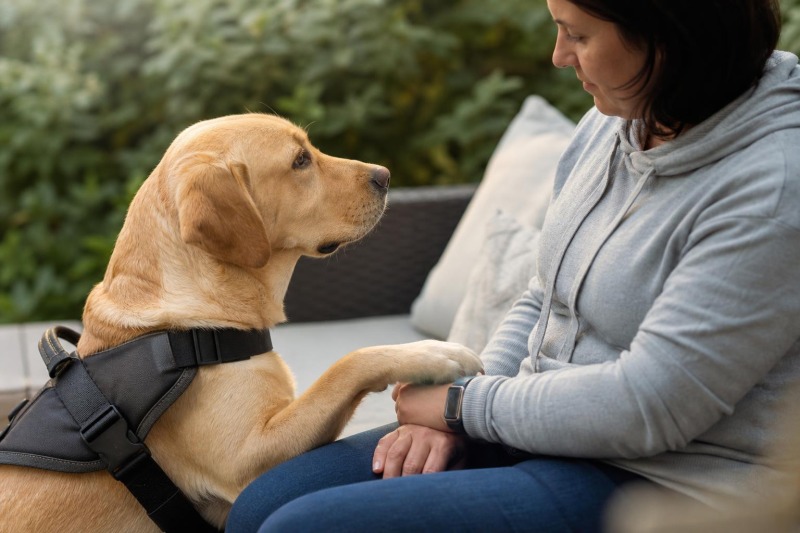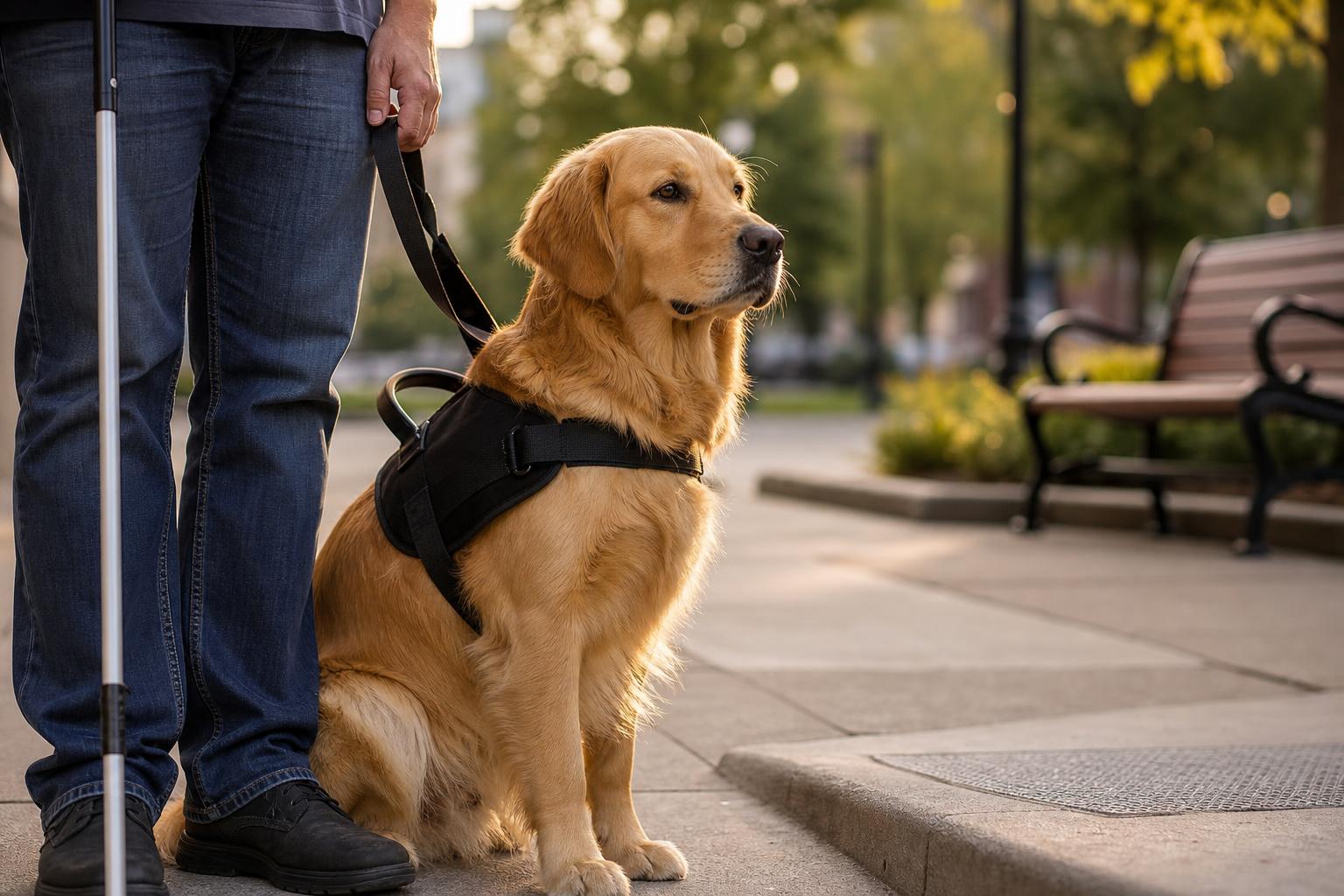
Golden Retrievers are considered for service work because suitable individuals can combine trainability with manageable social behavior. The assessment still needs to fit the handler’s tasks and circumstances. Health, physical suitability, and reliable behavior all matter.
Golden Retrievers were built for cooperation. In the field, that trait shows up in the way they mark birds, take direction, and stay honest with the gun. In service work, the same instinct gets channeled into something different but no less important. Instead of watching the sky for a falling duck, they may be watching their handler for a shift in balance, a change in breathing, or the first sign of a medical episode. Good ones do it with the same quiet seriousness that makes a solid retriever such a pleasure to hunt over.
That combination of steadiness, trainability, and human focus is why Golden Retrievers remain one of the most respected choices for service work. They are not the right answer for every situation, and not every Golden has the nerves or structure needed for demanding public access tasks, but when you get the right dog from the right lines, you are starting with a powerful foundation.
Why Golden Retrievers Make Excellent Service Dogs
The first thing worth saying is that temperament matters more than image. A service dog has to be dependable when the world gets noisy, crowded, or unpredictable. Golden Retrievers often shine here because they tend to be social without being hard-edged, confident without being pushy, and responsive without constantly testing boundaries. That middle-ground temperament is valuable. A dog that startles easily, becomes suspicious in public, or struggles to settle indoors is going to have a hard time with service work no matter how intelligent it may be.
Goldens also have a practical kind of biddability. They generally want to work with people, and that desire makes training smoother. An experienced trainer can shape a lot of behavior in many breeds, but willingness is a gift you cannot fake. Golden Retrievers usually come to the table with it. They tend to forgive handling mistakes, recover well from minor setbacks, and keep trying when the task is not immediately clear. Those are traits that help a dog progress from basic obedience into advanced service tasks.
Size is another advantage. A well-built Golden Retriever is large enough to assist with retrieving items, opening doors, carrying objects, and in some cases providing light mobility support, yet manageable enough for most homes and public spaces. They are substantial dogs, but they are not so massive that transport and daily handling become difficult for the average owner.
Trainability and Work Ethic
Folks who have spent time behind a good retriever know these dogs are thinkers. They are not machines, and a smart Golden will sometimes show you exactly where your training holes are. Still, they are among the more forgiving working breeds, and that matters in service training where repetition, neutrality, and precision all count. The best Golden Retrievers for service work learn tasks quickly, generalize them well, and hold onto that training under distraction.
That work ethic often shows up as quiet persistence. A Golden may repeatedly nudge a hand, fetch medication, bring a phone, brace long enough for stability during a controlled movement, or interrupt escalating anxiety with practiced consistency. They are not usually flashy workers. More often, they are methodical, and that suits service work just fine.
Types of Service Work Golden Retrievers Commonly Perform
Golden Retrievers can be trained for a wide range of service roles. They are especially common in mobility assistance, psychiatric service work, and certain medical response tasks. Their retrieving instinct gives them a natural advantage with object-based tasks. Picking up dropped keys, bringing a wallet, fetching a water bottle, or carrying a needed item from room to room often comes naturally once the behavior is properly shaped and proofed.
For handlers with mobility challenges, a Golden Retriever may help by opening accessible doors, tugging drawers, retrieving assistive gear, or providing carefully trained balance support where appropriate. It is important to note that not every dog is physically suited for mobility work, and structure must be evaluated honestly. Sound hips, elbows, shoulders, and an overall solid frame are essential.
In psychiatric service work, Golden Retrievers often excel because of their emotional steadiness and human awareness. They may perform deep pressure tasks, interrupt repetitive behaviors, create space in public, guide a handler out of overwhelming environments, or wake someone from night terrors. Their natural sensitivity can be an asset here, provided the dog also has enough confidence to remain composed under pressure.
Medical Alert and Response Potential
Some Golden Retrievers are trained for diabetic alert, seizure response, or other medical-related tasks. Response work is often more common and more reliably trained than true scent-based alerting, but the breed has the nose and the focus for many forms of medical support. As with any service role, reliability comes down to individual aptitude, not breed reputation alone. One Golden may be outstanding at scent discrimination, while another may be better suited to retrieval and response work. Matching the dog to the job is half the battle.
What Makes a Golden Retriever Unsuitable for Service Work
It is easy to get carried away with the breed’s good qualities, but service dog work asks a lot from any animal. A Golden Retriever that is overly soft, chronically distracted, noise-sensitive, reactive, or physically unsound is not a good candidate. Friendly is not enough. A dog can love everybody and still be unfit for service work if it cannot ignore strangers, settle in public, or remain focused for long stretches.
Field-bred and show-bred lines can both produce capable service dogs, but buyers need to look deeper than labels. What matters is the individual dog’s nerves, health, trainability, and resilience. Service work rewards steadiness over sparkle.
Choosing the Right Golden Retriever for Service Dog Training
If you are considering a Golden Retriever as a service dog, start with health and breeding. That means documented testing for hips, elbows, heart, eyes, and other inherited concerns common in the breed. It also means talking with breeders or programs that understand working temperament, not just appearance. A pretty dog with a golden coat and a sweet face may win hearts quickly, but service work demands stronger evidence than charm.
Puppy evaluations can help, though they are not crystal balls. You want a pup that is curious, socially engaged, resilient after a surprise, willing to follow human guidance, and not consumed by frantic energy. In adolescent dogs and young adults, look for a clear head, environmental confidence, and the ability to settle. An experienced trainer can often spot strengths and warning signs long before a novice owner will.
It is also wise to be realistic about the timeline. A service dog is not made in a few months. Golden Retrievers mature at their own pace, and many need time for their brains to catch up with their bodies. Rushing public access before the dog is ready is one of the easiest ways to create bad habits and stress. Good training is layered, methodical, and patient.
Training and Daily Management
Raising a Golden Retriever for service work means building more than obedience. You are developing neutrality, emotional control, confidence, and reliable task performance across many environments. That begins with thoughtful socialization, not in the sense of letting the puppy greet every person in the hardware store, but by teaching it to observe the world calmly and remain engaged with the handler.
Goldens usually respond well to clear, fair training with strong reinforcement. They like to know they are right, and they often work best when learning feels cooperative rather than adversarial. At the same time, their soft nature can fool people into underestimating the need for standards. A service dog must understand exactly what is expected, and those expectations have to hold whether the dog is at home, in a hospital hallway, or waiting quietly beneath a restaurant table.
Daily care matters just as much as training. Golden Retrievers need exercise, mental work, grooming, and weight management. A dog that is under-exercised may become restless and unfocused. A dog that is overworked without downtime may burn out. Their coats need routine care, and their bodies need to stay fit enough to handle the job. A service dog is a working partner, and like any good worker, it performs best when properly maintained.
Are Golden Retrievers the Best Service Dogs for Every Owner?
Not always, and that is the honest answer. Golden Retrievers are among the best service dog breeds for many handlers, but suitability depends on lifestyle, disability-related needs, climate, grooming tolerance, and the specific tasks required. They shed, they need regular coat care, and some individuals remain socially enthusiastic enough that greeting management takes extra work in adolescence. For owners who want a highly trainable, people-oriented dog and are prepared to invest in health, grooming, and long-term training, the breed can be an outstanding match.
What keeps Golden Retrievers near the top of the conversation is their balance. They are capable without being too sharp, affectionate without usually becoming unstable, and athletic without always needing the kind of intensity some other working breeds demand. When one is bred well, trained carefully, and placed with the right handler, you get a dog that can move through public life with grace and still come home ready to lay its head on your boot at day’s end.
That, in many ways, is the beauty of the Golden Retriever as a service dog. It is a breed with enough heart to stay close, enough sense to do the work, and enough steadiness to be trusted when trust matters most.