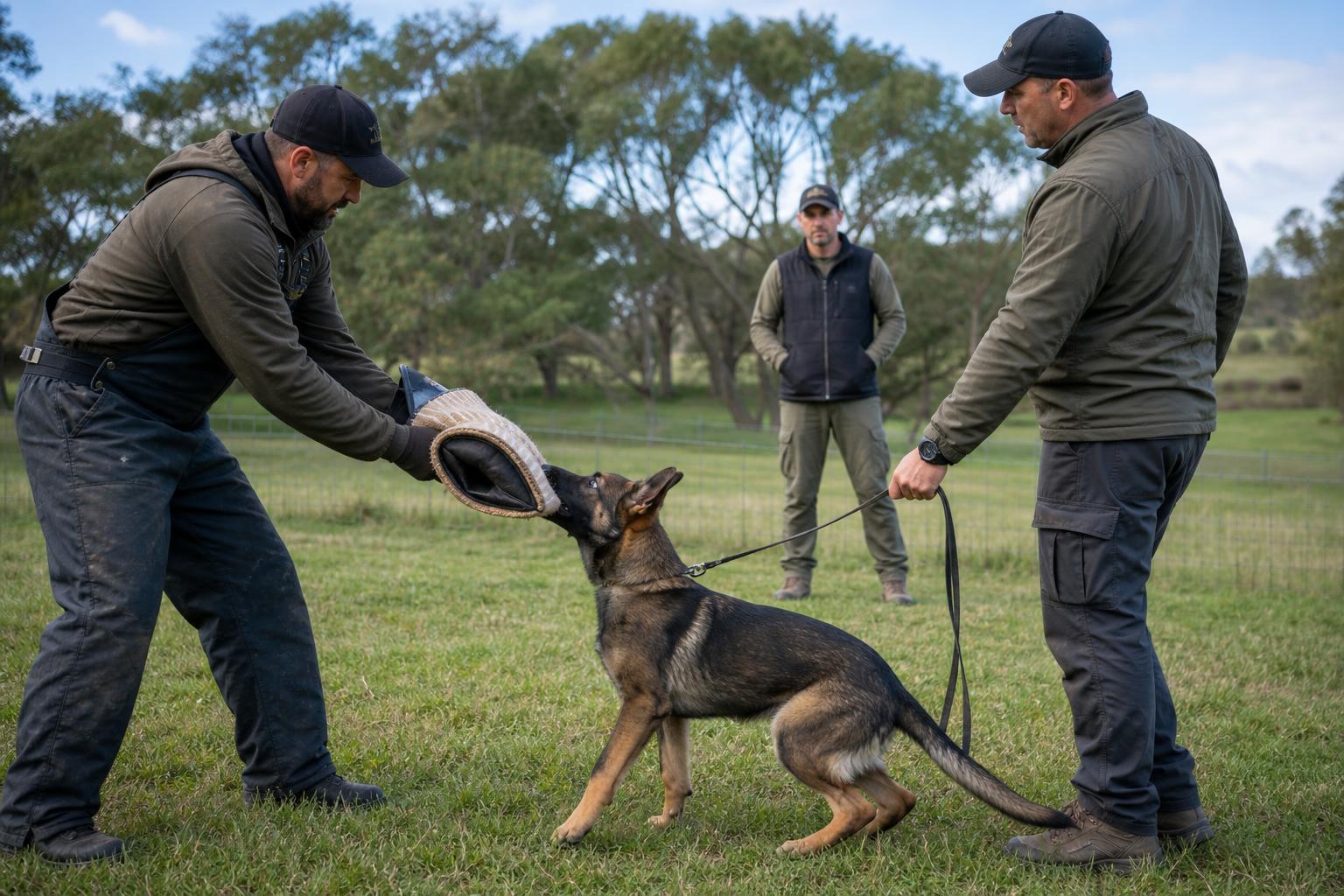
Bite Development Training: What It Really Means in a Working Dog
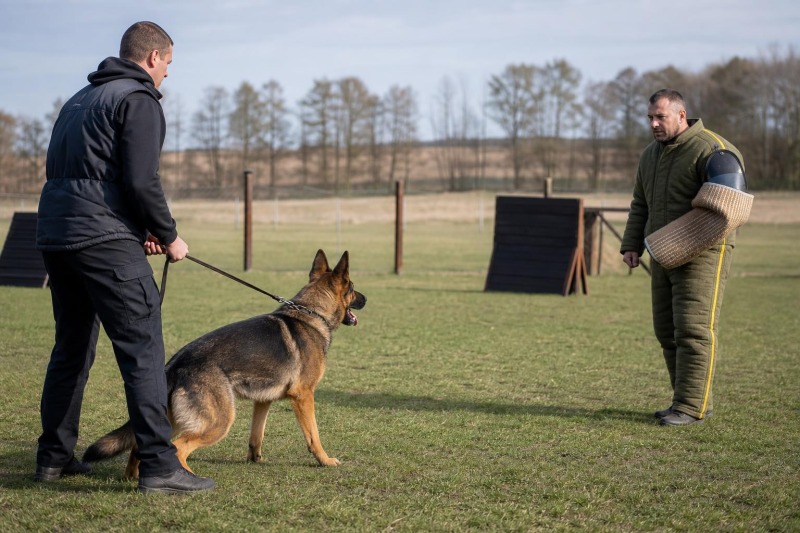
Folks hear the phrase bite development training and sometimes picture one thing only: a dog flying into a sleeve with all the noise and drama that comes with protection work. That is only the surface. Real bite development is not about creating chaos or manufacturing aggression. It is about shaping a dog’s grip, confidence, targeting, commitment, and recovery so the animal understands the job and can perform it with clarity.
The dog had prey drive, speed, and excitement, but no foundation. They bite full, stay engaged under pressure, release when told, and come back clear-headed. That kind of dog is not built by accident.
For dog owners interested in working dogs, the first thing to understand is that bite development training is a progression. It is not one drill and it is not one piece of equipment. It is a carefully layered education that teaches the dog how to use its mouth with confidence and precision while keeping the mind balanced.
Why Bite Development Training Matters
A working dog that lacks proper bite development often shows cracks somewhere in the chain. Maybe the grip is shallow and busy. Maybe the dog targets poorly and snatches at the edge instead of driving in. Maybe pressure causes avoidance, vocalizing, or frantic movement. Sometimes the dog is willing, but unclear. Sometimes the dog is genetically weaker in nerve and needs fair, thoughtful handling to bring out what is there without overfacing it.
Good bite development training helps answer those problems before they become habits. It teaches the dog to commit to the target, carry a fuller grip, and stay mentally present during the fight. Just as important, it helps the handler read the dog honestly. A full calm grip means something. So does chewing, slipping, or regripping under stress. The mouth tells you plenty if you know what you are looking at.
In the field, whether your interest leans toward sport, personal protection, police K9 foundations, or serious working dog development, control is every bit as important as intensity. A dog that bites hard but cannot think is unfinished. A dog that bites with understanding, confidence, and obedience is useful.
Grip Quality Tells a Story
One of the first things experienced trainers watch is grip quality. A strong, full grip usually reflects confidence, good targeting, and commitment. That does not mean every young dog starts there. Many do not. Puppies and green dogs may grab where they can, especially when movement and excitement are high. The trainer’s job is to present the picture so the dog learns to drive into the center and hold calmly.
That process takes timing. If you reward weak entries or allow constant hectic biting, the dog can build bad mechanics. If you apply too much pressure too early, the dog may begin to doubt. There is a narrow road between building intensity and preserving clarity, and that road is where smart bite development training lives.
Starting Young Dogs the Right Way
Most dogs begin with rags, wedges, tugs, or soft development equipment. The goal in the early stages is not domination. It is engagement. You want the dog chasing, possessing, and learning that driving into the object brings success. The helper or handler creates movement that wakes up prey drive, then rewards forward commitment. In those first sessions, confidence is the currency.
That matters more than many people realize. When a dog learns that full commitment pays off, you begin building a habit that will carry into more advanced work. The dog starts to strike cleaner, push harder into the bite, and carry possession with pride. Those are not small things. They are the bones under everything that comes later.
At this stage, sessions should stay short, clean, and purposeful. Young dogs do not need endless repetitions. They need successful ones. A few strong efforts leave more behind than dragging a puppy through a long workout until the mind dulls and the grip falls apart.
Prey, Possession, and Forward Drive
Early bite development training often leans heavily on prey behavior because prey movement is simple and natural for many dogs to understand. The moving target invites pursuit. The catch rewards effort. Possession then teaches the dog to value what it has won. That sense of ownership can strengthen confidence and encourage a dog to stay committed through the fight.
Still, there is a difference between a dog that likes to chase and a dog that truly drives into pressure. Forward drive has to be cultivated. The dog must learn that pushing in, not hanging back, is the path to success. That is where presentation, angle, timing, and the helper’s body language make all the difference.
Introducing Pressure Without Cracking the Dog
Pressure is where bite development training gets honest. Sooner or later, the dog has to learn that the world does not stay easy. The picture changes. Movement slows. The helper stiffens. Environmental stress rises. Grip quality and commitment are tested. If the foundation is weak, problems show up quickly.
The mistake many novices make is believing pressure itself builds the dog. Pressure only reveals what has been built and, if applied correctly, helps shape more resilience. Too much too soon can hollow a dog out. A sensible trainer introduces challenge in measured doses and watches the dog closely. Does the dog counter into the bite? Does it stay forward? Does it recover quickly after a difficult moment? Those answers matter.
That does not mean every session is easy. It means the dog comes through confusion and learns it can solve the problem by staying engaged. That lesson creates toughness you can trust.
Reading Stress Signals
Dogs speak plainly if you have the patience to listen. A dog that starts chewing, drifting to the edge, looking away, or getting vocal in a thin frantic way is telling you something about stress or conflict. A regrip is not always bad, but repeated unstable mouth behavior deserves attention. Sometimes the dog is physically uncomfortable. Sometimes the target presentation is poor. Sometimes the pressure level is simply beyond what the dog understands.
Strong bite development training depends on reading those details instead of forcing a predetermined plan.
Equipment, Targeting, and Transition Work
As the dog matures, development usually moves through different pieces of equipment. Soft tugs and wedges often give way to pillows, sleeves, and eventually more advanced targets depending on the discipline. Every transition should be made with care. Equipment is not just gear. It changes the picture the dog sees, the angle of entry, and the physical feel of the bite.
A common problem comes when handlers move too fast to harder equipment because they want the dog to look impressive. What they get instead is weaker commitment, poorer targeting, and confusion. The dog may still launch with enthusiasm, but the quality of the work begins to slip. Slow transitions protect mechanics and confidence.
Targeting deserves special attention. A reliable working dog should not bite randomly. The dog must learn where to engage and how to stay there. Clean targeting improves safety, efficiency, and control. It also gives the dog a clearer picture, which reduces conflict when stress rises.
The Role of Obedience in Bite Development Training
There is no conflict between strong bite work and strong obedience when both are taught correctly. In fact, control gives the dog more confidence because the rules become clear. Outs, recalls, guarding behaviors, transport positions, and reengagement all depend on the dog understanding that the handler is part of the game, not an obstacle to it.
The animal knew when to engage, when to carry pressure, and when to release. Clarity calms the mind. That calmness often shows up in the grip.
The handler’s demeanor matters here. If commands come late, muddy, or emotional, the dog loses definition. Bite development training should sharpen the dog, not fog it up. Ask clearly, reward honestly, and make the line between drive and control easy to understand.
Common Mistakes Dog Owners Make
One of the biggest mistakes is trying to do serious bite development without qualified help. Timing is everything in this work, and bad timing can damage a dog faster than most people think. Another mistake is mistaking arousal for progress. A dog that barks, thrashes, and flies around may look exciting, but excitement alone does not equal a quality bite.
Handlers also get into trouble when they compare their dog to others. One dog matures early and comes naturally full. Another takes months to settle in the mouth. One can handle pressure young. Another needs confidence built in smaller steps. Good training respects the dog in front of you.
Perhaps the most costly mistake is rushing. Working dogs are not microwave projects. You are building a mind, not just a behavior. If you skip stages, the dog will often tell on you later when the work gets difficult.
Building a Reliable Working Partner
They were the ones brought along with patience, consistency, and an honest eye. Their bite development training taught them to engage fully, carry stress without falling apart, and listen even when drive ran high. That kind of reliability does not come from pushing harder every session. It comes from knowing when to challenge, when to reward, and when to quit while the dog is still winning.
If you are serious about developing a working dog, think of bite training as one thread in a larger rope. Genetics matter. Nerve matters. Health matters. So do obedience, relationship, environmental exposure, and the skill of the helper. When those pieces come together, the bite becomes more than an act of force. It becomes an expression of confidence, purpose, and training done right.
That is the standard worth chasing. A dog that bites with conviction is impressive. A dog that bites with conviction, control, and understanding is something else entirely.