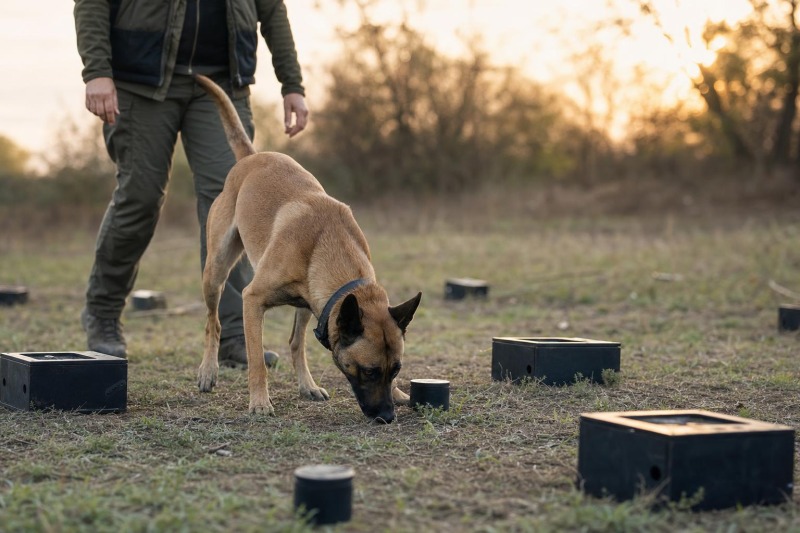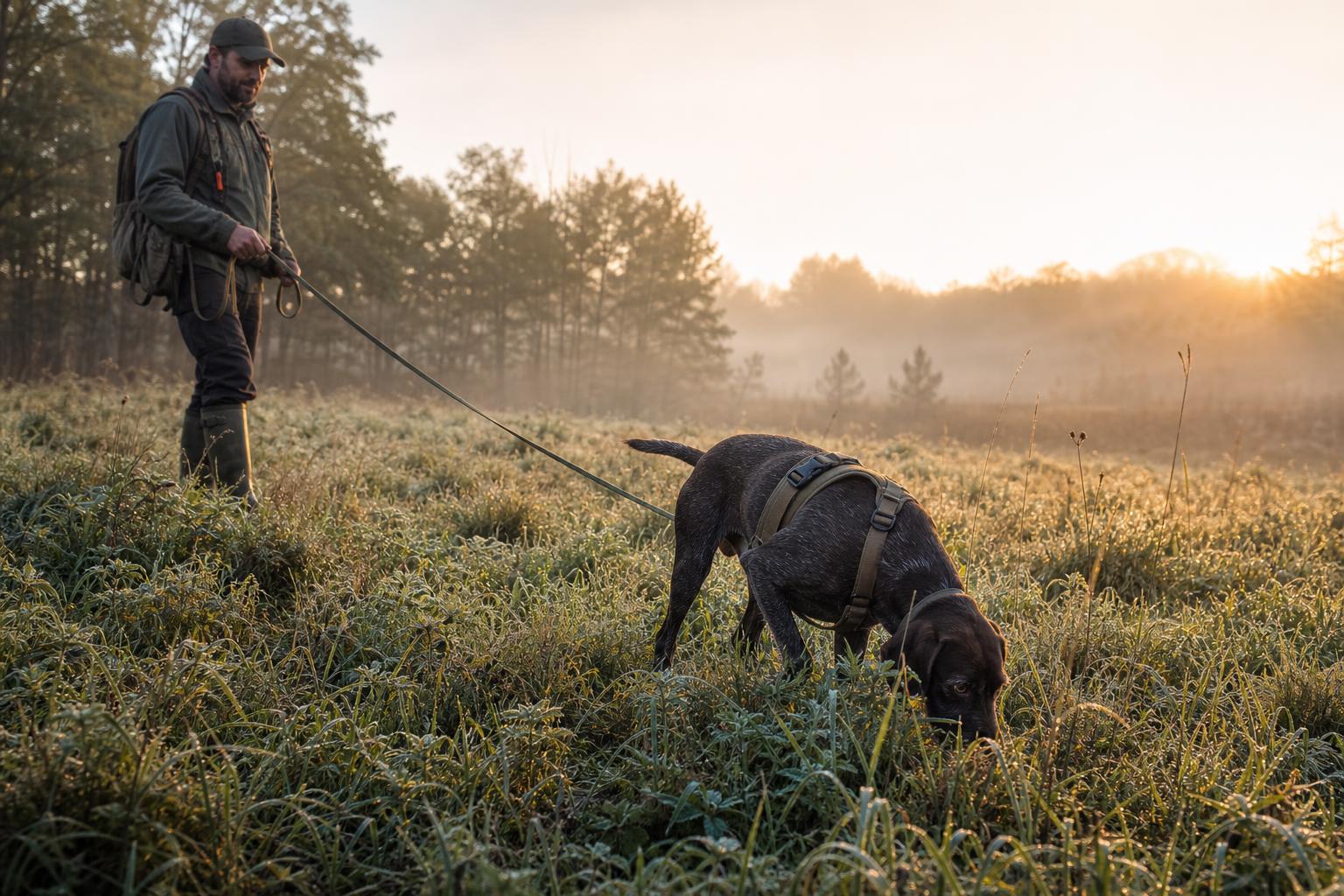
There is something honest about watching a dog work a track. The nose drops, the body settles, and the world narrows down to one invisible line only that dog can read. For a handler, it is one of the purest forms of teamwork in the field. Good tracking is not flashy. It is steady, disciplined, and built on repetition. If you want a reliable dog, whether for hunting, recovery work, or practical working dog training, the foundation matters more than any shortcut.
Too many people rush tracking training because they are eager to see the finished product. Every dog owner wants to watch their dog cast into scent and solve a problem. But tracking is one of those skills that rewards slow, thoughtful work. A dog that learns to trust its nose early will carry that confidence a long way. A dog that is confused, pressured, or overhandled in the beginning often develops habits that take months to undo.
At its core, tracking training teaches a dog to follow a specific scent path with purpose and control. That sounds simple enough, but the details matter. Wind, ground cover, moisture, age of track, distractions, leash handling, and your own timing all shape the outcome. A young dog does not need a complicated lesson plan. It needs clear scent, manageable challenges, and a handler who knows when to help and when to stay quiet.
Understanding What a Dog Is Following
Before you start laying tracks, it helps to understand what the dog is actually working. In most basic tracking, the dog is following disturbed ground scent along with human or animal odor left in the footsteps. Crushed vegetation, skin rafts, and changes in the track path create a scent picture. Conditions change that picture from day to day. Damp mornings tend to hold scent low and make life easier. Dry afternoons with swirling wind can humble a good dog in a hurry.
This is why tracking training basics should begin in forgiving conditions. A clean field with short cover, light moisture, and little traffic gives the dog a fair chance to succeed. Success builds desire, and desire is fuel. Once that dog understands the game, you can ask for more. If you start in poor conditions and the dog fails repeatedly, you risk teaching frustration instead of discipline.
Why Nose-Down Work Matters
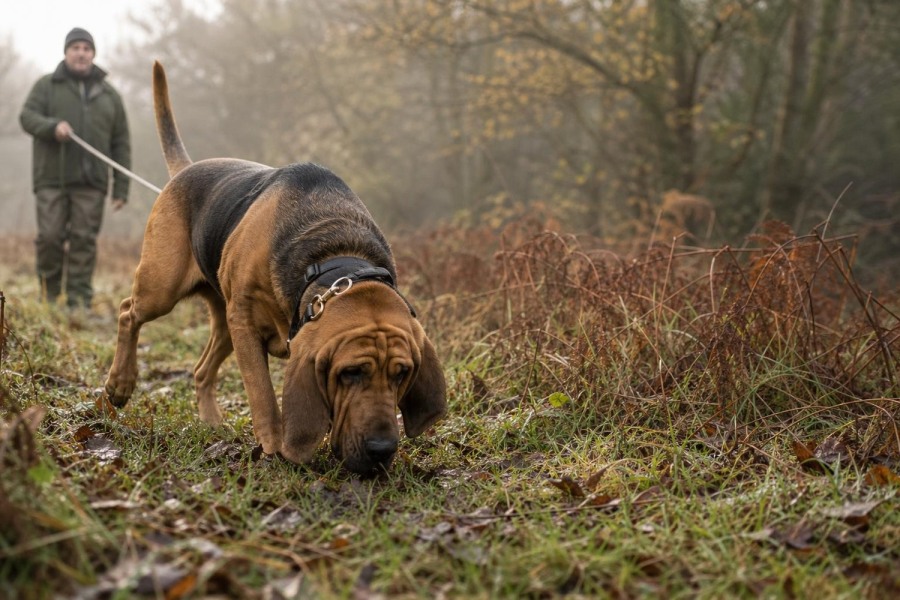
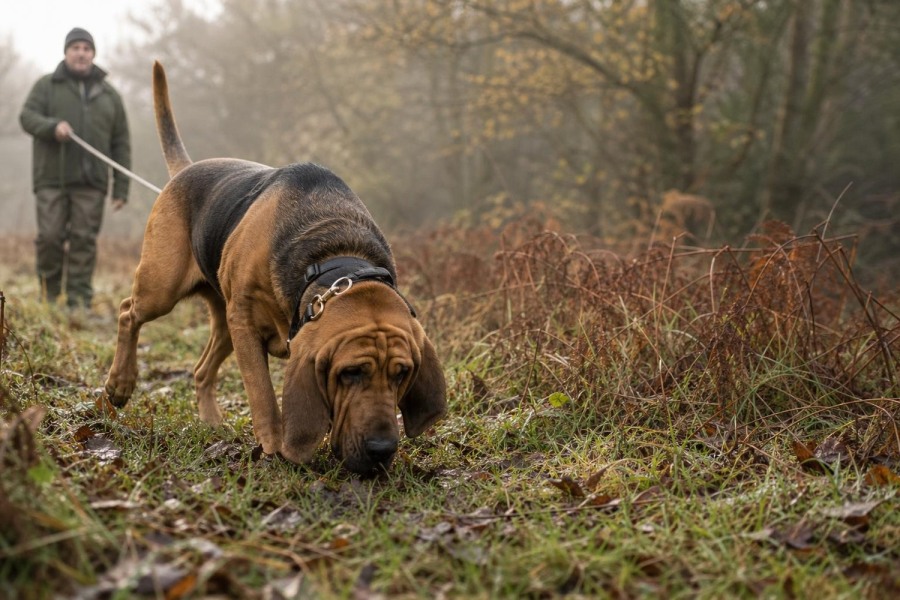
A dog that learns to track with its nose down is usually a more dependable worker than one that runs with its head high and hunts scent in the air. Air scenting has its place, but basic tracking is about commitment to the line. You want the dog to move carefully enough to hold the trail through turns, cover changes, and contamination. That kind of work does not come from excitement alone. It comes from calm repetition and a clear understanding of the task.
Starting a Young or Green Dog
The best first tracks are short, simple, and almost impossible to mess up. Early on, the dog does not need distance. It needs clarity. A short track with a reward at the end teaches the dog that following scent leads to something worthwhile. That reward might be food, a toy, or praise, depending on the dog’s temperament and drive.
The point is not to test the dog. The point is to show it exactly what wins. One of the biggest mistakes handlers make is talking too much on a track. Dogs work scent better than we ever will. Most of the time, your job is to set the lesson up properly and then keep from interfering.
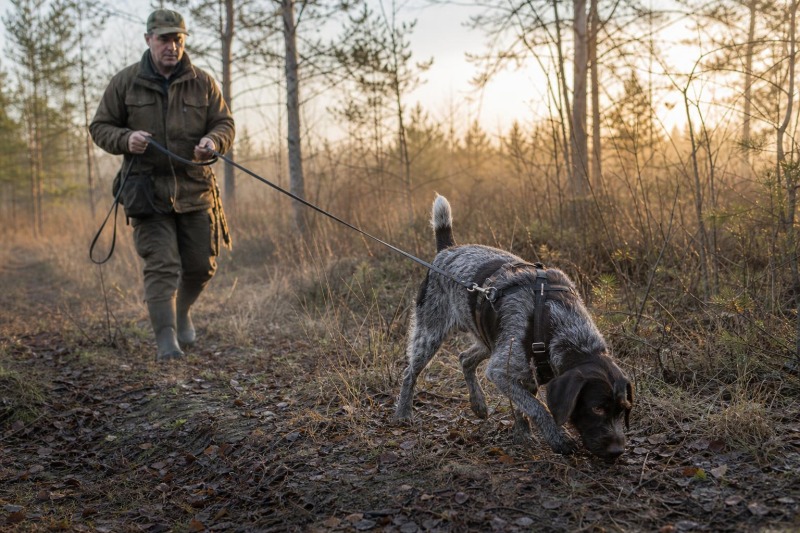
The equipment should be simple and comfortable. A well-fitted tracking harness helps the dog understand that this is work, not just another leash walk. A long line gives room without giving chaos. You want enough distance for the dog to hunt forward, but not so much slack that you lose contact with what the dog is telling you. Learning to read tension in the line is part of becoming a better handler.
Reading the Dog on the Line
Good tracking dogs communicate constantly. You can feel it before you can always explain it. When the dog is on scent, there is usually a rhythm to the movement. The line carries steady purpose. When the dog loses the track, that rhythm changes. The dog may circle, lift its head, drift, or start checking for the line again. New handlers often panic in that moment and start steering the dog. That usually makes things worse.
If the dog is honestly working, give it room to solve the problem. A careful reset is better than a flood of commands. Dogs gain confidence by figuring things out. Your support should be quiet and timely, not constant.
Building Difficulty the Right Way
Once the dog understands the idea of following a simple scent path, then you can begin to make tracking training more realistic. Length comes first, then gentle turns, then older tracks, then tougher surfaces and distractions. If you lengthen the track, do not also make it older, drier, and full of cross traffic. That is how handlers create failure and call it training.
Some days a dog looks sharp and seasoned. Another day the same dog struggles with a turn it should know. That is normal. Scent work is influenced by conditions we cannot fully see. What matters is the overall trend. If the dog is learning to stay patient, trust the track, and recover from small losses, you are headed the right direction.
Turns are often where the lesson becomes real. A straight line can make a dog look better than it is. A clean corner shows whether the dog is actually following scent or just charging ahead. Slow the dog down before difficult turns if needed. Let it work with intent, not speed. Speed impresses people standing around a field. Accuracy is what matters when the track gets tough.
Introducing Different Terrain
Grass is a fine classroom, but dogs need to learn that scent behaves differently across dirt, crop edges, leaves, gravel, and light brush. Transition areas often challenge a young dog because the scent picture changes suddenly. This is where solid foundation work pays off. A dog that understands the game will check itself and keep hunting. A dog trained too fast may overshoot, lose confidence, and begin guessing.
The scent thinned out, the footing changed, and for a few seconds he looked lost. Then he dropped his head lower, worked back to the transition, and picked up the line again. That moment told me more than any easy straight track ever could. Tracking is not just about scent. It is about teaching a dog how to stay mentally honest when the answer is not obvious.
Common Tracking Training Mistakes
Most tracking problems begin with the handler, not the dog. We ask for too much too soon. We train in poor conditions and expect precision. We help when we should be quiet, and then stay quiet when the dog genuinely needs a simpler setup next time. Consistency matters. If one session is structured and fair, and the next is a guessing game, the dog never gets a clean message.
Another common mistake is rewarding speed over concentration. A fast dog can look impressive in the early stages, but speed hides flaws. The dog that learns to blow past corners or drift off line because momentum carries it forward will be harder to steady later. Tracking should have purpose, but it should also have control.
There is also the temptation to overtrain. Short, productive sessions beat long, muddled ones. End with success when you can. Let the dog leave the field wanting more. Burnout has a way of creeping in when every session feels like a test.
Keeping Tracking Useful for Working Dogs
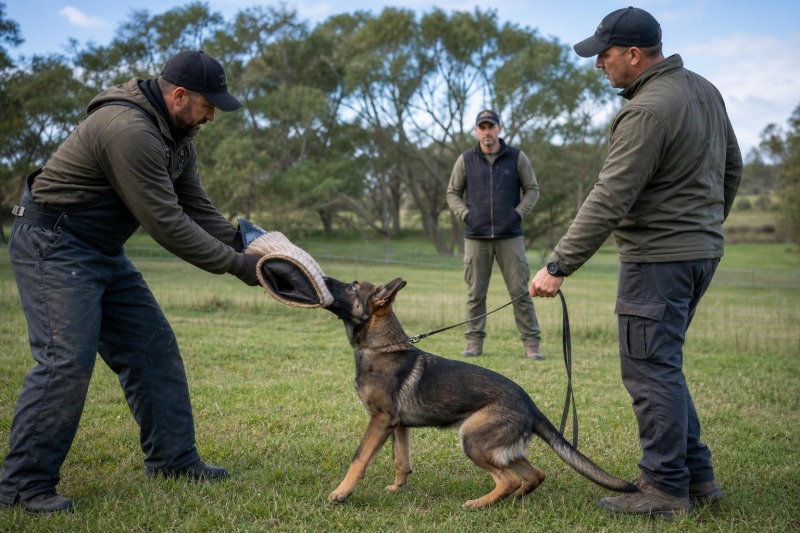
For dog owners interested in working dogs, tracking is more than a sport exercise. It sharpens focus, develops patience, and teaches a dog to solve scent problems under control. Those qualities carry over into a lot of practical work. Even if your dog never competes, basic tracking can improve teamwork and make the dog more deliberate in the field.
The best tracking dogs are not always the most dramatic dogs. Often they are the ones with a quiet mind and a habit of sticking with the problem. As a handler, your role is to protect that honesty. Set tracks that teach. Watch more than you talk. Keep records of conditions, track age, terrain, and how the dog responded. Over time, patterns will appear, and those patterns will tell you how to train smarter.
Tracking has a way of humbling both dog and handler, and that is part of its value. It reminds us that real work is built in layers. One careful track at a time, the dog learns to trust its nose. One thoughtful session at a time, the handler learns to trust the dog. That partnership is the whole point.
If you are just getting started, keep it simple and keep it fair. Use easy conditions, short tracks, and rewards the dog truly values. Build slowly. Let the dog learn that the nose is the answer. Resist the urge to rush into advanced work before the foundation is steady. A reliable tracking dog is not made by excitement alone. It is made by calm repetition, clear setups, and a handler with enough patience to let the process work.
Good tracking looks almost plain to an untrained eye. A dog moves with intent, solves problems without theatrics, and stays faithful to the line. But anyone who has spent time behind a long line knows better. There is a lot of training hidden inside that quiet kind of skill, and every bit of it starts with the basics done right.