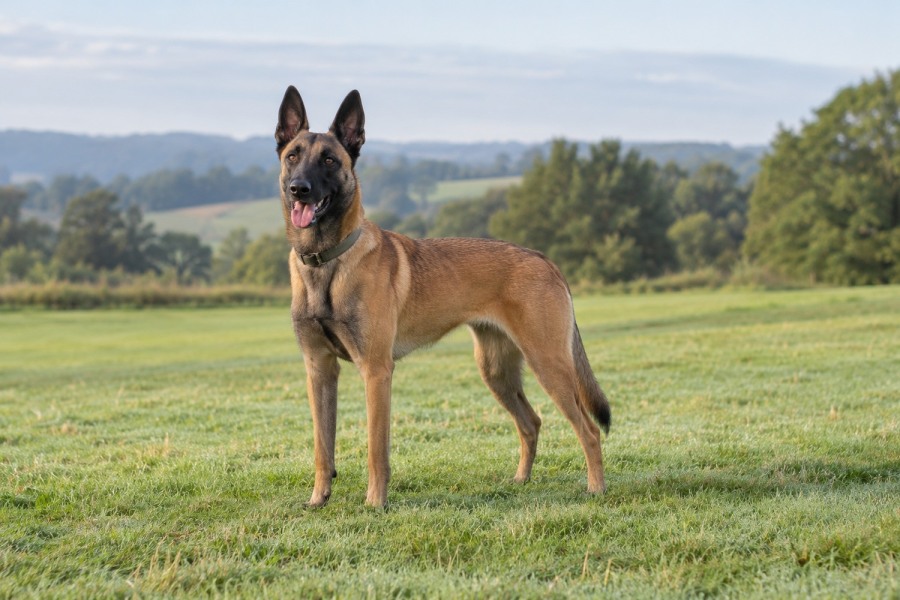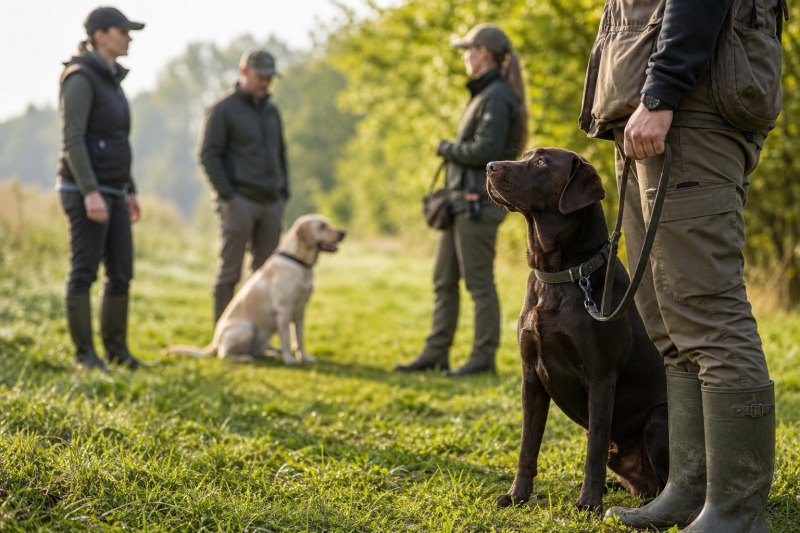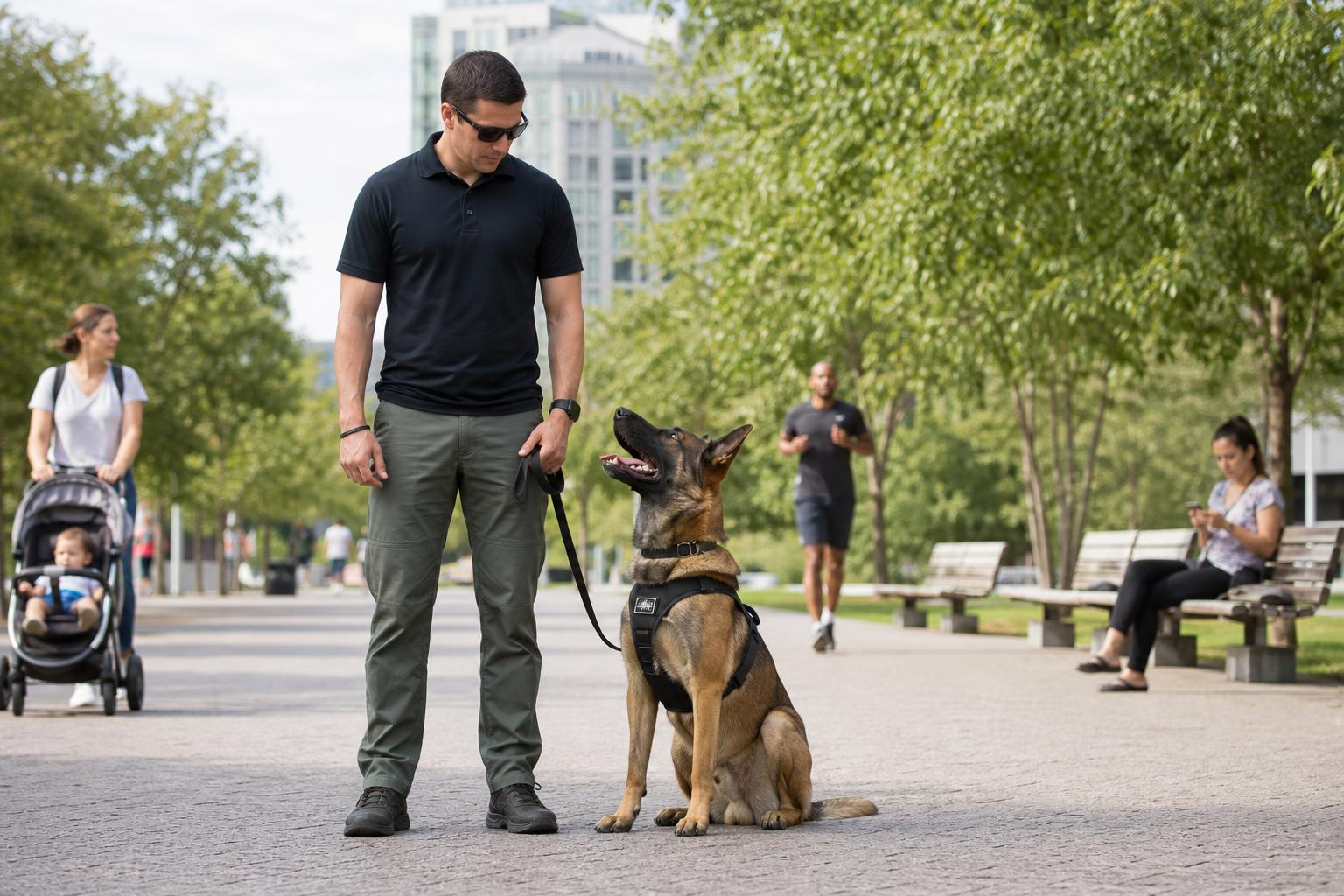
Folks new to the world of working dogs often get one thing wrong right out of the gate. They assume a protection dog should be kept guarded, isolated, and a little suspicious from the start. In the real world, that approach makes a shaky dog, not a trustworthy one. A good protection dog is socialized carefully and thoroughly so he can tell the difference between everyday life and a real threat. That kind of judgment does not happen by accident. It is built over time, with steady exposure, structure, and experienced handling.
It is about creating stability. When a dog can move through crowds, hear strange noises, ride in vehicles, meet neutral strangers, and hold himself together in unfamiliar places, he becomes useful. When he cannot, he becomes a liability.
Protection dog socialization starts with the same truth that applies to retrievers, hounds, and any serious working animal. A dog has to know the world before he can work in it. The more measured and thoughtful those early exposures are, the better the finished dog will be under pressure.
What Socialization Really Means in a Protection Dog
In plain language, socialization means teaching a dog that the world is not something to fear. Different surfaces, loud sounds, moving people, children at a distance, shopping carts, doorways, staircases, slick floors, livestock behind fences, bicycles, hats, uniforms, and busy parking lots all become part of the dog’s education. He learns to process what is around him without overreacting.
That matters because a protection dog is expected to stay clear in the head. He cannot bark at every stranger or view every unusual sight as a challenge. The ideal dog is neutral when neutrality is called for, alert when something feels wrong, and responsive to the handler at all times. Socialization lays that foundation. It teaches the dog that not everything novel is dangerous, and not everything exciting deserves a response.
This is where many people confuse socialization with friendliness. A protection dog does not need to love everybody he meets. He does need to remain composed. There is a big difference between a dog that is socialized and one that is indiscriminately social. The best protection dogs are environmentally stable, handler-focused, and capable of ignoring distractions unless given a reason not to.
Confidence Comes Before Protection Work
Before a dog ever learns controlled defensive behavior, he needs confidence. Real confidence is quiet. It shows up in the dog that steps onto an unstable surface, startles at a dropped object, then recovers and checks back in. It shows up in the young dog that enters a new building with interest instead of panic. Trainers worth their salt spend a lot of time building that kind of nerve.
That is not a protection dog. That is a dog with holes in his foundation. If the dog cannot handle common life without stress spilling over, adding bite work only puts pressure on a fault line that is already there.
When Protection Dog Socialization Begins
The process starts early, ideally when the dog is still a pup. Those first months matter more than most people realize. Puppies are impressionable, and the right exposures during that window can shape how they interpret the world for the rest of their lives. Good breeders often begin with simple handling, mild environmental changes, and safe novelty before the puppy ever leaves for a new home.
Once the pup is with a trainer or owner, the job continues. Short trips, calm introductions, different terrain, kennel routines, crate travel, and exposure to daily household activity all add up. The key is not flooding the pup with chaos. It is introducing one new thing at a time in a way the dog can absorb without becoming overwhelmed.
A pup carried into a farm store, allowed to observe from a safe distance, and rewarded for calm curiosity learns a great deal. So does a pup who hears thunder, rides in a truck, walks across gravel, and sees strangers without being pushed into unwanted contact. These moments seem ordinary, but they are where a stable protection dog begins.
Controlled Exposure Beats Forced Interaction
That is not necessary, and with a future protection dog, it can muddy the picture. The dog should learn that people exist all around him and that he can remain neutral unless directed otherwise. He does not need every stranger petting his head.
Controlled exposure is the smarter route. Let the dog see joggers pass. Let him settle while visitors enter the home. Let him walk through public places with composure. Let him experience noise and movement while staying connected to the handler. This teaches self-control, environmental steadiness, and discernment, all of which matter far more than forced friendliness.
The Role of Obedience in Socialization
Socialization and obedience grow together. A dog that understands leash pressure, place work, recall, and basic positional commands has a framework for making good choices in new environments. Obedience gives the dog something familiar to hold onto when the world feels busy. It also gives the handler a clean way to guide the dog through stress without conflict.
That does not mean drilling commands every minute. It means using obedience as a quiet language between dog and handler. A dog that can heel through distraction, down calmly while strangers move nearby, and load into a vehicle on command is learning more than mechanics. He is learning how to function with clarity and control.
The smoothest working dogs are the ones that understand structure long before advanced protection scenarios are introduced. Their nerves stay cleaner because the expectations are clear. They know when to settle, when to move, and when to look to the handler for direction.
How Trainers Introduce Pressure Without Creating Fear
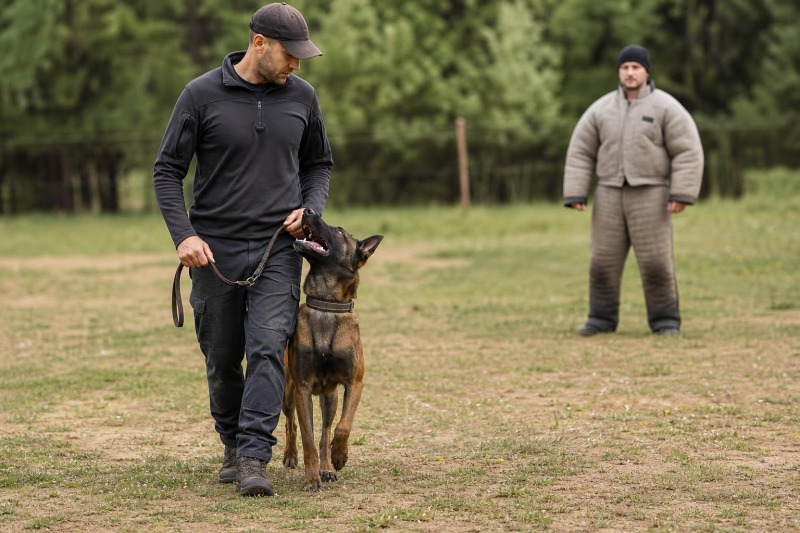
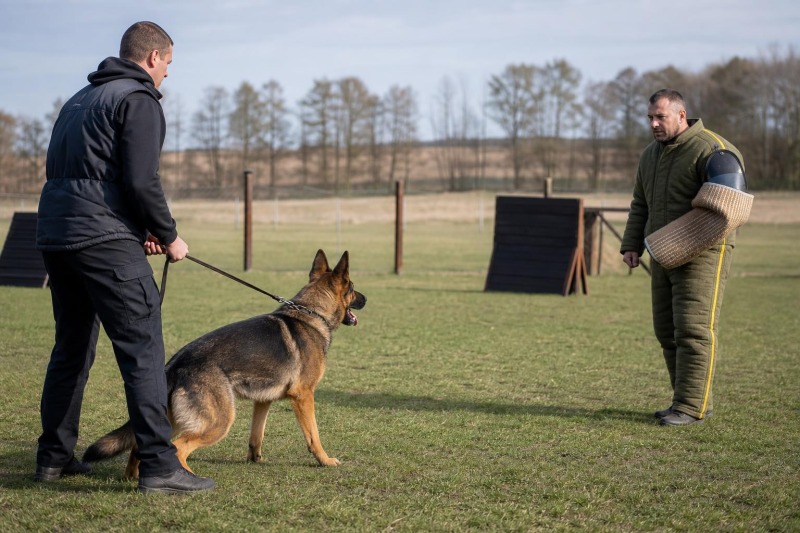
Protection dogs do eventually need to encounter controlled pressure. But pressure should be introduced only after the dog has a stable base. A decoy, unusual body language, confrontation, loud verbal energy, and defensive scenarios all have a place in training, yet these pieces must be layered in with timing and care.
The goal is never to create a fearful dog that reacts out of panic. The goal is to develop a dog that can confront pressure with confidence and remain obedient through it. Socialization helps the trainer see how the dog handles novelty before true working stress is applied. If a dog struggles with the ordinary world, that problem needs fixing first.
A seasoned trainer reads the dog closely. Recovery time, body posture, eye contact, avoidance, curiosity, and willingness to engage all tell a story. Socialization is not a box to check. It is an ongoing evaluation of character. Every new environment reveals something, and smart handlers pay attention.
Why Neutrality Matters So Much
They were the quiet ones. Dogs that sat under a table at an outdoor café and watched the world without concern. Dogs that could walk through a busy parking lot like old hands, then switch on instantly when the situation changed. That neutrality is worth a great deal.
Without it, a dog becomes unpredictable. He may misread harmless behavior, fixate on the wrong person, or burn himself out mentally before any real work begins. A socialized protection dog has the discipline to stay off until he is needed. That is not softness. That is control.
Socialization in Adulthood Still Matters
Even after formal training begins, socialization does not stop. Adult dogs need maintenance exposure to the real world. New places, different routines, changing seasons, travel, visitors, and public environments all help preserve steadiness. Dogs, like people, can get stale if their world shrinks too much.
A dog that only performs in familiar spaces may look polished, but the truth shows up when conditions change. Rain, dark parking lots, echoing hallways, strange vehicles, and crowds tell you what kind of dog you truly have.
That is why experienced handlers keep putting miles on a dog. Not reckless miles, and not pointless stress, but useful exposure. The more honest experiences a dog has under guidance, the more dependable he becomes.
What Owners Should Look For
If you are considering a trained protection dog or raising one yourself, look for steadiness before flash. Watch how the dog behaves in ordinary situations. Can he relax? Can he move through distraction without spinning up? Does he recover quickly from surprise? Is he obedient without looking shut down? Those signs matter.
A socialized protection dog should not seem nervy, frantic, or suspicious of everything with a pulse. He should feel present, aware, and manageable. There is a settled quality to a good one, the same kind of honest composure you admire in any useful working animal. He knows his job, but he is not hunting for trouble.
Proper protection dog socialization is about producing a dog with a sound mind. The bite work may catch the eye, but the everyday behavior tells the truth. A dog that can live in the world calmly, think under stress, and answer his handler with confidence is the kind worth having. That kind of dog is made through patient exposure, consistent standards, and a clear understanding that stability comes first.