Bite Sleeves and Tug Equipment: What They Really Do in a Working Dog Program
Bite sleeves and tugs serve different purposes in a training plan. Their size, surface, and presentation affect how a dog engages with them. Clear goals and skilled handling are more important than accumulating equipment.
Folks new to working dogs often see bite sleeves and tug equipment as simple outlets for high drive. There is some truth in that, but it misses the bigger picture. These tools are about communication. They let a handler or decoy reward the dog with clarity. They help build a dog that bites full, holds cleanly, pushes into pressure, and releases on command. For dog owners interested in working dogs, understanding how these tools fit into training is one of the smartest places to start.
Understanding the Role of Tug Equipment
Tugs are usually the first real bite-development tools a dog sees. They are simple, portable, and versatile, which is why good handlers keep one handy in the truck, at the kennel, and near the training field. A tug can build prey drive in a young dog, sharpen focus in an older one, and create a clean reward system that ties obedience to intensity. That matters because a working dog is not just supposed to be excited. The dog must learn to bring that excitement under control and direct it where the handler wants it.
A young dog that bites shallow or nips at the end of the tug is telling you something. Sometimes it is uncertainty. Sometimes it is too much motion and not enough presentation. Sometimes the dog simply has not learned yet. A proper tug session is not about whipping the dog into a frenzy. It is about presenting the target clearly, letting the dog commit, and rewarding that commitment with the kind of fight that builds confidence.
How Tugs Build Foundation Skills
When used right, tug equipment teaches more than grabbing and pulling. It teaches pursuit, possession, countering, and engagement with the handler. A dog learns that drive has an outlet and that the handler controls access to it. That is powerful in training. Recall, outs, heeling intensity, and marker work all improve when the reward is meaningful and delivered with timing.
There is also a practical side. Tugs are easier on a young dog than rushing too early into heavy sleeve work. Puppies and adolescent dogs need development, not intimidation. A good tug lets you build mechanics without adding the weight and pressure of a larger bite surface. Better to build the dog carefully, layer by layer, and preserve that natural eagerness.
Where Bite Sleeves Fit In
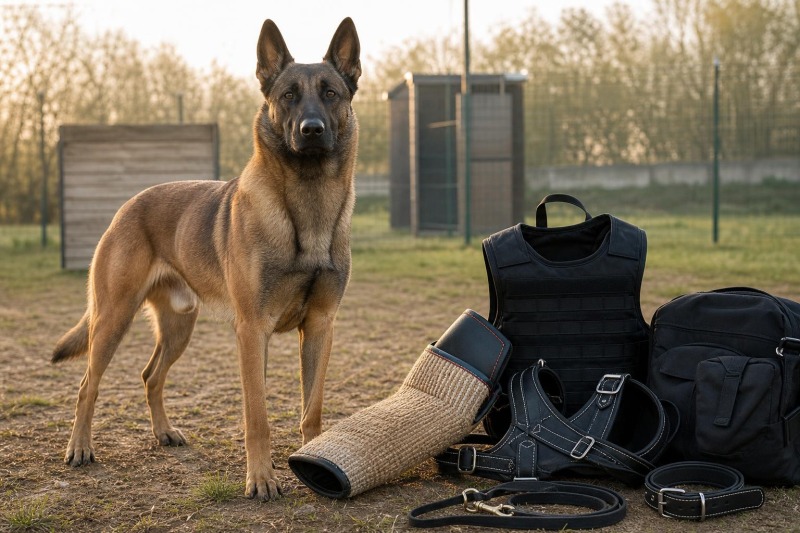
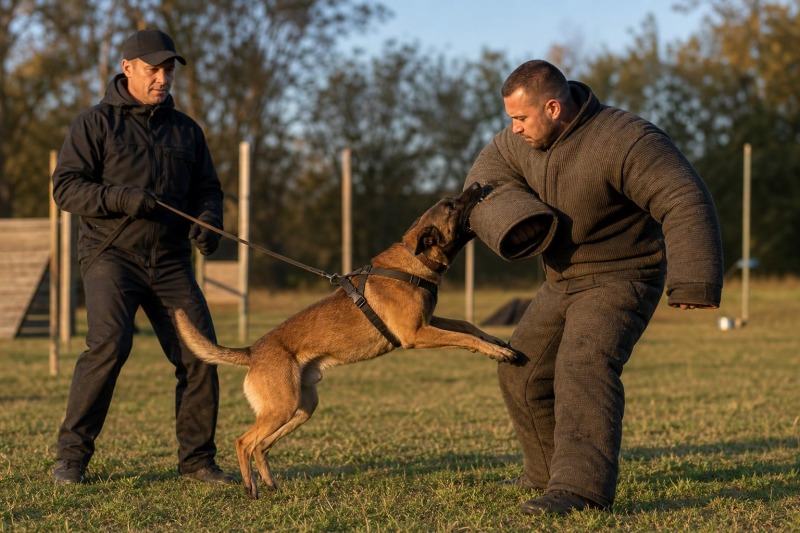
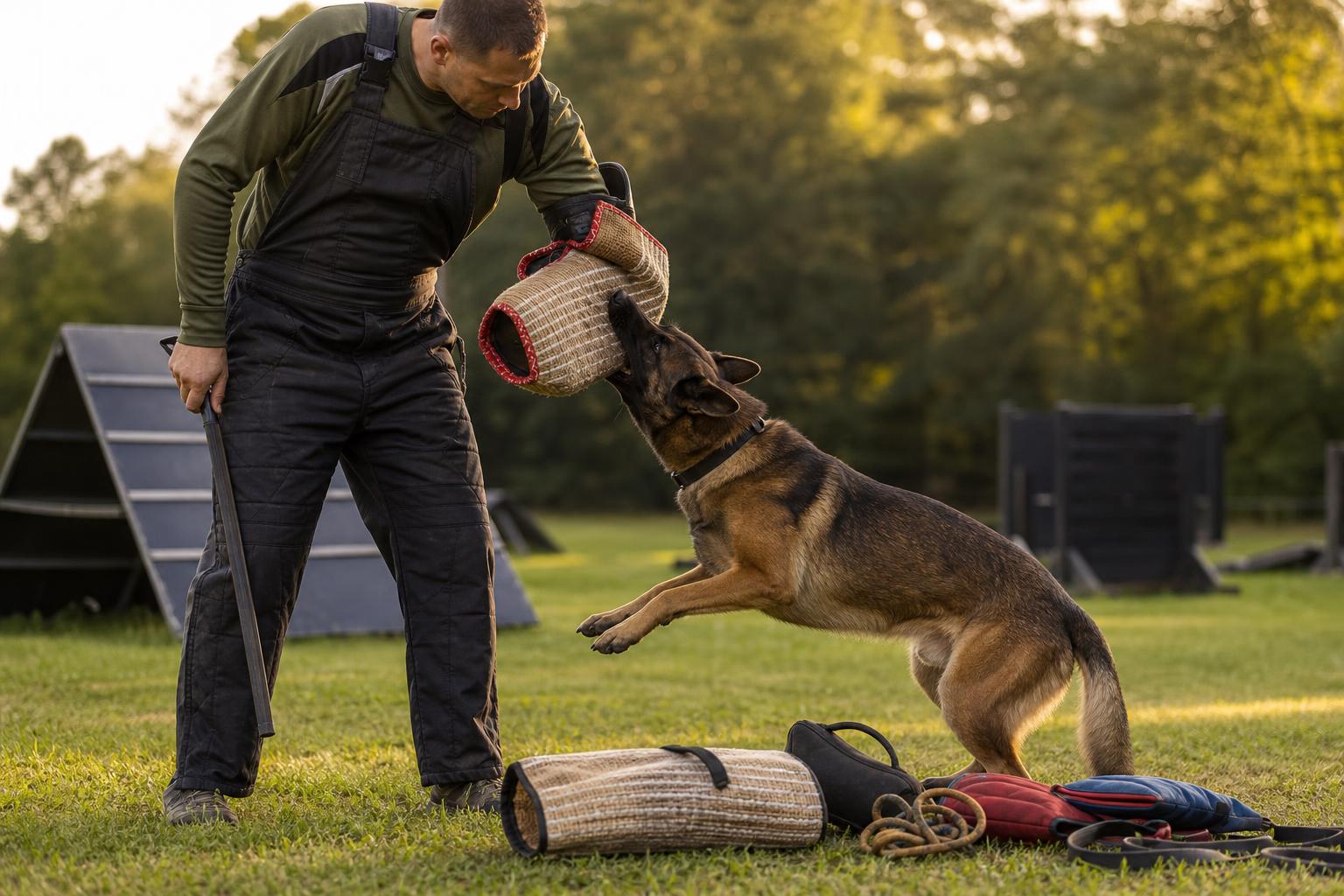
Bite sleeves bring structure to the next phase. They introduce the dog to a more formal target, and they help develop grip quality under pressure. Sleeves can be soft for young or inexperienced dogs, intermediate for transitioning animals, or more rigid for advanced work. The type matters. So does the person wearing it. A sleeve in unskilled hands can teach a dog all the wrong lessons, from poor targeting to hectic, frantic biting.
The reason experienced trainers respect sleeve work is that it allows the dog to learn how to commit to a man-focused picture while still receiving a safe, manageable reward. A sleeve can help channel prey into a more serious presentation, and later, under the guidance of a qualified decoy, support defense and civil work depending on the dog’s role. But that progression should never be rushed. If the foundation on tugs is weak, the sleeve often exposes it.
Grip Matters More Than Noise
One of the easiest mistakes for beginners is confusing excitement with quality. A barking, lunging dog may look impressive, but if the bite is shallow, nervous, or constantly regripping, there is work to do. What you want to see is a calm, full grip with commitment behind it. A good dog should drive into the bite, not just hang on the end of it. Sleeve training is where that truth becomes impossible to ignore.
That kind of bite is built, not wished into existence. It comes from good development on tugs, fair pressure, proper presentation, and a decoy who understands timing. Sleeve work should reveal the dog’s strengths while polishing the weak spots, not simply fire the animal up for show.
Choosing the Right Bite Sleeve or Tug
Not every dog needs the same gear. Size, age, training stage, and working goals all matter. A young prospect may do best with a soft wedge or puppy tug that encourages possession and confidence. A more mature dog transitioning to formal bite development may need a soft sleeve that supports good mechanics without overwhelming him. Advanced dogs in protection sports or service roles may work on specialized sleeves designed for specific grips, pressure, and targeting.
Material and construction matter more than some folks realize. Cheap gear breaks down, and when it does, training quality goes with it. Handles should feel secure, stitching should hold under pressure, and the bite surface should match the lesson you are trying to teach. A tug that is too small can encourage poor mouth placement. A sleeve that is too hard too soon can make a dog defensive or hesitant. Good equipment does not replace good training, but bad equipment can absolutely interfere with it.
Fit the Tool to the Dog, Not the Ego
This is where experience saves a lot of frustration. Handlers sometimes choose equipment based on what looks serious instead of what develops the dog. The dog, meanwhile, was still trying to sort out how to bite cleanly and push with confidence. Training should meet the dog where he is. If that means going back to a tug, a wedge, or a softer presentation, then that is the right move.
Safety and Handling Considerations
Bite sleeves and tug equipment can build a fine working dog, but they demand discipline. Safety starts with the dog’s body and the handler’s judgment. Sessions should be short enough to preserve quality and long enough to create a clear lesson. Young dogs should not be jarred, twisted, or allowed to hang awkwardly. Older dogs need conditioning and proper warm-up just like any athlete. Teeth, neck, shoulders, and spine all deserve respect.
The human side matters too. A tug session may look casual, but sloppy handling can teach possession problems, dirty outs, or conflict around rewards. Sleeve work raises the stakes further. Decoy movement, pressure, catch placement, and release mechanics all need to be deliberate. If you are new to this side of working dog training, seek guidance before stepping into advanced bite work. There is no shame in learning from people who have already made the mistakes.
Building Control Alongside Drive
The best working dogs are not the wildest ones. They are the dogs that can move from arousal to obedience without losing clarity. That is one reason tugs and sleeves matter so much. They allow you to teach the dog that drive is not separate from control. The same dog that bites hard must also out cleanly, re-engage when asked, and settle when the work is done.
That balance shows up everywhere. A dog that can tug with intensity and release on command usually learns faster in other areas too. The handler becomes part of the reward picture, not an obstacle standing between the dog and the fun. Over time, that relationship produces a dog that is stronger mentally, cleaner in mechanics, and more useful in real work.
Out in the training field, and even more in practical hunting and protection contexts, that steadiness counts. Nerve, confidence, and control are what hold together when weather turns rough, distractions pile up, and the dog has to think under pressure. Bite sleeves and tug equipment are only tools, but in skilled hands they help forge exactly those traits.
If you are serious about developing a working dog, do not overlook the basics. Bite sleeves and tug equipment are not shortcuts, and they are not props. They are teaching tools that shape how a dog grips, carries pressure, and connects with the handler. Start with the dog in front of you. Build confidence before conflict. Reward full, committed bites. Protect the dog’s body and mind. And above all, remember that progress in working dogs is usually quieter and steadier than people expect.
A well-made tug in experienced hands can tell you a lot about a dog. A properly presented sleeve can tell you even more. The trick is knowing what you are looking at and having the patience to build it right. That patience is what separates a flashy performance from a truly dependable working partner.