Protection Dog Bite Suits: More Than Just Padding
A bite suit is specialist protective equipment used within a controlled training exercise. Its fit, condition, and design affect both the decoy’s movement and the dog’s work. Selection and use belong with people trained for that role.
That is why choosing a protection dog bite suit deserves more thought than many people give it. For handlers and dog owners interested in working dogs, this is one purchase that should be made with clear eyes and a practical mindset.
What a Protection Dog Bite Suit Is Designed to Do
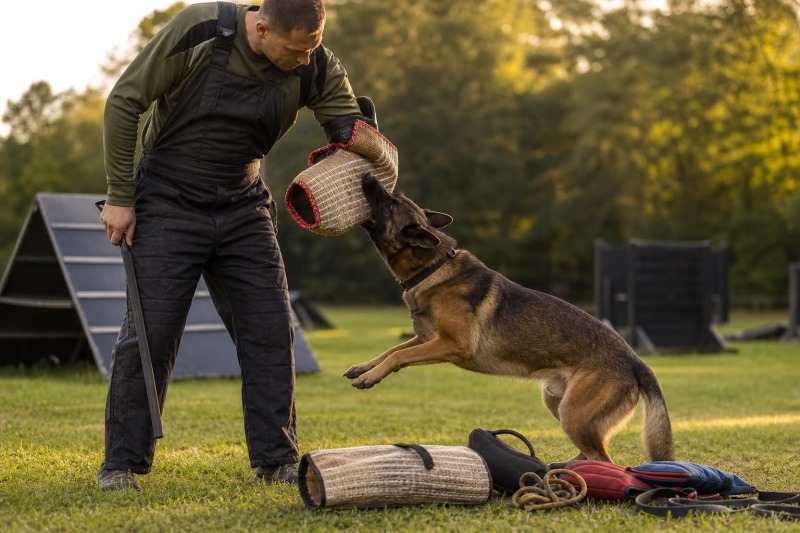
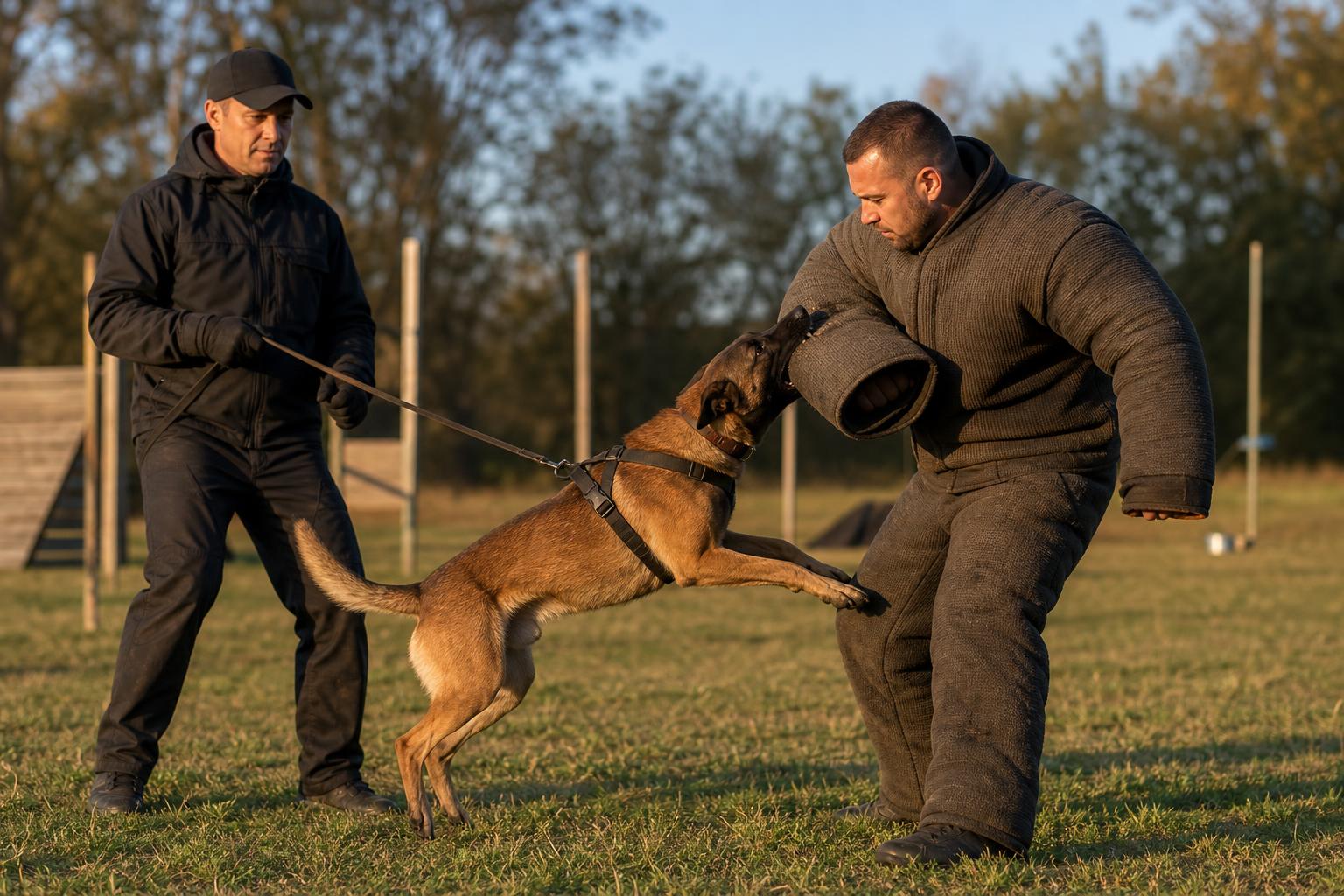
At its core, a protection dog bite suit gives the decoy full-body protection while allowing the dog to target arms, legs, torso, or other presented areas in a controlled training setting. Unlike a simple bite sleeve, the suit expands the picture. The dog learns to engage a human form rather than just hunting for a single visible target.
That matters in protection training. Whether the dog is being developed for sport, personal protection, police-style scenarios, or advanced control work, the suit changes the conversation. It helps build realistic targeting and teaches the dog to commit under movement, pressure, and environmental distractions. A skilled decoy can use the suit to reward clean entries, challenge weak grips, and show the dog how pressure feels without crossing the line into unfairness.
But the suit is not magic. It does not replace good decoy work, good timing, or good dog reading. In truth, the best bite suit in the world cannot fix poor technique. It only gives a capable trainer the tools to do the job safely and effectively.
Why Suit Work Changes a Dog’s Picture
Dogs are honest about what they see and feel. A sleeve-focused dog may look powerful until the picture changes. Put that same dog on a full suit with a moving decoy, hidden angles, and less obvious presentation, and suddenly you find out what is real. Suit work can expose weak nerves, shallow commitment, hectic grips, and avoidance. It can also reveal a dog with true intent, balance, and nerve strength.
That is one reason experienced handlers introduce suit work carefully. You want the dog to understand the game, not get lost in it. The transition from rags and tugs to sleeves and then to a protection dog bite suit should make sense to the dog at every stage.
Key Features to Look for in Protection Dog Bite Suits
Not all bite suits are built the same. Some are made for young dogs and foundation development. Others are designed for powerful adult dogs that hit hard and stay committed. The first thing to consider is bite surface. You want material that gives the dog a fair, satisfying grip without encouraging chewing or slipping. If the surface is too hard, many dogs will punch and come off. If it is too soft or unstable, grips can get messy.
Fit matters just as much as material. A decoy needs to move naturally. If the suit binds at the shoulders, bunches at the elbows, or hangs loose in the legs, the picture becomes unnatural. Dogs notice that. Decoys feel it too, especially after several rounds with a hard-driving dog. Mobility, balance, and proper range of motion are not luxuries. They are central to good work.
Protection level is another major factor. Some suits are lighter and better for young dogs, faster decoy movement, and more active presentations. Others are heavier, offering more protection against crushing grips and repeated impact. A beginner often assumes more padding is always better. In practice, too much suit can dull the feedback and create clumsy movement. You need enough protection to be safe, but not so much that the decoy looks and moves like a padded scarecrow.
Construction quality should never be overlooked. Strong stitching, durable bite panels, secure closures, and replaceable components can make the difference between a suit that lasts through hard training and one that starts failing at the seams after a short season. When a dog hits with full intent, weak gear gets found out in a hurry.
Choosing the Right Bite Suit for Your Training Goals
The best protection dog bite suits match the work being done. A dog just beginning civil agitation or advanced targeting may do better on a lighter, more forgiving suit that rewards clean engagement. A mature working dog with full grips and serious power may require a heavier setup to keep the decoy safe during repeated sessions.
If your focus is sport training, you may want a suit that allows quick movement, clear presentations, and precision in rewarding grips. If you are training for personal protection or scenario-based work, realism becomes more important. The suit still has to protect the decoy, but the movement pattern, targeting opportunities, and overall picture should reflect the dog’s future job.
Some dogs need confidence built through success. Others need to be challenged without creating conflict. A thoughtful trainer chooses a bite suit the same way a hunter chooses boots for terrain. You pick what fits the conditions, not what looks toughest in the catalog.
Young Dogs Versus Finished Dogs
Young dogs often need cleaner pictures and more accessible targets. Finished dogs can handle more pressure, more realism, and less obvious reward placement. That does not mean every young dog belongs on a soft suit or every finished dog needs the hardest equipment available. It means the suit should support the developmental stage of the dog. When the equipment gets ahead of the dog, training can stall or slide backward.
The Role of the Decoy Matters as Much as the Suit
A bite suit is only as useful as the person inside it. That is a hard truth, but a necessary one. A skilled decoy knows how to carry pressure, present targets, absorb impact, and read a dog in motion. He knows when to let a dog win, when to test commitment, and when to shut a session down before confusion or bad habits set in.
Dogs learn from every repetition. If the decoy is late, unfair, or clumsy, the suit will not save the session.
For dog owners new to working dogs, this is worth remembering. Buying quality gear is smart. Expecting gear to replace experienced hands is not.
Safety, Maintenance, and Long-Term Value
Safety starts before the dog ever bites. The suit should be inspected regularly for worn seams, thinning bite areas, loose straps, and damaged closures. Sweat, dirt, weather, and repeated compression all take a toll. A wet suit that is never dried properly will break down faster and become miserable to wear. A suit tossed in the corner of the kennel room after every session will not hold up like one that is cleaned, aired out, and maintained.
There is also the matter of fit over time. Padding compresses. Panels soften. What felt secure when new may change after months of heavy work. Decoys should pay attention to how the suit is wearing and whether protection remains consistent in high-impact areas.
Good bite suits are not cheap, and they should not be. You are paying for safety, durability, and training function. It is better to buy one solid suit that matches your needs than to chase bargains and replace poor gear every year. Cheap protection gear has a way of becoming expensive when it fails at the wrong moment.
Common Mistakes Buyers Make
The most common mistake is buying by appearance instead of purpose. New handlers often choose the thickest, most aggressive-looking protection dog bite suit they can find, assuming it must be the best. Sometimes that heavy suit is exactly wrong for their dog, their decoy, and their training goals.
Another mistake is ignoring the dog’s grip style. A dog with naturally full, calm grips may work beautifully on equipment that would frustrate a dog that is still learning commitment. The reverse is also true. Equipment should help shape the grip you want, not reinforce the grip problems you already have.
There is also a tendency to rush into suit work too early. A dog that does not yet understand targeting, possession, and pressure may be overwhelmed by a full-body picture. Foundation matters. Every seasoned dog man learns that sooner or later, usually after trying to skip a step and watching the dog tell the truth about it.
Protection dog bite suits are serious tools for serious work. They protect the decoy, broaden the dog’s understanding, and allow training that goes beyond basic sleeve fixation. But they need to be chosen with care. Material, fit, protection level, and intended use all matter. So does the person wearing the suit, and so does the dog biting it.
Out in the field, whether behind a kennel, on a training lot, or on cold morning ground where breath hangs in the air, working dogs have a way of exposing shortcuts. They tell you when the gear is wrong. They tell you when the pressure is unfair. And when everything lines up, they also show you what good training looks like. A well-chosen protection dog bite suit becomes part of that picture. Not flashy. Not magical. Just dependable gear doing exactly what it is supposed to do.