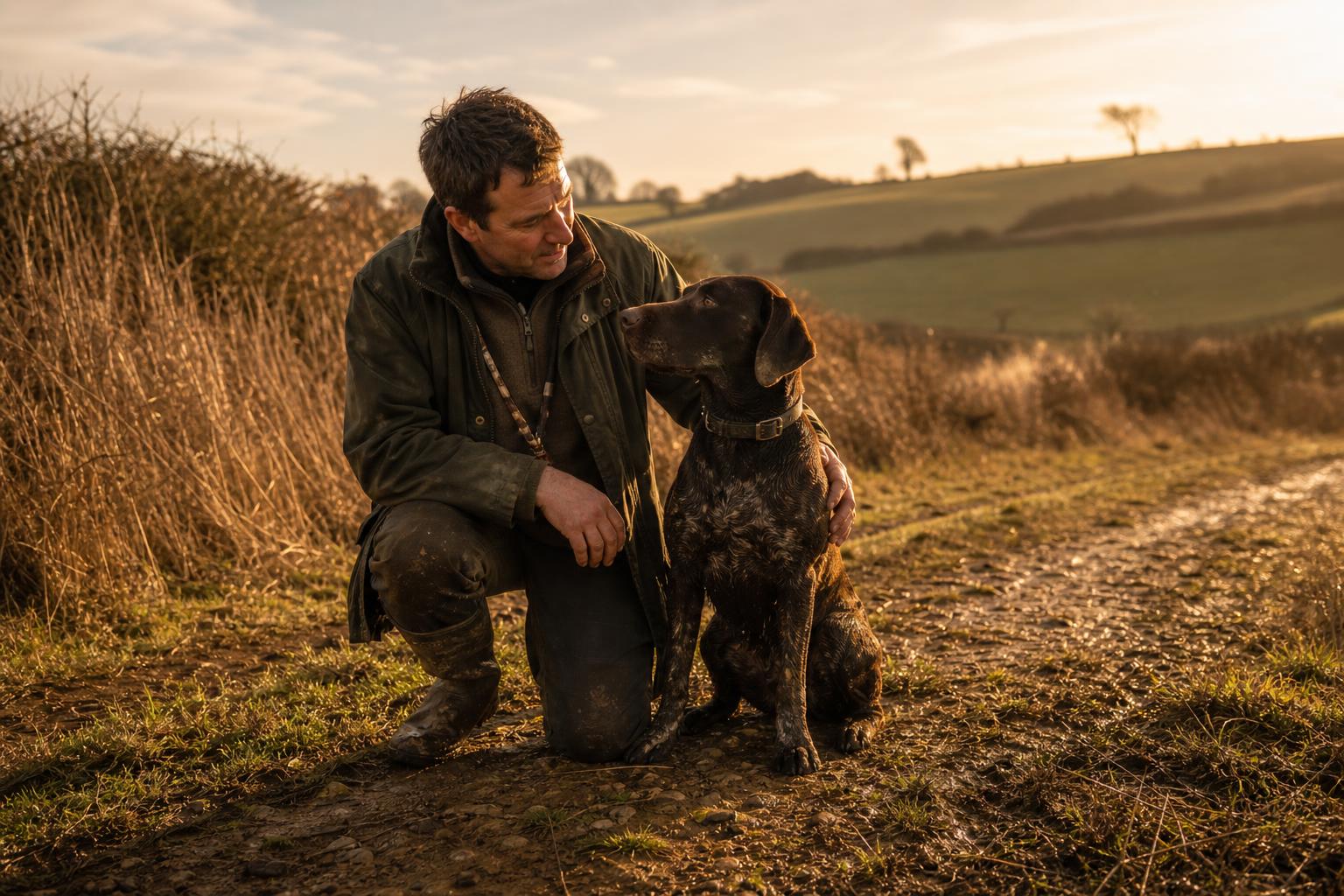
There is a difference between owning a dog and depending on one. Folks who live with working dogs know that truth in their bones. When a dog has a job to do, whether that means finding birds in thick cover, tracking wounded game, guarding stock, or handling daily chores on a farm, the relationship moves past simple companionship. It becomes a partnership. The bond between working dogs and humans is not built in a single day, and it is not held together by affection alone. It is earned through repetition, patience, correction, praise, hard weather, long mornings, and shared purpose.
A working dog does not care much for speeches. He learns what you mean through consistency, tone, and trust. In time, he begins to read you so well that your body language speaks louder than words. That kind of understanding does not come from convenience. It comes from living and working side by side.
More Than Ownership: A True Working Partnership
People outside the working dog world sometimes think these dogs are all about commands and control. That misses the heart of it. A reliable working dog is not a machine following instructions. He is a thinking, feeling animal bred for drive and shaped by guidance. The best ones bring initiative to the table. They solve problems, make adjustments, and stay engaged because they understand that they are part of the work.
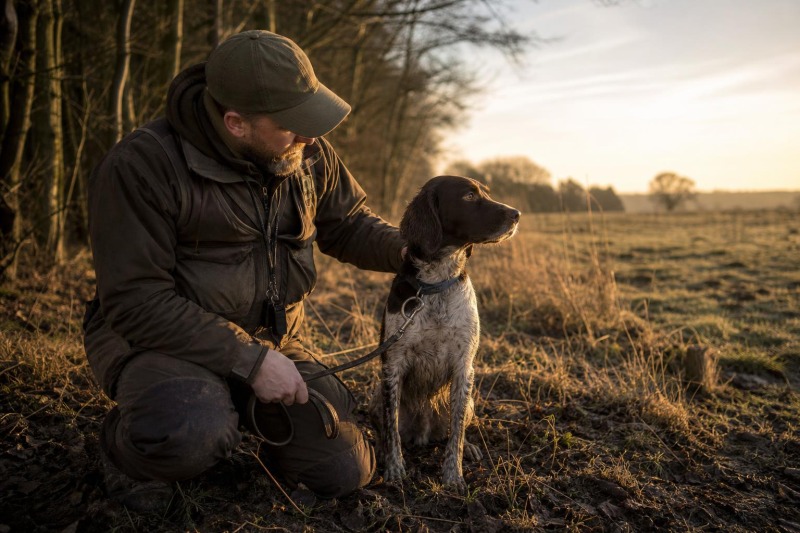
That is why the bond matters so much. A dog that trusts his handler will push into heavy cover, take a difficult line, and stay steady under pressure. He does it not because he is forced, but because experience has taught him that the person at his side is worth following. On the human end, that trust runs just as deep. A seasoned handler learns when to give a dog room, when to step in, and when to stay quiet and let instinct do its job. In the field, too much interference can be just as harmful as too little guidance.
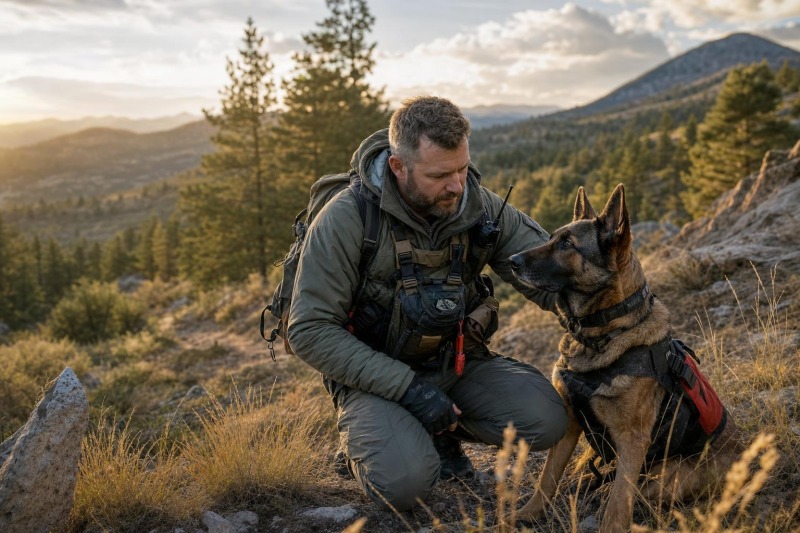
This connection often looks subtle from the outside. It might be a glance, a whistle, a hand signal, or the way a dog checks back without being asked. To someone who has never worked behind a dog, those moments can seem small. To those of us who have, they say everything. They show that dog and handler are tuned to one another in a way that can only be developed over time.
How Trust Is Built Between Working Dogs and Humans
Trust is the cornerstone of every good working dog relationship. It starts early, often in the yard or kennel, long before serious work begins. The dog learns that your commands mean something, that fairness matters, and that pressure is followed by clarity. He learns that praise is honest and correction is not random. In other words, he learns that you are dependable.
Too many people focus on obedience as if that alone creates a finished dog. Obedience is important, no question, but trust is what gives obedience life. A dog may sit, stay, and come on command, yet still lack confidence in stressful situations if the relationship underneath is weak. A truly bonded working dog carries himself differently. He knows where he stands. He understands the rules, and he believes his handler will lead him through confusion rather than abandon him to it.
That trust deepens through shared experience. The first hard retrieve, the first clean track, the first day handling distractions in real-world conditions—those moments shape the dog’s understanding of work and of you. Success matters, but so does the way you handle setbacks. Dogs remember frustration. They also remember patience. If you guide a dog through mistakes with steadiness instead of anger, he grows bolder and more willing. That confidence becomes part of the bond.
Consistency Matters More Than Volume
One of the biggest lessons field work teaches is that dogs respond to consistency better than noise. You do not build a strong working relationship by barking commands all day. You build it by meaning what you say every time. The same standard in training, the same tone when giving direction, the same follow-through when a command is issued—those habits create security for the dog.
A dog that knows what to expect becomes easier to handle and more eager to work. He is not guessing. He is not worried about shifting rules. He can focus on the task because the relationship is stable. That stability is one of the clearest expressions of respect a handler can offer.
The Role of Purpose and Instinct
Working dogs are different because they are bred with a purpose in mind. Good breeding gives you raw material: drive, nerve, focus, endurance, scenting ability, biddability, grit. But breeding alone does not produce partnership. Purpose has to be channeled. That is where the human side enters the picture.
A bird dog that burns to hunt still needs direction to become useful. A stock dog with natural balance still needs guidance to handle pressure correctly. A tracking dog with a fine nose still needs discipline to stay methodical when excitement rises. The bond between dog and handler grows when instinct and structure meet. The dog brings what generations have written into him. The handler shapes that into practical skill.
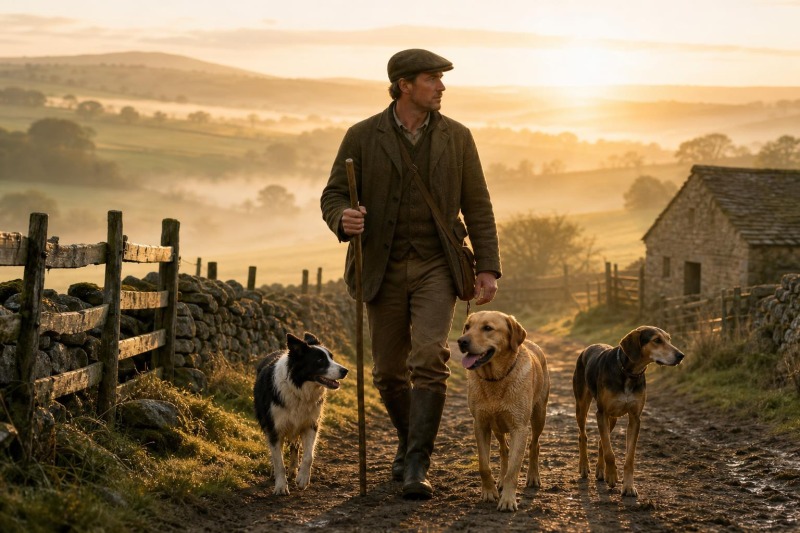
When that process goes right, the result is something remarkable to watch. You see a dog doing exactly what he was meant to do, yet doing it in harmony with a human partner. There is beauty in that, and not just for sporting reasons. It speaks to an older relationship, one that reaches back through farms, camps, hunts, and homesteads where dogs were never ornamental. They were needed. And because they were needed, they were valued in a deeper way.
Life Beyond the Job
One mistake people make is assuming that working dogs only connect with humans through labor. In truth, the daily routines surrounding the work matter just as much. Feeding, grooming, kennel care, travel, quiet evenings, and recovery after a demanding day all build relationship. A dog learns your rhythms. You learn his moods. Over time, familiarity turns into understanding.
That is the thing about a real working bond: it does not switch on only when a task begins. It runs through daily life.
For dog owners interested in working dogs, this is an important point. If you want a dog that gives you everything in the field or on the job, you cannot treat him like a tool the rest of the time. Care, structure, and presence matter. A dog that lives in meaningful contact with his handler usually works with more confidence and composure than one kept at arm’s length.
Respect Runs Both Ways
Good handlers talk a lot about control, but the better ones understand respect. Respect means asking for standards while recognizing the dog’s effort and nature. It means knowing when fatigue is affecting performance. It means reading confusion before it turns into failure. It means understanding that pressure has its place, but so does encouragement.
Working dogs give us an honest effort. They do not posture. They do not make excuses. When they struggle, it is usually because communication broke down, training was rushed, or the demand outpaced their understanding. Respectful handlers notice those things and adjust. That is how trust survives challenge.
Why This Bond Still Matters Today
Modern life has changed a lot, but the importance of the human-canine working relationship has not faded. If anything, it deserves more appreciation. In a time when many dogs are bred and kept without regard for purpose, working dogs remind us what a clear role can do for an animal’s mind and spirit. These dogs often thrive when they have direction. They want to engage, solve, search, carry, flush, trail, guard, and retrieve. Work meets a need in them that a purely idle life may never satisfy.
For humans, the reward is just as meaningful. Working with a dog teaches patience in a way few things can. It humbles you. It sharpens your observation. It forces honesty, because a dog reflects your consistency, your timing, and your temperament. When things click, there is no faking it. You feel the connection in real time, whether it is a clean cast, a steady hold, a flawless track, or the silent confidence of a dog waiting for the next cue.
That is why so many of us remember certain dogs for the rest of our lives. Not because they were perfect, but because they shared the work. They met us out there in the wind, the dust, the rain, and the cold. They learned our habits and forgave our mistakes. They trusted us enough to follow direction, and we trusted them enough to let instinct lead when the moment called for it. That kind of bond leaves a mark.
The bond between working dogs and humans is one of the oldest and most practical relationships in the world, but it is also one of the most personal. It is built with time, tested through work, and deepened by mutual reliance. At its best, it is not about domination or sentimentality. It is about partnership rooted in trust.
If you are raising, training, or simply learning about working dogs, remember that the strongest results come from more than commands. They come from showing up day after day with fairness, patience, and purpose. Dogs understand far more than many people give them credit for. When they know they can count on you, they will often give you a level of loyalty and effort that is hard to put into words.
Out in the field, where conditions strip things down to what is real, that truth becomes plain. A good working dog is not just beside you. He is with you. And if you have been lucky enough to know such a dog, you already understand that the bond is not something you own. It is something you earn.