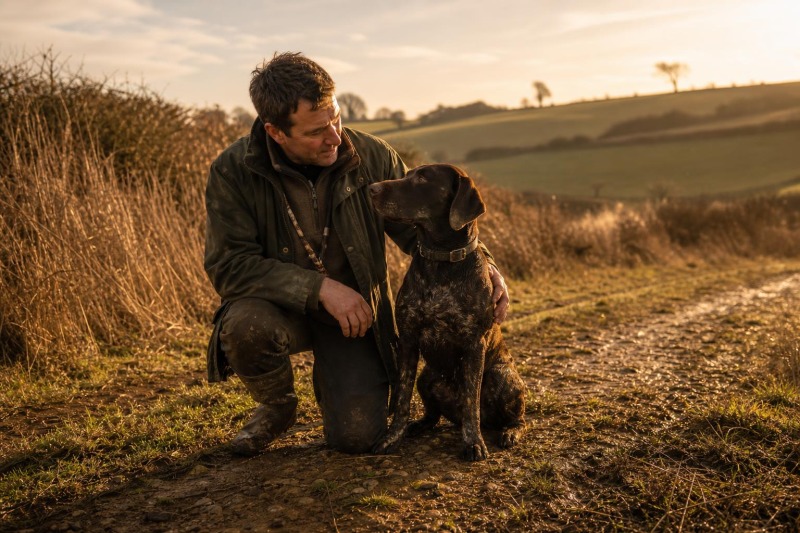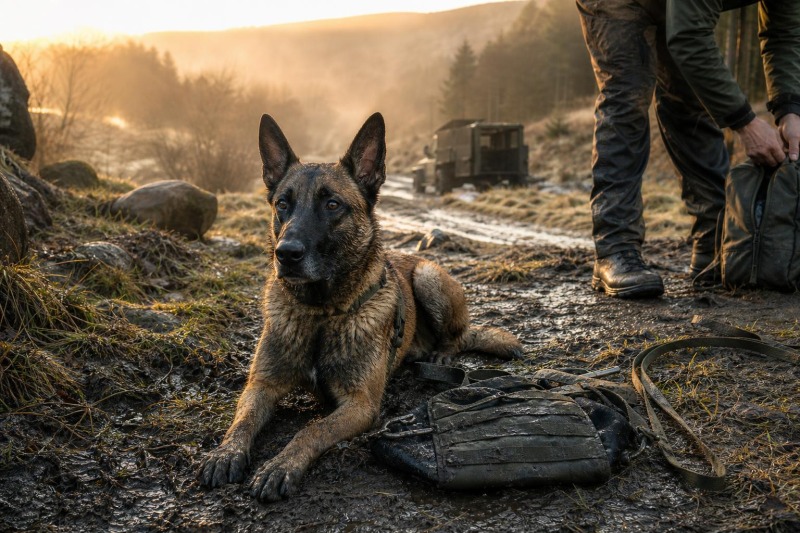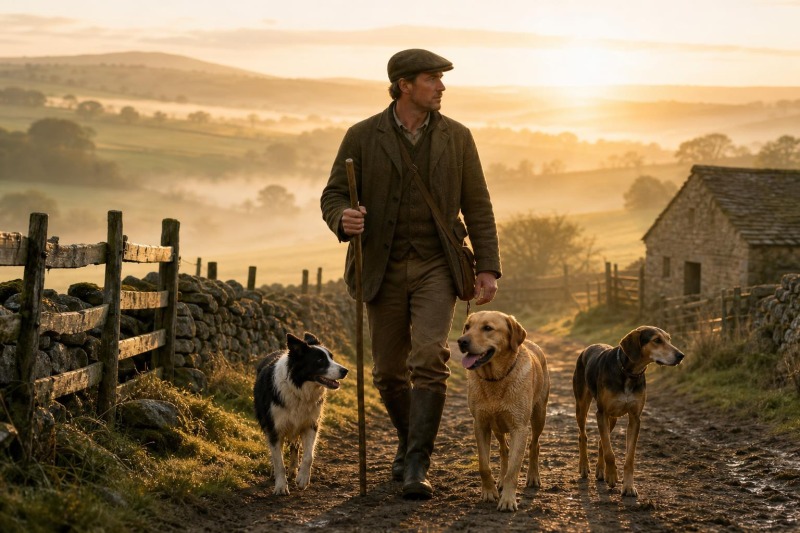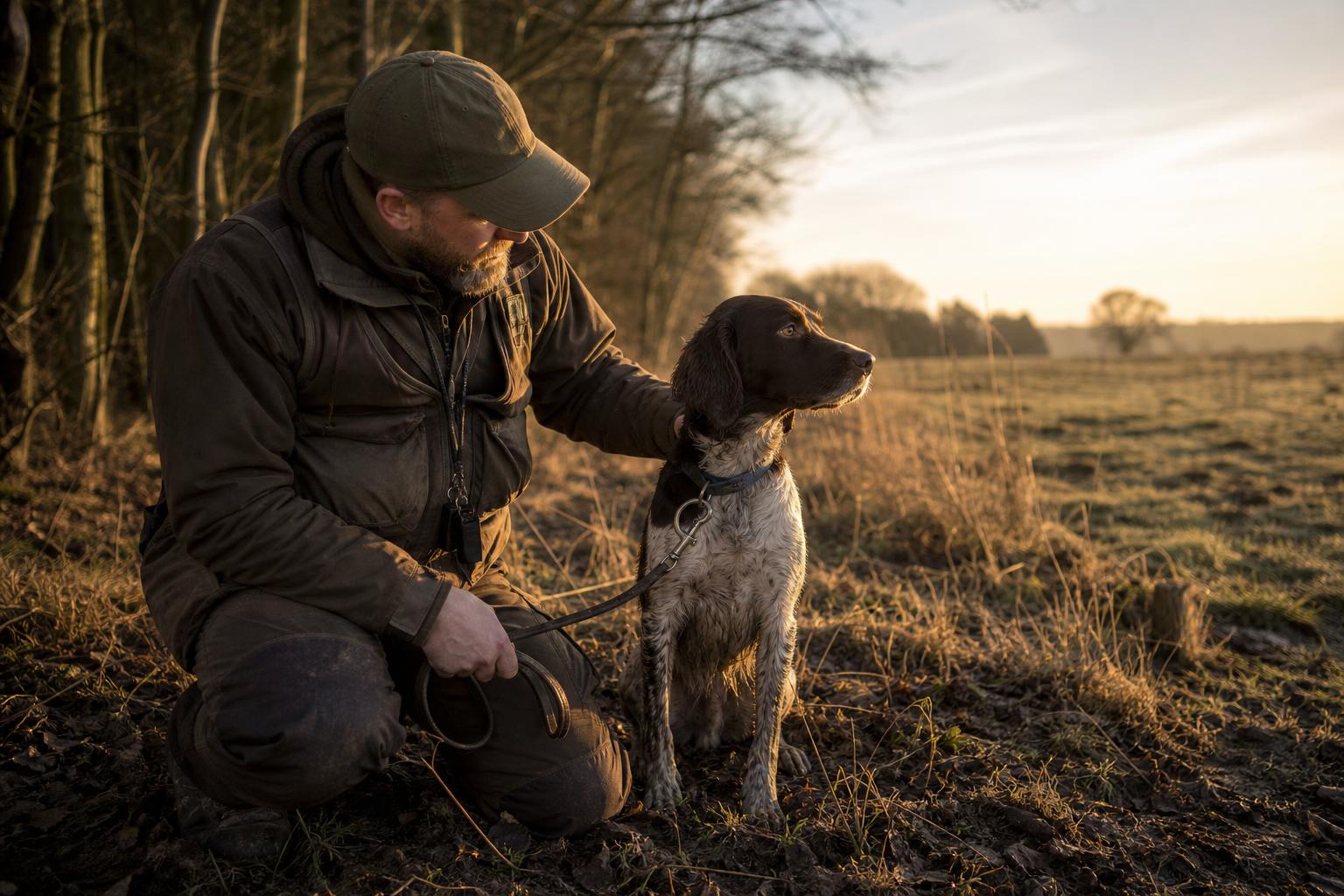
There is a big difference between owning a working dog and truly understanding the responsibility that comes with one. Folks admire the drive, the intelligence, and the grit. They like watching a dog quarter a field with purpose, trail wounded game through rough cover, guard stock in bad weather, or throw its whole body into a job without hesitation. What gets missed too often is the ethical side of that picture. A good working dog is not a machine, not a disposable tool, and not a shortcut to human ambition. If we are going to ask dogs to work for us, then we owe them a standard of care, training, and respect that matches the trust they give us.
They are the ones who understand the dog in front of them. They know when to push and when to back off. They know the difference between pressure that teaches and pressure that breaks spirit. That is where the ethics of working dogs begin. Not in slogans. In daily choices.
What Do We Mean by the Ethics of Working Dogs?
When we talk about ethics, we are really talking about fairness and duty. A working dog may be a retriever, herding dog, tracking dog, protection dog, sled dog, livestock guardian, or a hunting companion bred for generations to perform a task. The work itself is not the problem. In many cases, meaningful work is exactly what gives these dogs a full and satisfying life. The ethical question is whether the dog’s work is suited to its body, mind, temperament, and condition, and whether the human behind that work is acting responsibly.
A dog that loves its job is a beautiful thing to witness. You can see it in the way a seasoned retriever trembles on the line before a send, or the way a stock dog locks in with intensity but stays tuned to the handler. Purpose matters to these animals. But purpose alone does not excuse poor treatment. A dog can be eager and still be overworked. It can be talented and still be mishandled. It can be bred for the task and still be failed by the person holding the lead.
Work Should Fit the Dog
One of the first ethical obligations of any owner is to match the job to the dog. That sounds obvious, but it gets ignored all the time. Some people buy a high-drive dog because they admire the image of one, then become frustrated when the animal behaves exactly as its breeding suggests. Others force a dog into work it is not mentally suited for because they are chasing titles, status, or a personal idea of toughness.
Not every dog is built for every task, and not every individual within a breed has the same level of resilience, nerve, stamina, or desire. Ethical handling starts with honesty. If a dog lacks the confidence for protection work, then asking it to keep doing that job can become cruel. If a dog is physically unsound, no amount of wishful thinking turns it into a candidate for hard field work. If heat, age, or injury are telling you a dog needs rest, the right answer is rest.
That is often when the handler has to be the adult in the room. The dog will run through pain for you. Ethics means not letting loyalty become self-destruction.
Drive Is Not Permission to Exploit
High drive can fool people. A dog that launches into every retrieve or charges into cover all day can make a handler believe there is no limit worth respecting. That is dangerous thinking. Dogs often work through fatigue, soreness, dehydration, and stress because the reward structure and instinct are strong. Just because a dog will do it does not mean it should. Ethical work includes hydration, conditioning, weather awareness, recovery time, and the discipline to call it a day before the dog pays the price.
Training Methods and Moral Responsibility
Any honest discussion about working dog ethics has to include training. This is where character shows. Training should build clarity, confidence, and consistency. It should not be an outlet for human impatience. A good working dog needs standards, structure, and accountability, but those things are not the same as cruelty. Too many people hide poor timing, anger, or ignorance behind the language of toughness.
Firm training is sometimes necessary. Dangerous work, livestock pressure, gunfire, distance control, and high-stakes environments demand reliability. But ethical training asks whether the dog understands what is being asked, whether the correction fits the situation, and whether the handler has earned the right to demand that level of performance. Confusion punished as disobedience is one of the oldest sins in dog work.
Fairness is everything. A dog can handle a lot when the rules are clear and trust is intact. Once training becomes fear-based, random, or ego-driven, you may still produce compliance, but you do it at the expense of the animal. And often, you lose the very qualities that make a working dog special: initiative, confidence, and heart.
Breeding, Culling, and the Hard Questions
Ethics also starts long before a pup ever sees a field. Breeding working dogs carries serious responsibility. If you breed for extreme drive without soundness, stability, or recoverability, you are setting dogs and owners up for failure. If you ignore hips, elbows, eyes, genetic disease, or weak nerves because a dog can still win or perform, you are passing the bill to the next generation.
Good breeding is not just about preserving ability. It is about preserving dogs that can live workable, manageable, humane lives. Temperament matters. Health matters. Structural soundness matters. There is nothing ethical about producing dogs whose bodies break down early or whose minds are too unstable for the work being demanded of them.
The harder conversations come when a dog is not suitable for the intended job. Ethical people do not dump that dog, neglect it, or pretend it can be fixed by force. Some dogs can be redirected into different roles. Some belong in pet homes with honest disclosure. Some should never be bred, no matter how attractive they look on paper. Integrity in working dogs means telling the truth, especially when the truth costs you something.
Welfare Beyond the Job
A working dog’s quality of life cannot be measured only by performance. Shelter, nutrition, veterinary care, safe housing, social contact, and mental decompression all matter. There are still folks who talk as if a hard kennel life automatically makes a hard dog. A dog can live in excellent condition and still be tough, useful, and focused. In fact, that is usually the dog that lasts.
There is also an ethical duty to let dogs be dogs when the work is done. They need recovery. They need space to rest. They need humane transport and sensible schedules. They need handlers who notice the quiet signs of stress, pain, or burnout before those signs turn into injury or behavioral fallout. A working dog is a partner, not a piece of equipment to be stacked in the shed after the day is over.
Retirement Is Part of the Ethical Contract
One of the clearest measures of a handler’s ethics is how they treat a dog at the end of its working life. A dog that gave you its prime years deserves dignity when age catches up. Retirement should not feel like abandonment. Maybe that means shorter outings, lighter duties, a place by the fire, or simply the comfort of still belonging. We owe old workers peace, patience, and gratitude. If a dog spent years carrying your ambitions, the least you can do is carry it gently into its final chapter.
The Public Image of Working Dogs Matters Too
There is another layer to this discussion, and it matters more than many handlers admit. How we present working dogs to the public shapes whether these traditions keep their legitimacy. If outsiders see dogs driven past reason, trained with visible anger, or kept in poor conditions, they will not separate the bad actors from the responsible majority. Ethical standards protect dogs first, but they also protect the future of hunting, stock work, and every legitimate task these dogs perform.
That means handlers need to be ambassadors whether they like it or not. Explain the work. Show the care behind it. Be honest about the demands and the responsibility. When done right, working dogs are not victims of purpose. They are animals living close to their design, guided by people who respect that design enough to put boundaries around it.
Respect Is the Bottom Line
Respect for breeding, for instinct, for limits, for health, and for the bond that makes the whole enterprise possible. A working dog gives you effort that cannot be bought in any ordinary sense. It gives trust under pressure. It gives courage in ugly weather and rough country. That kind of loyalty should never be answered with carelessness.
If you own a working dog, whether it hunts, herds, guards, tracks, or retrieves, your job is bigger than getting results. Your job is to make sure the dog’s life is worthy of the work you ask from it. That means choosing humane training, honest breeding, proper care, and restraint when pride tells you to ask for one more run. The ethics of working dogs are not complicated in theory. In practice, they demand humility.
And maybe that is the real test. Not whether a dog will work, but whether we deserve the privilege of asking it to.