A career with working dogs requires a clear idea of the role and its everyday demands. Training skill, animal care, communication, and the relevant entry requirements all matter. Time spent learning the routine work is as useful as watching the finished performance.
For dog owners interested in working dogs, the good news is this field is broader than most people think. There is room for trainers, handlers, breeders, kennel operators, guides, dog sport professionals, conservation-minded hunting instructors, and specialists in detection, tracking, and protection work. The road is not always straight, and it is rarely glamorous in the beginning, but it can become deeply rewarding if you approach it with realism and patience.
What a Career With Working Dogs Really Looks Like
People often imagine dramatic moments: a pointer locking up on a covey, a retriever pushing through icy water, a stock dog turning stubborn cattle with a look and a few smart steps. Those moments are part of the life, and they are part of what draws people in. But a career with working dogs is more often built on repetition than excitement. It is cleaning kennels properly, keeping records, studying bloodlines, understanding behavior, managing clients, and knowing when a dog needs pressure and when it needs patience.
They wanted every training day to feel dramatic. In reality, most progress comes from quiet consistency. A career grows the same way. Whether you are training gun dogs, helping handlers prepare for tests, or raising puppies for future work, your reputation will come from steady results over time.
Passion Matters, but Competence Matters More
A man can talk all day about drive, pedigree, and instinct, but if he cannot read a dog in front of him, he is just making noise. That is one of the first truths anyone should accept. Passion gets you started. Competence keeps food on the table. If you want to work with dogs professionally, learn to observe. Learn gait, attitude, nerve, recovery, problem-solving, and the small changes that tell you whether a dog is progressing or sliding backward.
That kind of knowledge is not gathered from one seminar or one good season. It comes from exposure. Handle different breeds. Watch older trainers. Help at events. Ride along with outfitters. Volunteer on training days. Spend time with dogs that are naturally gifted and dogs that need careful development. The broader your experience, the stronger your foundation will be.
Career Paths in the Working Dog World
There is no single doorway into this field. Some folks begin with their own dog and slowly become the person others ask for help. Some grow up around hunting kennels, livestock, or service work. Others arrive from law enforcement, veterinary support, or dog sports and discover they prefer practical field work over the show ring or office life.
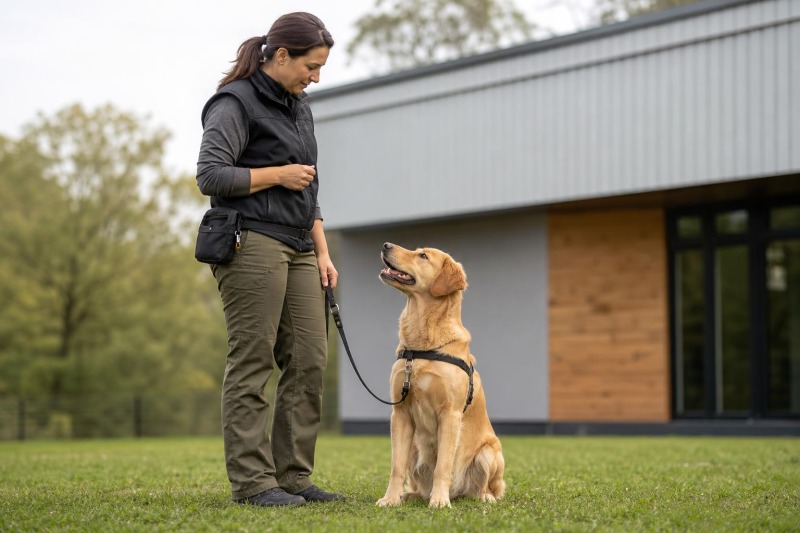
One common path is dog training. This can mean gun dog training, obedience foundations, field trial preparation, tracking, protection work, or specialized performance training. Training is often where serious dog people first test whether they can turn skill into income. It demands technical knowledge, emotional control, and communication skills with both dogs and clients. A trainer who understands dogs but cannot manage people will have a hard time staying in business.
Another path is breeding and puppy development. Good breeders who focus on working ability do much more than pair dogs with impressive pedigrees. They evaluate structure, temperament, health, and trainability. They invest in early socialization and place pups carefully. If you decide to move into breeding, remember that your name will travel with every litter. In the working dog world, a reputation for honesty is worth more than any polished sales pitch.
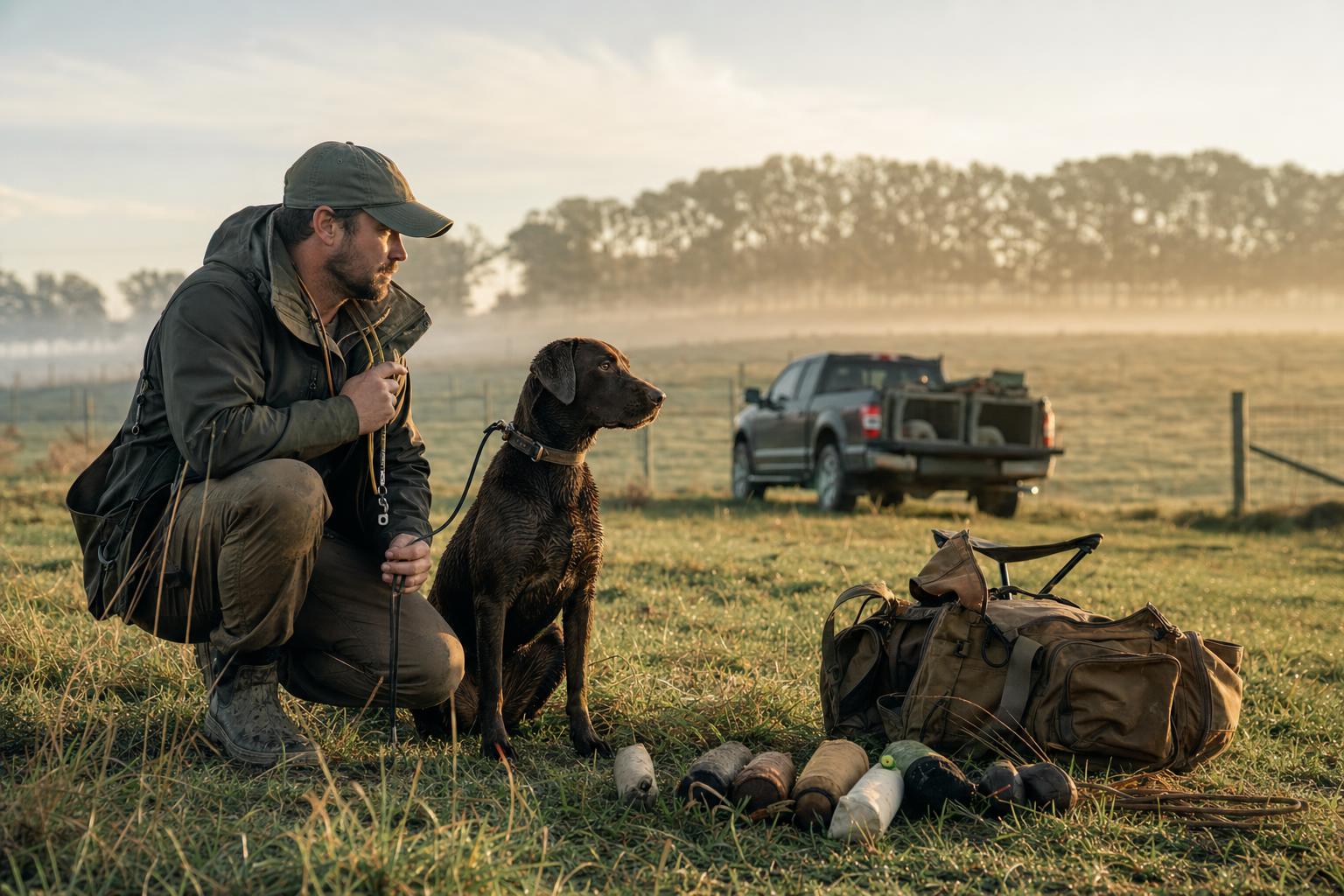
Guiding and outfitting can also overlap with working dogs, especially in hunting circles. A guide with seasoned bird dogs or retrievers offers more than access to game. He offers an experience shaped by trust, safety, and dog work clients will remember long after the trip. Kennel management, boarding for active working dogs, and conditioning programs can become part of that business as well.
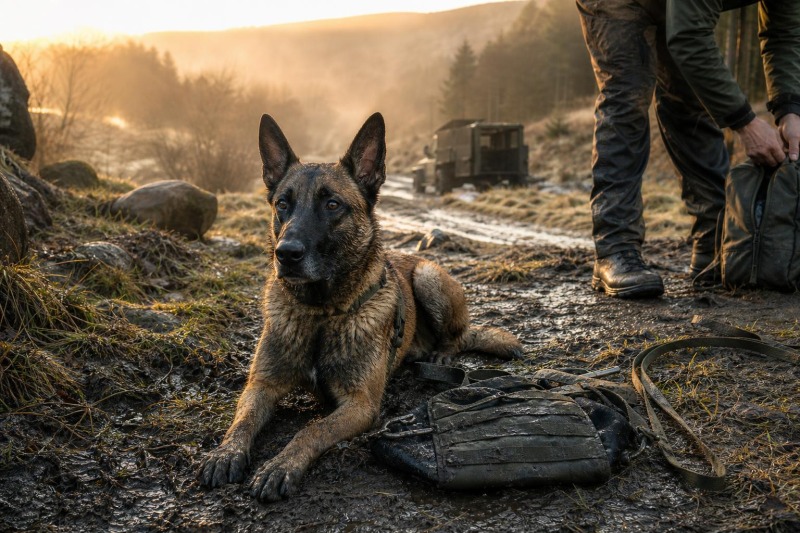
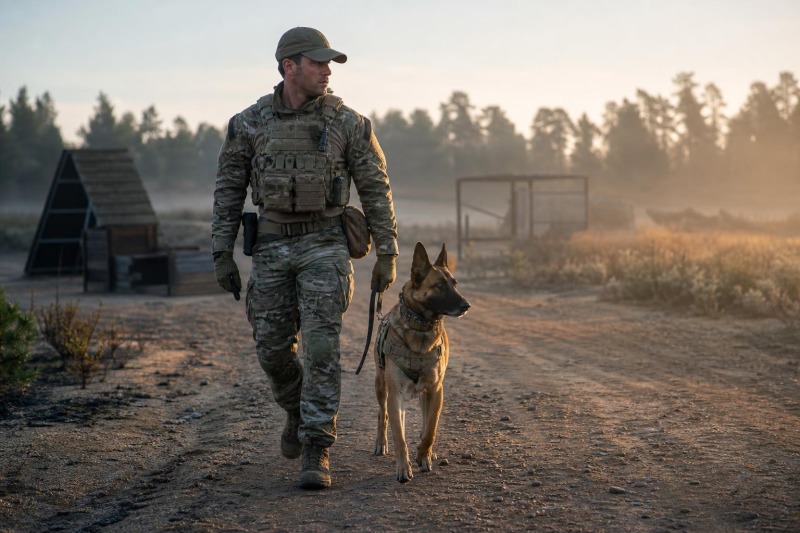
Then there are specialized roles in detection, search work, security, livestock handling, and conservation support. These fields often require formal credentials, apprenticeships, or agency-specific training, but the same principles apply. Reliable dogs are built by reliable people.
How to Get Started Without Wasting Years
The best start is usually a practical one. Begin close to the work. If you own a young dog with potential, commit to training it properly. Not halfway, not when it is convenient, but in a disciplined way. Your own dog will teach you a great deal about your habits, weaknesses, and patience. If you cannot bring one dog along thoughtfully, managing ten client dogs later will be a rude awakening.
At the same time, look for mentors. This matters more than almost anything else. A good mentor can shorten your learning curve by years, not because he gives you shortcuts, but because he helps you avoid foolish mistakes. The right trainer or handler will show you timing, standards, and judgment. He will also show you how much you still do not know, and that is healthy.
Learn the Business Side Early
Many talented dog people stumble because they ignore the business end. If you want a career with working dogs, study scheduling, pricing, insurance, contracts, kennel hygiene, customer communication, and local regulations. Learn how to explain your program clearly. Learn what services you can truly deliver and which ones you are not yet prepared to offer. The field is full of overpromising. Clients remember honesty.
You also need to understand that working with dogs is physical labor. Some days you will be soaked, scratched up, tired, and still have evening chores ahead of you. If that sounds unbearable, this may not be your road. But if that kind of fatigue feels earned, you are thinking like a working dog person already.
The Skills That Build a Lasting Reputation
Dog handling is only one part of professional success. Observation, timing, consistency, and fairness are the big pillars, but they are tied together by character. A calm, dependable person tends to produce calmer, more dependable dogs. The professionals who last are usually the ones who stay level-headed when a dog struggles, a client panics, or a season gets rough.
Communication matters just as much. Owners need realistic expectations. They need to understand what their dog is bred for, what level of work is possible, and how much follow-through is required at home. A professional who can explain these things plainly will earn trust. That trust becomes referrals, repeat clients, and long-term stability.
Then there is the matter of ethics. In the working dog world, word gets around fast. Sell dogs honestly. Represent training progress truthfully. Do not claim field readiness where there is only yard polish. Do not breed weak stock and dress it up with marketing. A clean reputation is hard won and easily lost.
Turning Experience Into Opportunity
Most careers with working dogs do not begin with a grand launch. They begin with one dog, one favor, one client, one recommendation. A neighbor asks for help with a young retriever. A hunting buddy sends someone your way. A local club notices your dog work. If you show up prepared and professional every time, those small openings can grow into something substantial.
It also helps to document your work. A solid website, honest photos, field notes, and useful articles can all support your credibility. For a site like Working Dog Central, this is where education becomes part of the profession. When dog owners find thoughtful information on training, breed purpose, health, and field development, they begin to see who actually understands the life behind the dog.
Stay a Student of the Dog
They watched dogs closely even after decades in the field. They adjusted methods when needed. They respected genetics. They respected environment. They knew every dog was not the same, and they never forced a rigid formula where judgment was needed.
That mindset is what turns a short-lived hustle into a real career. Working dogs have a way of humbling people who try to bluff their way through. But they reward those who pay attention, stay honest, and keep showing up.
Why This Work Still Matters
In a world full of screens and soft opinions, working dogs still ask for something solid from a person. They ask for timing, effort, responsibility, and grit. They tie us to old skills that still matter, whether that is recovering game cleanly, protecting stock, locating a scent trail, or handling pressure with intelligence and composure. There is dignity in that kind of work, and there is value in helping good dogs do the jobs they were bred to do.
If you are a dog owner interested in working dogs and you are thinking about making this more than a pastime, take the idea seriously. Start where you are. Learn from people who have done the work. Build your standards before you build your brand. Let the dogs teach you patience, and let the field teach you honesty. A career with working dogs is not made in a season, but if you stay with it, it can become the kind of life that feels true from the first kennel round in the morning to the last tired dog bedded down at night.