Service Dog Training Careers: Meaningful Work Built on Skill, Patience, and Trust
Service-dog training careers combine canine training with attention to the needs of individual handlers. Assessment, task development, placement, and continuing support may all be involved. The responsibilities vary between organizations and roles.
Service dog trainers do far more than teach a dog to sit, stay, and walk politely on lead. They help build a dependable working partnership between dog and handler, often for people whose daily lives depend on that dog’s reliability. It is serious work. It calls for compassion, technical dog knowledge, emotional control, and a willingness to keep learning. For dog owners interested in working dogs, it can be one of the most rewarding career paths in the canine world.
What Service Dog Training Careers Really Involve
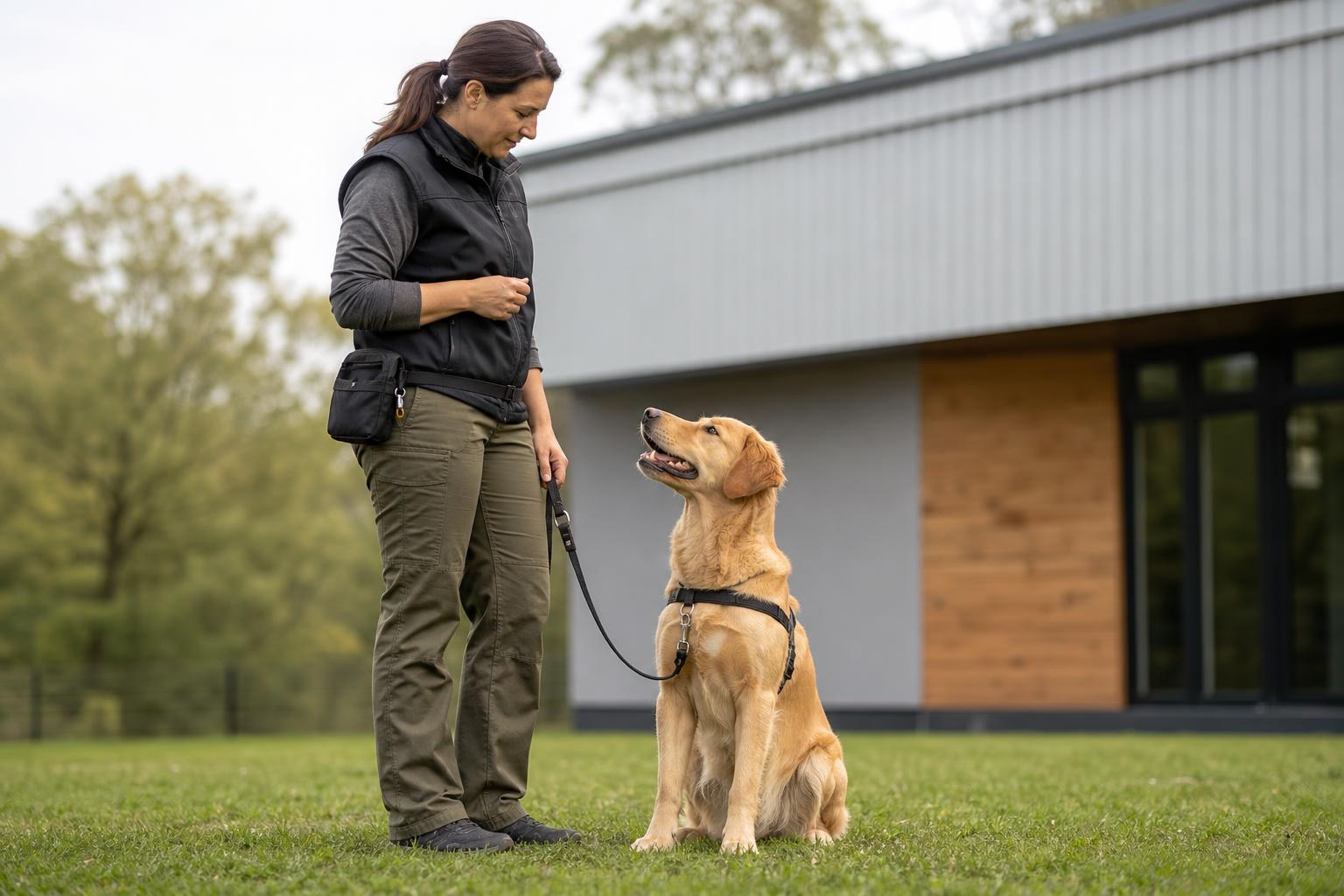
From the outside, folks sometimes picture a service dog trainer as someone simply polishing obedience in a calm indoor setting. The reality is much broader. A trainer may help raise and evaluate puppies, work through confidence issues in adolescent dogs, shape public access behavior, teach task performance, coach handlers, and document progress for a nonprofit, school, or private client. One day may be spent on leash manners in a grocery store parking lot. The next could involve scent-based alert work, retrieval tasks, pressure therapy behaviors, or helping a handler learn how to read subtle canine stress signals.
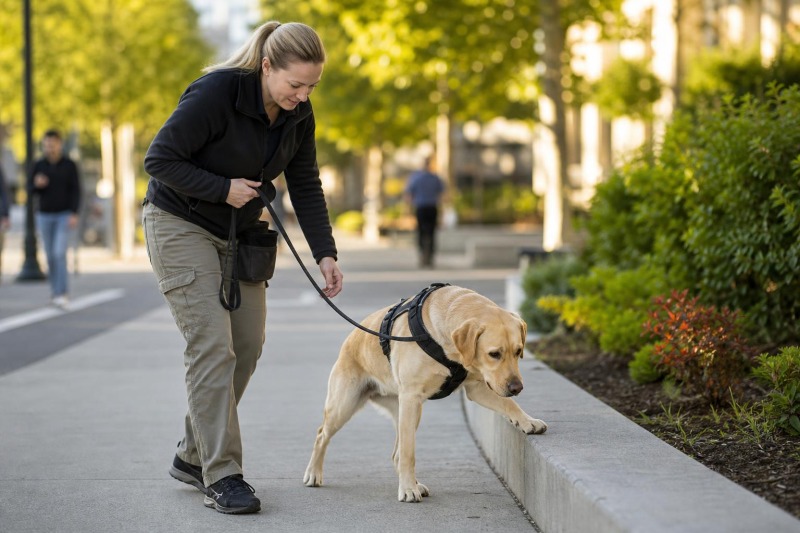
In practical terms, service dog training careers sit at the crossroads of dog training, behavior observation, client education, and problem-solving. You are not only training the dog. You are helping prepare a team to function together in real life, under pressure, in distracting environments. That changes the job entirely. A flashy training session means little if the dog cannot settle under a restaurant table, ignore a dropped sandwich, remain stable in a crowded lobby, and respond when the handler truly needs help.
The Difference Between Pet Training and Service Dog Work
Good pet dog trainers do valuable work, and many strong service dog professionals start there. But service dog work raises the standard. The dog must be socially stable, physically sound, highly trainable, and capable of performing needed tasks without becoming overwhelmed by normal public life. The trainer must be able to identify whether a dog has the right temperament before too much time is invested. That alone takes a practiced eye.
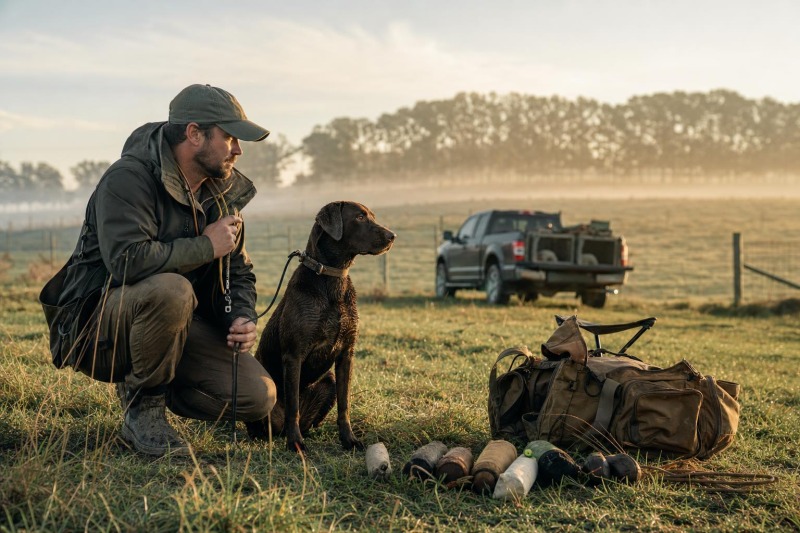
It reminds me of sorting young hunting prospects. Some pups have heart, nose, and grit from the start. Others may be sweet as they come but lack what the job demands. In service dog training, making those distinctions is not harsh. It is responsible. Not every good dog is the right working dog, and one of the core skills in this career is knowing the difference.
Who Thrives in Service Dog Training Careers
The people who last in this field usually share a few traits. They are observant. They notice tiny changes in posture, breathing, focus, and confidence. They are patient without becoming passive. They can repeat foundational work without getting sloppy or bored. They communicate clearly with people, not just dogs. And perhaps most important, they do not let ego drive the process. A service dog trainer who cannot admit when a method, placement, or dog is not right will cause trouble sooner or later.
This field also suits people who care about function over performance. In other words, the best trainers are not trying to show off. They are trying to make the dog dependable. There is a difference. A polished heel in a quiet room is nice. Calm behavior in an airport terminal, a hospital hallway, or a crowded sidewalk matters more.
How to Get Started in a Service Dog Training Career
There is no single road into the profession, but experience matters more than talk. Many trainers begin with broad hands-on work in kennels, shelters, obedience schools, veterinary settings, or working dog programs. Others come from guide dog schools, nonprofit organizations, or private apprenticeship arrangements. What employers and serious clients usually want to see is not enthusiasm alone, but proof that you can read dogs, handle pressure, and train with consistency.
If you are serious about entering service dog training careers, start by building a strong foundation in canine learning theory, behavior, handling mechanics, and public access standards. Spend time around skilled trainers whenever you can. Watch how they set up sessions, how they respond when a dog stalls out, and how they know when to push and when to back off. Those lessons rarely come from a screen as well as they do from seeing a seasoned hand work a dog in person.
Certifications, Education, and Apprenticeships
Formal certifications can help, especially when you are trying to establish credibility, but they are not magic tickets. Some employers value recognized training credentials, animal behavior education, or continuing education coursework. Others care more about practical experience with task training, temperament testing, and client instruction. Apprenticeships and assistant trainer roles can be especially valuable because they expose you to the day-to-day realities of the job, including recordkeeping, dog selection, setbacks, and handler follow-up.
For most people, the smartest path is a blend of study and practical work. Learn the science, then put your hands on dogs. Read behavior, then test your understanding in real environments. That kind of layered experience makes a more reliable trainer than paper credentials alone ever will.
Daily Life on the Job
A typical week in service dog training careers can be surprisingly demanding. There is physical work in handling dogs, cleaning runs or training spaces, transporting animals, setting up public exposure sessions, and maintaining consistency across multiple dogs at different stages. There is mental work in planning sessions, troubleshooting performance issues, writing notes, and evaluating whether a dog is advancing or plateauing. Then there is people work, which some newcomers underestimate.
Handlers may be anxious, excited, discouraged, or overwhelmed. Families may need guidance. Organizations may have standards, deadlines, and documentation requirements. You may spend as much time teaching humans to support the dog correctly as you do shaping the dog’s behavior itself. The strongest trainers learn to explain things simply, calmly, and without talking down to people.
It is rewarding work, but it is not light work. If you prefer easy wins and tidy timelines, this field will humble you. Progress often comes in inches. A dog that struggled to settle in public may finally relax at your feet after weeks of patient exposure work. A handler who lacked confidence may begin moving with calm authority. Those moments are not dramatic from the outside, but they mean everything.
Income, Work Settings, and Career Growth
Service dog training careers can be found in nonprofit organizations, specialized training schools, veterans support programs, private training businesses, and broader assistance dog programs. Income varies widely depending on region, employer, experience level, and whether you work as staff or independently. Entry-level roles may not pay especially well at first, particularly in nonprofit settings, but experienced trainers with a proven track record, specialized task-training ability, and strong client skills can build a sustainable career.
Growth often comes through specialization. Some trainers focus on mobility assistance dogs, psychiatric service dogs, diabetic alert work, hearing dogs, or puppy development. Others move into program management, breeding and evaluation, instructor roles, or consulting. The broader your practical skill set, the more doors tend to open.
The Emotional Side of the Work
Anyone considering service dog training careers should understand the emotional weight involved. You will invest time in dogs that do not make the cut. You will deliver hard truths when a dog lacks the stability or durability for service work. You may watch clients place enormous hope in a process that requires time, discipline, and realism. You must care deeply without letting emotion cloud judgment.
That balance is familiar to anyone who has spent years with working animals. You can love a dog and still be honest about what the dog is suited for. In fact, that honesty is part of respecting the animal. Service work asks a lot from a dog. If the dog does not truly fit, forcing the issue helps nobody.
Why Dog Owners Are Drawn to This Path
For dog owners interested in working dogs, service dog training careers hold a special appeal because the work has visible purpose. You are not just polishing manners or preparing a dog for a ribbon. You are helping build daily independence, safety, and confidence for another person. Few jobs offer that kind of direct impact.
There is also deep satisfaction in seeing foundational dog skills put to meaningful use. The same old truths still matter: clean timing, fair expectations, consistency, confidence building, and respect for the dog in front of you. Whether a dog is quartering a field, trailing game, or learning to perform a needed task in public, solid training rests on the same sturdy bones.
Is a Service Dog Training Career Right for You?
If you are the sort who takes pride in careful dog work, who values reliability over flash, and who can stay steady when progress comes slow, this career may fit you well. If you want easy praise, quick money, or the appearance of expertise without the grind of earning it, you may be looking in the wrong direction.
They stay teachable. They protect standards. They do right by the dog even when it costs time. And they understand that trust, once built, is the most valuable thing in the whole chain between trainer, dog, and handler.
For folks willing to put in the work, service dog training careers offer more than a paycheck. They offer a life spent building useful dogs and stronger human partnerships, one careful lesson at a time.