The Demands Behind a Working Dog’s Life
Working-dog careers include routine care, administration, difficult decisions, and continuing training as well as time with the dogs. Hours, entry requirements, and employment arrangements vary widely. Understanding those demands helps turn interest into a realistic plan.
That willingness is part of what makes these dogs special, but it is also what makes their careers challenging. They do not always know how to pace themselves. They do not step back and say they are sore, mentally tired, or running thin. It falls on the owner, handler, trainer, or hunter to read what the dog cannot say plainly.
When people talk about working dog careers, they often focus on talent and training. Those matter, of course. But the real test is whether the dog can remain sound, sharp, and balanced over time. That is where the true challenges begin.
Physical Wear and Tear Comes Early
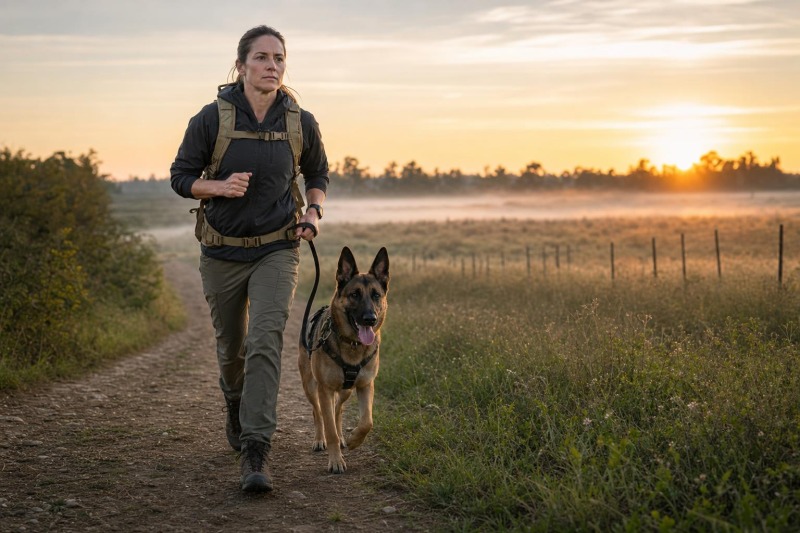
One of the most immediate challenges in working dog careers is the physical toll. These dogs are athletes, and like any athlete, the body keeps score. Repeated jumping, hard turns, rough terrain, cold water, heat, long searches, and heavy impact work add up. A young dog may look indestructible, but small strains and micro-injuries can become career-limiting problems if nobody is paying attention.
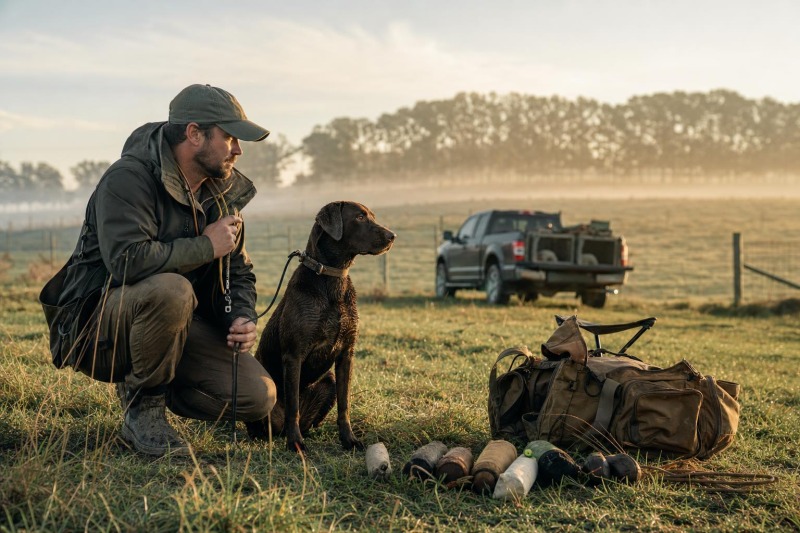
In high-drive field dogs, even overtraining during the offseason can create problems before opening day ever arrives. The same goes for herding dogs grinding through uneven country and patrol dogs launching in and out of vehicles or onto slick surfaces. Working dogs are built for effort, but they are not made of iron.
Conditioning Is Not the Same as Overuse
There is a fine line between proper conditioning and asking too much. A dog needs strength, endurance, and muscle memory to do his job well, but more work does not always produce a better worker. Sometimes it just produces inflammation, fatigue, and bad habits. Responsible handlers learn to build fitness gradually and vary intensity. They understand recovery is part of training, not a break from it.
That can be a hard lesson, especially with dogs that beg for one more retrieve, one more track, one more run through the field. Desire can fool you. A dog that looks eager may still be carrying soreness or stress. The challenge is knowing when to stop before the dog’s body forces the issue.
Mental Pressure Is Often Overlooked
Physical strain is easy to notice. Mental strain is quieter, and in many cases, more dangerous because it gets misread. A working dog is asked to stay engaged, responsive, and clear-headed in environments full of excitement, confusion, and temptation. He must sort commands from distractions, remain composed under pressure, and often perform with little room for error.
That kind of demand can wear on a dog, especially one with intense drive. Some dogs start showing small signs first. They become sticky on commands, vocal in the kennel, slower to settle, less confident in new setups, or too frantic in situations that once felt routine. People sometimes call it stubbornness or attitude, but often it is stress bubbling up through behavior.
The Problem of Burnout
Burnout is real in working dogs, and it does not only happen to poor dogs in rough hands. It can happen to talented dogs with loving owners who simply push too often, train too repetitively, or fail to give the dog enough mental decompression. Repetition without purpose dulls enthusiasm. Constant correction can make a once-bold dog cautious. Endless stimulation without downtime can leave a dog edgy and unable to relax.
The best working dogs carry drive, but they also need balance. A dog that never gets to switch off eventually starts fraying around the edges. That is one of the biggest challenges in working dog careers today, especially as more owners become interested in performance but do not always recognize the cost of sustained intensity.
Training Pressure and Human Expectations
Dogs are remarkably forgiving, but they cannot make sense of inconsistent handling, unfair correction, or expectations beyond their maturity and genetics. Too many dogs are judged against a polished finished dog before they have even had time to become comfortable in the work.
A young dog may have talent to spare and still struggle with steadiness, impulse control, confidence, or environmental pressure. That is not failure. That is development. But people get impatient. They watch videos, compare progress, and expect a clean performance long before the foundation is truly in place. The dog feels that pressure, and if the handler is tense, frustrated, or unclear, the training can start going backward fast.
The strongest working dog careers are usually built by people who understand pacing. They know when to challenge a dog and when to simplify. They know when to insist and when to back off. Most of all, they remember that trust is not a soft extra. It is the backbone of reliable work.
Environment Can Make a Good Dog Struggle
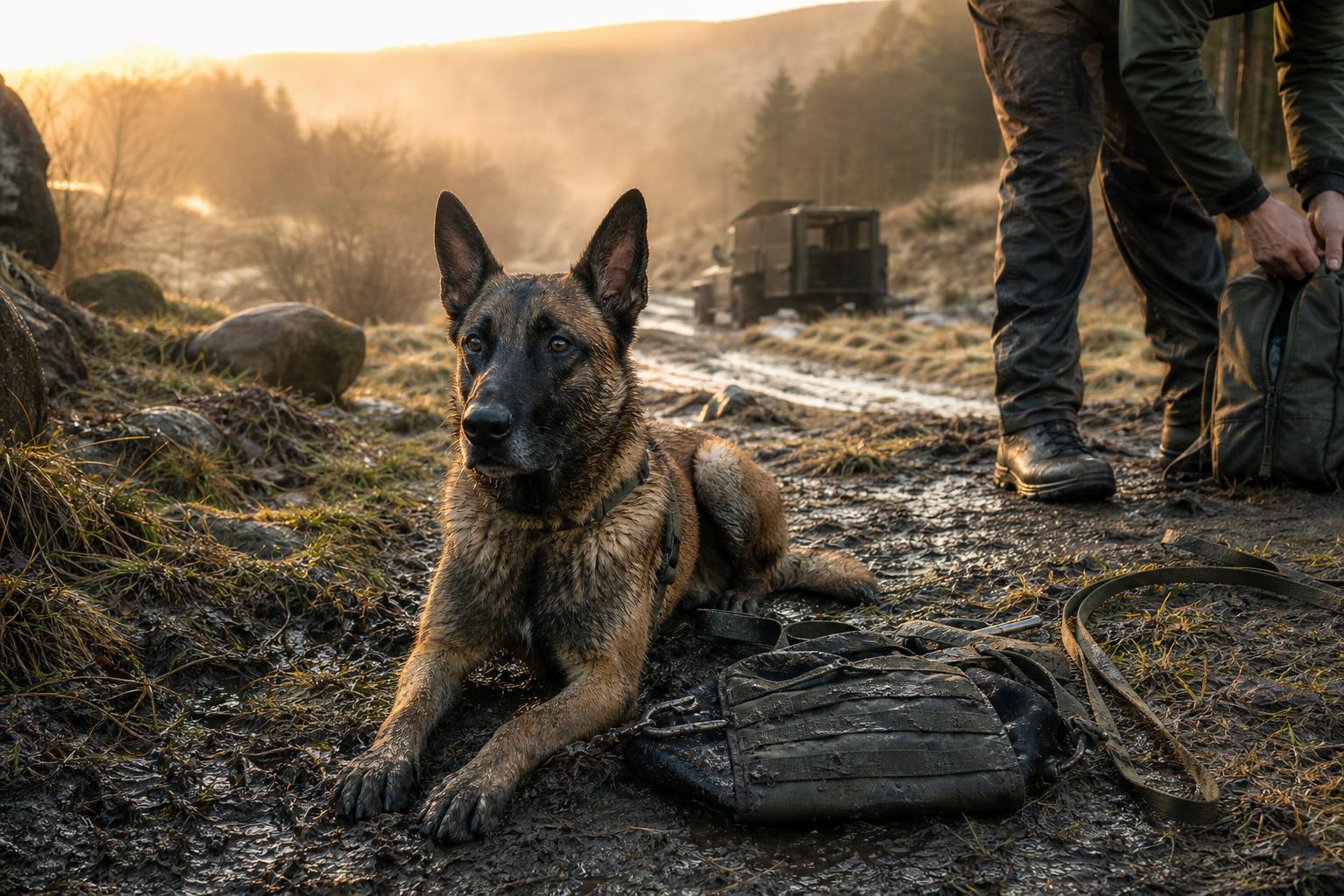
No dog works in a vacuum. Weather, terrain, noise, travel, housing, and daily routine all shape performance. A dog that handles cool morning field work beautifully may struggle in late-season ice, desert heat, urban surfaces, or long periods in transport. A livestock dog may thrive on one kind of stock and lose confidence on another. A detection or service prospect may look outstanding in training and then show weakness under real-world stress.
Poor footing, dehydration, unfamiliar cover, a rough previous session, too little rest, or simply cumulative fatigue can change everything. One challenge of working dog careers is that success depends not just on what the dog knows, but on how well he can apply it under changing conditions.
This is where experienced handlers gain an edge. They stop blaming the dog for every dip in performance and start reading the whole picture. That habit saves dogs from unfair pressure and keeps careers from unraveling over misdiagnosed problems.
Injury, Recovery, and the Fear of Lost Time
Every serious working dog owner worries about injury because it can change the course of a career in a single afternoon. Sometimes it is dramatic, like a torn ligament or a bad laceration. More often it is something subtle: a hitch in movement, reluctance on a jump, delayed pickup on a retrieve, soreness the next morning. The problem is that hard dogs tend to hide discomfort while working. By the time the issue becomes obvious, it may already be established.
Recovery brings its own challenge. Resting a driven dog is no easy task. Rebuilding after injury requires patience, careful rehab, and a willingness to let the dog come back at the right pace. People often rush because the season is coming, trials are scheduled, or work demands are real. But pushing too early can turn a manageable setback into a permanent limitation.
Longevity Depends on Management
The dogs that stay useful the longest are rarely just the toughest. They are usually the best managed. Good nutrition, smart conditioning, proper warmups, routine health checks, nail and foot care, hydration, and thoughtful scheduling all matter. None of it is glamorous, but it is the kind of steady stewardship that keeps a dog in the game.
The Emotional Side of the Job
Working dogs are not machines, no matter how disciplined they appear. They bond deeply to the people and routines around them. Changes in handler, loss of purpose, harsh kennel conditions, poor social balance, and confusing correction can all affect a dog’s emotional health. Some become anxious. Some go flat. Some channel that strain into frantic, pushy behavior that gets mistaken for extra drive.
A dog that works hard still needs to feel secure. He needs clear communication, predictable structure, and moments where he is simply a dog. A dog will often go to the ends of himself for a person he trusts. That is exactly why owners must protect him from being used up.
Retirement Is Part of the Career Too
One of the least discussed challenges of working dog careers is retirement. For some dogs, stepping away from the work is harder than doing it. A dog who has spent years with a defined purpose does not always understand why the pace changes. Age creeps in slowly, then all at once. Recovery takes longer. Hearing softens. Joints stiffen. Focus drifts. The dog still wants the job, but the body and mind may not support it the same way.
Good owners do not wait for a breakdown to make that call. They watch for the subtle signs and start adjusting before the dog is forced out. Retirement should be a transition, not a collapse. Light work, gentle routine, companionship, and dignity matter. A dog that gave his prime years to honest work deserves more than being put aside when he can no longer perform at his peak.
What Responsible Owners Need to Remember
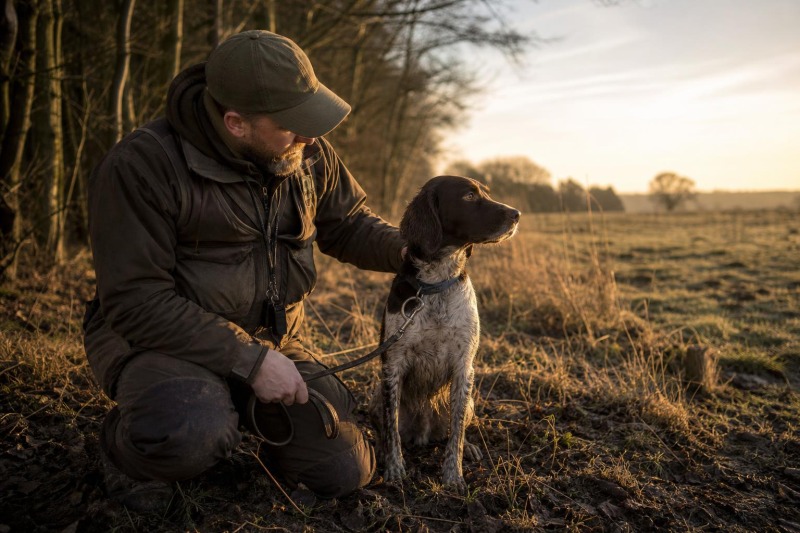
For dog owners interested in working dogs, the biggest lesson is this: the career is bigger than the job. Training skill matters. Drive matters. Genetics matter. But none of it replaces patient handling, sound health management, realistic expectations, and respect for the dog as an individual. Every working dog has limits, and the best handlers learn to recognize those limits before the dog pays the price.
They were dogs whose people paid attention. They noticed gait changes after a long day. They cut a session short when the dog looked mentally cluttered. They gave rest without guilt. They trained with purpose instead of ego. In the field, in the kennel, and at home, that kind of judgment is what turns potential into a lasting career.
Working dogs do remarkable things, and that is why people admire them. But behind every solid performance is a quiet stack of challenges that must be managed with care. If owners understand that from the start, they stand a far better chance of building not just a capable worker, but a healthy, willing partner who can enjoy the work for years.