Military dog handling combines animal care and training with the requirements of military service. Entry routes, eligibility, and assignments depend on the branch and program. Anyone considering the career needs current information from the relevant service as well as a realistic view of daily responsibilities.
For dog owners interested in working dogs, this career path has a powerful draw. It combines service, physical challenge, and advanced canine training in a way few professions can match. It is not glamorous in the way movies make it look. It is early mornings, kennel work, repetition, obedience drilled until it is second nature, and the responsibility of caring for an animal whose performance may protect lives. Around hard-driving dogs, whether hunting stock or service-bred canines, the truth is simple: the dog can only go as far as the handler’s consistency, calm, and grit will take it.
What military working dog handlers actually do
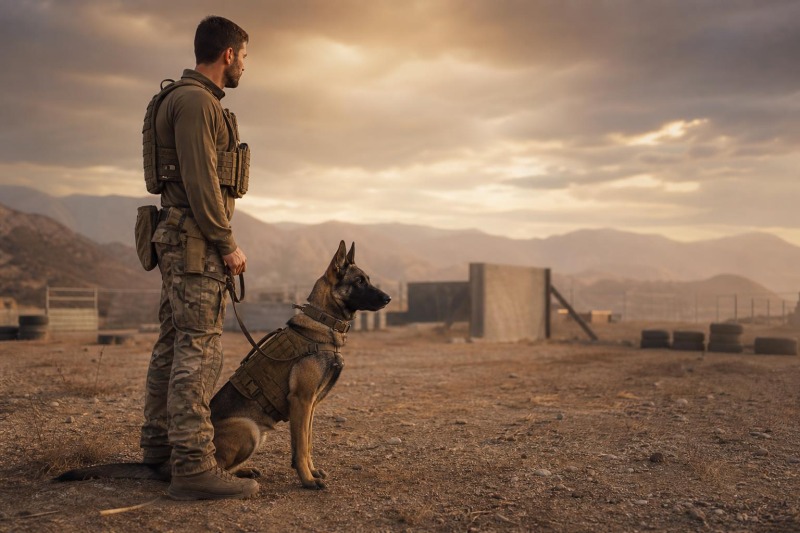
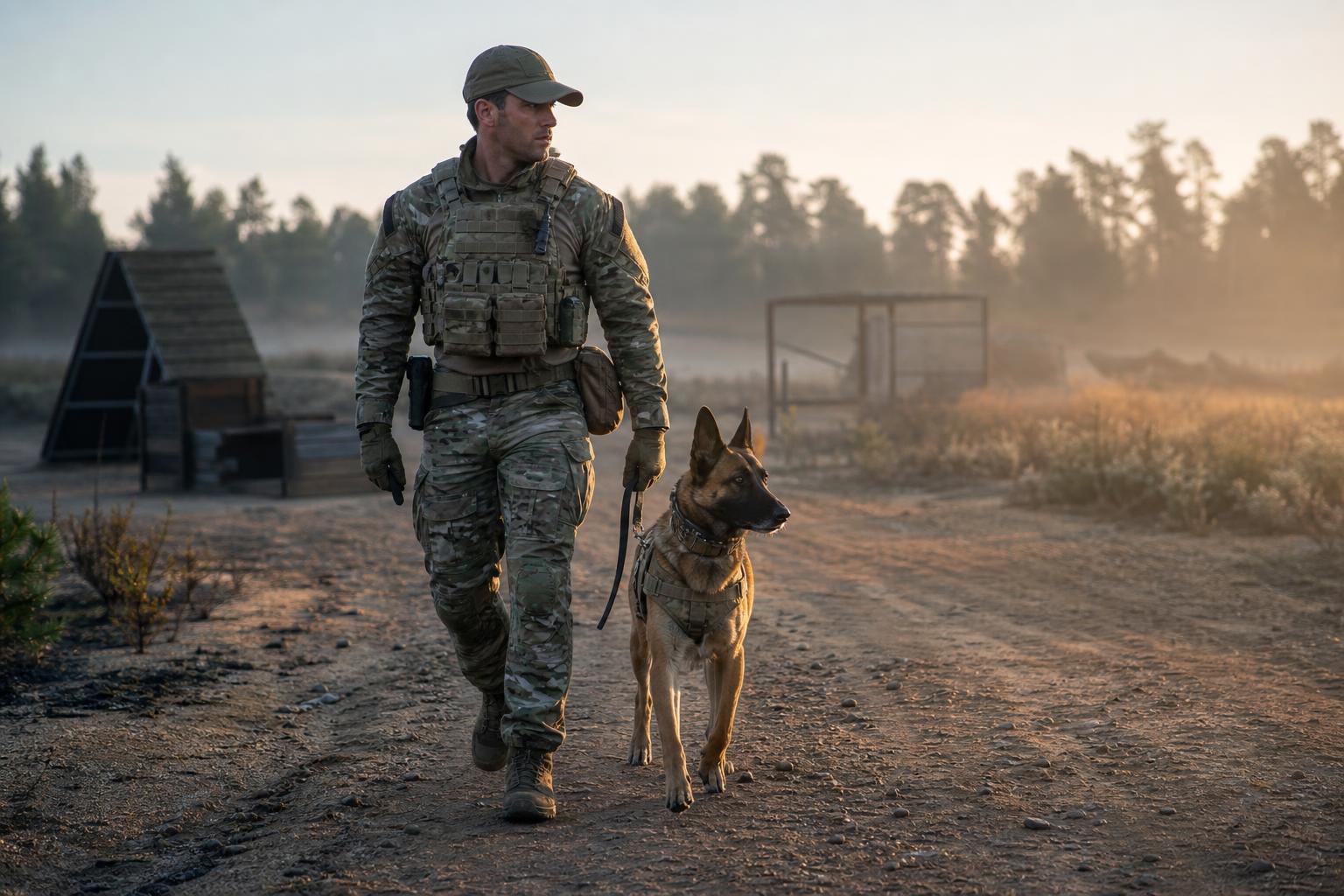
At its core, a military working dog handler is responsible for the training, care, and operational use of a specialized dog. These dogs may be trained for patrol work, explosives detection, narcotics detection, tracking, and security missions. The handler is not just holding a leash. That person manages the dog’s health, conditioning, behavior, readiness, and performance in real-world environments that can change fast.
On any given day, a handler may inspect kennels, conduct obedience drills, run scent detection exercises, clean equipment, monitor diet, groom the dog, and work through scenario-based training. Then there are deployments, security patrols, vehicle sweeps, building searches, and demonstrations or inspections. A lot of the job is routine by design. Good dog work is built on routine. The dog learns confidence from repetition, and the handler learns where that dog is sharp, where it hesitates, and how it communicates under stress.
People sometimes imagine military working dog handler careers as nonstop action, but much of the value comes from details. A handler notices a slight change in gait before it becomes an injury. A handler reads a shift in breathing or posture before a search goes off track. Those quiet observations matter. The best handlers are students of their dogs every single day.
The bond between handler and dog
There is no shortcut to trust. Anyone who has worked a high-drive dog knows that the relationship is earned through time, fairness, and consistency. Military working dogs are trained to perform in environments full of noise, movement, distractions, and threat. They need a handler who is predictable and composed. If the human gets sloppy, emotional, or careless, the dog feels it.
That bond is what makes this career stand out. A strong working partnership is not built from affection alone. It is built from clear communication, steady expectations, and mutual confidence. In the field, that connection can be the difference between a sharp response and a missed cue.
Training and qualifications for military working dog handler careers
The exact route depends on the branch of service, but military working dog handlers are first and foremost members of the armed forces. That means meeting enlistment standards, completing required military training, and qualifying for the occupational path connected to dog handling and security work. Once selected, candidates receive specialized instruction in canine behavior, obedience, detection methods, patrol techniques, kennel management, and handling protocols.
This is one area where many dog lovers get surprised. Enjoying dogs is not enough. Being good with your own dog at home is not enough either. Military handling demands composure, physical fitness, close attention to procedure, and the ability to train under strict standards. Handlers must follow chain of command, document performance, maintain equipment, and work within established operational rules. In other words, this career combines animal skill with military professionalism.
Skills that matter most
A solid handler usually brings patience, mental toughness, and clean timing. Dogs learn from the release of pressure, the reward, the correction, the repetition, and the handler’s body language. Timing matters in every bit of it. So does honesty. Dogs, especially hard workers, expose inconsistency in a hurry.
Physical stamina also matters more than people expect. Handlers may spend long hours on their feet, move in rough terrain, lift gear, load kennels, and maintain control of powerful dogs in demanding settings. Add in weather, travel, noise, and long workdays, and you begin to understand why this is not a casual dog job. It is a working life.
What daily life is like as a military dog handler
There is a practical rhythm to the work. The day often starts with kennel care and health checks. Before any operational task, the dog’s condition has to be right. A dog that is dehydrated, sore, distracted, or off-feed is not ready to perform at its best. Then comes training, because even an excellent dog gets dull without maintenance. Detection work, obedience, controlled aggression, search patterns, environmental confidence, all of it has to be sharpened regularly.
When missions or assignments come up, the handler has to be prepared to shift from training mode to operational mode without losing control or clarity. That means reading the dog, reading the environment, and staying grounded even when adrenaline starts climbing. Good handlers do not waste movement, words, or energy. They keep things simple and clear, because the dog depends on that simplicity.
There is also the care side, which should never be underestimated. Feeding, grooming, cleaning, veterinary coordination, injury prevention, and recovery all fall into the larger responsibility. A military working dog is an asset, yes, but it is also a living partner. Handlers who respect that usually do better in the long run than those who only care about performance.
Challenges of military working dog handler careers
This path is rewarding, but it carries weight. The pressure is real. A handler may work around danger, long separations from home, and emotionally demanding situations. The dog may be exposed to difficult environments, and the handler has to keep that animal functioning while also protecting its welfare. That balancing act takes maturity.
Another challenge is that not every dog works the same way. Even with strong breeding and top-level training, dogs are individuals. One may be bold and fast, another methodical and precise. One may thrive in certain search conditions while another needs a different handling rhythm. The handler has to adapt without creating confusion. That is where real dog sense comes in, the kind that cannot be faked for long.
And then there is the emotional side of the job. People form strong attachments to their working dogs. That is natural and, in many ways, necessary. But handlers still have to make hard calls, stay mission-focused, and deal with the realities that come with military service. It is not always easy carrying both the practical and personal side of that partnership.
Why dog owners are drawn to this career
Dog owners interested in working dogs often feel pulled toward military working dog handler careers because the work represents a high standard of training and purpose. These dogs are selected, conditioned, and handled to do meaningful jobs. For someone who respects canine intelligence and wants to see what a dog can truly become with structure and guidance, it is a compelling world.
It also teaches lessons that carry far beyond military service. Handlers develop better timing, stronger observational skill, and a deeper appreciation for how dogs think under pressure. Those lessons can influence everything from sport dog training to hunting retrievers and home obedience. Once you have seen what disciplined, purpose-driven dog work looks like, you do not forget it.
Life after service
Military dog handling can also open doors later on. Former handlers often move into law enforcement canine work, private security, detection training, kennel management, canine instruction, or other working dog roles. The experience of caring for and deploying a trained dog under demanding conditions carries weight. It shows not only dog skill, but discipline, adaptability, and trustworthiness.
For some, the greatest impact is personal. Time spent with a true working dog tends to change the way a person views training and responsibility. You stop seeing obedience as a set of tricks and start seeing it as a language. You stop thinking of drive as chaos and start recognizing it as fuel that must be shaped with care.
Is this the right career path?
If you are considering military working dog handler careers, the best place to start is with honesty. Do you want the work, or just the image of it? Because the work is where the meaning lives. It is in the repetition, the structure, the accountability, and the steady care of an animal that depends on you. It is in long days when nobody is clapping and the job still has to be done right.
For the right person, this career is deeply worthwhile. It offers a rare chance to serve alongside a dog whose abilities are sharpened through training, trust, and shared experience. There is pride in that. There is also humility, because a good dog will teach you quickly that force without understanding gets you nowhere.
Military working dog handler careers are about more than dogs and more than military service alone. They are about partnership under pressure, responsibility without shortcuts, and the quiet satisfaction of watching a well-trained dog do exactly what it was bred and prepared to do. For anyone who truly values working dogs, that is a life worth respecting.