Conditioning and Endurance Training for Working Dogs
Plenty of dogs have heart. Not every dog has the conditioning to carry that heart through a long hunt, a full day of tracking, or a hard season of work. That is where endurance training matters. A working dog that runs out of gas early is not just less effective. It is more likely to lose focus, make poor decisions, overheat, or get hurt. Stamina is not an accident. It is built.
When most folks talk about conditioning, they think of miles. Miles matter, but they are only one piece of the puzzle. True endurance in a working dog comes from a combination of aerobic fitness, muscular strength, foot toughness, mental steadiness, and recovery. You are not just trying to make a dog tired in training. You are teaching that dog to perform efficiently, recover quickly, and hold together through repeated effort. That kind of preparation pays off whether your dog hunts birds, tracks wounded game, works stock, or handles demanding outdoor jobs.
Start With the Dog in Front of You
Every conditioning plan ought to begin with honesty. Age, breed, structure, body condition, and experience all matter. A young dog with endless enthusiasm may still have an immature frame. A heavier dog may need weight management before serious endurance work begins. A seasoned dog coming off the off-season may remember the job but lack the engine for it. Look at body condition, watch how the dog moves, and pay attention to recovery after exertion. If the dog is still blowing hard long after the work ends, that tells you something.
It is easy to confuse excitement with fitness. A driven dog will often push straight past its conditioning level, especially in cool weather when heat stress is less obvious. That is why the handler has to be smarter than the dog. The best conditioning programs are progressive. You do not dump a dog into hard work and hope instinct carries the day. You build it, layer by layer, until effort looks smooth instead of frantic.
Build a Base Before You Chase Peak Performance
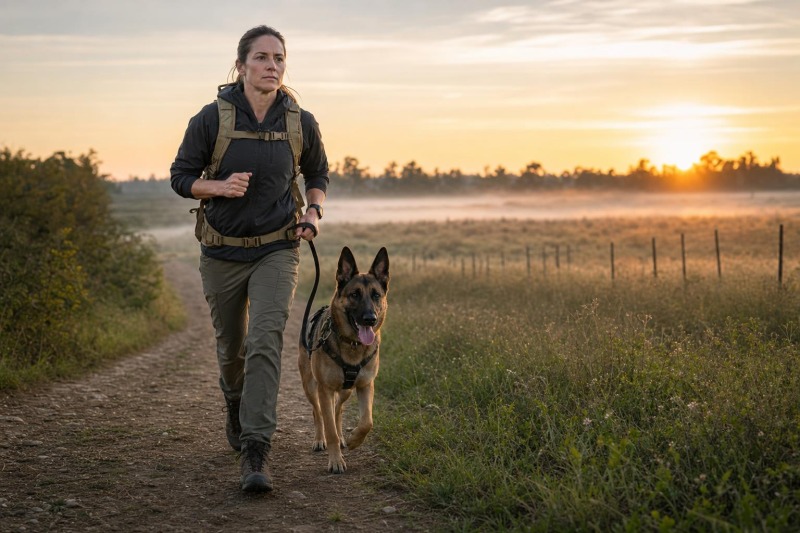
The foundation of endurance is steady aerobic work. Long walks, controlled roading, free running in safe terrain, and moderate-paced outings all help develop that base. The key word is steady. At this stage, the goal is to strengthen the heart, lungs, connective tissue, and feet while teaching the dog to settle into a sustainable pace. This is where many handlers go wrong. They train for intensity before they have built durability.
There is a world of difference between a dog that can explode for ten minutes and one that can hunt effectively from dawn through midafternoon. Base conditioning should come first, and it should be increased gradually. Add time before you add difficulty. Add consistency before you add punishment. A dog that gets three or four well-planned sessions a week will usually outlast a dog that gets worked hard once and then sits around sore for days.
Use Different Kinds of Work to Build a Complete Dog
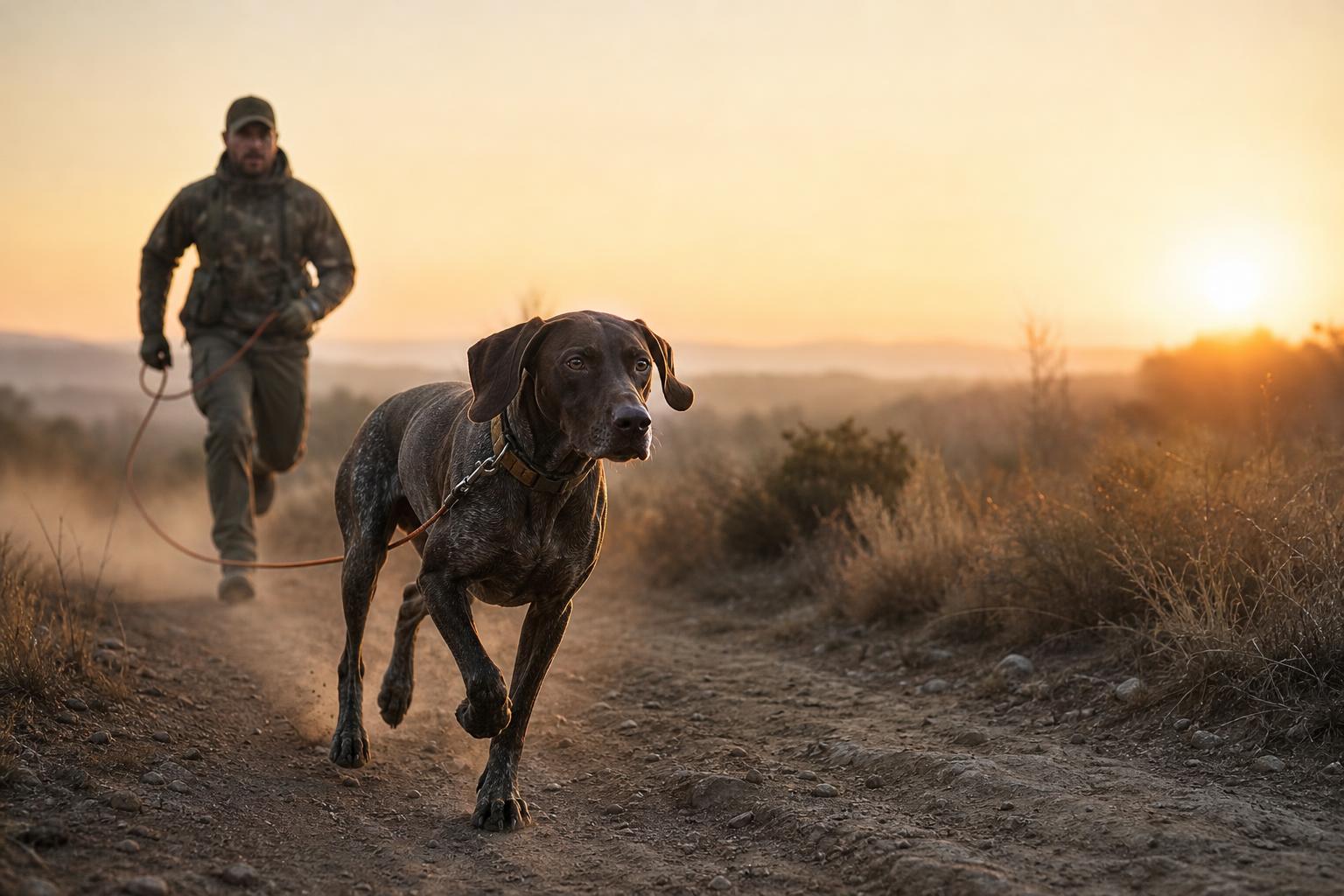
Good endurance does not come from one kind of exercise alone. Roading can be useful for rhythm and stamina. Free running over uneven ground helps balance, coordination, and mental engagement. Swimming is excellent for many dogs because it builds cardiovascular fitness without the pounding of repeated impact. Hill work strengthens the rear end and teaches a dog to drive from behind, which matters more than many people realize when the terrain gets rough.
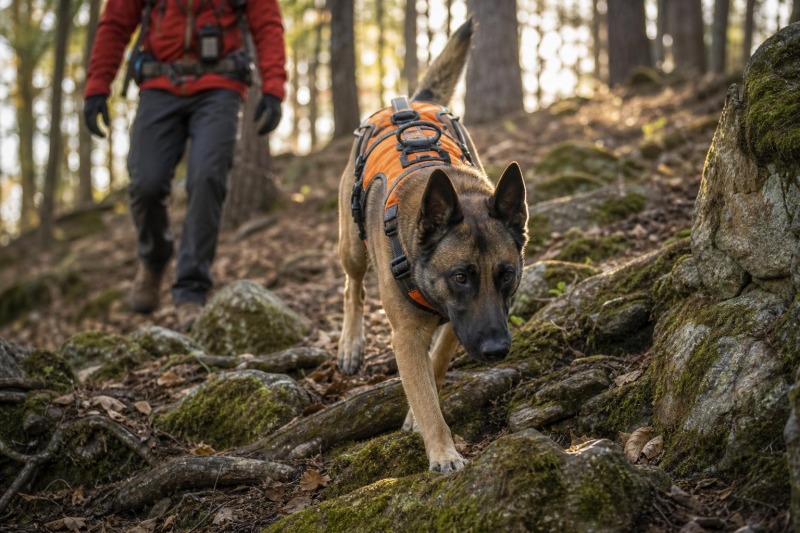
Then we got into broken country with steep draws, loose rock, and long climbs. He had the desire, but the hills exposed what flat work had hidden. Terrain-specific work matters. If your season involves marsh, train in wet footing when you can. If your dog will be climbing, train on hills. If the work demands repeated bursts with short recoveries, include that. Conditioning should resemble the job.
Intensity Has Its Place, but Timing Matters
Once a dog has a sound base, short higher-effort sessions can sharpen performance. This might mean controlled retrieves with movement between reps, harder hill efforts, or brief intervals mixed into an otherwise moderate session. These harder pieces help improve work capacity, but they should be used with judgment. Too much intensity too soon is how dogs get sore, sour, or injured. A tired dog is not always a better-conditioned dog. Sometimes it is just a dog getting worn down.
Watch for the quality of movement. That will tell you more than sheer enthusiasm. A dog that shortens stride, carries itself stiffly, or starts moving carelessly is signaling fatigue. Stop before sloppy work becomes the norm. Endurance training should improve efficiency, not teach a dog to grind itself into bad habits.
Recovery Is Where Conditioning Takes Hold
One of the surest signs of improving fitness is better recovery. A conditioned dog settles its breathing faster, regains focus sooner, and shows less lingering soreness after work. Recovery days are not wasted days. They are part of the program. Muscles adapt during rest, feet toughen over time, and small strains calm down before they become real problems. If you stack hard days without enough recovery, even a talented dog will eventually come apart.
Hydration matters before, during, and after work. So does feeding for the level of effort expected. A working dog cannot perform on poor fuel any more than a truck can run hard on bad gas. Many conditioning setbacks start at ground level. A split pad, rubbed skin, or altered gait can erase weeks of progress if ignored.
Know the Difference Between Good Fatigue and Trouble
There is normal training fatigue, and then there is the kind that warns you to back off. A dog that is a little heavy-legged after a harder session may be fine with a lighter day next time. A dog that stays stiff, loses appetite, seems mentally flat, or resists loading up may be telling you more. Heat stress is another danger that cannot be negotiated with toughness. Some dogs will drive themselves into trouble if you let them. Heavy panting, glassy focus, wobble, dark gums, or delayed recovery in warm weather should be taken seriously every time.
They are the ones who read their dogs honestly and adjust before little issues become season-ending ones.
Mental Endurance Counts Too
Physical stamina is only half the story. Working dogs also need the mental endurance to stay useful when the day gets long, scenting changes, birds run, stock pressure rises, or the track turns difficult. A dog that is physically fit but mentally scattered will waste energy and make poor use of its body. Steady exposure to real working situations builds that kind of endurance. So does training that rewards composure, responsiveness, and efficient effort instead of constant frenzy.
The difference was often maturity and preparation. Calm, purposeful dogs last longer because they are not spending themselves foolishly.
Condition for the Season, Not Just the Weekend
One hard truth in the working dog world is that weekend shape is not season shape. A dog might scrape through a Saturday hunt on desire alone and still be underconditioned for the demands of a full stretch of work. If you want your dog to hold up through a season, the training has to begin well before opening day. It also has to continue during the season in a sensible way. Fitness is easier to maintain than it is to build from scratch, but it still needs attention.
First, rebuild movement and basic fitness after downtime. Then increase duration and terrain difficulty. After that, sharpen the dog with more specific work that matches the job ahead. During the season, maintain with regular work and enough rest to keep the dog fresh. That rhythm tends to produce dogs that improve as the season goes on instead of falling apart halfway through it.
The Long View Makes the Best Dogs
If there is one lesson experience keeps driving home, it is this: conditioning is an investment in the whole dog. Endurance training is not about making a dog into a machine. It is about preparing that dog to do its work well, safely, and with confidence. They were the ones with enough wind, enough strength, and enough sense to keep working when conditions got hard.
Take your time building that kind of dog. Condition steadily. Match the training to the job. Pay as much attention to recovery as you do to effort. Learn what your dog looks like when it is moving right, and do not ignore what it tells you on the days when it is not. Do that, and when the cover gets thick, the country gets steep, or the day stretches long, you will have a partner that can keep going for the right reasons. In the field, that is worth more than all the raw fire in the world.