Service-dog costs can include assessment, training, placement, equipment, continuing support, and ordinary dog care. Programs fund and charge for that work in different ways. A useful comparison looks at the complete arrangement and the partnership it is meant to support.
The larger investment is in consistency, patience, and the willingness to do things right when shortcuts are tempting. Still, finances matter, and dog owners deserve a plainspoken look at where the dollars go. Whether you are considering a professionally trained service dog or planning to owner-train with help, understanding the full cost can save you disappointment down the road.
Why Service Dog Training Costs So Much
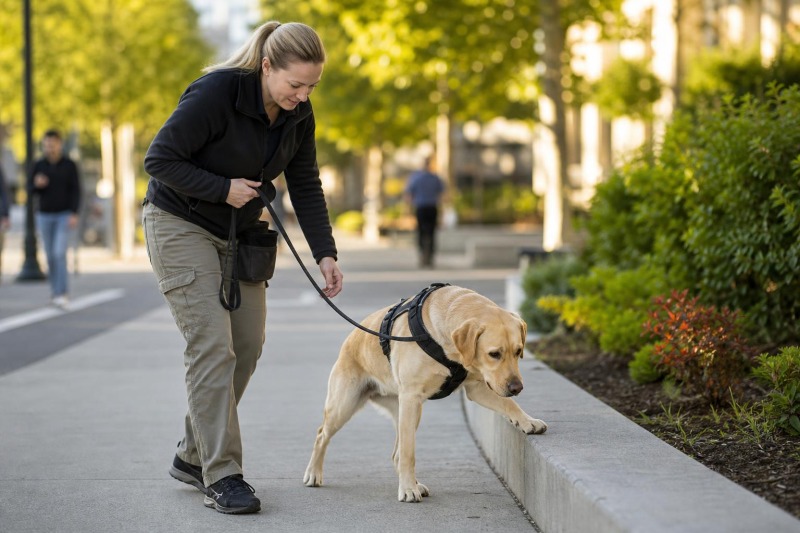
A service dog must perform specific tasks that directly help a person with a disability. That alone sets the bar far above ordinary obedience. The dog must not only learn tasks, but also maintain calm behavior under stress, ignore distractions, handle public access properly, and remain safe in unpredictable settings. It is one thing for a dog to heel nicely on a quiet road. It is another thing altogether for that same dog to tuck under a restaurant table, ignore dropped food, and respond instantly to a handler’s need.
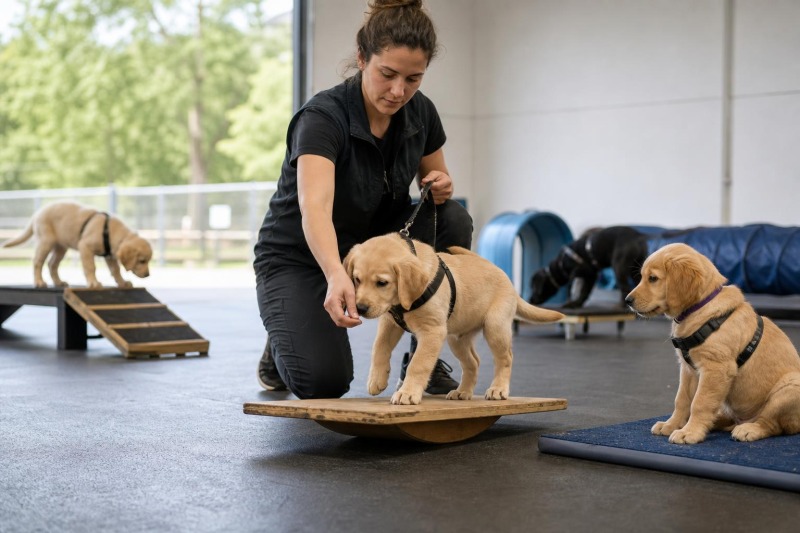
That level of performance takes repetition and structure. Trainers are not simply teaching sit, down, and stay. They are shaping impulse control, environmental confidence, neutrality around people and animals, and task reliability. Every weak point has to be exposed and strengthened. If the dog startles easily, training slows. If the dog struggles with slick floors, elevators, or noisy crowds, more sessions are needed. If the dog lacks the right temperament, the entire effort can fall apart no matter how much money is spent.
Temperament and early selection matter
One reason service dog training is expensive is that not every dog can do the job. In truth, many cannot. The dog must be stable, biddable, physically sound, and mentally resilient. A cheap puppy from questionable lines may look like a bargain at first, but if that dog washes out from fear, reactivity, or health trouble, the real cost becomes much higher. Reputable breeders who produce dogs with proven temperaments and health testing often charge more up front, but they can reduce the odds of failure.
For many handlers, the dog itself may cost anywhere from $2,000 to $5,000 before formal training even begins. In some cases, especially with purpose-bred working lines, the number can rise beyond that. Add in early veterinary care, vaccinations, food, crates, and basic gear, and the first year starts getting expensive in a hurry.
Professional Program Costs vs. Owner Training
When people search for the cost of training a service dog, they usually want a clean number. The trouble is that there are two very different roads: buying or receiving a fully trained dog from a program, or training a dog yourself with professional guidance. The price difference can be substantial, but so can the risk and workload.
Fully trained service dog programs
A professionally trained service dog from an established program often costs between $20,000 and $50,000, and in some cases even more. That figure can shock first-time dog owners, but it reflects the entire pipeline. There is breeding or acquisition, puppy raising, foundational obedience, public access training, task training, health screening, trainer hours, and matching the dog to the handler. Not every prospect makes it through, so programs also absorb the cost of dogs that wash out.
Some nonprofit organizations offset these expenses through fundraising and grants, meaning the recipient may pay less or nothing at all. Even then, the dog itself is not free in a practical sense. Someone has paid for the years of labor, care, and expertise that made the dog dependable. Waiting lists can also be long, especially for reputable programs with strong placement standards.
Owner-trained service dogs
Owner training can reduce overall cost, but it does not mean cheap. In many cases, dog owners spend between $8,000 and $20,000 over time when they factor in the dog, private lessons, group classes, public access coaching, task training, veterinary care, and equipment. If you already own a suitable dog with the right temperament, you may spend less, but that is only if the dog truly has what it takes.
This route puts a lot more responsibility on the handler. You become part trainer, part student, part problem-solver, and part advocate for your dog. For some folks, that hands-on work is worth every hour. For others, it becomes overwhelming, especially if they underestimate the skill required to produce a dog that can work quietly in public day after day.
Breaking Down the Real Expenses
The visible training bill is only one layer. The true cost of training a service dog includes a stack of smaller expenses that build over time. Veterinary care is one of the biggest. Routine checkups, vaccines, preventives, spay or neuter decisions when appropriate, emergency visits, and orthopedic evaluations can quickly add up. A working dog must stay healthy, and no serious handler should cut corners there.
Then there is gear. Service dog equipment can include a crate, leash systems, training collars approved by your trainer, harnesses, vests, grooming tools, travel setup, bedding, and vehicle restraints. None of this is flashy, but all of it matters. A dog that works in public needs to be clean, comfortable, and safely managed.
Food is another long-game expense. High-quality nutrition supports joint health, coat condition, digestion, and energy. A service dog is an athlete in a different uniform. Cheap feed may save money today, but poor condition, weight issues, or stomach trouble can cost more later. Grooming, nail care, and dental maintenance should also be part of the budget from the start.
Travel and maintenance training
One hidden cost many people miss is travel. If your trainer is an hour away, those miles matter. If your dog needs exposure to malls, public transit, hotels, or medical settings, the training often happens on the road. Gas, parking, meals, lodging, and entry fees can sneak into the budget. Maintenance training is another overlooked expense. Even a finished service dog needs regular tune-ups. Skills get rusty when they are not reinforced, and public behavior must stay sharp.
In plain terms, a service dog is never really done learning. Good handlers know that reliability is maintained, not assumed.
What Can Drive the Cost Higher
Several factors push the price up. The dog’s age is one. Starting with a well-bred puppy means more months of socialization and foundation work before advanced task training really settles in. Starting with an adult dog can shorten the timeline, but only if that dog already has the right temperament and no baggage to untangle.
The type of service work also affects cost. A dog trained for mobility support, medical alert, psychiatric tasks, or complex multi-step assistance may need highly specialized instruction. Some tasks are naturally harder to teach with consistency, and some require more proofing in real-world conditions. Geographic location matters too. In many areas, qualified service dog trainers charge premium rates, and for good reason. Skilled trainers are in demand, and this is not beginner-level dog work.
There is also the possibility of a washout. That is the part nobody likes to talk about, but experienced dog people know it is real. A dog may develop health issues, show stress in public, lack task reliability, or mature into a temperament that is not suited to service work. When that happens, the money already spent does not come back. That risk is one reason many handlers choose established programs despite the larger initial price tag.
How to Budget for a Service Dog the Smart Way
The best approach is to think in stages, not just totals. Ask what the first year will cost, what monthly upkeep will look like, and what surprises you can realistically absorb. Build room for veterinary emergencies and extra training sessions. If you are owner-training, work with a trainer who will tell you the truth early. Honest evaluations save money. A trainer who flatters every dog is usually more expensive in the long run than one who identifies weak points right away.
It also helps to look into grants, nonprofit assistance, fundraising support, and flexible payment structures if available. Some handlers use pet insurance to help manage unexpected medical costs, though policies vary and should be read carefully. What matters most is going into the process with open eyes. A service dog can transform a person’s daily life, but that transformation rests on sound preparation and a realistic budget.
You are paying for stability, health, trust, and the kind of performance that holds together when the world gets noisy. Whether the final bill lands closer to $10,000 or pushes well beyond $40,000, the number reflects more than commands. It reflects a dog shaped into a reliable working partner.
For dog owners interested in working dogs, this should sound familiar. Good work comes from good dogs, and good dogs are made through careful breeding, steady handling, and honest training. If you choose this road, do it with respect for the process. Ask hard questions. Budget carefully. Take your time finding the right dog and the right trainer. The cheapest route is rarely the one that serves you best. The sound investment is the one that produces a dog you can trust when it matters most.