Service-dog organizations differ in the tasks they train, the people they serve, and the support they provide. Before applying, examine the placement process, training approach, costs, and ongoing responsibilities. Clear answers matter more than a polished description of the program.
In the field, that may mean a retriever staying honest under gunfire or a pointer holding firm through excitement. In service work, the pressure looks different, but the standard is no less demanding. A service dog organization has to build reliability under distraction, and that takes structure, patience, and a clear understanding of both dogs and people.
What service dog organizations actually do
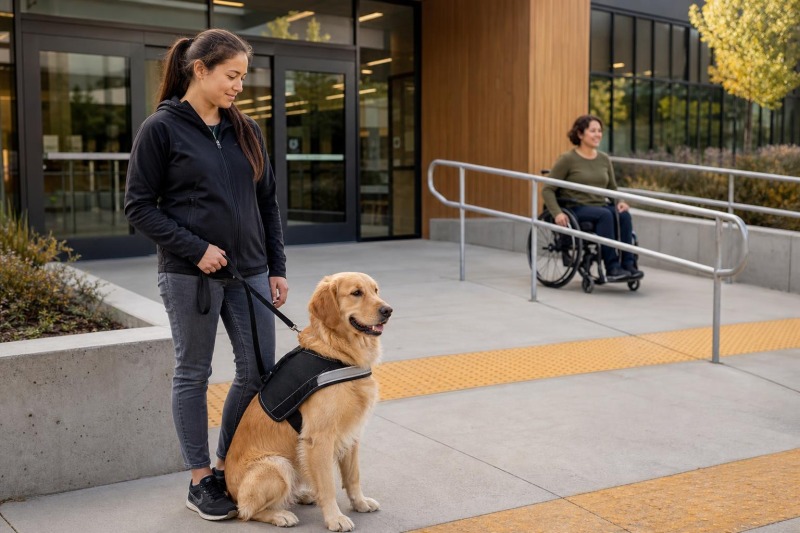
The public often sees the finished product. They notice the calm Labrador under a restaurant table or the attentive Golden Retriever guiding a handler through a busy entrance. What they do not always see is the long chain of work behind that moment. Reputable organizations that train service dogs usually begin with careful selection. Some breed their own dogs from lines known for sound temperament and health. Others work with donated dogs or outside breeding partners, but the strongest programs never treat selection like an afterthought.
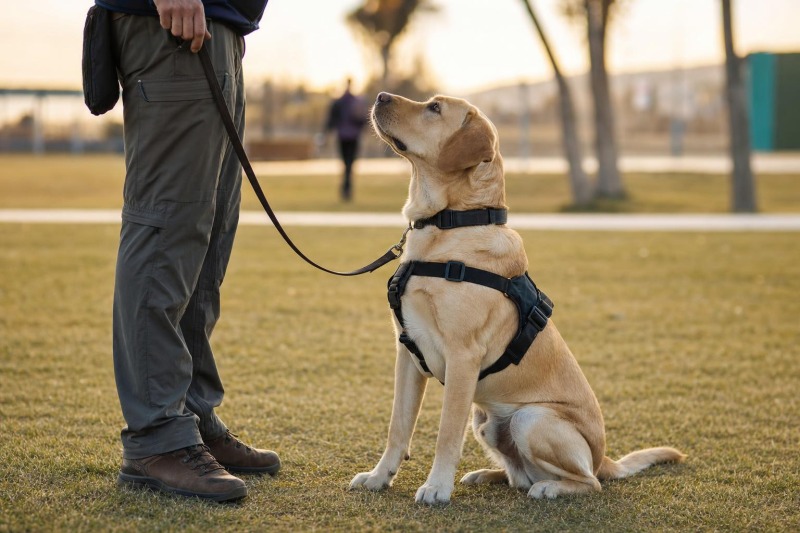
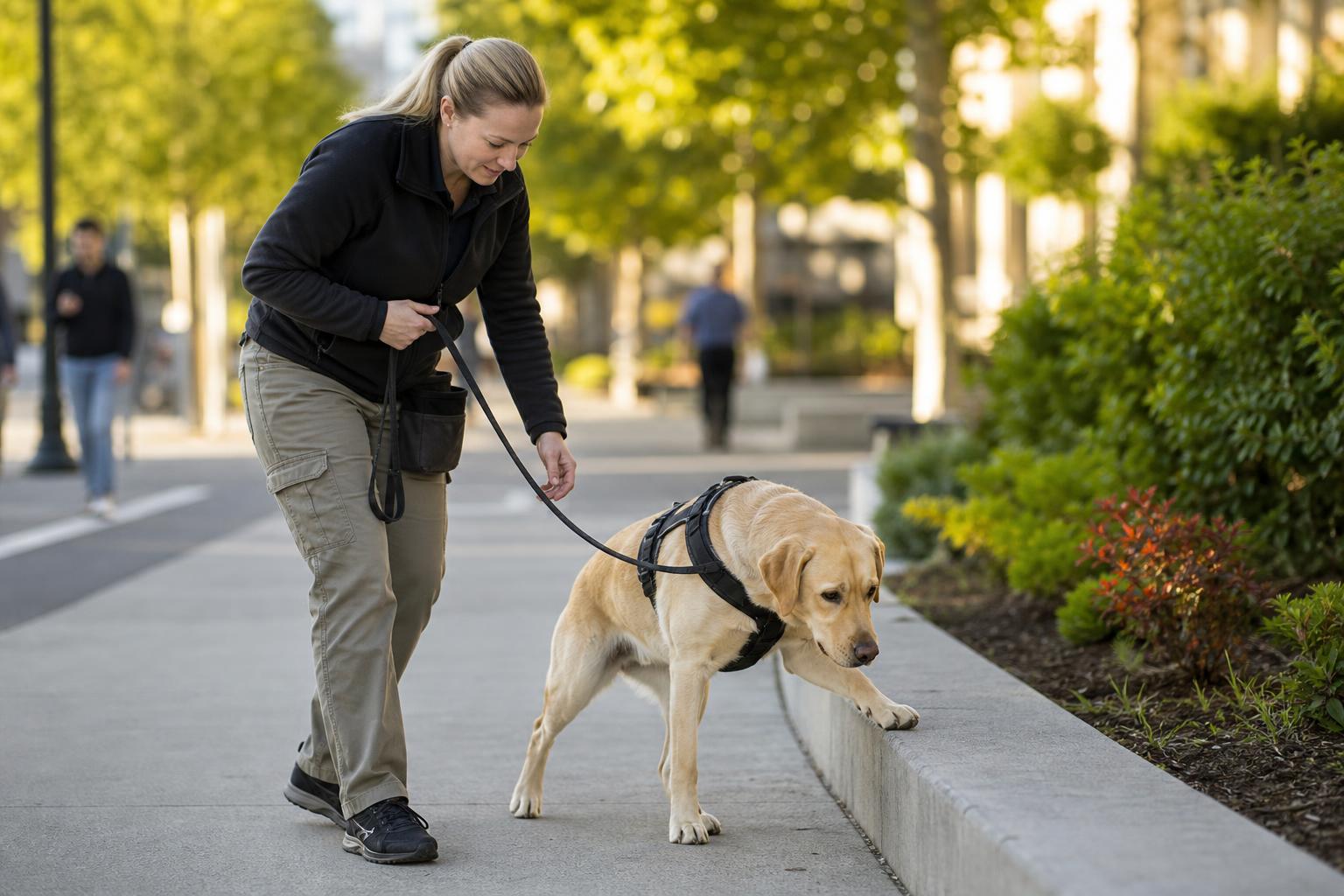
From there, training unfolds in stages. Early socialization is often where the groundwork is laid. Puppies are introduced to surfaces, sounds, people, and environments in a controlled way so that novelty does not become fear later on. As those dogs mature, obedience grows into public access work, impulse control, and task-specific training. Depending on the handler’s needs, that might include retrieving dropped items, opening doors, bracing, alerting to medical changes, interrupting psychiatric episodes, or guiding a person with visual impairment. Good organizations know that task training alone is not enough. The dog must be able to perform that task with consistency while ignoring everything else trying to pull its attention away.
Why the best programs are selective
This is where many dog owners are surprised. Not every good dog can become a service dog. In fact, many cannot. Even dogs with plenty of drive and affection may wash out if they are too environmentally sensitive, too excitable, too sharp with strangers, or too physically unsound for the demands of the work. Quality organizations accept that truth early, because forcing the wrong dog into the job does a disservice to both the dog and the future handler.
That selectiveness is a mark of professionalism, not failure. Strong programs screen hips, elbows, eyes, and other health factors. They watch for resilience, confidence, and trainability. They evaluate how the dog handles pressure, recovery, and repetition. There is a practical wisdom in that approach, the same kind of wisdom old trainers carry into any serious working-dog program. You do not get reliable performance by wishing away weak points. You get it by being honest about what the dog in front of you can and cannot do.
Types of organizations that train service dogs
Not all service dog organizations are built the same, and dog owners should understand the differences. Some nonprofits specialize in guide dogs for individuals who are blind or visually impaired. Others focus on mobility service dogs, autism support dogs, hearing dogs, diabetic alert dogs, seizure response dogs, or psychiatric service dogs. There are organizations that place fully trained dogs with handlers, and there are programs that train dogs alongside the person who will eventually work with them.
That distinction matters. A fully trained placement program may be ideal for someone who needs a dog with advanced preparation before the match occurs. A collaborative program, where the handler is involved in part of the process, may suit people who want a closer hand in shaping the dog’s routines. Neither model is automatically better. What matters is whether the organization is transparent, ethical, and experienced in the type of service work it claims to provide.
One thing seasoned dog people know is that specialization counts. A dog trained for mobility support faces different demands than a dog trained for psychiatric interruption tasks. The organization should be able to explain those differences clearly, not hide behind vague promises or broad marketing language.
Standards that separate reputable programs from questionable ones
There are fine organizations doing outstanding work across the country, but there are also operations that trade on emotion and confusion. A reputable service dog organization should have a defined training process, documented standards, and a willingness to discuss success rates, placement criteria, follow-up support, and reasons some dogs do not complete the program. If a group acts as though every dog passes, that alone should raise an eyebrow.
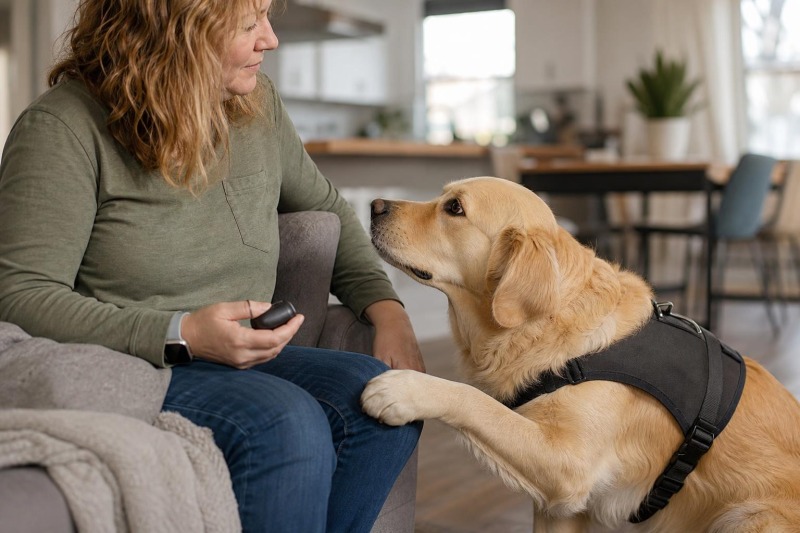
Good programs also invest in handler education. The dog may be highly trained, but the partnership still depends on the person at the other end of the leash. The handler needs to understand maintenance training, body language, routine, reinforcement, and how to preserve the dog’s working confidence over time. The best organizations do not just hand over a vest and wish the team luck. They mentor, evaluate, and stay involved after placement.
Health and welfare should sit at the center of any trustworthy program. Dogs need appropriate rest, veterinary care, humane training methods, and realistic expectations. Service work is demanding.
How dog owners can evaluate a service dog organization
If you are researching organizations that train service dogs, start by slowing down. A polished website and emotional testimonials are not enough on their own. Look for substance. Ask how dogs are sourced, what health testing is required, how long training takes, what public access standards are used, and what happens if a placement is not successful. Ask whether the organization offers ongoing support after the dog goes home. Ask how they match dog to handler, because that pairing is part science and part seasoned judgment.
It also helps to study the training philosophy. The strongest organizations use clear communication, consistency, and humane methods that build confidence rather than suppress behavior through fear. You want a dog that understands the job and performs it willingly, not one moving under pressure with its ears pinned back and its spirit dulled. Any old hand who has watched truly good dogs work knows the difference immediately.
Timing matters as well. Proper service dog training is not rushed. It takes many months, often longer, to develop dependable public behavior and specialized tasks. Be wary of claims that sound too quick, too easy, or too universal. Working dogs worthy of real responsibility are made through repetition and proofing, not shortcuts.
The value of matching dog, task, and person
A service dog is not just trained; it is matched. This is one of the most overlooked pieces of the equation. The organization has to consider the handler’s physical needs, pace of life, home environment, experience with dogs, and long-term expectations. A calm, methodical dog may be ideal for one person and wrong for another who needs quicker task response or a different working style. Size, energy level, sensitivity, and problem-solving style all shape the partnership.
That matching process reminds me a little of choosing any serious working companion. The right dog can make hard days manageable. The wrong one can create strain where there should be support. Reputable organizations understand that a service dog team succeeds not because the dog is impressive in a training hall, but because the partnership holds steady in ordinary life, day after day.
Why these organizations matter to the broader working dog world
For dog owners interested in working dogs, service dog organizations offer a valuable lesson in disciplined, purpose-driven training. Their best programs show what can happen when genetics, socialization, health, and clear standards all point in the same direction. They also remind us that dependable work is rarely flashy. More often, it looks like quiet steadiness, the dog that ignores chaos, responds on cue, and keeps doing the job when nobody is clapping.
That kind of reliability earns respect. Whether your background is in retrievers, protection dogs, herding dogs, or companion obedience, there is something to admire in a service dog that can hold its nerve in a crowded waiting room and still perform exactly when needed. Organizations that train service dogs are, at their best, caretakers of that standard.
For anyone considering a service dog or simply wanting to understand the field better, the takeaway is simple. Look for honesty, structure, humane training, health accountability, and real follow-through. Good organizations do not promise miracles. They produce partnerships built on careful work. And in the world of working dogs, careful work is what lasts.