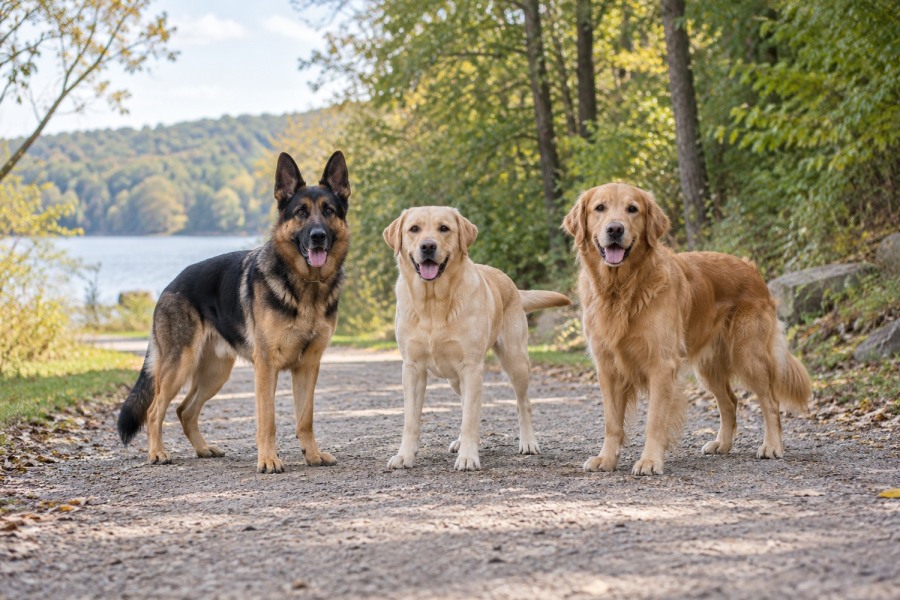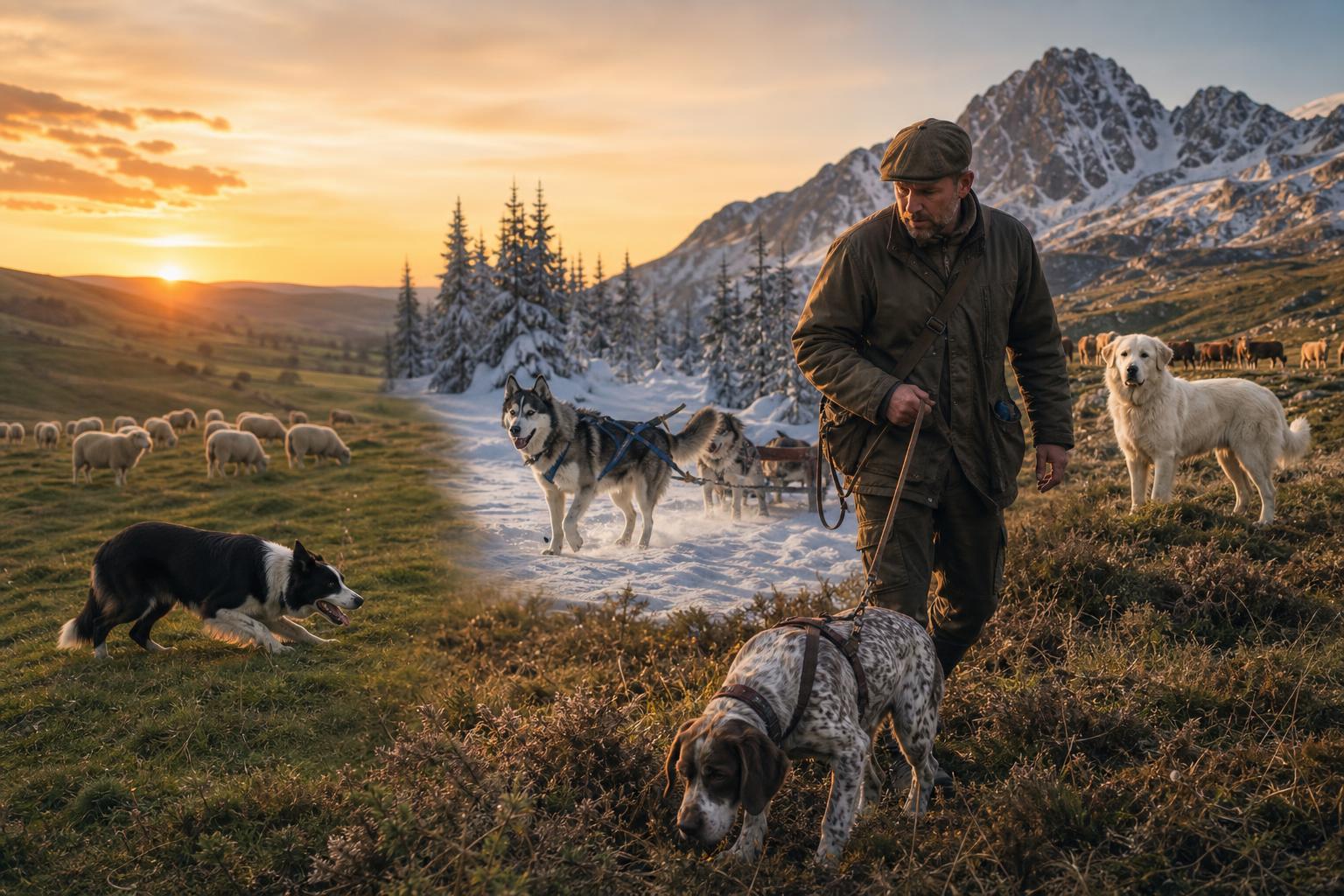
The way a community regards working dogs reflects its livelihoods, environment, institutions, and traditions. A familiar role in one place may be unusual in another. Comparing specific settings is more useful than treating whole cultures as if they shared one view.
For dog owners interested in working dogs, it helps to understand that these animals have never existed in a vacuum. A retriever in a marsh country tradition is not regarded the same way as a flock guardian in mountain country or a sled dog in the Arctic. The work shapes the dog, but culture shapes the meaning of that work. In one place, a working dog is admired for obedience and precision. In another, he is prized for grit, independence, and the nerve to make decisions without waiting for a command.
Working Dogs as Partners on the Land
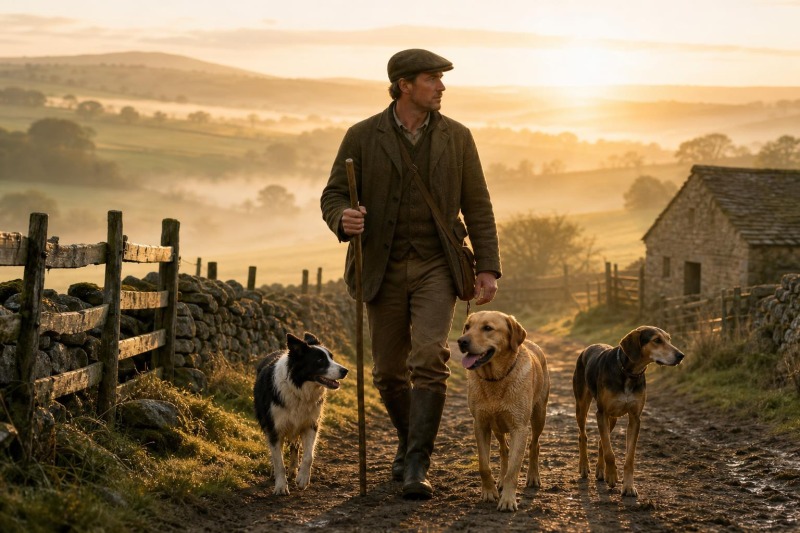
In many rural cultures, working dogs are woven into daily life so deeply that folks hardly stop to separate the dog from the job. That is especially true in agricultural regions where herding dogs, guardian breeds, and hunting companions have long been practical necessities. A shepherd in the hills of Scotland, a stockman in Australia, and a rancher in the American West may work very different landscapes, but they all understand the value of a dog that can read stock, handle pressure, and keep moving when the weather turns foul.
In these places, respect for working dogs often comes from performance before sentiment. That does not mean the bond is cold. Quite the opposite. It means affection is earned and proven in the field, over seasons of shared labor. A dog that gathers sheep off a windy face, holds cattle at a gate, or finds downed birds in freezing water becomes something more than a pet. He becomes reliable capital, a trusted hand, and in many households, a source of pride tied to family identity.
That practical respect still runs strong today. Even among modern dog owners, there is a growing appreciation for what purpose-bred dogs bring to the table. People may first admire the look of a Border Collie or Labrador, but once they see one truly work, they begin to understand why generations protected those traits so fiercely.
The European Tradition of Function First
Across much of Europe, working dog culture has long placed a premium on discipline, utility, and breeding for specific tasks. In Germany, Belgium, and the Netherlands, dogs have been developed and tested with a seriousness that reflects a broader cultural respect for structure and performance. Protection dogs, police dogs, tracking dogs, and multipurpose utility breeds are not just admired for flashy skill. They are expected to prove nerve, steadiness, and trainability under pressure.
That tradition has shaped the way many Europeans view working dogs. There is often a stronger public awareness that a dog can be both companion and professional partner. A German Shepherd, Belgian Malinois, or Dutch Shepherd is not simply seen as an energetic breed. In the right circles, these dogs are understood as products of demanding standards, bred for clear-headed work and judged accordingly.
In the Mediterranean, views can shift. Hunting dogs hold old cultural importance in countries such as Spain, Italy, and Portugal, where scent hounds, pointing dogs, and flushing dogs have been tied to local game traditions for centuries. There, the working dog is often connected to heritage and region. Certain breeds belong not just to a type of work, but to a place, a style of hunting, and a way of life passed down through families.
Hunting Dogs and Cultural Identity
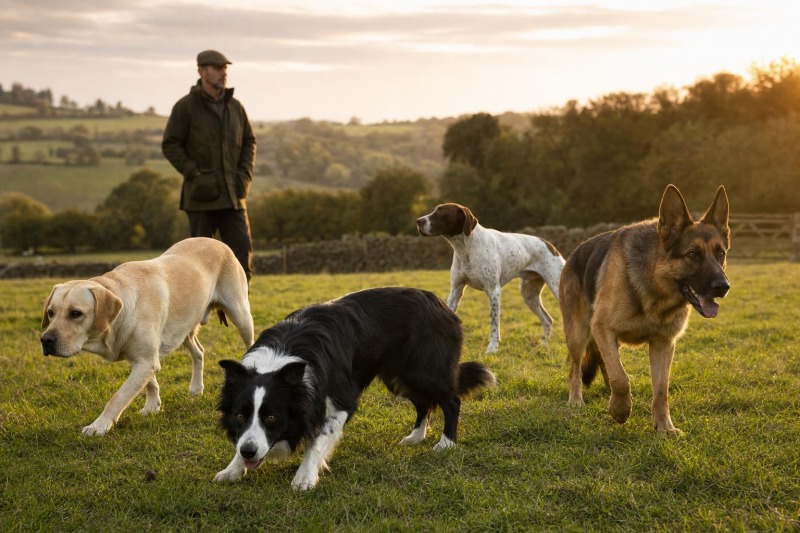
Around the world, hunting cultures have produced dogs that reflect both terrain and temperament. In the British Isles, gun dogs have been refined to work with measured composure, close cooperation, and polished manners in the field. The image of the steady retriever or stylish pointer is wrapped up in a broader sporting tradition that values control and elegance as much as raw ability.
In North America, the picture is a little rougher around the edges, in a good way. We tend to admire drive, endurance, and versatility. A good hunting dog here often earns praise for doing whatever the day demands, whether that means busting cattails for pheasants, sitting steady in a duck blind, or covering big country on upland birds. The American view of working dogs, especially in hunting circles, often blends practicality with a deep emotional loyalty. Many hunters want a dog that can work hard, ride home in the truck, and sleep by the hearth at night.
In parts of Scandinavia and northern Europe, hunting dogs are respected for toughness and stamina in cold, demanding conditions. Breeds developed for moose, birds, or fur must often work in silence, use initiative, and hold up physically through long seasons. That fosters a cultural appreciation for resilience. These are not dogs admired only for style points. They are respected because they can endure country that humbles most men.
Indigenous and Regional Knowledge
Some of the most meaningful views of working dogs come from indigenous and local communities whose dog traditions were built around survival. In Arctic regions, sled dogs were never a luxury. They were transportation, protection, and living tools that helped families move through brutal country. The cultural respect given to those dogs came from necessity and from hard-earned knowledge of what made a dog useful, honest, and durable.
Elsewhere, village dogs and local landraces have served as livestock guardians, hunting aides, and property protectors without always receiving the formal recognition given to modern registered breeds. Still, in many communities, these dogs are valued precisely because they suit local conditions. They know the predators, the climate, the footing, and the work. That kind of practical adaptation carries its own cultural weight, even when it never shows up in a show ring.
Working Dogs in Asia, Africa, and the Middle East
Across Asia, Africa, and the Middle East, cultural views of working dogs vary widely, but one common thread is utility shaped by environment. In pastoral regions, guardian dogs are often held in high regard for their ability to protect flocks from predators and thieves. These dogs may not be expected to show the close, handler-focused style prized in retrievers or obedience dogs. Instead, they are valued for independence, courage, and territorial instinct. In those cultures, a dog that thinks for himself can be an asset rather than a training problem.
In parts of Central Asia and the Caucasus, livestock guardian dogs are often seen almost as fellow sentries. Their job is serious, and the respect they earn comes from standing between vulnerable stock and very real danger. That creates a different kind of relationship than what many urban dog owners are used to. The bond may be less outwardly sentimental, but it is no less profound.
In sections of Africa, dogs have historically served as hunting partners, camp guardians, and pest controllers. Their roles can be highly local, shaped by tribe, terrain, and available game. In some communities, dogs are prized for alertness and durability more than formal breed identity. What matters is whether the dog can do the work in heat, rough ground, and sparse conditions. There is a plain honesty in that standard, one any old dog man can appreciate.
The Modern Shift: From Utility to Heritage and Companionship
One of the biggest changes worldwide is that many working dogs now live in societies farther removed from the labor that created them. Urbanization has changed the way people see dogs. Breeds once known almost entirely for work are now just as likely to be known for looks, popularity, or social media appeal. That can blur public understanding of what these dogs were bred to do and what they still need in order to thrive.
At the same time, there is a healthy countercurrent. More dog owners are seeking out training, field work, scent work, herding trials, and protection sports to reconnect with a breed’s original purpose. In that sense, cultural views of working dogs are evolving rather than disappearing. A dog does not have to herd sheep every day to be appreciated as a herding breed, but he does need outlets that respect the instincts put there by generations of selective breeding.
Whether you live on acreage or in town, understanding the cultural and historical role behind your dog can make you a better owner. It helps explain why some dogs crave structure, why others need room to problem-solve, and why certain breeds seem most content when they have a job, even if that job is adapted to modern life.
What Dog Owners Can Learn from Global Traditions
If there is one lesson to take from cultural views of working dogs around the world, it is that form should follow function. The best dog cultures never lose sight of purpose. They may love their dogs deeply, but they respect what those dogs are built to do. That mindset is worth holding onto, especially now, when image too often overshadows ability.
For today’s dog owner, that means looking beyond breed reputation and asking better questions. What was this dog developed for. What kind of thinking does the work require. Does this breed thrive on close direction, or does it need freedom to make decisions. Those questions matter because they shape everything from training style to exercise needs to household expectations.
Working dogs around the world have been hunters, guardians, haulers, herders, trackers, and protectors. They have fed families, secured livestock, found the lost, and stood watch while people slept. Different cultures may describe them in different terms, but the heart of it stays the same. A good working dog earns respect not because he is fashionable, but because he is useful, willing, and true.
And if you have ever watched a dog lock onto a job he was born to do, you know that truth does not need translating. Whether it happens on a wet duck marsh, a sheep trail in the hills, or a frozen track under northern light, the sight reaches across language and country. A working dog in his element is one of the finest things a person can witness.