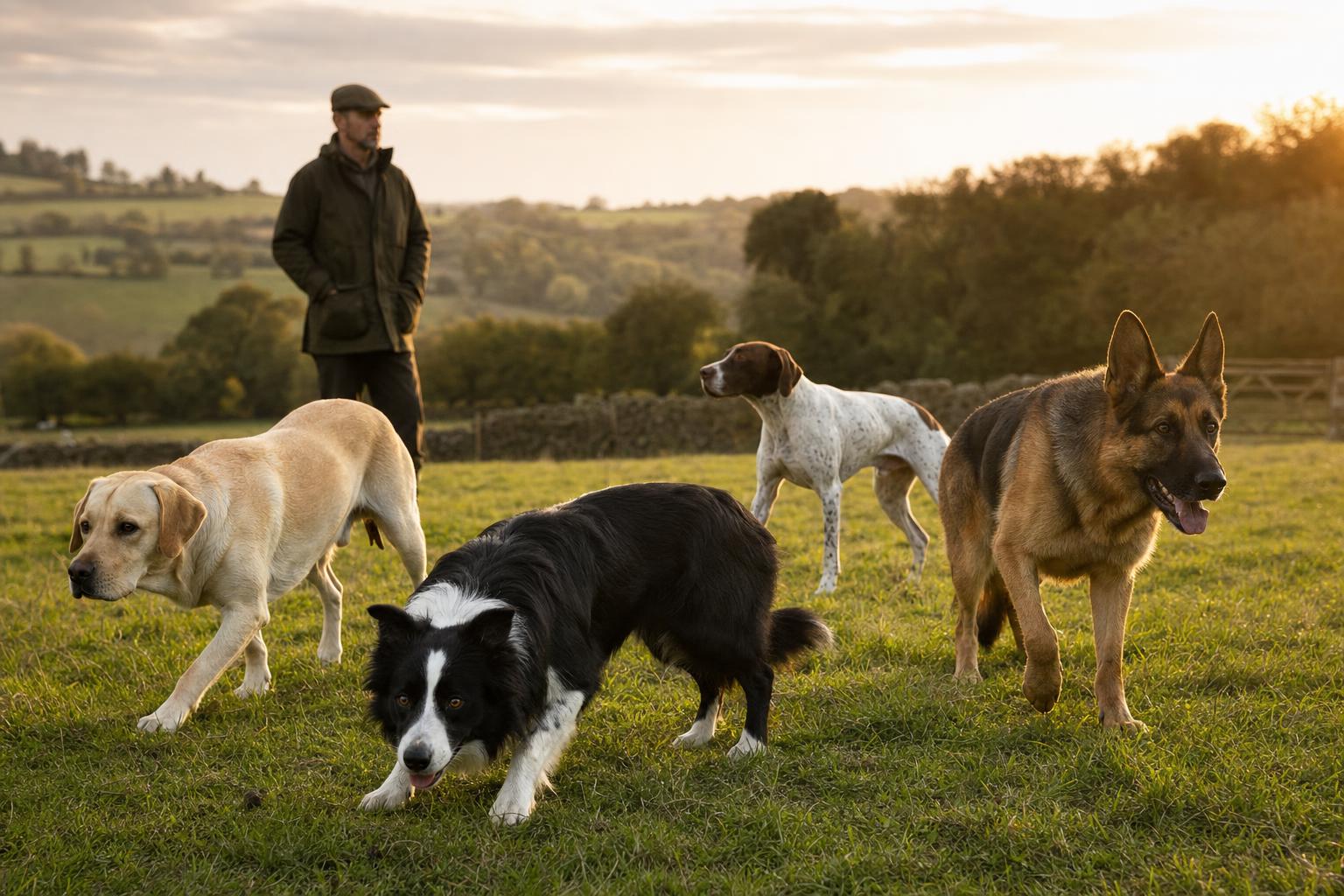
Modern working breeds reflect generations of decisions about which dogs were useful for particular jobs. Changing work, regional preferences, and formal breeding systems all influenced that process. The history helps explain both shared traits and variation within breeds.
For dog owners interested in working dogs, understanding where these breeds came from matters more than most people realize. A dog’s history is not just trivia. It explains temperament, trainability, energy level, and the kind of work that still brings that dog alive. Modern working dogs may now live in family homes, compete in sports, or serve in law enforcement and military units, but under all that polish you will still find the old blueprint.
How Work Shaped the Earliest Breeds
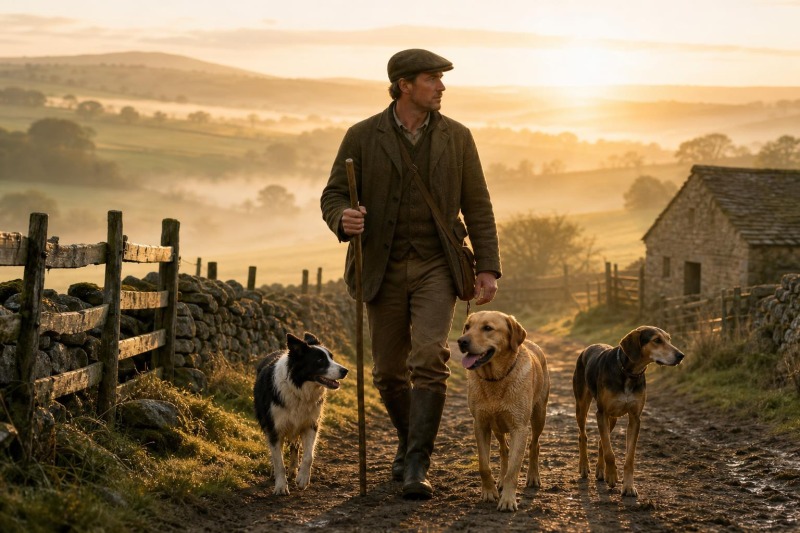
Long before modern breed standards, dogs were developed by need. A shepherd did not care much about a perfect outline on paper if the dog could not gather scattered sheep off a windswept hill. A hunter did not waste time praising a pretty dog that would not hold point, retrieve from icy water, or track wounded game through dense timber. Farmers, gamekeepers, drovers, and trappers all bred for practical outcomes. The dogs that succeeded reproduced. The ones that failed were removed from the line.
That hard selection created the foundation of many working dog breeds we still know today. Herding breeds developed quick minds, biddability, and an uncanny ability to read both livestock and handler. Guarding breeds became watchful, steady, and physically imposing enough to stand between trouble and what they protected. Retrievers, pointers, hounds, and flushing dogs were refined into specialists, each designed for a different piece of the hunt. In every case, the work came first, and type followed function.
That is an important point in the history of working dogs. Form did not drive utility. Utility drove form. The weatherproof coat, the deep chest, the efficient gait, the strong nose, the soft mouth, the courage under pressure, all of it came from repeated use in real conditions. You can still see those old decisions in a modern Labrador breaking through cattails, a Belgian Malinois driving hard on a decoy, or a Border Collie gathering stock with quiet intensity.
From Regional Landraces to Recognized Working Dog Breeds
Many of today’s working dog breeds began as regional landraces rather than tightly defined breeds. In plain terms, they were local populations of dogs shaped by geography, climate, and job requirements. A rugged mountain dog in one region developed differently from a marsh retriever in another because the work demanded it. These dogs were often bred within practical communities, and consistency came from shared need rather than formal registration.
As transportation improved and dog breeding became more organized, many of those regional dogs were standardized into recognized breeds. Kennel clubs, breed societies, and written standards helped preserve traits and establish predictability. That process did some good. It gave breeders a framework and protected certain lines from disappearing altogether. But it also introduced tension that still exists today between appearance and performance.
The best breeders of working dog breeds never forgot that standard alone means little if the dog cannot do the task it was designed for. A pointing dog that will not hunt, a retriever without natural marking ability, or a livestock guardian lacking nerve is a poor inheritance no matter how correct the coat or structure may seem on a show lead. The strongest working lines remained tied to performance, and that is one reason modern field-bred and job-bred dogs often differ noticeably from their show-bred cousins.
The Split Between Show Lines and Working Lines
Over the last century, many breeds experienced a divide between dogs bred for the ring and dogs bred for the field or service role. This did not happen overnight. Once titles, appearance standards, and public popularity entered the picture, some breeders naturally selected for traits that won under judges or appealed to buyers. Meanwhile, handlers who depended on dogs for actual work kept selecting for drive, endurance, nerve, and instinct.
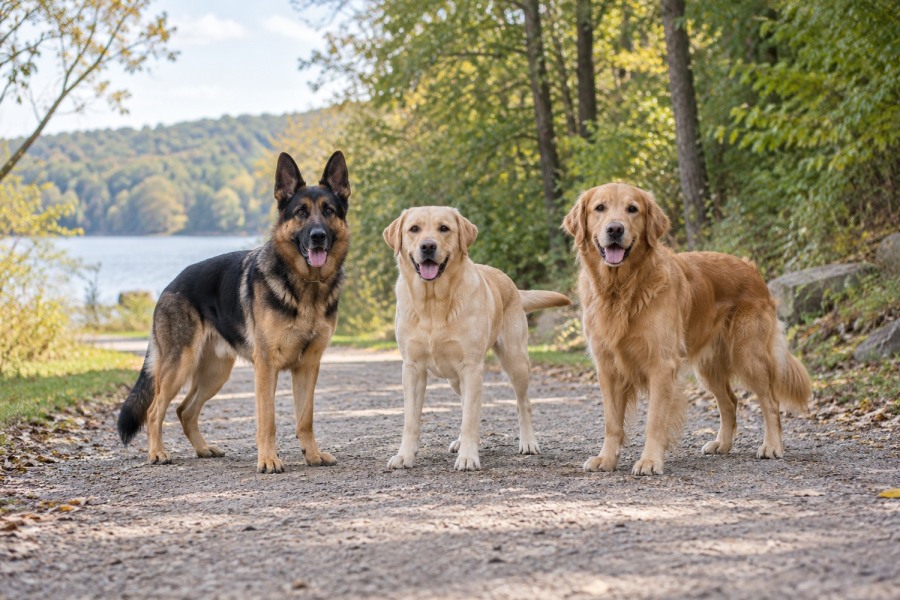
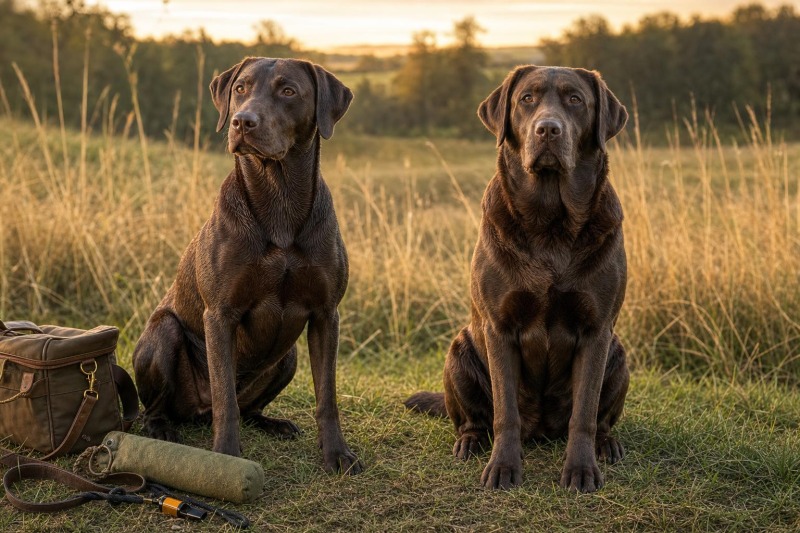
That split is easy to see in several modern working dog breeds. Field Labradors are often leaner, more intense, and faster in the marsh than heavier bench-bred dogs. Working-line German Shepherds and Belgian Malinois are frequently built and wired differently from lines aimed primarily at conformation homes. In gundogs, stock dogs, and protection breeds alike, this divergence reminds us that working ability is a living trait. If it is not tested and valued, it can fade.
The Rise of Versatility in Modern Working Dogs
One of the biggest changes in the evolution of modern working dog breeds has been the rise of versatility. In earlier times, many dogs were bred for narrowly defined tasks tied to local economies and landscapes. Today, a working dog may need to perform across multiple settings. A retriever might hunt on weekends, compete in hunt tests, and live as a family companion. A shepherd breed may move stock on one property while also excelling in sport or obedience. A protection dog may work in police service, detection, and home life all at once.
This shift has influenced breeding in a meaningful way. Modern handlers often value dogs that can switch gears cleanly, showing intensity when the task is on and steadiness when it is not. That balance is not accidental. It is the result of careful selection for nerve, clear-headed temperament, trainability, and resilience. In rough country or high-pressure service work, the dog that loses itself mentally is not much use. The best modern working dogs have both fire and control.
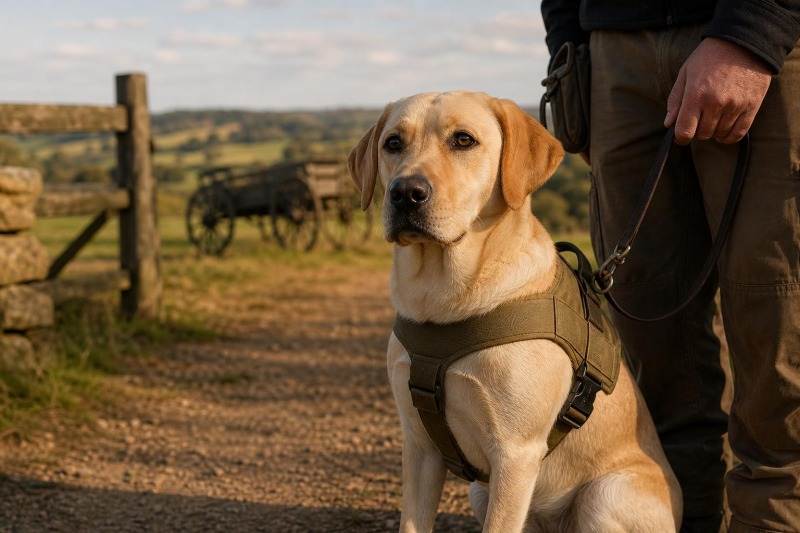
You can see this especially in breeds that have adapted beyond their original role. The German Shorthaired Pointer, for example, evolved into one of the most versatile hunting dogs in the world, capable of pointing, tracking, and retrieving. The Belgian Malinois, originally rooted in herding, became a major force in military and police work because of its athleticism, intensity, and responsiveness. Labrador Retrievers moved from nets and waterfowling into guiding, detection, search and rescue, and service work without losing the core qualities that made them dependable to begin with.
Selective Breeding, Science, and the Modern Handler
Modern breeding is no longer based only on a sharp eye and a reputation carried across fence lines. Genetics, health testing, performance records, and structured training have all changed the landscape. Responsible breeders of working dog breeds now have tools their predecessors never had. They can screen for inherited disease, study pedigrees in greater detail, and track how certain traits repeat across generations.
That said, science has not replaced stock sense. A pedigree full of titles does not guarantee the right dog for the right home or job. A seasoned dog person still watches the little things. How does the pup recover from surprise? Does it follow scent naturally? Does it carry itself with confidence? Is there softness where there should be softness and hardness where the work requires grit? Those judgments still matter. No spreadsheet can fully replace an experienced eye on a litter or a dog in real cover.
Modern handlers have also changed what they ask of these dogs. Urban and suburban owners are now drawn to breeds once reserved for ranches, kennels, and hunting camps. That has created both opportunity and trouble. On one hand, more people appreciate the intelligence and loyalty of working dogs. On the other, many underestimate the level of structure, exercise, and purpose these breeds need. A dog built over generations to solve problems, cover ground, and work in partnership with people does not thrive on neglect or boredom.
Why Original Purpose Still Matters Today
Even when the work changes, the instinct remains. A herding breed may try to gather children in the yard. A protection breed may stay naturally suspicious of strangers. A retriever may carry everything in its mouth from bumpers to boots. A scent hound will follow its nose as if the rest of the world has gone quiet. None of that is bad. It is heritage speaking.
Owners who understand original purpose tend to do better with these dogs because they work with instinct instead of against it. They give the dog outlets that make sense. They train with patience and clarity. They appreciate that what looks like stubbornness may actually be independence bred for difficult work, and what looks like excess energy may simply be untapped drive.
The Future of Working Dog Breeds
The future of modern working dog breeds will likely be shaped by the same forces that shaped their past: human need, environment, and selection. Some jobs will continue much as they always have. Hunters will still need good noses, honest retrieves, and steady nerves when weather turns mean. Stockmen will still value dogs that can read pressure and hold a line. Agencies will still need detection dogs, patrol dogs, and search dogs that can work through stress.
At the same time, new demands will keep refining certain breeds and bloodlines. More emphasis on health, longevity, and stable temperament is a good thing. Better training methods are improving how dogs are developed without dulling their edge. There is also a growing understanding that preserving working ability matters just as much as preserving appearance. That may be the best sign of all.
They were modern animals, certainly, but they were also old souls shaped by generations of honest labor. That is the real evolution of working dog breeds. It is not a break from history. It is history still moving, one litter, one handler, and one hard-earned lesson at a time.
For today’s dog owner, that history is worth respecting. Choose the breed with clear eyes. Learn what it was made to do. Give it work, even if that work looks different now than it did a hundred years ago. If you do, you will not just own a working dog. You will understand one, and that is where the real partnership begins.